


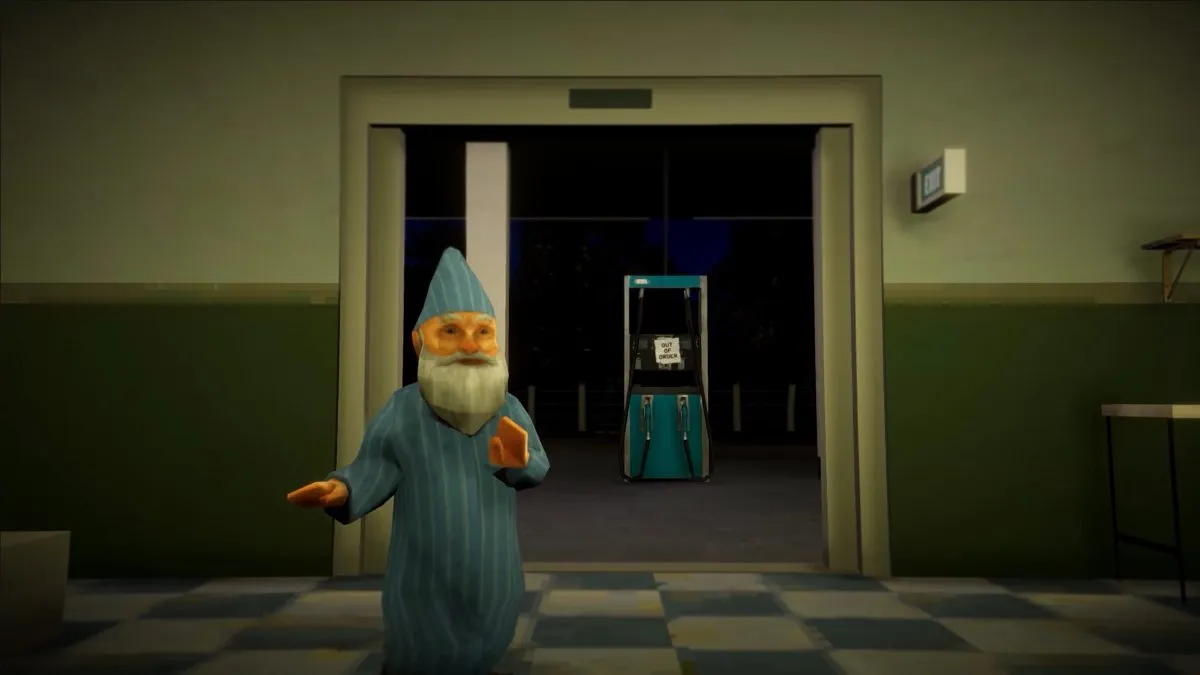
In the surreal landscape of "Shift at Midnight," players are thrust into a high-stakes retail environment where the mundane task of stocking shelves is juxtaposed with the desperate fight for survival against doppelgangers and grotesque entities. Amidst the chaos of maintaining a spotless store, armed with an arsenal ranging from bear traps to grenades, the most jarring element for many players is the astronomical cost of veterinary care for their beloved pet. This unusual premise, which some veterans of the service industry might find eerily familiar, forms the backdrop for a narrative with multiple branching paths, each culminating in a distinct ending. This comprehensive guide details the prerequisites and key decisions necessary to achieve every possible outcome in "Shift at Midnight."
The game’s narrative unfolds over a thirteen-night cycle, culminating in a critical juncture where player choices, significantly influenced by their financial accumulation, dictate the ultimate fate of both the protagonist and their pet. This financial goal is separate from the store’s revenue, which can be reinvested in vital upgrades and equipment. The core gameplay loop involves completing daily shifts, each yielding a modest $10 wage. However, surpassing the store’s daily sales quota unlocks a crucial 10 percent commission, a lifeline for accumulating the substantial sum required for the pet’s life-saving surgery. This critical procedure is foreshadowed after the tenth shift, casting a looming shadow over the player’s efforts.
The Financial Imperative: A Pet’s Life on the Line
The escalating cost of the pet’s medical treatment serves as the primary narrative driver, pushing players to maximize their earnings. While utilizing the pet’s presence in subsequent shifts after administering daily medication can offer valuable assistance, particularly for solo players, a strategic balance is paramount. Over-reliance on this temporary aid can deplete personal funds, jeopardizing the ability to cover the exorbitant surgical fees on night 13. Accumulating $250 by this crucial deadline is not merely a gameplay objective; it is the linchpin for progressing through the game’s various narrative threads and unlocking its diverse endings.
Navigating the Branches: Understanding the Endings
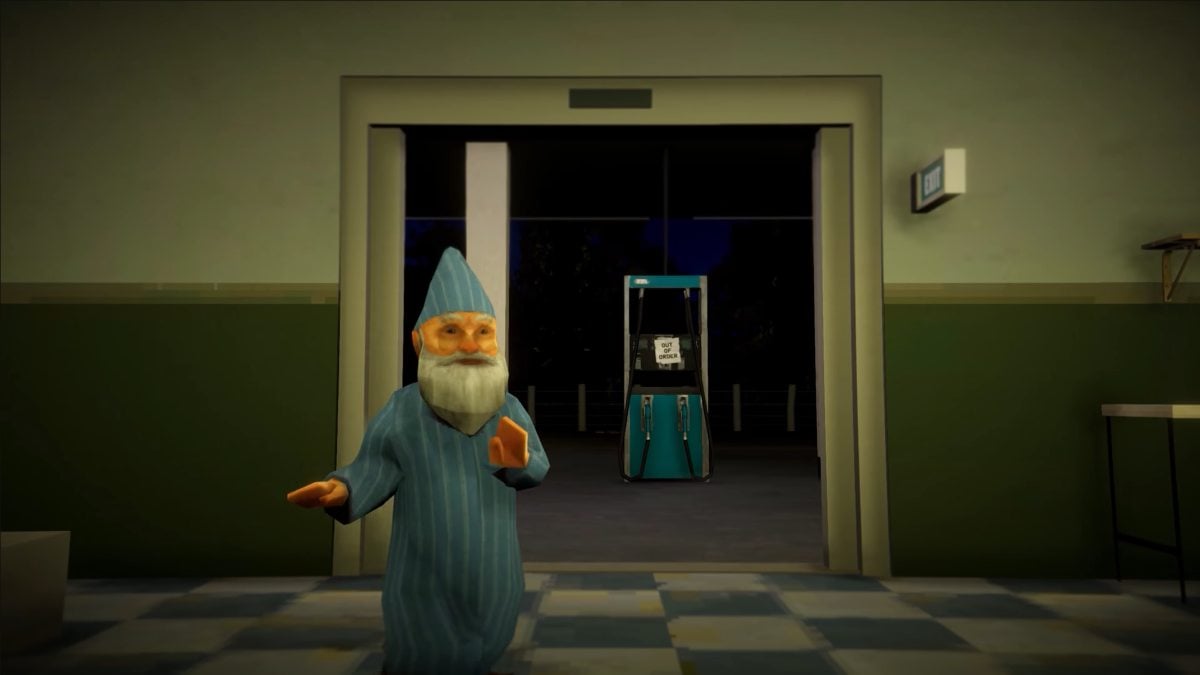
"Shift at Midnight" features three distinct endings, each contingent on a pivotal decision made on the twelfth night and the player’s financial standing by the final shift. These endings offer varying resolutions to the overarching narrative of survival and sacrifice.
Grave Decision: A Sheriff’s Sacrifice
The "Grave Decision" ending is triggered on the twelfth night. After completing the shift, players are presented with the option to contact Sheriff Clyde. If the player acknowledges their inability to meet the $250 surgery cost, they can choose to call Clyde. This decision, while driven by a desperate need to save their pet, carries significant consequences. Sheriff Clyde will arrive at the store, a noble but ultimately fatal intervention. He will perish during his attempt to assist, but his sacrifice ensures that the pet’s surgery is covered, allowing it to survive. This outcome highlights a theme of tragic heroism and the lengths to which individuals will go for those they care about, even at the cost of an innocent life. The financial burden is lifted, but the emotional toll of Clyde’s demise is palpable.
The implications of this ending are multifaceted. While the pet is saved, the player is left to contend with the loss of Sheriff Clyde, a figure who, in this context, represents law and order and a potential ally. The community may face a period of increased vulnerability without his presence, a stark reminder of the interconnectedness of their actions and the broader societal impact. The game implicitly suggests that even in the face of overwhelming personal crisis, the well-being of the wider community should not be entirely disregarded.
Empty Home: A Solitary Survival
The "Empty Home" ending represents a grim alternative, achieved by refraining from calling Sheriff Clyde on the twelfth night and failing to amass the $250 required for the pet’s surgery. In this scenario, Clyde’s intervention is averted, and he survives the night unharmed. However, the pet succumbs to its ailment due to the lack of necessary medical treatment. This ending emphasizes the harsh realities of difficult choices and the potential for devastating loss when financial constraints become insurmountable. The player survives, but the emotional void left by their pet’s absence is profound, creating a desolate sense of accomplishment.
This outcome raises critical questions about the value of life and the limitations imposed by economic disparities. The game posits that in certain dire circumstances, survival for one may necessitate the sacrifice of another, a moral quandary that resonates beyond the virtual world. The player’s personal survival, devoid of their cherished companion, serves as a somber reflection on the often-unseen costs of such difficult decisions. The absence of the pet symbolizes a profound personal loss, leaving the player to navigate a world that feels emptier and less meaningful.
True Ending: A Shared Victory
The "True Ending," often considered the most desirable outcome, requires a careful orchestration of events and a commitment to both financial prudence and exemplary performance in the retail environment. To achieve this, players must resist the urge to call Sheriff Clyde on the twelfth night, thereby ensuring his survival. The remaining narrative hinges on the player’s ability to meticulously manage the store, maintain a pristine environment, and consistently replenish stock. This commitment to customer satisfaction, mirrored in games like "HELLMART," is crucial.
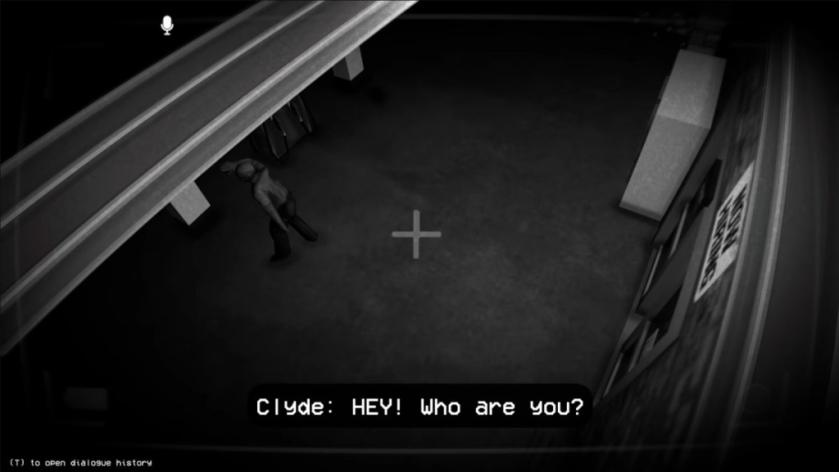
Furthermore, players are encouraged to diligently fulfill the Store Manager’s requests. These tasks can range from apprehending persistent shoplifters to undertaking the unenviable duty of clearing the overgrown forest adjacent to the store. Successfully completing these objectives provides valuable financial bonuses, significantly aiding in reaching the $250 target by night 13. This dual focus on operational excellence and adherence to management directives is key.
The "True Ending" is characterized by the survival of both Sheriff Clyde and the player’s pet. This outcome represents a harmonious resolution, where the protagonist not only overcomes the immediate threat to their companion but also preserves the life of a vital community figure. It underscores the importance of diligence, resourcefulness, and a proactive approach to problem-solving. The player’s success is not merely personal; it contributes to the broader stability and safety of the community by ensuring the continued presence of Sheriff Clyde.
A critical caveat for achieving this ending is to avoid inadvertently harming Sheriff Clyde when he visits the store. Any accidental demise of the Sheriff will irrevocably lock the player out of this specific ending, as the option to call him prior to the final day will be permanently removed. This necessitates a heightened sense of awareness and caution during the game’s concluding phases.
Gameplay Mechanics and Financial Strategies
The core of accumulating wealth in "Shift at Midnight" lies in mastering the daily operations of the store. Beyond the base wage, exceeding daily sales quotas is paramount. This involves efficient restocking of shelves, maintaining customer satisfaction through cleanliness, and strategically using available tools and weapons to deter threats. The game rewards meticulous attention to detail and a proactive approach to risk management.
The player’s inventory management plays a significant role. Tools like bear traps can be deployed to incapacitate rogue entities or shoplifters, preventing damage to merchandise and potentially leading to bonuses for apprehending them. Wooden planks can be used to barricade doors and windows, offering temporary protection during intense encounters. Grenades, while powerful, are often a last resort due to their potential to cause collateral damage and incur penalties.
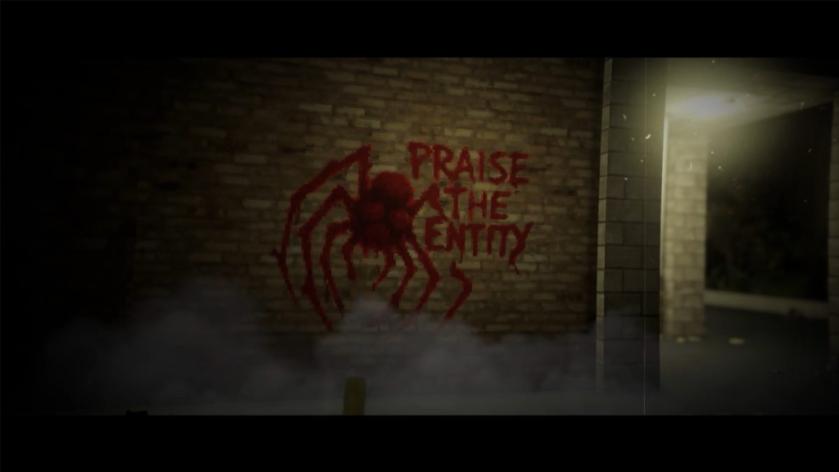
The game’s progression is structured around a clear timeline:
- Night 1-10: Focus on establishing operational efficiency, learning enemy patterns, and accumulating initial capital. The looming threat of the pet’s illness becomes increasingly evident through dialogue and in-game events.
- After Night 10: The critical warning regarding the pet’s surgery is delivered, emphasizing the financial urgency. Players must now prioritize strategies for maximizing income.
- Night 12: The pivotal decision point. Players must decide whether to call Sheriff Clyde, based on their financial situation and their willingness to accept the potential consequences.
- Night 13: The final shift. The player’s accumulated wealth and choices made on Night 12 determine the ending.
Analysis of Implications: Retail Realities and Existential Threats
"Shift at Midnight" masterfully blends the drudgery of retail work with a survival horror narrative, offering a unique commentary on the pressures faced by frontline workers. The game’s depiction of the financial strain associated with unexpected emergencies, such as significant medical bills, resonates with real-world anxieties. The inflated cost of veterinary care, presented as an almost fantastical obstacle, highlights a societal issue where essential services can become prohibitively expensive.
The game’s doppelgangers and grotesque monsters can be interpreted as metaphors for the overwhelming pressures and dehumanizing aspects of certain work environments. The constant need to maintain appearances, combat internal and external threats, and navigate bureaucratic demands mirrors the challenges faced by many in the service industry. The stark contrast between the mundane tasks of cleaning and stocking and the life-or-death battles underscores the absurdity and often unrecognized heroism of those who perform these essential roles.
The narrative’s emphasis on sacrifice and difficult choices also reflects broader societal dialogues about resource allocation, personal responsibility, and the interconnectedness of community well-being. Sheriff Clyde’s role as a symbol of order and his potential sacrifice illustrate the inherent risks undertaken by those who serve and protect. His inclusion adds a layer of moral complexity, forcing players to consider the wider implications of their actions beyond their immediate personal gain.
Ultimately, "Shift at Midnight" is more than just a survival game; it’s an exploration of resilience, ethical dilemmas, and the often-unseen struggles that lie beneath the surface of everyday life. By successfully navigating its challenging mechanics and making judicious choices, players can achieve a sense of closure and perhaps even a profound understanding of the sacrifices made in the name of love and survival. The game’s success lies in its ability to provoke thought and reflection, even as players are busy defending their virtual storefront from otherworldly horrors.