


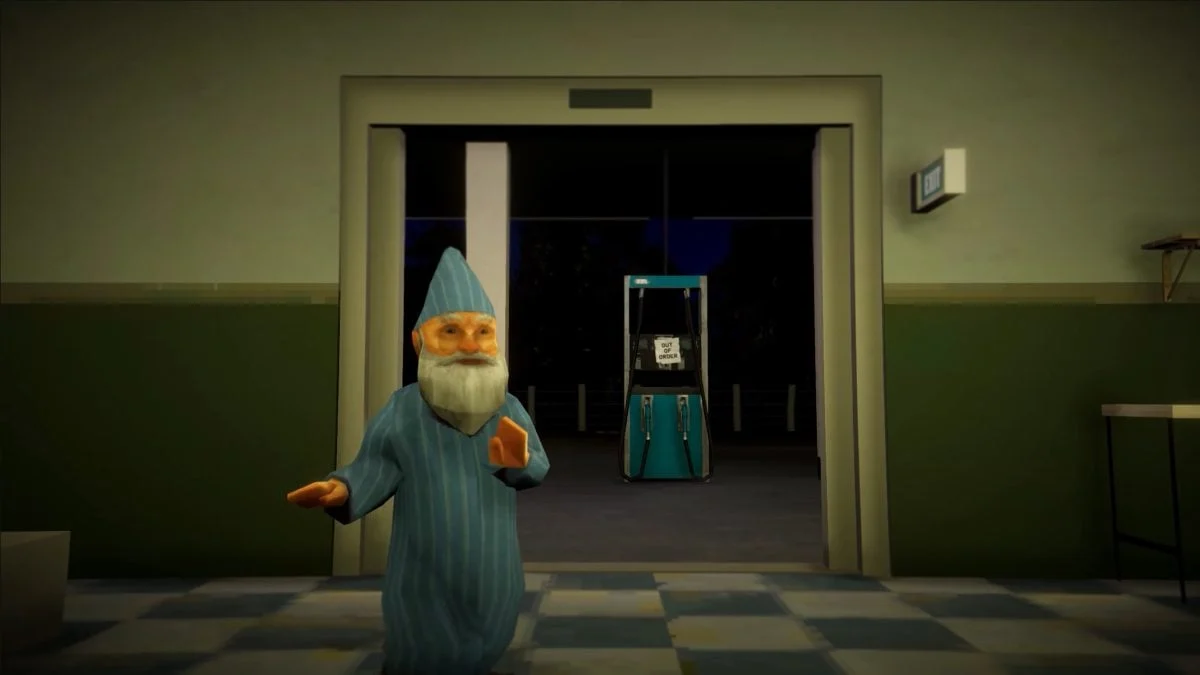
In the peculiar and perilous world of Shift at Midnight, players are thrust into the demanding role of a night-shift stocker tasked with an extraordinary set of responsibilities. Beyond the mundane duties of maintaining a pristine store, players must contend with doppelgangers, fend off grotesque entities, and meticulously manage inventory. This surreal blend of retail simulation and survival horror, a darkly humorous mirror to years of actual retail experience, culminates in a critical objective: saving a beloved pet. The financial strain of veterinary care, particularly for a complex surgery, emerges as the most jarringly realistic, yet ultimately fantastical, element of the game. This comprehensive guide delves into the intricate mechanics governing the game’s multiple endings, offering a roadmap to navigate the final nights and achieve the desired outcome.
Understanding the Core Mechanics: The Path to Survival and Success
The ultimate fate of the player and their cherished companion in Shift at Midnight hinges on a crucial decision made during the endgame, intricately linked to the player’s accumulated wealth. This personal financial standing is distinct from the store’s revenue, which can be strategically allocated towards essential upgrades and the acquisition of tools and weaponry vital for survival. Each completed shift bestows a daily wage of $10, augmented by a 10% commission on store revenue should the player exceed the daily sales quota. This combined income is the primary resource for covering the escalating medical expenses of the player’s pet, with a particularly significant financial hurdle presented on night 13 – a critical juncture explicitly warned about after the tenth shift.
The Pet’s Role: A Double-Edged Sword
The decision to spend earned currency on pet medication carries significant implications. Promptly addressing the pet’s ailments allows it to participate in subsequent shifts, offering invaluable assistance, especially for solo players navigating the increasingly dangerous environment. However, a recurring theme of financial prudence underscores the gameplay: a constant balancing act is required. Over-reliance on medicating the pet to ensure its presence on shifts, without adequately saving for the impending surgery, can lead to dire consequences. The game masterfully illustrates the harsh realities of financial planning, even within a fantastical setting, where immediate relief can jeopardize long-term survival.
Story Mode: The Thirteen-Night Gauntlet
The narrative arc of Shift at Midnight unfolds over thirteen distinct shifts. The overarching objective within Story Mode is to amass $250, the target amount needed to fund the pet’s life-saving surgery. The player’s success or failure in meeting this financial goal, coupled with specific choices made in the final nights, directly dictates which of the game’s multiple endings will be unlocked. This emphasizes a core tenet of the game: financial responsibility is not merely a gameplay mechanic but a narrative driver.
The Crossroads of the Twelfth Night: A Grave Decision
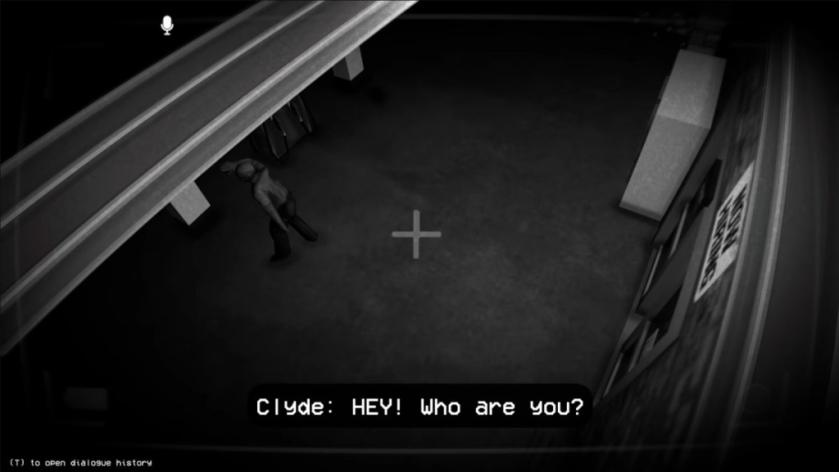
As the player navigates the penultimate night of the game, a pivotal moment arrives. Upon successfully completing the twelfth shift, the option to contact Sheriff Clyde presents itself. This choice is intrinsically linked to the player’s financial standing and their assessment of their ability to afford the pet’s surgery. If the player opts to call Sheriff Clyde, acknowledging their impending financial shortfall, the Sheriff will make an appearance. This intervention, however, comes at a profound personal cost. The game portrays Sheriff Clyde as bravely facing the dangers within the store, ultimately sacrificing his own life. Despite this tragic outcome, the pet’s surgery is successfully covered, and the animal survives, albeit under the shadow of the Sheriff’s sacrifice. This ending highlights a poignant theme of sacrifice and the lengths one will go to for a loved one, even when faced with insurmountable odds.
The Silent Storefront: The Empty Home Ending
In stark contrast to the previous scenario, the "Empty Home" ending is achieved by a different set of choices and circumstances. To trigger this outcome, the player must deliberately refrain from contacting Sheriff Clyde. Furthermore, they must fail to accumulate the necessary $250 to cover the pet’s surgery. In this path, Sheriff Clyde remains safe, as he is not drawn into the perilous environment of the store on the thirteenth shift. However, the absence of the required funds has a devastating impact on the pet. The surgery cannot be performed, leading to the pet’s demise. This ending serves as a stark reminder of the consequences of financial unpreparedness and the potential for loss when critical objectives are not met. It underscores the game’s message that while personal safety is important, the primary goal remains the well-being of the pet.
The Pinnacle of Achievement: The True Ending
The "True Ending" represents the most desirable outcome in Shift at Midnight, a testament to the player’s strategic acumen, resourcefulness, and unwavering dedication. To unlock this coveted conclusion, the player must exhibit a dual commitment: first, by abstaining from contacting Sheriff Clyde, thereby ensuring his safety. Second, and crucially, the player must successfully accumulate the $250 required for the pet’s surgery by the thirteenth night. This involves not only diligent gameplay but also adherence to best practices within the retail simulation aspect of the game.
Drawing parallels to other survival retail simulators, such as HELLMART, success in achieving the True Ending relies heavily on the player’s ability to maintain customer satisfaction. This translates to keeping the store immaculate, ensuring shelves are consistently stocked with merchandise, and strategically decorating the shop floor to enhance the customer experience. Furthermore, diligently fulfilling requests from the Store Manager, which can include apprehending shoplifters or undertaking tasks like clearing debris from the surrounding forest, yields valuable bonuses. These bonuses can significantly expedite the process of accumulating the necessary funds.
The game emphasizes that aggressive tactics, such as shooting customers, are detrimental to financial success, resulting in pay deductions at the end of each shift. Therefore, a meticulous and efficient approach to every aspect of the night’s work is paramount. Maximizing earnings requires a deep understanding of the game’s economic systems and a commitment to operational excellence.
Upon reaching the $250 threshold by night 13, the pet undergoes its surgery and survives. Crucially, Sheriff Clyde, having not been called to the store, also remains unharmed. This dual survival scenario represents the most fulfilling and positive conclusion to the game’s narrative. The developers have intentionally crafted this ending to reward players who demonstrate both compassion for their virtual companion and a mastery of the game’s complex simulation elements. A critical cautionary note accompanies this ending: players must avoid accidentally harming Sheriff Clyde during his potential visit, as this could inadvertently lock them out of the True Ending by removing the option to call him on the final day. The intricate web of cause and effect highlights the delicate balance the player must maintain throughout their tenure.
The Unrealistic Strain: A Deeper Analysis of In-Game Economics
While Shift at Midnight masterfully blends the mundane with the extraordinary, the game’s portrayal of financial challenges, particularly the escalating medical bills, stands out as a surprisingly relatable, albeit exaggerated, element. The daily wage of $10, coupled with a 10% commission on exceeding store quotas, presents a seemingly modest income. However, the astronomical cost of the pet’s surgery, requiring $250, introduces a significant economic hurdle.
To illustrate the scale of this challenge, consider the minimum required earnings from shifts alone. To reach $250 solely through the daily wage would necessitate completing 25 full shifts. However, the game’s narrative unfolds over just 13 shifts, implying that relying solely on the base wage is an insufficient strategy. The 10% commission becomes a critical component, incentivizing players to not only survive but to thrive economically within the simulated retail environment. This mechanic mirrors real-world scenarios where employees often strive for performance-based bonuses to supplement their income.
The game’s narrative context, where a beloved pet requires life-saving surgery, injects an emotional urgency into these financial calculations. Players are not simply managing a virtual business; they are fighting against time and financial limitations to save a creature they have grown to care for. This emotional investment amplifies the impact of the game’s economic challenges, making the pursuit of the $250 target a deeply personal quest. The contrast between the fantastical threats – doppelgangers and entities – and the grounded, relatable stress of veterinary bills creates a unique and compelling gameplay loop. This juxtaposition serves as a subtle commentary on how financial burdens can feel as formidable as any supernatural threat.
Implications and Broader Context
The success of Shift at Midnight in weaving together disparate gameplay elements – survival horror, retail simulation, and financial management – offers a unique perspective on player engagement. The game’s ability to evoke empathy for a virtual pet, while simultaneously challenging players with demanding survival mechanics, demonstrates a sophisticated understanding of narrative design.
The game’s multiple endings further enhance replayability and encourage players to explore different strategies and decision-making paths. This branching narrative structure, dictated by player agency and resource management, aligns with contemporary trends in game development that prioritize player choice and consequence.
Furthermore, the inclusion of a relatable, albeit exaggerated, financial struggle within a fantastical setting may resonate with a broad audience. In a world where the cost of living and healthcare continues to be a significant concern for many, the game’s narrative, even in its absurdity, taps into a shared experience. The "unrealistic" medical bills, in this context, become a point of dark humor and a subtle reflection of real-world anxieties.
The game’s success in balancing intense survival sequences with the quiet tension of financial planning is a testament to its innovative design. As players continue to navigate the perilous aisles of Shift at Midnight, the quest for the True Ending, where both companion and protector survive, remains the ultimate testament to their skill, foresight, and dedication. The game ultimately provides a challenging, yet rewarding, experience that leaves a lasting impression long after the final shift has concluded.