


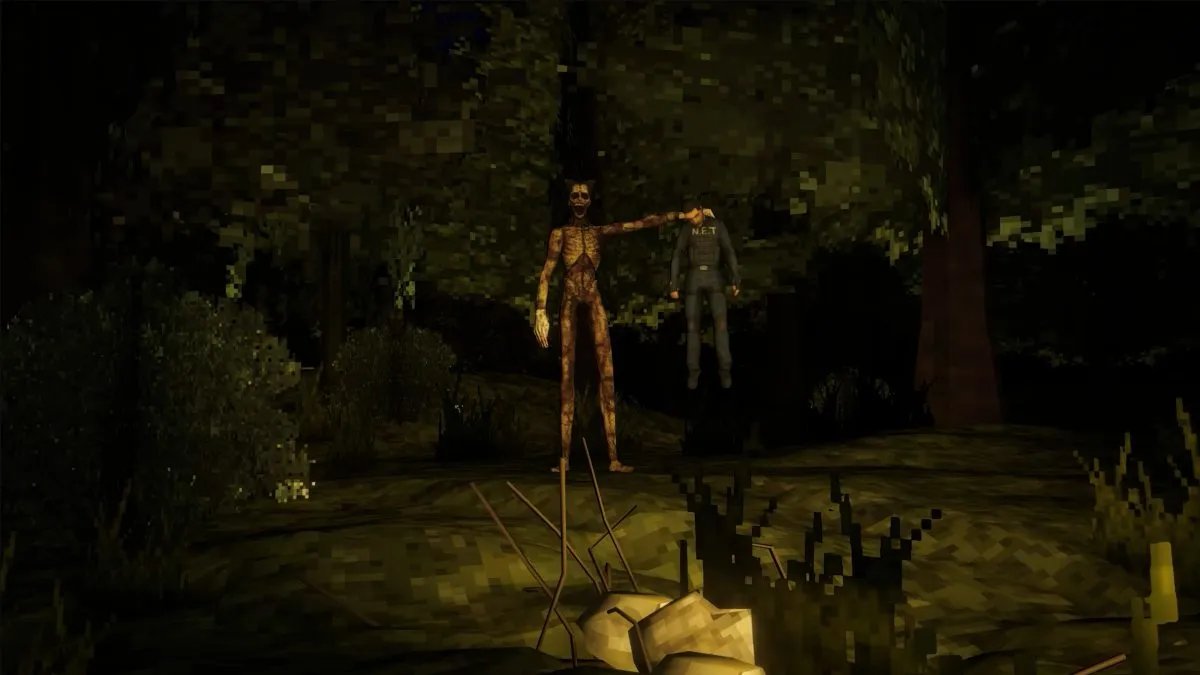
The unsettling reality of doppelgangers and the escalating threat of malevolent entities in the world of Shift at Midnight demand a thorough understanding for survival. This guide aims to equip individuals with the knowledge necessary to identify these insidious imposters, understand the nature of the escalating paranormal threats, and develop effective strategies for navigating increasingly perilous shifts. The very fabric of the game’s narrative suggests a growing instability, where ordinary shifts can rapidly devolve into desperate battles for survival against creatures born from the player’s oversights.
The Escalating Threat: Understanding Doppelgangers and Their Transformation
At the core of the emergent danger in Shift at Midnight lie doppelgangers. These are not mere look-alikes but entities capable of assuming the identity of legitimate customers, posing a direct threat to the player’s safety and the integrity of the operational environment. The primary objective during a shift is to meticulously scrutinize every individual seeking entry, ensuring they are who they claim to be. This process involves a multi-faceted approach to identification, moving beyond superficial resemblance to a deeper examination of verifiable data.
Initial identification hinges on subtle, yet critical, discrepancies. Players are advised to pay close attention to details such as skin tone variance compared to official identification, the presence or absence of specific physical markers like scars, and even the unsettling confirmation of a customer’s deceased status. These are not merely gameplay mechanics but represent a deliberate design to instill a sense of constant vigilance. The game’s designers have engineered scenarios where a seemingly benign interaction can mask a profound danger, mirroring anxieties about identity theft and infiltration in the real world.
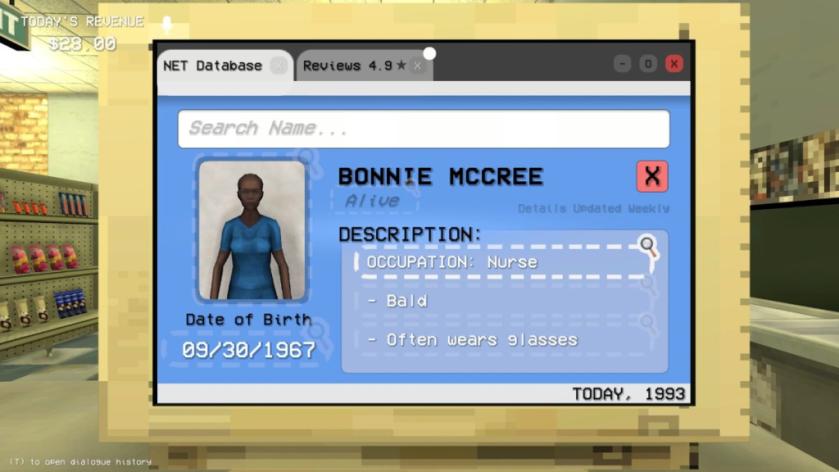
Beyond visual cues, a rigorous interrogation process is paramount. Players must question customers about their date of birth, occupation, and any distinguishing features that should align with their presented identification. The legitimacy of identification documents themselves is a crucial checkpoint. The presence of a barcode serves as a baseline indicator of authenticity, but further verification through digital databases, such as the NET Database, is often necessary. In situations where customers are reluctant to surrender their IDs, the game presents opportunities to acquire and scrutinize these documents through alternative, albeit riskier, means. This introduces an element of strategic risk-reward, where obtaining crucial information might necessitate engaging in actions that carry their own set of dangers.
The inspiration for these doppelganger mechanics appears to draw parallels from established horror tropes and games that explore themes of paranoia and deception, such as That’s Not My Neighbor. The subtle discrepancies in appearance, like a scar being misplaced on a facial feature, are designed to create a creeping sense of unease. The psychological impact of questioning individuals, knowing that a wrong judgment could have dire consequences, is a core element of the Shift at Midnight experience.
The Evolution of Threats: Entities and Their Terrifying Manifestations
The danger does not cease with the identification and apprehension of doppelgangers. In fact, a failure to correctly address a doppelganger can lead to a far more perilous outcome: their transformation into distinct entities. These entities represent a significant escalation in the game’s threat level, often appearing at critical junctures, either at the commencement or during the ongoing progression of a shift. The game’s lore suggests that unresolved doppelgangers become fuel for these monstrous forms, amplifying their power and persistence.
The "Blood Moon" event, a recurring phenomenon within the game’s narrative, is particularly significant as it guarantees the spawning of these entities, transforming the environment into a hunting ground. Venturing outside during or after a Blood Moon is almost certain to trigger an encounter with these supernatural beings. Each entity possesses a unique set of behaviors, visual characteristics, and specific countermeasures that players must learn and adapt to. This necessitates a comprehensive understanding of the entity bestiary, a crucial element for survival.
The Entity Bestiary: A Detailed Breakdown
The game categorizes these threats into several distinct types, each posing a unique challenge:
-
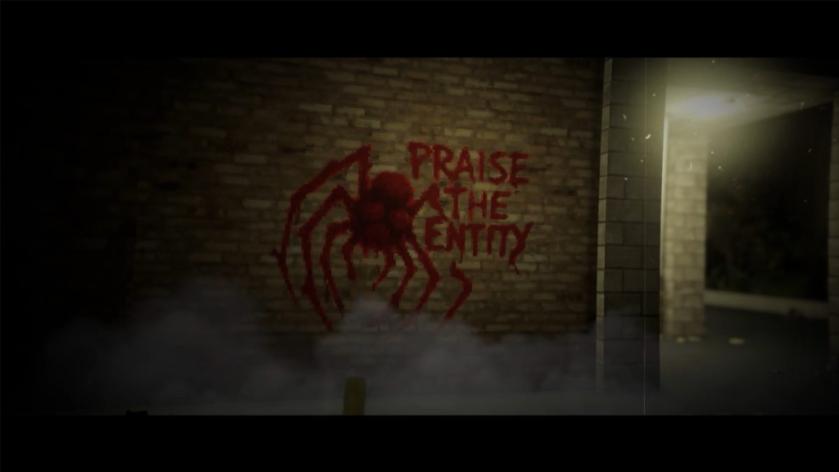
The Entity: This primary antagonist is a spider-like creature that emerges from a human form, sprouting additional limbs and capable of weaving webs. Its presence is often heralded by a "hunt" or during a Blood Moon. Survival against The Entity involves strategic hiding and the eventual utilization of an unlocked Weapons Arsenal. The mechanics surrounding The Entity’s pursuit, including its sight and hearing detection, are crucial for evasion. The "patience bar" serves as a visual indicator of The Entity’s search duration, and a filled "eye" icon signifies the player being in its line of sight, potentially triggering a chase if it turns red. Resetting this meter requires breaking line of sight.
-
Shrieking Doll: These are small, agile entities that crawl along the floor. Their diminutive size and speed make them difficult to target directly. Effective countermeasures include the use of traps and melee weapons to dispatch them.

-
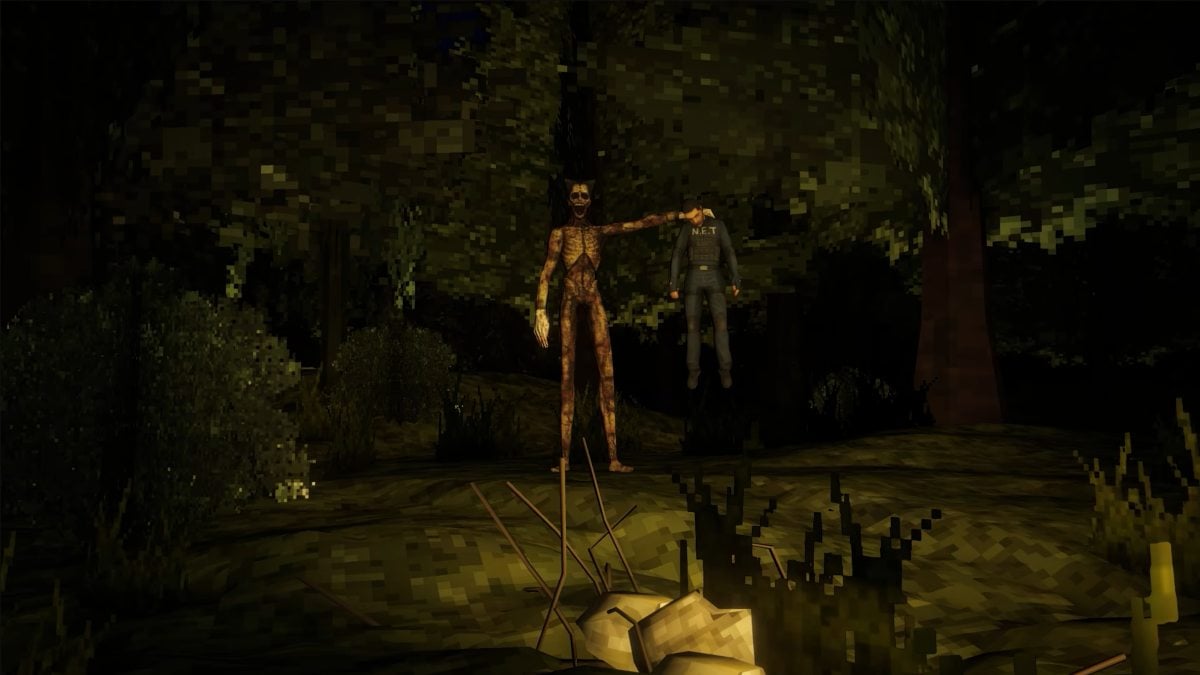
Demented: Characterized by long limbs, this entity exhibits extreme speed when not directly observed. This behavior is reminiscent of iconic horror figures like SCP-173 from SCP: Containment Breach or the Coil Head from Lethal Company. The core mechanic for dealing with the Demented is maintaining constant visual contact; looking away allows it to close the distance rapidly. Luring it into traps is a viable strategy.
-
Marionette: A cloaked, floating figure, the Marionette presents a more ethereal threat. Its appearance is linked to a specific ritualistic element: a music box. Players must locate and rewind this music box on the shop floor before its song concludes for the third time. Failure to do so results in the Marionette’s inevitable spawning.
-
The Dentist: This entity bears a striking resemblance to a corpse that can appear in the break room. Its hunting grounds are extensive, often stalking the surrounding forest and the bus area at the end of a shift. Direct confrontation is ill-advised. Players are advised to run, avoid using open-mic communication, and maintain a backward retreat until the entity abandons its pursuit.
-
Camouflage: As its name suggests, this entity possesses the ability to blend seamlessly with its surroundings, specifically the walls of the stockroom. While its appearance is designed to be a jumpscare, it does not inflict health damage. Neutralizing the Camouflage entity requires direct engagement, such as shooting or striking it.
Navigating the Post-Shift Peril: Barricading and Defense Strategies
The consequences of failing to correctly identify and neutralize doppelgangers during a shift are severe and extend beyond the immediate operational period. If a doppelganger is allowed to leave the premises undetected, it is highly probable that it will return after the shift concludes, often in a more formidable, monstrous form. This transforms the post-shift period into a critical defensive phase.
Upon the conclusion of a shift, if an escaped doppelganger is anticipated, players are granted a brief window of approximately 60 seconds to prepare for the ensuing onslaught. This preparation phase is crucial for survival and involves a multi-pronged defensive strategy. The first step is to arm oneself with available resources. Subsequently, barricading the store’s entry points is essential. This involves reinforcing the three main doors with wooden planks, a process typically initiated by interacting with them using the ‘E’ key.
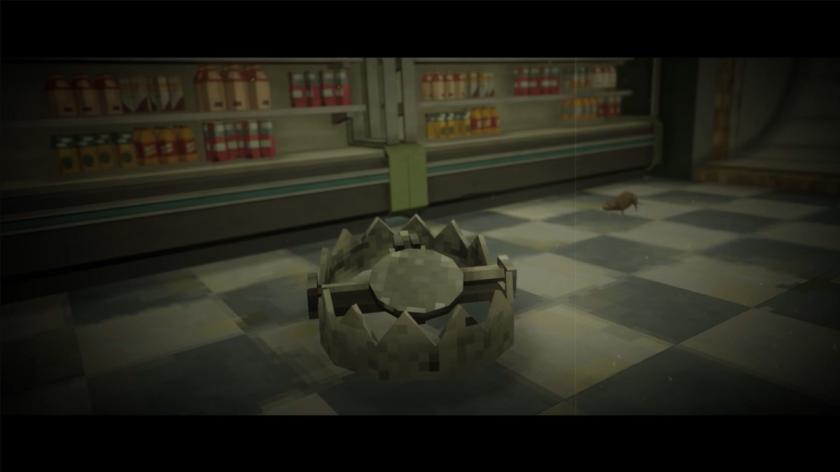
Simultaneously, players are encouraged to "booby trap" the store. This suggests the strategic placement of various contraptions or environmental hazards designed to impede or damage incoming entities. Once the 60-second preparation timer expires, entities will begin to spawn, initiating a period of intense pressure. During this phase, players are often forced to seek refuge in designated hiding spots.
The game incorporates ventilation shafts within the stockroom and shop as potential hiding locations. However, these are not permanent sanctuaries. A relentless threat, described as a "mass resembling innards," can descend through these shafts, inflicting damage and forcing the player back into the open. This mechanic underscores the pervasive nature of the threat and the limited efficacy of conventional hiding places.
The Weapon Arsenal and Combat Mechanics
The availability of the Weapons Arsenal is a significant turning point in surviving entity encounters. Typically, this arsenal becomes accessible after the player has progressed halfway through The Entity’s "patience bar." While firearms offer a means of offense, their damage output is often described as minimal in the initial stages. To overcome more formidable threats, particularly when multiple entities spawn concurrently due to prior failures, players are strongly advised to acquire enhanced weaponry. This can be achieved by purchasing upgrades or specific weapons through the computer interface prior to the shift.
The combat mechanics are designed to be challenging, emphasizing resource management and strategic engagement. Even when damaging an entity, particularly The Entity, it may not be permanently eliminated. Instead, it might retreat, only to return in subsequent nights, potentially with increased resilience and power. This cyclical nature of the threat reinforces the importance of consistent vigilance and proactive identification of doppelgangers during operational shifts.
Broader Implications and Player Experience
The narrative progression in Shift at Midnight suggests an evolving game world where the difficulty and complexity of threats are directly tied to player performance. The randomly generated nature of shifts means that the roster of potential doppelgangers and entities is constantly in flux. This dynamic system ensures replayability and maintains a high level of tension, as players can never become complacent. The return of previously spared customers, whether human or fake, highlights the interconnectedness of actions and consequences within the game’s universe. Their status can change dramatically from one shift to the next, adding an unpredictable element to the player’s decision-making.
The developers’ approach to designing these escalating threats appears to be rooted in creating a sense of growing dread and consequence. The initial, seemingly mundane task of checking IDs gradually morphs into a high-stakes survival horror experience. The game’s mechanics encourage players to develop a keen eye for detail, a strategic mindset, and a willingness to adapt to rapidly changing and increasingly dangerous circumstances. The overarching implication is that in the world of Shift at Midnight, vigilance is not merely a suggestion; it is the fundamental requirement for survival. As players delve deeper into the game, they are not only confronting supernatural entities but also grappling with themes of trust, deception, and the profound consequences of oversight. The constant threat of doppelgangers evolving into more terrifying forms serves as a stark reminder that every decision, no matter how small, can have far-reaching and potentially deadly repercussions.