


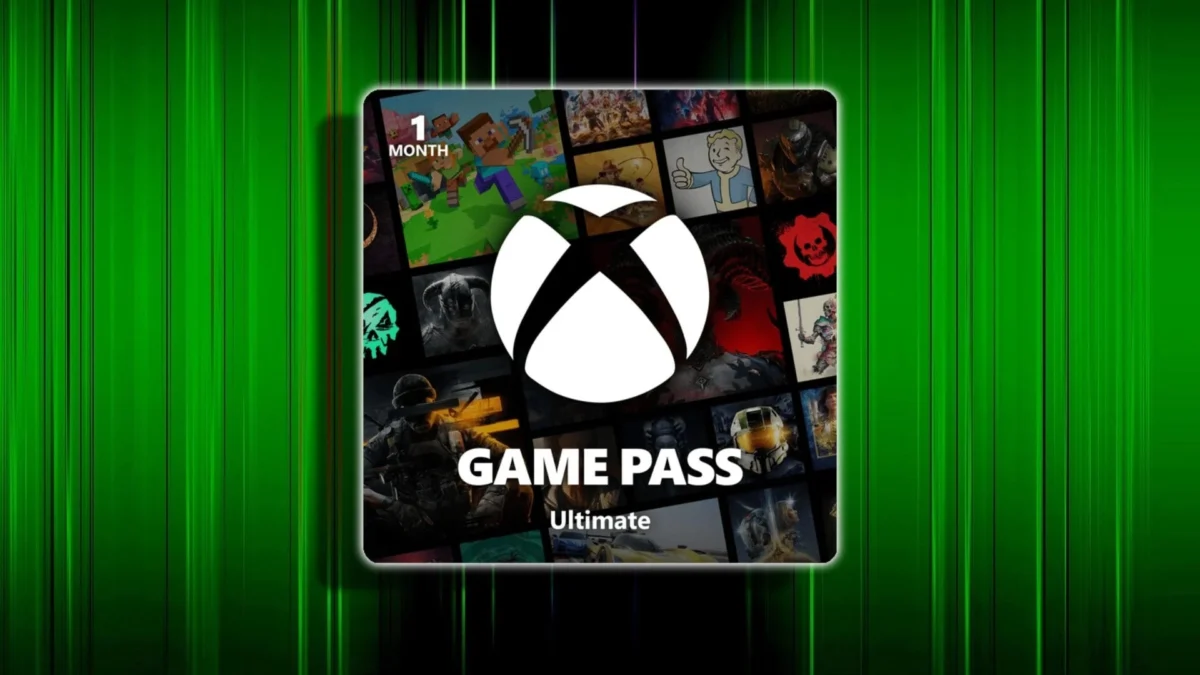
A speculative rumour regarding significant alterations to the Xbox Game Pass service in 2027 has recently gained considerable traction across gaming communities, prompting an official response from Microsoft’s Xbox division. The unverified claims, which suggested a potential cessation of day-one game releases on the service by early 2027 and adjustments to subscription pricing, have been met with both intense discussion and widespread skepticism. Xbox has since clarified that while it continually evaluates its offerings, there are no finalized plans for immediate changes, specifically affirming the continued commitment to previously announced day-one titles for Game Pass Ultimate.
The Genesis of the Rumour: A "Shaky" Foundation
The initial spark for this industry-wide conversation ignited on the gaming forum ResetEra. The rumour was reportedly shared by a moderator on the platform, an individual whose identity remained largely unknown to the broader gaming public. This lack of established credibility immediately placed the rumour in a precarious position, leading many to advise a "massive pinch of salt" when considering its veracity. Despite this inherent uncertainty, the individual responsible for sharing the information asserted a personal policy of only posting "rumors unless they’ve got some meat on the bone." Adding a layer of complexity to the rumour’s shaky foundation, well-known industry leaker NateTheHate lent some credibility to the source, suggesting that the ResetEra moderator had a verifiable track record of accurate predictions in the past. This endorsement, however limited, was enough to push the rumour into the spotlight and initiate wider discussion among gamers and industry observers.
The specific claims put forth by the anonymous source were notably vague but pointed to several significant shifts for Xbox Game Pass starting in 2027. Chief among these was the assertion that Xbox Game Pass would cease offering "day one games" as early as February to April 2027. This particular claim immediately raised eyebrows, given that numerous first-party and third-party titles, such as the highly anticipated State of Decay 3 and Senua, have already been explicitly announced for day-one availability on Xbox Game Pass within that very timeframe. Cancelling such established commitments would represent a dramatic and unprecedented reversal of strategy for Microsoft.
Beyond the day-one content, the rumour also alluded to changes in Game Pass pricing tiers. One specific detail mentioned was a purported reduction of Game Pass Ultimate by a "measly $3 per-month," which the rumour oddly linked to the proposed removal of day-one new games. The overall vagueness of these pricing adjustments, coupled with the absence of specific mentions of established tiers like "Essential," "Premium," "Ultimate," or "PC," further contributed to the skepticism surrounding the claims. The imprecision of the language and the internal inconsistencies suggested a lack of detailed insight, prompting many to question the rumor’s substance despite its viral spread across social media platforms.
Xbox’s Official Stance: Clarification Amidst Speculation
In response to the growing wave of speculation and concern generated by the rumour, Xbox moved to address the situation officially. On September 15th, 2026, an update was provided indicating that Xbox had commented on the rumour, reaching out to Forbes writer Paul Tassi via a spokesperson. This proactive communication aimed to quell anxieties and provide clarity regarding the future of their flagship subscription service.
The official statement from Xbox was carefully worded, emphasizing their ongoing strategic approach while refuting immediate changes. The spokesperson articulated: "We regularly test different Game Pass offerings and look at what works best for players in different markets. We don’t have any changes to announce today or plans that have been finalized. There are no changes to previously announced games coming to Game Pass Ultimate on day one."
This statement serves several critical functions. Firstly, it acknowledges the dynamic nature of their service, confirming that Xbox is indeed "regularly testing different Game Pass offerings." This implies a continuous evaluation process, which is standard practice for any large-scale subscription service operating in a competitive market. It does not, however, confirm or deny the specific nature of any tests related to the rumour. Secondly, the phrase "no changes to announce today or plans that have been finalized" is a standard corporate response that maintains flexibility for future strategic decisions without confirming current rumours. It definitively states that nothing is set in stone at present. Crucially, the final clause directly addresses one of the most contentious points of the rumour: "There are no changes to previously announced games coming to Game Pass Ultimate on day one." This provides a firm reassurance to subscribers and developers alike that existing commitments for titles slated for day-one release on Game Pass in 2027, such as State of Decay 3 and Senua, remain unaffected. These titles are not just distant possibilities but concrete announcements, with State of Decay 3 having confirmed a new release window and closed beta plans in August 2026, and Senua having been revealed in June 2026 for a 2027 launch. This reiteration helps to mitigate immediate concerns about the value proposition of Game Pass for the upcoming year.
The Broader Context of Xbox Game Pass
To fully appreciate the gravity of such a rumour, it is essential to understand the strategic importance of Xbox Game Pass to Microsoft’s gaming division. Launched in June 2017, Game Pass has evolved from a nascent idea into the cornerstone of Xbox’s ecosystem and a major disruptor in the video game industry. Its fundamental premise – offering a rotating library of games for a single monthly fee – resonated strongly with consumers. Over the years, it expanded significantly, incorporating day-one releases of all first-party Xbox Game Studios titles, a selection of new third-party games, and eventually integrating Xbox Cloud Gaming (xCloud) into its top-tier offering, Game Pass Ultimate.
Microsoft’s investment in Game Pass is colossal, reflecting a long-term vision to shift gaming consumption habits towards a subscription-based model, mirroring the success seen in music and video streaming. By early 2024, Xbox Game Pass had reportedly surpassed 34 million subscribers, demonstrating its considerable market penetration and appeal. This subscriber base is not just a revenue stream but a crucial part of Microsoft’s strategy to expand its gaming audience beyond traditional console sales, reaching PC gamers and mobile users through cloud streaming. The value proposition for consumers is undeniable: access to a vast library of hundreds of games, including new AAA titles, without the need for individual purchases. This model significantly lowers the barrier to entry for trying new games and franchises, fostering a broader gaming experience.
The success of Game Pass has also had a profound impact on the competitive landscape. It spurred Sony to revamp its PlayStation Plus service, introducing tiered subscriptions that closely mirror some of Game Pass’s features, albeit without the same consistent day-one first-party commitment. This competitive pressure underscores the market influence wielded by Game Pass and explains why any rumour pertaining to fundamental changes to its core offerings garners immediate and intense scrutiny. For Microsoft, Game Pass is not merely a product; it is a strategic platform designed to drive hardware sales, software engagement, and foster a robust, interconnected gaming community across devices.

The Economic Realities and Strategic Challenges of Subscription Services
Operating a service like Xbox Game Pass comes with significant economic complexities and strategic challenges. The model relies on a delicate balance between content acquisition costs, subscriber growth, and retention rates. Offering day-one releases, particularly for AAA titles, represents a substantial financial investment. For first-party games, Microsoft foregoes immediate full-price sales to drive Game Pass subscriptions, betting on long-term engagement and ecosystem growth. For third-party games, securing day-one deals involves lucrative agreements with publishers, effectively paying them for the privilege of immediate Game Pass inclusion. These costs are immense and are a constant point of discussion among industry analysts regarding Game Pass’s long-term profitability.
Companies like Microsoft regularly experiment with pricing tiers and content offerings for several reasons. Market dynamics are constantly shifting, influenced by competitor actions, consumer spending habits, and the perceived value of the service. As content libraries grow and technology evolves (e.g., cloud gaming), the optimal pricing structure may change. The goal is always to maximize Average Revenue Per User (ARPU) while continuing to attract new subscribers and retain existing ones. This often involves introducing new tiers that cater to different segments of the market – perhaps a more affordable tier with fewer perks, or a premium tier with exclusive benefits like early access or enhanced cloud streaming capabilities.
The notion of altering the "day one games" strategy, as suggested by the rumour, touches upon the most sensitive aspect of Game Pass’s appeal. While the official statement has reassured subscribers about previously announced titles, any future shift away from a robust day-one strategy would inevitably lead to questions about the service’s long-term value. The challenge for Microsoft is to maintain Game Pass as an attractive proposition without incurring unsustainable content costs. This balancing act involves continuous negotiation with developers, strategic acquisitions, and a deep understanding of what subscribers value most.
Analyzing the "Day One Games" Speculation
The speculation surrounding the potential cessation of "day one games" is perhaps the most critical element of the recent rumour, as it strikes at the core of Game Pass’s unique selling proposition. The ambiguity in the original rumour – whether it referred to all day-one games or specifically third-party day-one deals – is a crucial distinction. It is highly improbable that Microsoft would completely abandon day-one releases for its own first-party titles, as this is a fundamental pillar of its Game Pass strategy, designed to make Xbox consoles and the Game Pass subscription indispensable. The company has invested billions in acquiring studios like ZeniMax Media (Bethesda) and Activision Blizzard primarily to bolster its first-party content pipeline for Game Pass.
However, a potential re-evaluation of third-party day-one deals is a more conceivable scenario. While these deals provide immense value to Game Pass subscribers and offer significant exposure to developers, they are also costly. Microsoft might strategically choose to be more selective with these third-party acquisitions, perhaps focusing on titles that fill specific genre gaps, have high anticipated engagement, or are from studios with whom they have deeper partnerships. This would not equate to "dropping day one games" entirely but rather refining the acquisition strategy for external content. The existing confirmations for 2027 titles like State of Decay 3 and Senua for day-one Game Pass inclusion directly contradict the rumour’s claim of a complete halt, further underscoring the unlikelihood of such a drastic, across-the-board change for first-party titles.
From a developer’s perspective, day-one Game Pass deals offer a trade-off. While they provide guaranteed revenue and massive exposure to a large subscriber base, they might also cannibalize direct sales. The decision for a developer to participate in a day-one Game Pass deal is complex, weighing immediate financial security against potential long-term sales. If Microsoft were to reduce its investment in third-party day-one deals, it could potentially shift the landscape for smaller and independent developers looking for exposure, though it could also encourage more direct sales for those not on the service. The industry has seen similar shifts in other subscription models, where premium content might eventually transition to the service but not always immediately upon release.
Potential Future Scenarios and Industry Implications
While Xbox’s official statement provides immediate reassurance, it does not preclude the natural evolution of Game Pass in the years to come. Subscription services are inherently dynamic, adapting to market trends, technological advancements, and consumer feedback. It is entirely plausible that Game Pass could introduce more nuanced tiers, for instance. A "Premium Plus" tier might offer early access to select titles or exclusive in-game content, while a more streamlined "Essential" tier might focus on a core library without day-one new releases, catering to different budget points and consumption habits. Such an evolution would be a strategic expansion, not a retraction, of the service.
Microsoft’s content strategy will undoubtedly continue to be a key area of focus. This involves not only acquiring new titles but also investing heavily in its first-party studios to produce high-quality, exclusive content that drives Game Pass subscriptions. The integration of cloud gaming, particularly with the continued expansion of xCloud, will also play a pivotal role in Game Pass’s future, potentially enabling broader accessibility on more devices and in new markets.
Any significant adjustments to Game Pass, whether related to pricing, content, or features, would inevitably be met with a strong market response. Subscribers are highly sensitive to perceived changes in value, especially if a core offering like day-one access to new games were to be significantly altered. Such changes could influence subscriber retention and acquisition rates, impacting Microsoft’s financial performance in the gaming sector. Furthermore, competitors like Sony will be closely watching any strategic moves by Xbox, potentially adapting their own subscription offerings in response. The long-term vision for Xbox, articulated by leadership figures like Phil Spencer, consistently emphasizes Game Pass as central to its strategy of reaching billions of players globally. This overarching goal suggests that while the service may adapt and evolve, its fundamental commitment to delivering value through a diverse game library and accessible gaming experiences is likely to remain unwavering.
In conclusion, the recent rumour regarding drastic changes to Xbox Game Pass in 2027, while generating considerable buzz, has been largely dismissed by official Xbox channels, at least concerning immediate and previously announced commitments. While the gaming industry’s landscape is ever-changing and subscription services are constantly refined, the current messaging from Microsoft points towards a stable and committed approach to its flagship service for the foreseeable future, particularly regarding the availability of day-one titles. The incident underscores the pervasive nature of speculation in the digital age and the critical role of official communication in maintaining consumer confidence within the rapidly evolving world of video game subscriptions.