


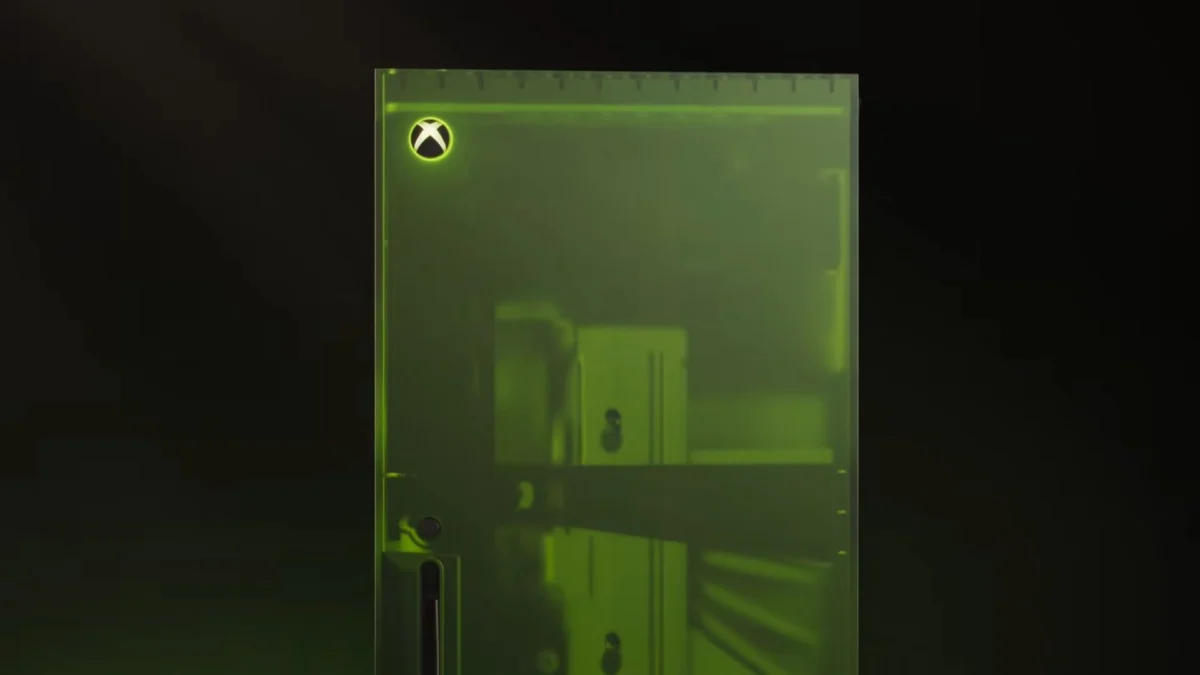
The highly anticipated launch of the Xbox Series X25 Limited Edition console has, as widely predicted by industry analysts and consumer groups, quickly fallen prey to opportunistic scalpers, with units appearing on secondary markets at grossly inflated prices. Despite Microsoft’s publicly stated intentions and implemented strategies to combat this persistent issue, genuine fans are once again facing the frustration of seeing a coveted product marked up by thousands of dollars and pounds within hours of its official pre-order availability. This immediate market distortion underscores the ongoing challenge for manufacturers in managing high-demand, limited-edition releases in an era dominated by instant online resale platforms.
The Genesis of a Limited Edition: Microsoft’s Proactive Stance
The journey towards the Xbox Series X25 Limited Edition began with Microsoft acknowledging the pervasive problem of scalping that plagued previous console generations, notably the initial launches of the PlayStation 5 and Xbox Series X/S in 2020. Back in June, the tech giant signaled its commitment to ensure that "scalpers don’t ruin" the release of this special anniversary console. This public declaration was met with cautious optimism by the gaming community, which has grown weary of bots and bulk buyers siphoning off limited stock, only to resell it at exorbitant premiums.
Microsoft’s primary strategy to mitigate scalping involved implementing an early access window, designed to reward and prioritize its most loyal fanbase. This system aimed to create a protective layer, allowing dedicated enthusiasts to secure their console before the wider public release, theoretically reducing the pool of available units for speculative buyers. The criteria for defining a "loyal fan" were not formally disclosed, leading to some ambiguity and subsequent frustration among a segment of the community who felt they met the unstated qualifications but did not receive an invitation.
A Swift Unveiling and Rapid Market Reaction: A Chronology of Events
The pre-order process unfolded rapidly over the past two days. Yesterday, Microsoft initiated the early access phase by sending out emails to a selected cohort of users, granting them an exclusive opportunity to pre-order the Xbox Series X25 Limited Edition console. This staggered approach was intended to manage demand and provide a smoother experience for the prioritized group. Following this, wider public pre-orders were officially opened earlier today, making the console available to a broader audience through various retail channels.
However, the effectiveness of these measures was almost immediately challenged. Within hours of both the early access window and the wider public release, reports began to surface across social media and online forums detailing the presence of the special edition console on resale platforms. Screenshots and links quickly circulated, showcasing listings with price tags ranging from thousands of dollars in the United States to thousands of pounds in the United Kingdom. These figures represent a significant markup over the console’s official retail price, often exceeding 300% or even 400% in some instances, effectively pricing out many genuine consumers. The swiftness of this market reaction, despite Microsoft’s stated intentions, highlights the persistent and sophisticated nature of modern scalping operations.

The Anatomy of Scalping: A Persistent Threat to Consumer Fairness
The phenomenon of scalping, particularly prevalent in the high-demand electronics and collectibles markets, is a complex issue driven by a combination of artificial scarcity and speculative profit motives. Scalpers leverage a variety of tools and tactics, including automated bots designed to rapidly purchase items at lightning speed, often bypassing human-centric CAPTCHA tests and online queuing systems. They also frequently employ multiple accounts and payment methods to circumvent per-customer purchase limits imposed by retailers.
Once acquired, these units are then listed on secondary market platforms such as eBay, StockX, and various specialized online forums. The pricing strategy employed by scalpers is often aggressive, capitalizing on the "fear of missing out" (FOMO) among consumers and the intrinsic desire for limited-edition items. This creates an immediate spike in aftermarket prices, distorting the true market value and creating an unfair advantage for those who exploit the system.
Historically, console launches have been particularly susceptible to this issue. The PlayStation 5 and Xbox Series X/S launches in late 2020 saw unprecedented levels of scalping, with units consistently reselling for double or even triple their retail price for months after release. This trend was also observed with highly sought-after graphics cards, collectible sneakers, and even concert tickets. The economic impact is not merely financial; it erodes consumer trust, fosters resentment towards manufacturers and retailers, and creates a perception that access to desirable products is controlled by a select, exploitative few.
Microsoft’s Strategy Under Scrutiny: Analysis and Inferred Responses
While Microsoft’s intention to combat scalpers with the early access window was laudable, its execution and efficacy are now subject to critical analysis. The ambiguity surrounding the "loyal fan" criteria is a significant point of contention. Without clear guidelines, many long-time Xbox enthusiasts who dedicate significant time and financial resources to the ecosystem felt unfairly overlooked. Potential criteria could have included factors like Gamerscore, duration of Xbox Live Gold or Game Pass subscriptions, volume of digital game purchases, or even participation in community programs. The lack of transparency in this selection process inadvertently fueled speculation and disappointment among those who did not receive an invitation.
Furthermore, the immediate appearance of consoles on resale sites raises questions about potential loopholes or exploitation within the early access system itself. While some early access recipients may have genuinely intended to purchase for themselves, it is plausible that a subset of these "loyal fans" might have succumbed to the temptation of quick profit, effectively becoming scalpers themselves. Alternatively, sophisticated bot networks could have found ways to infiltrate even the invite-only system, further complicating Microsoft’s efforts.
While Microsoft has not issued a specific statement regarding the immediate aftermarket activity surrounding the Xbox Series X25 Limited Edition, their prior communications underscore a commitment to fair distribution. Industry observers suggest that the company likely views these initial scalping attempts as an unfortunate, yet anticipated, byproduct of high demand for a limited product. Their challenge now lies in continually refining their distribution models and potentially collaborating with resale platforms to deter such practices.

Broader Implications for the Gaming Industry and Consumer Trust
The ongoing battle against scalpers has far-reaching implications for the entire gaming industry. For consumers, the recurring cycle of anticipation, rapid sell-out, and immediate price gouging leads to significant frustration and can erode brand loyalty. Many genuine fans are left feeling exploited and marginalized, forced to either pay exorbitant prices or miss out entirely on products they genuinely desire. This sentiment can translate into decreased engagement with future limited-edition offerings, or even a general sense of fatigue with the consumer electronics market.
Retailers, who are often caught in the crossfire, face immense operational challenges. They must implement and enforce purchase limits, manage complex online queues, and deal with a barrage of customer complaints related to bot activity and rapid stock depletion. The technical infrastructure required to withstand sophisticated bot attacks is substantial, representing an ongoing investment for online retailers.
Looking forward, manufacturers like Microsoft may need to explore even more robust anti-scalping measures. These could include:
- Enhanced Identity Verification: Implementing stricter KYC (Know Your Customer) protocols, potentially linking purchases to verified personal IDs or digital profiles with extensive purchase histories.
- Lottery Systems: Moving away from a first-come, first-served model towards a randomized lottery for limited stock, giving everyone an equal chance.
- In-Person Pickup: While less convenient in the digital age, requiring in-person pickup with ID verification could deter some online-focused scalpers.
- Increased Production (where feasible): For some "limited" editions, a slightly larger production run might help satisfy more genuine demand, though this could dilute the exclusivity factor.
- Collaboration with Resale Platforms: Pressuring or collaborating with major resale platforms to implement stricter policies against extreme price gouging, potentially delisting items that exceed a certain percentage over MSRP. However, this raises complex questions about free market principles and platform liability.
The demand for limited edition consoles like the Xbox Series X25 is inherently high, driven by a blend of collector appeal, unique aesthetics, and the potential for future value appreciation. This intrinsic scarcity, coupled with the "fear of missing out," creates a perfect storm for scalpers. The immediate depletion of stock, as evidenced by reports that "stock is running out pretty quickly," further exacerbates the problem, solidifying the aftermarket as the only immediate avenue for many eager buyers.
In conclusion, while Microsoft made a commendable effort to protect its loyal fanbase from the predatory practices of scalpers with the Xbox Series X25 Limited Edition, the initial rollout demonstrates the enduring power and adaptability of these market manipulators. The immediate appearance of consoles at grossly inflated prices serves as a stark reminder that the battle for fair access to high-demand products is far from over. The ongoing challenge for manufacturers will be to innovate beyond current anti-scalping measures, ensuring that limited-edition releases primarily reach the genuine enthusiasts for whom they are intended, rather than becoming tools for speculative profit. The integrity of the collector’s market and consumer trust in future launches hinges on finding more effective solutions to this pervasive problem.