


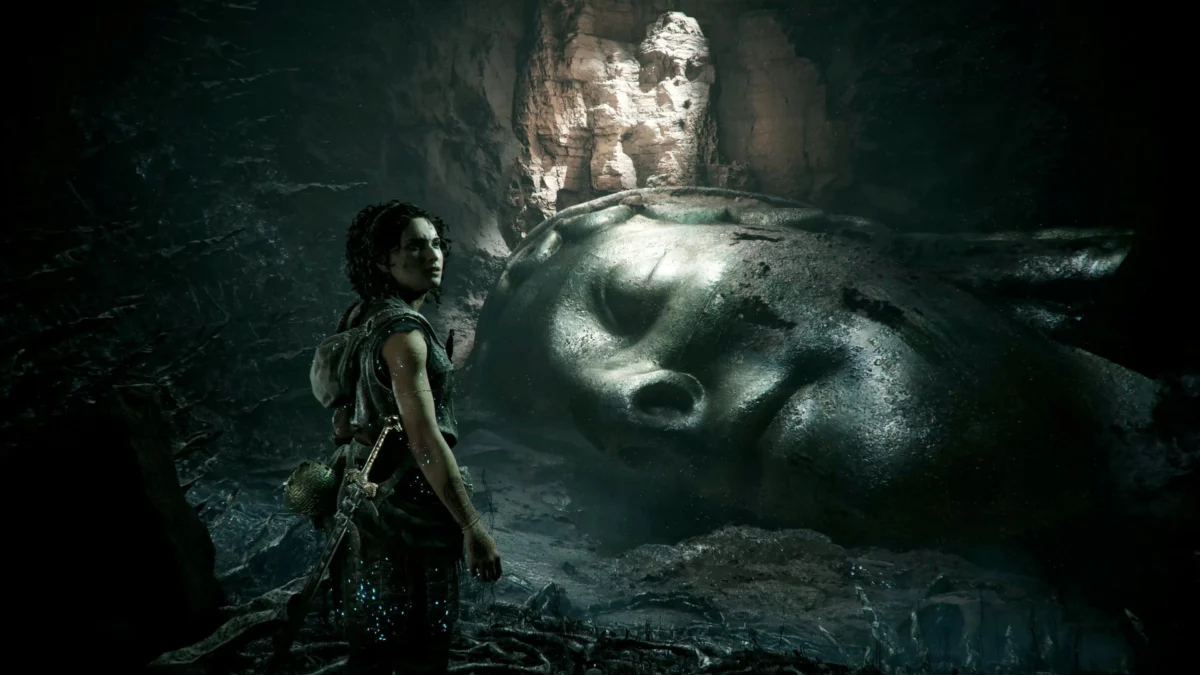
The highly anticipated prequel, Resonance: A Plague Tale Legacy, officially launched yesterday on Xbox Game Pass Ultimate and PC Game Pass, immediately becoming the latest major addition to Microsoft’s popular subscription services. Its arrival marks a significant moment for fans of the acclaimed A Plague Tale series and for Xbox’s strategy of delivering day-one access to new titles. Within the initial 24 hours of its release, the game has already begun to generate considerable buzz among the gaming community, prompting early assessments and discussions regarding its narrative, gameplay, and overall fidelity to the established universe.
The Legacy of A Plague Tale: A Brief Chronology
The A Plague Tale saga, developed by the French studio Asobo Studio and published by Focus Entertainment, has carved out a unique niche in the action-adventure genre through its distinctive blend of historical fiction, grim survival horror elements, and deeply emotional storytelling. The series began with A Plague Tale: Innocence, which launched in May 2019. Set in 14th-century France amidst the Hundred Years’ War and the devastating Black Death, Innocence introduced players to the harrowing journey of Amicia and her younger brother Hugo de Rune. Amicia, a resourceful teenager, must protect Hugo, who possesses a mysterious connection to the swarms of plague-carrying rats that terrorize the landscape. The game garnered widespread critical acclaim for its compelling narrative, atmospheric setting, stealth-focused gameplay, and the poignant bond between its protagonists. Its success established Asobo Studio as a noteworthy developer capable of crafting deeply immersive and emotionally resonant experiences.
Building on this foundation, A Plague Tale: Requiem was released in October 2022. This sequel continued Amicia and Hugo’s desperate struggle for survival, expanding on the narrative and evolving the gameplay mechanics. Requiem was praised for its stunning visual fidelity, enhanced action sequences, and a story that delved deeper into the mystical origins of Hugo’s affliction and the devastating consequences of their journey. Both titles were lauded for their ability to weave a personal, intimate story against a backdrop of historical catastrophe, often drawing comparisons to critically acclaimed narrative-driven games for their character development and world-building. The series collectively has sold millions of copies worldwide, establishing it as a significant intellectual property for Focus Entertainment and Asobo Studio, proving that a focus on strong storytelling and unique mechanics can resonate deeply with a global audience.
Resonance: A Plague Tale Legacy – Unveiling the Prequel
The announcement of Resonance: A Plague Tale Legacy as a prequel generated considerable excitement, offering the promise of exploring the origins and events that preceded Amicia and Hugo’s saga. Prequels often serve to deepen the lore of an established universe, provide context for character motivations, or introduce new perspectives on familiar conflicts. For A Plague Tale, a prequel could delve into the initial outbreaks of the Black Death, the mysterious lineage of the de Rune family, or the broader socio-political climate that set the stage for the events of Innocence. While specific plot details remain closely guarded to preserve the experience for new players, the very nature of a prequel in this universe suggests a narrative rich with historical detail and unsettling developments.
Asobo Studio, known for its meticulous attention to detail and ability to craft immersive environments, has reportedly invested significant resources into ensuring Resonance upholds the high standards set by its predecessors. The development process for a prequel often involves a delicate balance: it must feel fresh and innovative while remaining true to the thematic and mechanical core of the series. This includes expanding on existing gameplay elements like stealth, puzzle-solving, and the use of light and fire against the rat swarms, while potentially introducing new characters, abilities, or environmental challenges that precede the events players are familiar with. The expectation for Resonance has been that it would not only expand the lore but also refine the gameplay experience, offering a more "confident" and evolved iteration of the A Plague Tale formula, as indicated by early reviews.
The Strategic Impact of Day-One Game Pass Inclusion

The immediate availability of Resonance: A Plague Tale Legacy on Xbox Game Pass Ultimate and PC Game Pass from day one is a cornerstone of Microsoft’s evolving strategy in the competitive gaming landscape. Xbox Game Pass, which boasts a subscriber base reportedly exceeding 30 million individuals globally, offers a compelling value proposition: a vast library of games accessible for a monthly subscription fee. For players, this means the ability to dive into new, high-profile releases like Resonance without an additional upfront purchase, significantly reducing the barrier to entry. This accessibility often translates into a larger initial player base for new titles, fostering vibrant online communities and discussions from the outset.
From the perspective of developers and publishers like Asobo Studio and Focus Entertainment, a day-one Game Pass launch offers a unique blend of benefits and strategic advantages. While the financial specifics of such agreements are proprietary, they typically involve an upfront payment from Microsoft, providing a guaranteed revenue stream that mitigates some of the risks associated with game development and launch. More importantly, Game Pass provides an unparalleled platform for exposure. A title released on Game Pass immediately reaches millions of potential players who might not otherwise have purchased it at full price. This broad reach can lead to increased brand recognition for the A Plague Tale series, potentially driving sales of previous titles or merchandise, and cultivating a larger, more engaged fan base for future installments. It also provides an excellent opportunity for "discovery," allowing players to try games they might have overlooked, thus broadening their gaming horizons.
Microsoft, in turn, strengthens the value proposition of Game Pass with each major day-one release. These titles act as "tentpole" attractions, drawing in new subscribers and retaining existing ones. The inclusion of critically acclaimed, narrative-driven experiences like A Plague Tale also diversifies the Game Pass library, appealing to a wider spectrum of gamers beyond those interested solely in multiplayer or first-party titles. It reinforces Xbox’s commitment to offering a curated selection of quality games, further solidifying its position as a dominant player in the subscription service model.
Initial Critical Reception and Community Engagement
Following its launch, Resonance: A Plague Tale Legacy has quickly begun to accumulate critical praise. Notably, Pure Xbox awarded the game an "Excellent" 9/10, a strong endorsement for a new title in a beloved series. The review highlighted the game’s evolution of the established formula, stating, "Resonance: A Plague Tale Legacy is the most confident game in the series in almost every way. It takes the foundations laid by its predecessors and evolves the IP into a fantastic action-adventure. Its story doesn’t carry the same sense of mystery, and you may piece together where it’s heading, but even so, it’s still an unsettling and deeply emotive tale." This suggests that while the prequel might offer a different narrative structure or a more predictable plot trajectory due to its nature, it maintains the emotional depth and atmospheric quality that defined its predecessors.
The review’s emphasis on the game’s confidence and evolution points to Asobo Studio’s efforts to refine both the narrative delivery and gameplay mechanics. Moving towards a "fantastic action-adventure" suggests an expanded scope for player agency and combat encounters, potentially offering more dynamic stealth opportunities or even direct confrontation options compared to the more purely survival-horror-stealth approach of Innocence. The continuation of an "unsettling and deeply emotive tale" confirms that the core thematic elements—humanity’s struggle against overwhelming odds, the bonds forged in adversity, and the psychological toll of survival—remain central to Resonance.
Beyond official reviews, the immediate post-launch period is crucial for developers and publishers to gauge community sentiment. The practice of inviting players to share their "first impressions" through polls and comment sections, as observed with Resonance, is a standard and effective method for collecting direct feedback. This immediate player input provides invaluable data, offering insights into player satisfaction, identifying potential areas for improvement, and understanding how the game resonates with both long-time fans and newcomers. It allows the development team to quickly assess whether their creative vision aligns with player expectations and helps shape potential post-launch support and future updates. These community discussions often highlight specific gameplay moments, narrative beats, or technical performance aspects that are particularly impactful for players, offering a qualitative layer to complement quantitative sales or engagement metrics.
Narrative and Gameplay Evolution in Resonance
The core of the A Plague Tale series lies in its compelling narrative and unique blend of stealth, puzzle-solving, and light combat. Resonance: A Plague Tale Legacy, as a prequel, had the challenging task of expanding this universe while maintaining its established identity. The critical consensus, as exemplified by the Pure Xbox review, indicates that Asobo Studio has largely succeeded in this endeavor. The description of Resonance as "the most confident game in the series" implies a developer at the peak of its craft, leveraging past experiences to deliver a more polished and assured product.

The evolution into a "fantastic action-adventure" suggests that the gameplay loop in Resonance might be more dynamic and varied. While stealth remains a foundational element, the introduction of more robust action components could mean expanded combat options, more complex environmental puzzles that require active manipulation, or even larger-scale set pieces. This shift, if executed well, could prevent the series from becoming formulaic, offering players new ways to interact with its dangerous world. The original games were often praised for their tension and the feeling of vulnerability; Resonance likely maintains this tension while giving players more tools or strategic options to navigate threats.
Furthermore, the game’s ability to deliver an "unsettling and deeply emotive tale," even if its overarching direction is somewhat predictable for those familiar with the series’ future events, underscores the strength of Asobo Studio’s storytelling capabilities. Prequels often face the challenge of generating suspense when the ultimate outcome is known. Overcoming this requires a focus on character development, thematic depth, and the exploration of new, emotionally resonant subplots or historical details. Resonance appears to achieve this by delving into the human element of suffering and resilience within its grim historical context, potentially exploring the origins of the plague’s mysticism or the initial desperation of a world engulfed by pestilence. This emotional core is what has consistently elevated the A Plague Tale series beyond a mere stealth game, transforming it into a poignant commentary on humanity’s capacity for both cruelty and compassion.
Broader Implications and Future Outlook
The successful launch of Resonance: A Plague Tale Legacy on Xbox Game Pass carries significant implications for Asobo Studio, Focus Entertainment, and the broader gaming industry. For Asobo, it solidifies their reputation as a studio capable of delivering high-quality, narrative-driven experiences that resonate with a global audience. The positive reception of Resonance will undoubtedly bolster confidence in their creative direction and potentially pave the way for further expansions within the A Plague Tale universe or the development of entirely new intellectual properties. Their expertise in crafting immersive worlds, demonstrated not only in A Plague Tale but also in their work on Microsoft Flight Simulator, positions them as a versatile and technically proficient developer.
For Focus Entertainment, Resonance represents a continuation of a successful franchise, reinforcing their portfolio of unique and critically acclaimed titles. The Game Pass deal ensures maximum exposure for the game, potentially converting new players into long-term fans of their published works. The strategy of launching on a subscription service from day one is becoming an increasingly vital component of a publisher’s release plan, balancing immediate revenue from platform holders with long-term brand building and community engagement.
Looking ahead, the success of Resonance could influence the future trajectory of the A Plague Tale series. While the story of Amicia and Hugo found a definitive conclusion in Requiem, the rich historical setting and the underlying lore of the Prima Macula and the rats offer ample opportunities for further exploration through prequels, spin-offs, or even stories set in different historical periods or geographical locations touched by similar afflictions. The robust engagement observed with Resonance suggests a strong appetite for more content within this dark, compelling universe.
Moreover, the continued integration of major third-party titles like Resonance into Xbox Game Pass reinforces the shifting landscape of game distribution and consumption. Subscription services are no longer just a repository for older titles but are now central to the launch strategies of many new releases. This trend is likely to continue, offering players unprecedented access to a diverse range of games while challenging traditional sales models and influencing development cycles. Resonance: A Plague Tale Legacy stands as a testament to the evolving dynamics of the gaming industry, where narrative excellence meets strategic platform integration to deliver expansive experiences to a global audience.