


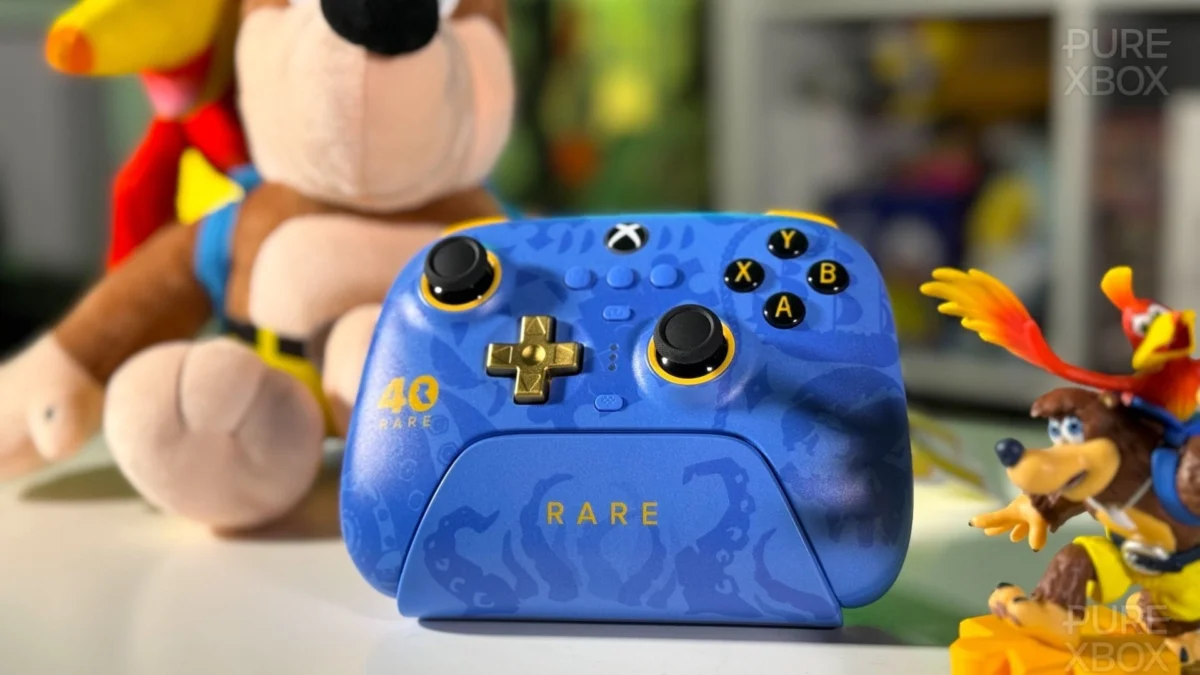
The recent announcement of legendary studio Rare’s transition to report directly to Activision, rather than remaining under the Xbox Game Studios banner, marks a significant strategic realignment within Microsoft’s expansive gaming division. Effective immediately, this structural change, revealed as part of a broader Xbox reorganization in late 2026, has ignited considerable discussion across the industry, highlighting Microsoft’s evolving approach to its vast portfolio of development talent and intellectual property. While Rare remains an Xbox-owned studio, with financial flows continuing to benefit Microsoft, the shift in reporting structure to Activision implies a deeper integration into the latter’s operational framework, potentially reshaping the future trajectory of the iconic British developer.
The Strategic Reorganization at Xbox and Its Broader Context
The transition of Rare did not occur in isolation but was a key component of a comprehensive reorganization announced by Xbox earlier in the week. This restructuring effort reportedly included significant operational adjustments and workforce reductions, with reports indicating approximately 286 job cuts across various Xbox studios and divisions. Such sweeping changes are often indicative of a corporate mandate to streamline operations, enhance efficiency, and strategically reallocate resources to better align with overarching business objectives. For Microsoft, a company that has invested billions into expanding its gaming footprint, these moves reflect a calculated effort to optimize its substantial investments, particularly following the colossal acquisition of Activision Blizzard King. The decision to place Rare under Activision’s direct purview is therefore understood as a move to leverage the newly acquired publisher’s extensive operational capabilities, development methodologies, and market-focused strategies. This consolidation aims to foster greater synergy across the diverse studio landscape under the Microsoft umbrella, potentially leading to more focused development, streamlined project management, and a more aggressive approach to intellectual property utilization.
Rare’s Unique Trajectory and Microsoft’s Vision
Rare has long been described as a "unique studio" within Microsoft’s portfolio, a sentiment echoed in industry reports. Its distinct identity stems from a storied history of innovation, genre-defining titles, and a reputation for creative excellence. Acquired by Microsoft in 2002 from Nintendo, Rare was a cornerstone of Xbox’s strategy to bolster its first-party development capabilities and provide exclusive content to differentiate its console offerings. Over two decades later, the studio remains a pivotal, albeit sometimes enigmatic, entity. The move to Activision, therefore, is not merely an administrative reshuffle but a fundamental re-evaluation of how Microsoft intends to harness Rare’s creative potential and extensive intellectual property catalog. It signals a potential shift from a more independent, experimental studio model to one integrated within a larger, more structured publishing framework, driven by Activision’s proven track record in managing large-scale development and market delivery.
A Legacy of Innovation: From Nintendo to Xbox
Founded in 1985, Rare’s legacy is unparalleled in video game history, marked by a remarkable period of success during its partnership with Nintendo. During the 1990s and early 2000s, Rare developed some of the most critically acclaimed and commercially successful titles for Nintendo consoles, including the groundbreaking Donkey Kong Country series, the genre-defining first-person shooters GoldenEye 007 and Perfect Dark, and the beloved platformers Banjo-Kazooie and Conker’s Bad Fur Day. These titles not only pushed technical boundaries but also cultivated a distinct artistic style and a reputation for unparalleled craftsmanship.
When Microsoft acquired Rare in 2002 for an estimated $375 million, it was hailed as a major coup for the nascent Xbox brand. The acquisition was intended to infuse Xbox with a proven hit-making studio, bolstering its first-party offerings against established competitors. Rare’s initial contributions to the Xbox ecosystem included launch titles like Grabbed by the Ghoulies (2003), followed by more critically acclaimed titles such as Perfect Dark Zero (2005), Kameo: Elements of Power (2005), and the charming Viva Piñata (2006) series. While these games demonstrated Rare’s continued creative prowess, some critics and fans felt that the studio struggled to recapture the universal acclaim and commercial dominance of its Nintendo-era output.
More recently, Rare achieved significant success with Sea of Thieves, an online multiplayer pirate adventure launched in 2018. The game has garnered a dedicated player base and has been a decent success for Xbox, evolving significantly through continuous updates and expansions. However, recent reports from The Game Business suggest that its growth has been declining over the last few years, necessitating a strategic re-evaluation of Rare’s portfolio and future direction. This context is crucial for understanding the current organizational shift, as Microsoft seeks to maximize the potential of its studios amidst evolving market dynamics and increasing competition.
The Activision Blizzard King Integration and Its Ripple Effects
The backdrop to Rare’s transition is the monumental $69 billion acquisition of Activision Blizzard King by Microsoft, which officially concluded in October 2023. This acquisition fundamentally reshaped the global gaming landscape, bringing iconic franchises like Call of Duty, Warcraft, Candy Crush, Crash Bandicoot, and Spyro the Dragon under the Xbox umbrella. With Activision Blizzard King came a vast network of development studios, a robust publishing infrastructure, and unparalleled expertise in managing large-scale, live-service games and revitalizing classic intellectual properties.
The integration of such a massive entity inevitably leads to internal restructuring across the parent company. Microsoft’s decision to move Rare under Activision’s reporting structure can be seen as a logical step to leverage these newly acquired capabilities. Activision boasts a highly efficient publishing arm with deep experience in marketing, distribution, and product lifecycle management. By placing Rare under Activision, Microsoft is likely aiming to streamline Rare’s project pipeline, provide more focused development goals, and potentially accelerate the release of new titles, ensuring they align more closely with market trends and commercial viability. This move could also empower Rare with access to Activision’s advanced technical resources, quality assurance protocols, and global market insights, which might have been less directly accessible under the broader Xbox Game Studios umbrella.
Operational Shifts and Project Evaluation
The immediate implications of this reporting structure change are already being felt at Rare. While the studio remains an Xbox-owned entity, reporting directly to Activision means that the latter will have significant oversight over Rare’s operational decisions, project evaluations, and resource allocation. Industry analysts suggest that this shift is designed to create greater accountability and align Rare’s output with Activision’s strategic priorities, which often emphasize large-scale, commercially successful franchises.
A report from The Game Business highlighted that Rare is currently working on "other projects" beyond Sea of Thieves, none of which are publicly known. The video version of this report explicitly states that "it will be down to Activision to decide whether those projects continue." This indicates that an evaluation process is either underway or imminent, where Activision’s leadership will assess the viability, market potential, and strategic fit of Rare’s ongoing developments. This level of oversight suggests a more hands-on approach from the publisher, a departure from what might have been a more creatively autonomous environment under the direct Xbox Game Studios banner. For Rare, this could mean a pivot in creative direction for existing projects or even the cancellation of those deemed not aligned with Activision’s portfolio strategy.
The Fate of "Other Projects" and Everwild’s Shadow
The uncertainty surrounding Rare’s "other projects" is amplified by the studio’s recent history with Everwild. This highly anticipated title, first announced in 2019, was reportedly canceled in 2025 after facing significant development challenges and a lack of clear creative direction. The cancellation of Everwild led to some redundancies within Rare, though the studio reportedly mitigated the impact by reducing outsourcing and reassigning staff to Sea of Thieves. The experience with Everwild underscores the challenges even established studios face in developing new intellectual property, and it likely informs Activision’s cautious approach to evaluating Rare’s current endeavors.
Under Activision’s new management, projects will likely undergo rigorous scrutiny based on established metrics for market potential, development timelines, and projected profitability. This could be a double-edged sword for Rare: while it might lead to more commercially viable games, it could also stifle some of the experimental creativity that has defined parts of Rare’s legacy. The pressure to deliver tangible results and align with a broader publishing strategy will be paramount.
Activision’s Expertise in IP Revival: The Banjo-Kazooie Question
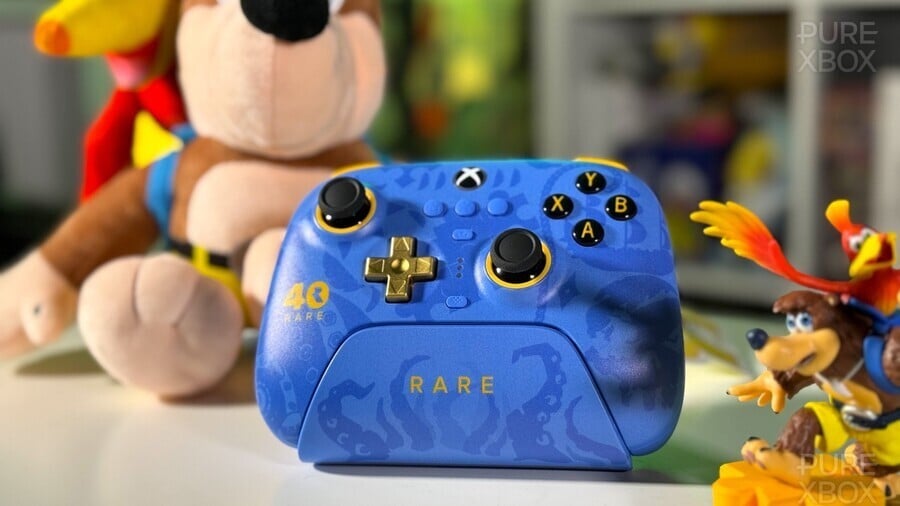
One of the most exciting, yet speculative, implications of Rare’s move to Activision is the potential for the revival of dormant intellectual properties, particularly Banjo-Kazooie. Industry observers have long clamored for a return to the beloved platforming franchise, and Activision has a strong track record in successfully remaking and re-releasing classic titles. The publisher achieved immense success with the Crash Bandicoot N. Sane Trilogy (2017) and the Spyro Reignited Trilogy (2018), both of which were critical and commercial triumphs, demonstrating Activision’s ability to respectfully update classic games for modern audiences.
Given this history, the prospect of Activision greenlighting a new Banjo-Kazooie title or a remastered collection is a topic of intense speculation among fans and analysts. The original article highlights that there are more Rare games available on Evercade systems than on Steam, a peculiar observation that underscores the underutilization of Rare’s vast back catalog. Activision’s expertise in leveraging nostalgia and executing high-quality remakes could be the catalyst needed to bring Banjo-Kazooie back to prominence, potentially appealing to both long-time fans and a new generation of players. Such a move would not only be a commercial win but also a significant cultural event for the gaming community.
Financial and Creative Implications for Rare
From a financial perspective, Microsoft’s decision to place Rare under Activision’s wing is likely driven by a desire for greater efficiency and maximized return on investment. Activision’s operational model is geared towards delivering consistent, high-performing titles, and applying this framework to Rare could lead to more predictable development cycles and stronger market performance. The reported "few cuts to Rare’s central operations team" following the Activision move also points to an immediate effort to streamline administrative functions and eliminate redundancies, further underscoring the drive for operational efficiency.
Creatively, the implications are more complex. While Activision’s oversight might bring a more structured approach to development and clearer objectives, there is always a risk that creative autonomy might be curtailed. Rare has a history of developing unique, often quirky, games, and the challenge will be to maintain that distinctive identity within a more commercially driven publishing environment. The hope among fans and industry insiders is that Activision will recognize and nurture Rare’s unique strengths, allowing the studio to continue crafting innovative experiences while benefiting from a robust publishing and marketing apparatus. The potential for a renaissance of Rare’s classic IPs, alongside new and exciting projects, remains a strong possibility if the partnership is managed effectively.
Broader Industry Impact and Future Outlook
Rare’s transition within Microsoft’s gaming empire serves as a microcosm of larger trends in the video game industry: consolidation, the relentless pursuit of efficiency, and the strategic leveraging of intellectual property. As major publishers continue to acquire vast portfolios of studios, the integration and optimization of these assets become paramount. This move could set a precedent for how Microsoft manages other studios acquired through the Activision Blizzard King deal or even its existing Xbox Game Studios.
The future of Rare under the Activision banner will be closely watched. Its success, or lack thereof, will provide valuable insights into Microsoft’s long-term strategy for its gaming division. If Activision can effectively harness Rare’s creative talent, revitalize its classic IPs, and deliver commercially successful new titles, it will validate Microsoft’s strategic reorganization. Conversely, if the partnership leads to a loss of Rare’s unique identity or a string of commercially disappointing titles, it could raise questions about the wisdom of such extensive corporate restructuring. Whatever the outcome, the gaming world is keenly awaiting to see if this new chapter will finally allow Rare to consistently deliver the "amazing games" it is renowned for and fully tap into its incredible legacy in the years to come.