


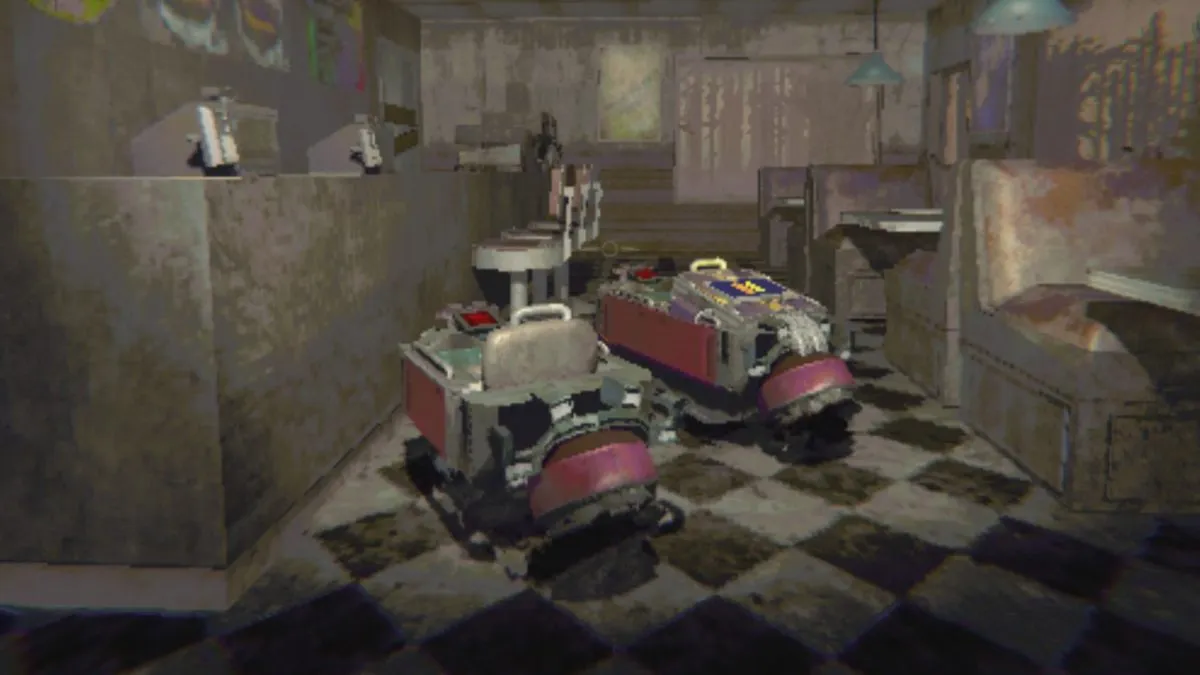
The latest update to the post-apocalyptic survival game R.E.P.O., the "Cosmetics Update" released on May 7th, has injected a significant dose of vehicular mayhem and strategic utility into its already challenging world. Beyond the titular cosmetic enhancements, the update introduces a novel "Mario Kart-like" mode that crowns the "King of the Losers" through competitive racing, and more critically, integrates two distinct vehicle types into the core gameplay loop: the Scout and the Hauler. These additions dramatically alter how players navigate the monster-infested decrepit landscapes, transforming mundane traversal into a high-stakes, Tokyo Drift-inspired experience where survival hinges on mastering these new machines.
A New Era of Mobility: The Scout and the Hauler Emerge
Prior to the May 7th update, R.E.P.O. players primarily relied on their own two feet and strategic use of environmental cover to evade the game’s numerous threats, ranging from the common Gnomes and Rugrats to more formidable foes like the Apex Predator and Elsa. The introduction of the Scout and the Hauler marks a significant paradigm shift, offering players unprecedented mobility and strategic options, albeit with their own set of vulnerabilities. These vehicles are designed for solo operation, featuring a single-seat configuration, which suggests a focus on individual player agency and risk-reward scenarios.
The Scout: Agile Evasion and Tactical Diversion
The Scout, a compact scooter that hugs the ground, is primarily characterized by its exceptional speed and maneuverability. Its low profile allows it to outmaneuver a majority of the game’s pursuers, making it an ideal tool for rapid reconnaissance and quick escapes. Players can leverage the Scout to scout ahead for valuable cosmetic boxes, a key objective for those engaging with the update’s cosmetic features, or to pinpoint monster spawn locations without directly engaging. Furthermore, the Scout’s agility makes it an effective distraction vehicle; players can lure monsters away from critical objectives or teammates, creating windows of opportunity for more vulnerable players.
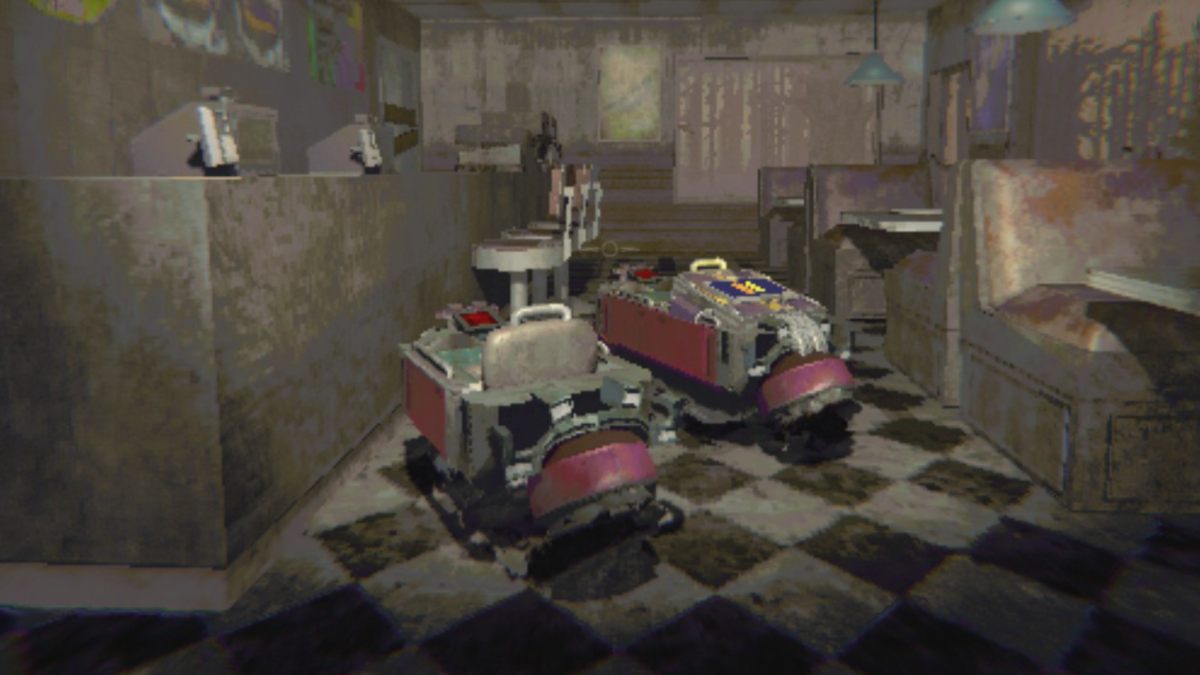
However, the Scout’s offensive capabilities are severely limited. Unlike the previously available C.A.R.T. variations, which allowed for the integration of weaponry, the scooters are incapable of mounting cannons or any form of direct combat apparatus. Crucially, players cannot wield items while operating either the Scout or the Hauler, leaving them vulnerable if a monster closes the distance. The Scout’s low stance also means it cannot traverse gaps or holes in the terrain, a potential pitfall that can lead to its destruction. Even the autopilot’s drifting mechanic, while useful for navigation and accumulating boost, can pose a risk, particularly in later-game levels where environmental hazards and enemy density increase. The risk becomes apparent as early as level five, indicating that mastering vehicle control is a crucial survival skill.
The Hauler: Fortified Looting and Secure Extraction
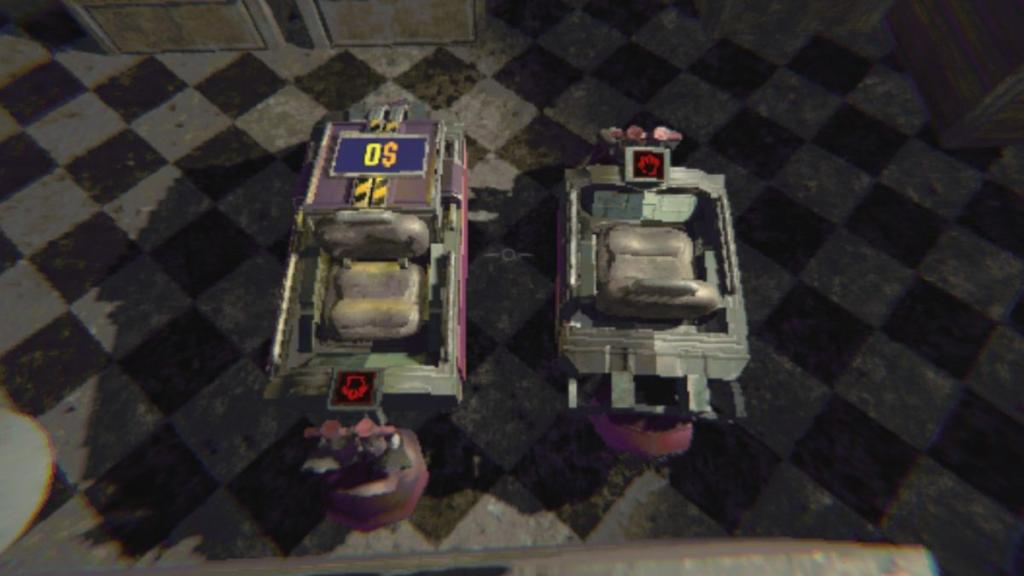
The Hauler shares the Scout’s agile driving dynamics but introduces a critical utility for resource management. Its defining feature is a rear compartment designed to carry "Valuables," the in-game currency and collectible items essential for progression and meeting extraction quotas. This compartment can store up to $20,000 in Valuables, indicated by a full compartment meter. The strategic advantage of the Hauler lies in its ability to transport these items directly to any Extraction Point, significantly reducing the risk of losing accumulated loot to monster attacks, such as those from Gnomes and Animals, during the perilous journey to an extraction zone. This offers a substantial advantage for players who prefer a less confrontational approach to resource gathering.
Both vehicles, despite their utility, are susceptible to destruction. While they can inflict damage on smaller enemies when utilizing their boost function, it is strongly advised to prioritize smaller targets like Gnomes, Rugrats, Chefs, and Headgrabs. Attempting to ram larger, more formidable creatures such as the Apex Predator or Elsa can be counterproductive, potentially triggering their aggressive attack patterns. Even faster enemies like the Tick and Upscream can pose a threat from their forward positions.
Vehicle Mechanics: Boosting, Drifting, and Damage Mitigation
The core mechanic for offensive capability in both vehicles is the "boost." This accumulated energy is primarily generated through the drifting mechanic, allowing players to engage in hit-and-run tactics against smaller monsters or to gain a speed advantage for evasion. To enter a vehicle, players interact with a hand icon, similar to the one used for boarding the C.A.R.T. Once inside, forward propulsion is managed with the "W" key, while "A" and "D" are used for steering and initiating drifts. Continuous holding of the hand icon simulates steering, allowing for precise control and boost accumulation.
A significant gameplay advantage is the ability for both scooters to pass through doors, enabling players to scout and navigate enclosed spaces without dismounting. Exiting a vehicle is achieved by jumping out of a "tumbled state," suggesting a recovery mechanic after a minor collision or instability.
The durability of the vehicles is a key differentiator. While the Hauler is generally more robust than the Scout, their longevity is significantly influenced by the damage they sustain rather than simply the duration of their use. This implies that strategic driving and avoidance of direct confrontation are paramount for maintaining vehicle operational status. Both vehicles can be repaired at designated "Charging Stations" using "Energy Crystals," a resource that players must actively seek out within the game world.
Cost and Functionality: A Detailed Breakdown
The acquisition of these new vehicles comes at a cost, reflecting their strategic importance. The Scout is priced between $20,000 and $24,000 in in-game currency. Its primary functions are scouting, distraction, and locating monster spawns. The Hauler, with its enhanced carrying capacity, commands a higher price, ranging from $44,000 to $48,000. Its main utility lies in its ability to transport Valuables, offering a secure method for players to manage their loot without expending hotbar slots or risking direct combat.
| Vehicle | Cost | Function |
|---|---|---|
| Scout | $20-24K | Compact scooter that drives low to the ground, capable of outsprinting most monsters pursuing you. Excels at scouting ahead for cosmetic boxes, distracting entities, and locating monster spawns. |
| Hauler | $44-48K | A durable scooter that holds up to $20K in Valuables by dragging and dropping items into its back compartment. If you’re not one to go around fighting monsters, this scooter offers movement and storage without costing what’s equipped in your hotbar. |
The "King of the Losers" Mode: A Competitive Twist
The R.E.P.O. Cosmetics Update also introduces a competitive racing mode, playfully dubbed the "Mario Kart-like" mode. This mode directly addresses the question of who is the "King of the Losers," implying a humorous and potentially chaotic competition where players race against each other. While details on the specific mechanics and tracks of this mode are still emerging, the inclusion of racing as a core gameplay element suggests a significant expansion of the game’s entertainment value beyond its survival-centric roots. This mode, separate from the core PvE gameplay, provides an arena for players to test their driving skills and strategic use of vehicles in a direct, competitive environment. The integration of racing mechanics into a game primarily focused on survival and resource management is a bold move, potentially appealing to a broader player base and offering a fresh perspective on the game’s existing mechanics.
Broader Implications for R.E.P.O. Gameplay
The introduction of these vehicles has several implications for the R.E.P.O. meta. Players will need to adapt their strategies to account for the enhanced mobility and risk mitigation offered by the Scout and Hauler. The cost of these vehicles suggests they are intended as mid-to-late game investments, requiring players to prioritize resource gathering and survival to afford them.
The distinction between the Scout’s evasive capabilities and the Hauler’s cargo capacity creates a clear choice for players based on their immediate needs and playstyle. This also opens up new avenues for cooperative play, where one player might use a Scout to draw enemy attention while another uses a Hauler to safely extract valuable loot. The vulnerability of the vehicles to destruction and the need for repairs also introduce a new layer of resource management and strategic decision-making, forcing players to consider the maintenance costs and potential loss of their invested assets.
Furthermore, the integration of these vehicles into the game world, particularly their ability to navigate through doors and interact with the environment in new ways, suggests that future updates may introduce more complex environmental puzzles or objectives that leverage vehicular mechanics. The success of this update will likely be measured not only by player adoption of the vehicles but also by how they fundamentally alter the established gameplay loop and the emergent strategies players develop. The "Cosmetics Update" has thus become much more than a visual overhaul; it is a foundational shift in how players will experience and survive the harsh realities of the R.E.P.O. universe.