


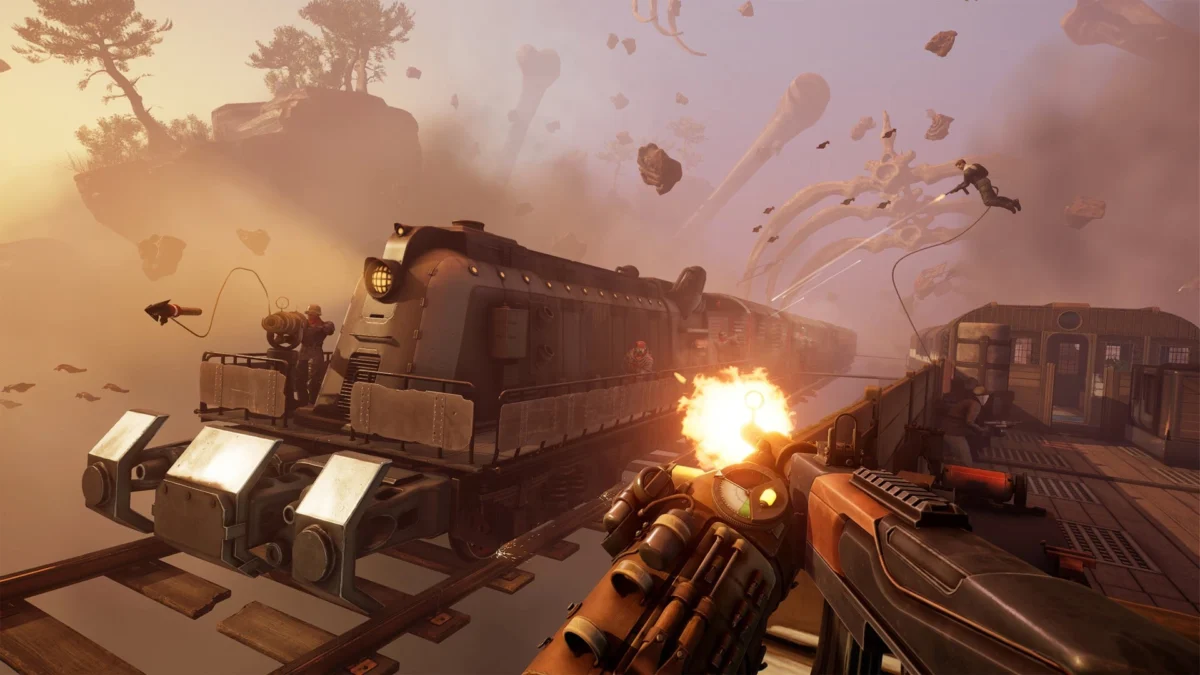
Anticipation is already building among Xbox Game Pass subscribers regarding which titles may depart the esteemed service in November 2026. While Microsoft maintains its characteristic discretion, typically providing only a two-week notice period for game removals, industry analysts and dedicated community observers can often project potential departures by examining historical trends in content acquisition and retention. These predictions, though not official confirmations, offer valuable insights into the dynamic lifecycle of games within the Game Pass ecosystem and allow players to prioritize their gaming schedules.
Understanding Xbox Game Pass: A Strategic Overview
Xbox Game Pass, often dubbed the "Netflix of gaming," stands as a cornerstone of Microsoft’s strategy in the fiercely competitive video game industry. Launched in June 2017, the subscription service has evolved significantly, offering subscribers access to a rotating library of hundreds of games across Xbox consoles, PC, and cloud streaming. Its strategic importance lies not only in generating recurring revenue but also in driving hardware sales, fostering engagement with the Xbox platform, and providing a powerful distribution channel for both first-party titles and a curated selection of third-party games.
The service’s value proposition is undeniable: for a monthly fee, players gain immediate access to new Xbox Game Studios releases on day one, alongside a diverse collection of established hits and independent gems. This model has proven highly attractive, contributing to a substantial and growing subscriber base, which Microsoft last officially reported to be over 25 million in January 2022, with subsequent unofficial estimates suggesting continued growth. The continuous influx and efflux of games are central to maintaining the library’s freshness and perceived value, encouraging subscribers to explore new titles while also creating a sense of urgency around popular games that might eventually leave the service.
The Mechanics of Content Rotation: Why Games Leave
The departure of games from Xbox Game Pass is a regular, albeit often lamented, aspect of its operational model. This rotation is primarily driven by contractual agreements between Microsoft and third-party publishers and developers. These agreements typically have a defined duration, often set for one or two years, after which they are subject to renegotiation. Several factors influence whether a game stays, leaves, or returns at a later date:
- Contractual Expiry: The most common reason. Initial deals secure a game for a specific period.
- Performance and Engagement: Microsoft continuously analyzes data on how much a game is played, its impact on subscriber acquisition and retention, and its overall contribution to the platform’s ecosystem. Games that no longer meet certain engagement thresholds might not have their contracts renewed.
- Publisher Strategy: Publishers may choose not to renew a Game Pass deal to focus on direct sales, especially if a game has a strong evergreen appeal or is part of a franchise that generates significant revenue through direct purchases or sequels.
- Cost-Benefit Analysis: Renewing a Game Pass contract involves a new financial agreement. Both Microsoft and the publisher weigh the cost of inclusion against the potential benefits (exposure, new player acquisition, revenue share).
- First-Party vs. Third-Party: First-party titles from Xbox Game Studios (e.g., Halo, Forza, Gears of War) are generally permanent additions to Game Pass. However, the vast majority of the library comprises third-party games, which are inherently subject to rotation.
Microsoft’s policy of announcing departures approximately two weeks in advance, while often criticized by players desiring more lead time, reflects the dynamic nature of these negotiations. It is not uncommon for deals to be extended at the eleventh hour, leading to games being removed from the "leaving soon" list, underscoring the fluidity of the content pipeline. This short notice period, while frustrating for some, also serves to create a sense of urgency, potentially prompting subscribers to play a game they might otherwise overlook or even purchase it outright before it disappears.
Analyzing the November 2026 Predictions: A Closer Look at Potential Departures
Based on the typical one-year and sometimes two-year lifecycle of games on Xbox Game Pass, a comprehensive list of titles added in November 2024 and November 2025 provides a strong indicator of potential departures in November 2026. It is crucial to reiterate that these are informed predictions and not confirmed removals.
Potential Departures from November 2024 Additions (Two-Year Stays):
- Starcraft Remastered (PC) & Starcraft 2 (PC) – Joined November 5, 2024: These Blizzard Entertainment titles, cornerstones of real-time strategy, were significant additions to PC Game Pass. The "seems unlikely" tag attached to their potential departure is noteworthy. Given the enduring popularity and competitive scene of the Starcraft franchise, and the broader integration of Activision Blizzard into Microsoft, it’s plausible that these titles could secure extended stays or even become permanent fixtures on PC Game Pass, similar to other first-party offerings. Their presence enhances the perceived value of PC Game Pass significantly.
- Spyro: Reignited Trilogy (Console, PC, Cloud) – Joined November 12, 2024: This beloved platformer collection from Activision (now Microsoft-owned) also carries an "unlikely" tag for departure. The Spyro trilogy offers family-friendly appeal and nostalgic value. Like Starcraft, its status as an Activision Blizzard title post-acquisition could grant it a longer, potentially indefinite, tenure on Game Pass, making its departure less probable after a two-year run.
- Nine Sols (Console, PC, Cloud) – Joined November 26, 2024: A 2D action-platformer with a unique aesthetic, Nine Sols might represent a more typical third-party agreement. After two years, its departure would align with standard contract durations for titles that are not mega-hits or first-party properties.
- Aliens: Dark Descent (Console, PC, Cloud) – Joined November 27, 2024: This tactical squad-based action game based on the iconic Alien franchise was well-received. Its potential departure after two years would also fit the common contractual pattern for third-party games, especially those that have had their initial wave of subscriber engagement.
Potential Departures from November 2025 Additions (One-Year Stays):
This list primarily comprises titles that would be completing a standard one-year Game Pass cycle, a very common duration for third-party agreements.
- 1000xResist (Series X|S, PC, Cloud) – Joined November 4, 2025: An indie title, often benefiting immensely from Game Pass exposure. Its departure after a year would be standard.
- Football Manager 26 (Console, PC, Cloud) – Joined November 4, 2025: The Football Manager series is a consistent presence on Game Pass, with new iterations often joining annually. While the specific FM26 might leave, it’s highly probable that Football Manager 27 would take its place, maintaining the franchise’s presence.
- Dead Static Drive (Console, PC, Cloud) – Joined November 5, 2025: An indie horror title, likely benefiting from a one-year stint.
- Egging On (Series X|S, PC, Cloud) – Joined November 6, 2025: Another indie title, marked as "seems unlikely" to leave. This could suggest a smaller indie studio with a more flexible or longer-term agreement, or perhaps a lower cost of retention for Microsoft.
- Voidtrain (Series X|S, PC, Cloud) – Joined November 7, 2025: A unique survival crafting game, typical of the diverse indie offerings on Game Pass.
- Great God Grove (Series X|S, PC, Cloud) – Joined November 11, 2025: Another indie title, likely following the one-year trend.
- Lara Croft and the Temple of Osiris (Console, PC, Cloud) – Joined November 11, 2025: A classic action-adventure title, distinct from the main Tomb Raider series. Its inclusion and potential departure reflect the broad range of titles Game Pass seeks to offer.
- Pigeon Simulator (Series X|S, PC, Cloud) – Joined November 11, 2025: A quirky, niche title, ideal for the "try before you buy" nature of Game Pass.
- Relic Hunters Legend (Console, PC, Cloud) – Joined November 12, 2025: A co-op looter-shooter, which could have a dedicated, but perhaps smaller, player base.
- Winter Burrow (Console, PC, Cloud) – Joined November 12, 2025: Likely an indie narrative or exploration game.
- CloverPit (Series X|S, PC, Cloud) – Joined November 20, 2025: Another indie title.
- The Crew Motorfest (Console, PC, Cloud) – Joined November 20, 2025: A significant racing title from Ubisoft, tagged as "seems unlikely" to leave. Ubisoft has a separate subscription service (Ubisoft+), and its titles occasionally appear on Game Pass. A longer stay for The Crew Motorfest could indicate a strategic partnership between Microsoft and Ubisoft, potentially mirroring deals seen with other major publishers.
- Total Chaos (Series X|S, PC, Cloud) – Joined November 20, 2025: A potentially smaller or indie-developed title.
- Banishers: Ghosts of New Eden (Console, PC, Cloud) – Joined November 25, 2025: A narrative-driven action RPG from Focus Entertainment and DON’T NOD. A critically acclaimed title, its departure after a year would be a significant loss for subscribers, highlighting the temporary nature of many popular third-party games.
- Kill It With Fire! 2 (Console, PC, Cloud) – Joined November 25, 2025: A quirky indie game known for its unique premise.
Historical Context: November 2024 and 2025 Influx
The specific additions in November 2024 and 2025 provide critical context for these predictions. November is traditionally a significant month for gaming, often seeing a surge in new releases in the run-up to the holiday season. Game Pass additions during this period are strategically chosen to capture this heightened interest.
- November 2024: The inclusion of titles like Starcraft Remastered, Starcraft 2, and Spyro: Reignited Trilogy marked a notable moment, reflecting the ongoing integration of Activision Blizzard titles into the Microsoft ecosystem following the acquisition. These titles, being part of historically successful and popular franchises, likely commanded substantial investment and were intended to be major draws for PC and console subscribers, respectively. Their potential for extended stays underscores their strategic value.
- November 2025: The additions in this month showcase Game Pass’s commitment to diversity, ranging from large-scale sports simulations like Football Manager 26 and open-world racers like The Crew Motorfest to a rich array of independent titles such as 1000xResist, Dead Static Drive, and Banishers: Ghosts of New Eden. This mix caters to a broad audience, ensuring there’s something for every type of gamer. The presence of critically acclaimed titles like Banishers demonstrates Microsoft’s willingness to invest in quality third-party content.
The Publisher Perspective: Balancing Exposure and Revenue
For publishers and developers, placing a game on Xbox Game Pass presents a complex strategic decision. While the service offers unparalleled exposure to millions of subscribers, potentially boosting player numbers and brand awareness, it also means foregoing direct sales during the contract period.
- Benefits:
- Massive Exposure: Instant access to a large, engaged audience, particularly beneficial for indie titles that might struggle for visibility.
- New Player Acquisition: Introduces games to players who might not have otherwise purchased them.
- Revenue Stream: Game Pass deals provide a guaranteed revenue stream, which can be crucial for smaller studios or for offsetting development costs.
- Community Building: Fosters a community around the game, potentially leading to increased engagement in sequels or other titles from the same developer.
- Drawbacks:
- Reduced Direct Sales: Players are less likely to buy a game they can play for "free" with their subscription.
- Contractual Limitations: The terms of the deal can be restrictive, and negotiations for renewals can be challenging.
- Perceived Value Erosion: Some fear that constant availability on subscription services might devalue games in the long run.
The decision to renew a Game Pass contract is a careful balancing act. For titles like Football Manager, the annual inclusion is part of a broader strategy, likely providing a consistent revenue stream and maintaining brand visibility. For a critically acclaimed but perhaps less mainstream RPG like Banishers: Ghosts of New Eden, a one-year stint might be seen as maximizing initial exposure before driving direct sales post-departure. The "unlikely" tags on games like Starcraft, Spyro, and The Crew Motorfest suggest that for certain high-profile or strategically important titles, extended deals are often pursued to maintain a strong content library.
The Subscriber Experience: Navigating the Evolving Library
For the Xbox Game Pass subscriber, the rotation of games is a double-edged sword. On one hand, it ensures a constantly fresh library, with new experiences arriving regularly. On the other hand, it introduces a "fear of missing out" (FOMO), where players feel pressured to complete games before they vanish.
- Advantages for Subscribers:
- Value for Money: Access to a vast library for a relatively low monthly fee.
- Discovery: Encourages experimentation with genres and titles that might not typically be purchased.
- Day One Access: Major first-party titles available immediately.
- Challenges for Subscribers:
- Time Pressure: The need to play and complete games before they leave.
- Loss of Access: Games can no longer be played once removed unless purchased.
- Uncertainty: The limited notice period for departures can make planning difficult.
Many subscribers develop strategies to manage their Game Pass backlog, often prioritizing games flagged for imminent removal. The possibility of purchasing a game at a discount just before it leaves is another common approach, allowing players to retain access to beloved titles permanently. This dynamic creates a continuous cycle of engagement, decision-making, and often, a rush to experience departing titles.
Microsoft’s Strategy: Sustaining Growth and Value
Microsoft’s content curation for Xbox Game Pass is a meticulously planned operation aimed at sustaining subscriber growth and maximizing the service’s overall value proposition. The company invests heavily in a diverse content pipeline, ensuring a mix of AAA blockbusters, critically acclaimed indies, and niche titles that cater to varied tastes.
The ongoing integration of Activision Blizzard’s vast catalog, exemplified by titles like Starcraft and Spyro, is a long-term strategic play to significantly bolster the Game Pass library, particularly on PC. This acquisition enhances Microsoft’s first-party content portfolio, reducing reliance on third-party deals for a foundational library. However, the continued inclusion of high-quality third-party games remains vital for maintaining variety and appeal.
The challenge for Microsoft is to balance the cost of content acquisition and retention with the perceived value for subscribers. While first-party games are permanent, the careful selection and rotation of third-party titles allow Microsoft to manage costs while keeping the library fresh and engaging. The "unlikely" tags on certain third-party predictions (like The Crew Motorfest and Egging On) could hint at longer-term or more strategic deals that aim to retain popular or unique titles beyond the standard one-year cycle, further solidifying Game Pass’s appeal.
Looking Ahead: The Future of Game Pass Content Curation
As Xbox Game Pass matures, its content curation will continue to evolve. We can anticipate an ongoing emphasis on day-one launches for Xbox Game Studios titles, a continued commitment to indie games through programs like ID@Xbox, and strategic partnerships with major third-party publishers. The integration of cloud gaming (Xbox Cloud Gaming) also plays a crucial role, making the entire library accessible across multiple devices, further enhancing its value.
The predictions for November 2026, while speculative, underscore the dynamic and ever-changing nature of the Game Pass library. They serve as an important reminder for subscribers to engage with their desired titles and for the industry to continuously adapt to the evolving landscape of subscription gaming. The service remains a key driver for Microsoft’s gaming ambitions, and its content strategy will undoubtedly be central to its continued success.
Which of these potentially departing titles are you most keen to play before November 2026, or which would you hope to see renewed for a longer stay? The ongoing conversation surrounding Game Pass’s rotating library highlights its central role in modern gaming.