


The gaming landscape is abuzz with news of a significant strategic pivot at Obsidian Entertainment. According to a comprehensive report by Bloomberg’s Jason Schreier, the acclaimed studio is now in the early stages of developing a new installment in the post-apocalyptic Fallout franchise. This development comes in the wake of substantial layoffs that affected Obsidian and several other Xbox Game Studios, a move described as part of a broader "reset" within Microsoft’s gaming division. Concurrently, the report indicates that a sequel to Obsidian’s fantasy RPG Avowed, which was reportedly in active development and progressing well, has been canceled.
A Strategic Realignment Under Xbox’s "Reset"
The news emerges from a period of considerable upheaval for Xbox. In the week preceding the report, Microsoft implemented significant workforce reductions across its gaming studios. Obsidian Entertainment was among those impacted, reportedly losing as many as 52 employees. These layoffs are part of a larger restructuring initiative by Xbox, which is anticipated to result in over 3,200 job losses across various departments within the next year. This strategic "reset" signals a period of intense evaluation and recalibration for Microsoft’s gaming ambitions, with a focus on optimizing resources and project pipelines.
The decision to shift Obsidian towards a new Fallout title, while canceling an Avowed sequel, suggests a prioritization of established, marketable intellectual properties (IPs) over newer ventures. Fallout, a franchise with a dedicated global fanbase and a recent surge in mainstream visibility due to the success of the Amazon Prime Video television series, presents a more immediate and potentially lucrative opportunity for Microsoft and Xbox.
The Legacy of Fallout and Obsidian’s Connection
The Fallout franchise, a cornerstone of the RPG genre, has seen its output relatively limited in recent years, particularly concerning single-player, narrative-driven experiences. Bethesda Game Studios, the primary developer of the mainline Fallout titles, last released Fallout 4 in 2015. The subsequent release, Fallout 76 in 2018, adopted an online multiplayer format and initially faced a mixed reception before undergoing significant updates and expansions. The franchise’s enduring appeal has been further amplified by the critically acclaimed Fallout television series, which premiered in April 2024, reigniting interest and drawing new audiences to the post-apocalyptic world.
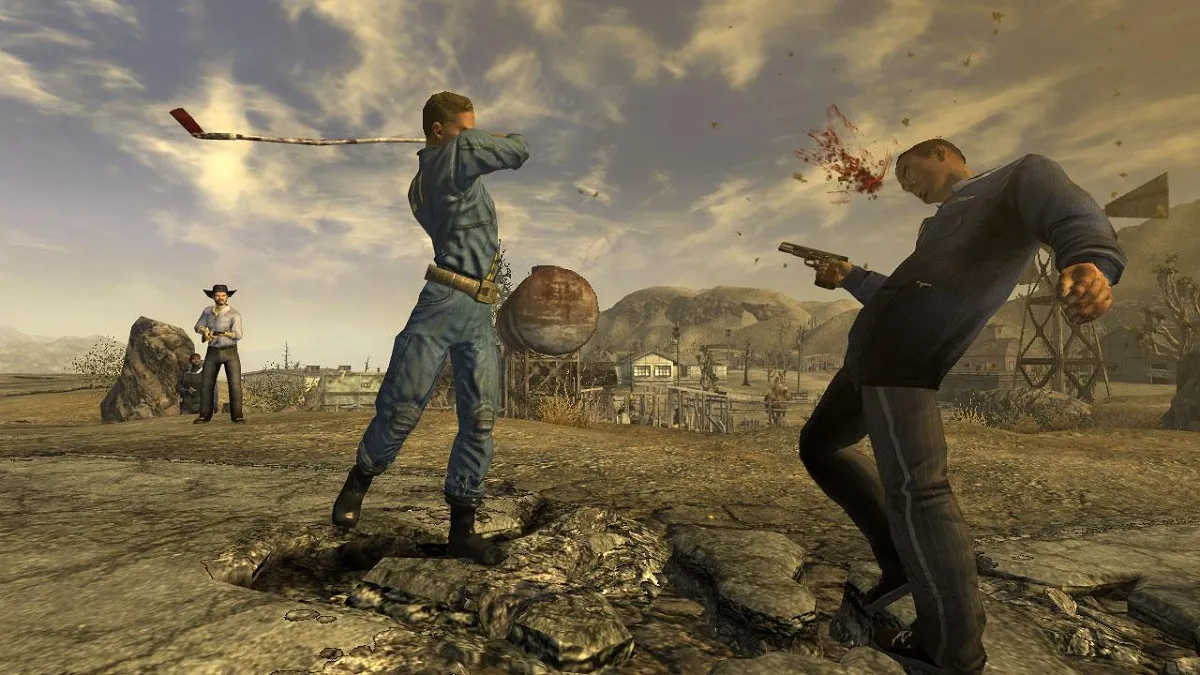
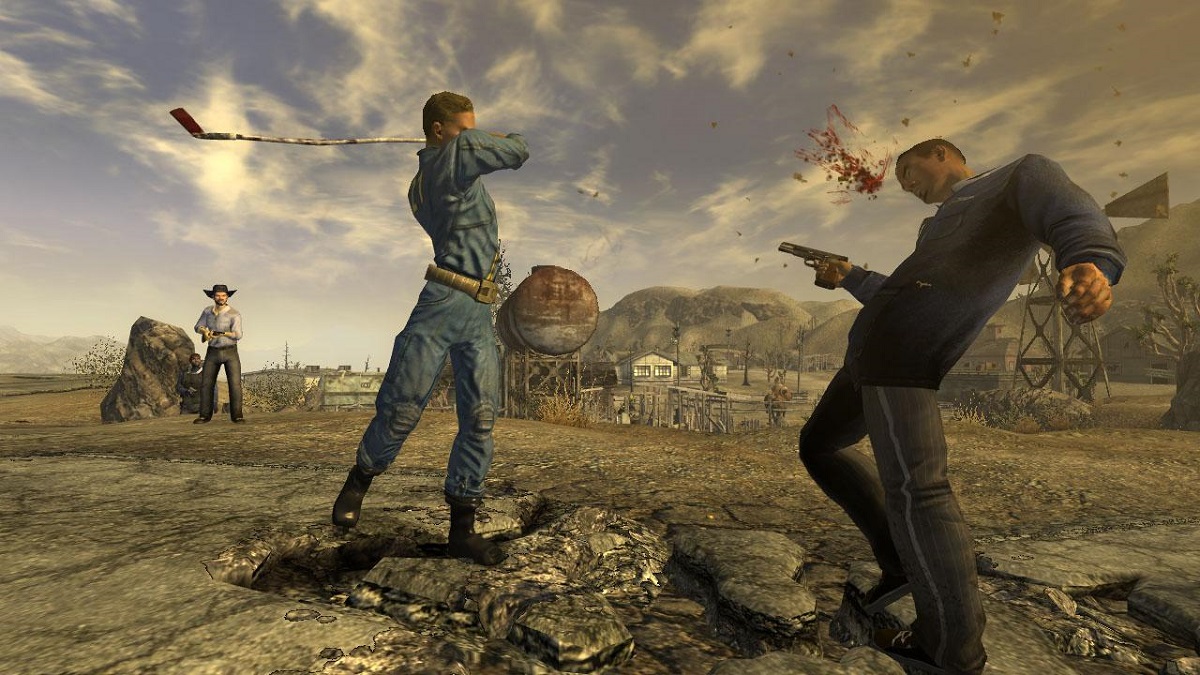
Obsidian Entertainment boasts a significant and celebrated history with the Fallout universe. The studio developed Fallout: New Vegas, released in 2010, which is widely regarded by many fans as one of the most compelling entries in the series, lauded for its deep role-playing mechanics, branching narratives, and player agency. The report from Bloomberg indicates that Josh Sawyer, the director of Fallout: New Vegas, is reportedly at the helm of this new Fallout project, a piece of information that has undoubtedly generated considerable excitement among the game’s dedicated player base. This existing pedigree and familiarity with the franchise’s core tenets could be a significant advantage in crafting a new, impactful Fallout experience.
Avowed: A Promising Venture Interrupted
The cancellation of the Avowed sequel casts a shadow over the studio’s recent work. According to Schreier’s report, the Avowed sequel was "well into development" and described as "going well," with plans for an announcement within the coming year. This suggests that the game was nearing a significant milestone in its development cycle. Sources familiar with the project indicated that some Obsidian employees will continue to work on aspects of the Avowed sequel as they await the readiness of new projects, such as the Fallout game. This arrangement hints at a potential, albeit uncertain, future for the Avowed IP, with the possibility of revisiting the sequel down the line.
The original Avowed, an open-world fantasy RPG set in the Pillars of Eternity universe, was released in early 2024. While it garnered attention for its ambitious scope and Obsidian’s RPG expertise, its critical reception was varied, with some praising its world-building and role-playing elements, while others pointed to technical issues and a perceived lack of innovation. The decision to cancel a sequel, especially one described as being in a healthy development state, underscores the stringent demands and evolving priorities within Microsoft’s gaming division.
Implications of the Strategic Shift
The move towards a new Fallout game at Obsidian, particularly under the direction of Josh Sawyer, carries significant implications for the franchise and its fans. It suggests a potential return to the deeper RPG mechanics and narrative choices that characterized Fallout: New Vegas, a style that many players have been eager to see more of. For a franchise that has been relatively dormant in terms of new, single-player installments, this development is a welcome prospect.
The cancellation of the Avowed sequel, however, highlights the precarious nature of game development, especially within large corporate structures. It underscores the challenges faced by studios when their projects do not align with overarching strategic goals or market performance expectations. While the immediate impact on the Avowed team is mitigated by the potential to transition to new projects, it represents a significant loss of momentum and a potential setback for the expansion of Obsidian’s original IPs.
The broader context of Microsoft’s Xbox Game Studios "reset" also warrants attention. The extensive layoffs across multiple studios, including Bethesda, Arkane Austin, and Tango Gameworks, indicate a significant re-evaluation of the Xbox’s first-party development strategy. This consolidation and refocusing effort aims to streamline development, consolidate resources, and potentially prioritize projects with clearer paths to commercial success. The industry has been observing these moves closely, as they signal a period of significant change in how major publishers approach game development and talent management.
A Look Ahead: Market Forces and Fan Expectations
From a market perspective, investing in established IPs like Fallout is often seen as a safer bet than launching entirely new franchises. The brand recognition, existing player base, and the recent success of the Fallout television series create a strong foundation for a new game. This strategic alignment with market trends and established IP leverage is a common practice in the industry, especially in times of economic uncertainty or corporate restructuring.
For fans, the news is a mixed bag. The prospect of a new Fallout game from Obsidian, particularly with Josh Sawyer at the helm, is met with considerable enthusiasm. However, the cancellation of the Avowed sequel and the recent layoffs at the studio are reminders of the human cost behind these strategic decisions. The hope among many within the gaming community is that this shift in focus will lead to a high-quality Fallout experience that honors the franchise’s legacy, while also allowing Obsidian to eventually return to and develop its own original worlds. The coming years will reveal the full extent of these strategic realignments and their impact on the future of gaming at Xbox and within the wider industry. The intricate dance between creative ambition, market viability, and corporate strategy continues to shape the games we play and the studios that create them.