


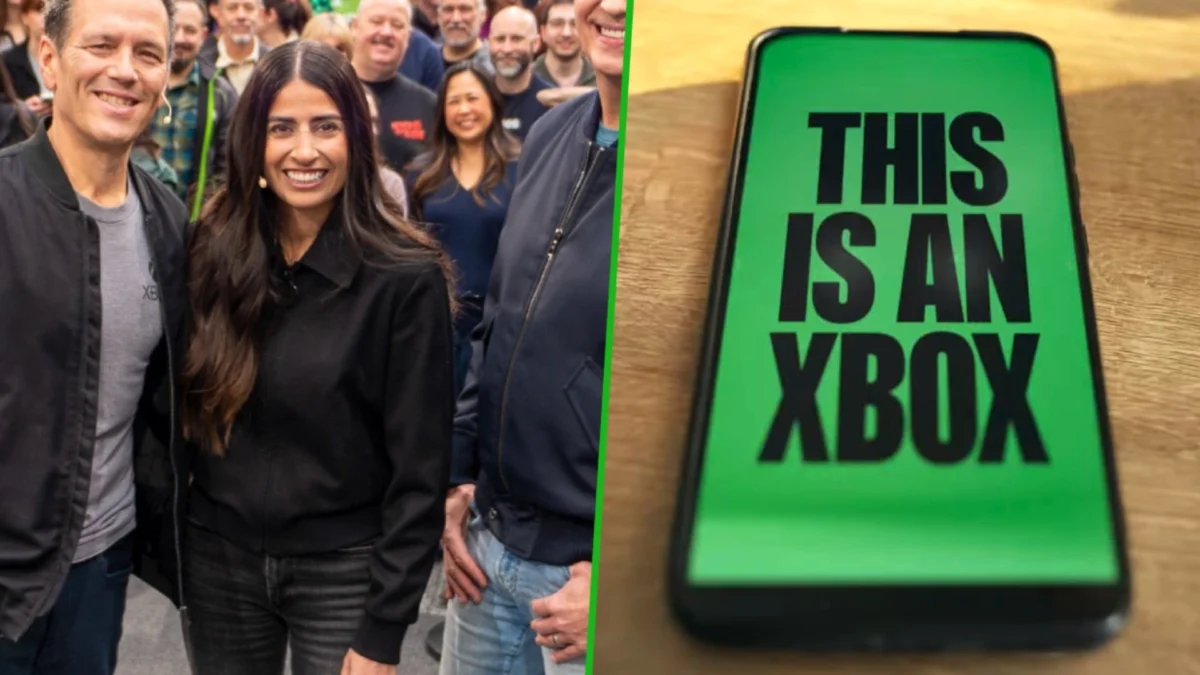
The digital landscape of Microsoft’s gaming division has undergone a quiet but significant transformation in recent weeks, signaling a potential shift in how the company intends to position its brand moving forward. According to reports from industry insiders and investigative outlets, the "This is an Xbox" marketing campaign, which sought to decouple the Xbox brand from its traditional hardware roots, has been officially terminated. This decision is reportedly the result of a direct mandate from Asha Sharma, the recently appointed executive tasked with overseeing the Xbox platform and its consumer-facing strategies.
The removal of the campaign’s digital footprint was first noted when the dedicated landing page on the official Xbox Wire website began returning a "404 Not Found" error. While Microsoft has not issued a formal statement regarding the deletion, a report from The Information, citing individuals with direct knowledge of the internal move, suggests that the campaign was "axed" due to its controversial nature among both the Xbox employee base and the brand’s core enthusiasts.
The Genesis and Philosophy of This is an Xbox
Launched in late 2024, the "This is an Xbox" campaign represented Microsoft’s most aggressive attempt to redefine its gaming ecosystem. The marketing materials featured various non-console devices—including smartphones, smart TVs, handheld PCs like the Steam Deck, and laptops—labeled with the slogan "This is an Xbox." The underlying message was clear: Xbox was no longer a box, but a service accessible across a multitude of screens via Xbox Game Pass and Cloud Gaming.
The campaign was designed to highlight the ubiquity of the Xbox ecosystem following the company’s $69 billion acquisition of Activision Blizzard. By emphasizing software and service availability over hardware ownership, Microsoft aimed to reach the billions of gamers who do not own a dedicated console. However, the strategy immediately met with friction. For the "loyalist" demographic—consumers who have invested thousands of dollars in Xbox hardware and digital libraries—the campaign felt like a pivot away from the very devices that define their gaming experience.
Critics argued that the campaign diluted the brand’s identity. If everything is an Xbox, then the dedicated Series X console loses its "premium" status. This sentiment reportedly permeated the internal teams at Microsoft as well, with some staff members expressing concern that the marketing undermined the hard work of the hardware engineering teams and signaled a lack of confidence in the console market.
The Appointment of Asha Sharma and a New Direction
The reported decision to scrub the campaign coincides with the rising influence of Asha Sharma within Microsoft’s gaming hierarchy. Sharma, who joined Microsoft with a background in high-growth consumer platforms—most notably serving as Chief Operating Officer at Instacart—was brought in to refine the user experience and brand trajectory of Xbox.
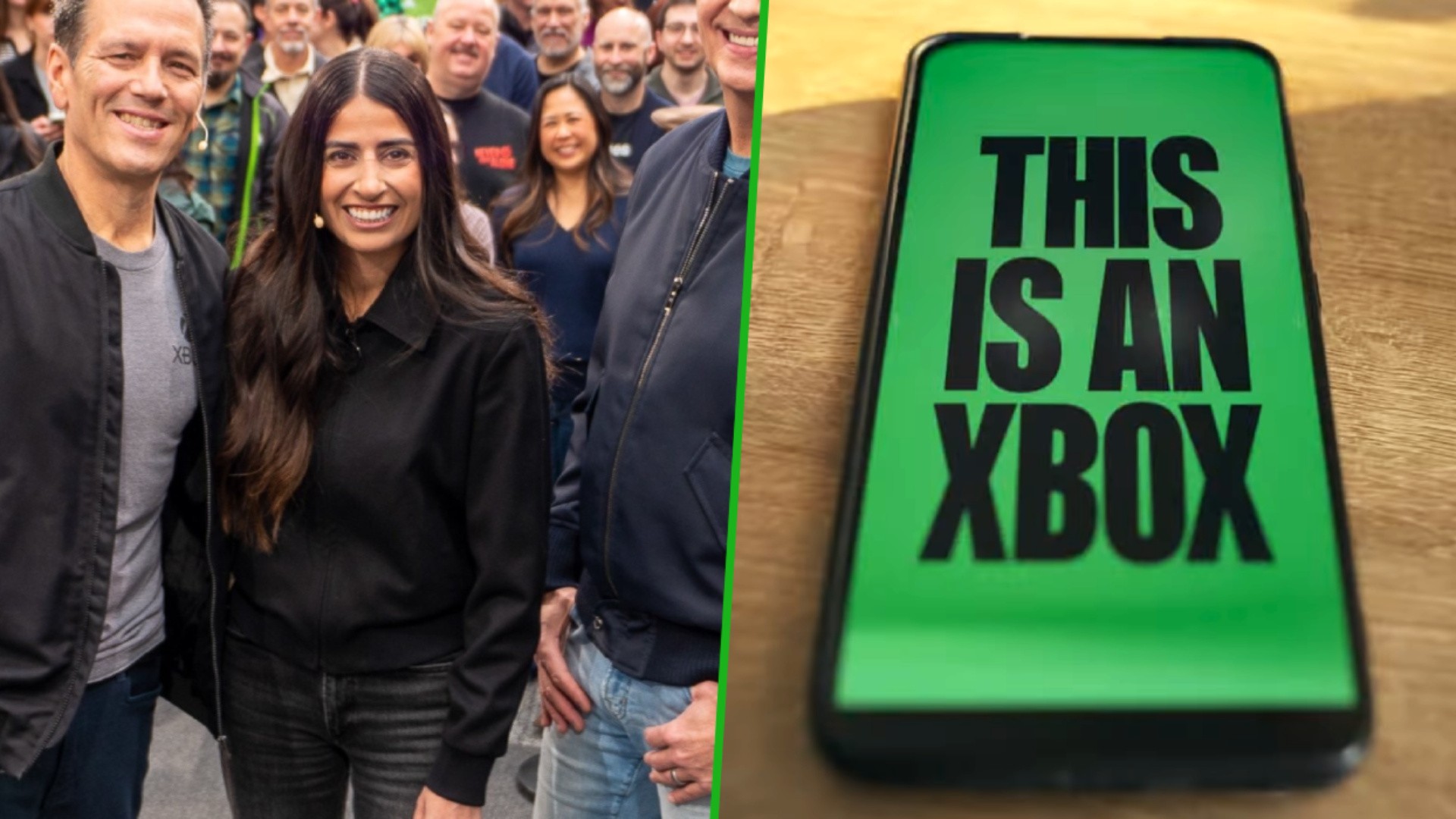
Her mandate appears to involve a recalibration of the "Xbox Everywhere" vision. While the company remains committed to expanding its reach, the "This is an Xbox" campaign was viewed by some as an overcorrection. The Information suggests that Sharma is looking to move away from what has been internally described as "soulless" or overly corporate marketing strategies in favor of a message that resonates more deeply with the core gaming community.
The scrubbing of the campaign is not yet absolute. While the primary web pages have been removed, legacy content remains. Promotional videos for the campaign are still hosted on the official Xbox YouTube channel, and certain retail promotions, such as the "Just For You" discounts on the Microsoft Store, have continued to use the "This is an Xbox offer" terminology. This suggests a phased transition rather than an instantaneous total blackout, as the company evaluates which elements of the message are worth salvaging.
Chronology of the Xbox Strategic Shift
To understand the weight of this decision, it is necessary to view it within the context of Microsoft’s broader strategic shifts over the last three years:
- October 2023: Microsoft officially closes the acquisition of Activision Blizzard, making it one of the largest third-party publishers in the world.
- February 2024: Xbox leadership holds a "business update" podcast to address rumors of a multi-platform future. They confirm that four previously exclusive titles (including Sea of Thieves and Hi-Fi Rush) would head to PlayStation 5 and Nintendo Switch.
- Late 2024: The "This is an Xbox" campaign launches globally, utilizing high-profile out-of-home advertising in major cities like London and New York.
- Early 2025: Internal leadership changes see Asha Sharma taking a more prominent role in defining the platform’s consumer identity.
- March 2026: The "This is an Xbox" landing pages are removed, and reports surface indicating the campaign has been terminated.
Industry Data and Market Pressures
The decision to pivot away from a "post-console" marketing message is likely informed by current market data. While Microsoft does not regularly disclose exact hardware sales figures, third-party analysts, including those from Niko Partners and Circana (formerly NPD Group), have noted a widening gap between the Xbox Series X/S and the PlayStation 5.
In the European and Asian markets, PlayStation 5 sales have significantly outpaced Xbox, sometimes by a margin of 3-to-1 or higher. In this environment, a marketing campaign that suggests "the console doesn’t matter" can be interpreted as a white flag. Conversely, Sony has doubled down on the "PlayStation" brand as a premium hardware destination, a strategy that continues to yield high hardware sell-through and brand loyalty.
Furthermore, the growth of Xbox Game Pass, while impressive on PC and Cloud, has seen a plateauing effect on consoles. Microsoft’s challenge is to maintain its "whales"—the high-spending console users—while simultaneously growing its mobile and cloud footprint. The "This is an Xbox" campaign arguably prioritized the latter at the expense of the former.
Internal Friction and Brand Integrity
The report from The Information highlights a critical tension within Microsoft: the balance between data-driven growth and brand soul. The gaming industry is unique in that it relies heavily on "fandom," a concept that often defies traditional corporate logic. When a brand like Xbox tells its most devoted fans that the box under their TV is just one of many interchangeable screens, it risks damaging the emotional connection those fans have with the product.

Internal reports suggest that the "This is an Xbox" messaging was perceived by some employees as "soulless AI slop"—a term used to describe marketing that is technically accurate based on data but lacks the creative spark or "cool factor" necessary to lead the gaming culture. By axing the campaign, Sharma may be attempting to signal to both employees and fans that Microsoft still values the specific, high-end experience that only dedicated hardware can provide.
Broader Implications for the Future of Xbox
The termination of this campaign does not mean Microsoft is abandoning its goal of being a cross-platform powerhouse. The "Project Latitude" initiative, which involves bringing more first-party Xbox titles to competing platforms, is reportedly still in motion. However, the marketing of these moves will likely be handled with greater nuance.
Industry analysts expect the next phase of Xbox marketing to focus on "Choice" rather than "Equivalency." Instead of claiming a smartphone is the same as an Xbox console, future campaigns may emphasize that the Xbox console is the best way to play, while the cloud and PC versions provide the flexibility to play anywhere. This "Hardware First, Ecosystem Second" approach would align Xbox more closely with the strategies of Nintendo and Sony, who use their hardware as the primary anchor for their respective services.
Additionally, this shift may be a precursor to the announcement of next-generation hardware. Rumors have persisted regarding a dedicated Xbox handheld and a traditional high-power successor to the Series X. If Microsoft intends to sell new hardware in the coming years, it must first rebuild the narrative that its hardware is essential.
Conclusion and Outlook
The reported removal of the "This is an Xbox" campaign marks the end of a brief, experimental era for Microsoft’s gaming brand. Under the guidance of Asha Sharma, the company appears to be moving toward a more traditional, hardware-respecting marketing stance, even as it continues to expand its software reach.
While the "This is an Xbox" message was logically consistent with a cloud-first future, it failed to account for the tribal nature of the gaming market and the importance of brand prestige. As Microsoft prepares for its next major showcase, the industry will be watching closely to see how the brand re-introduces itself to a community that remains fiercely protective of the "box" in Xbox. For now, the "404 Not Found" error on the campaign’s homepage serves as a silent admission that in the world of gaming, the hardware still matters.