


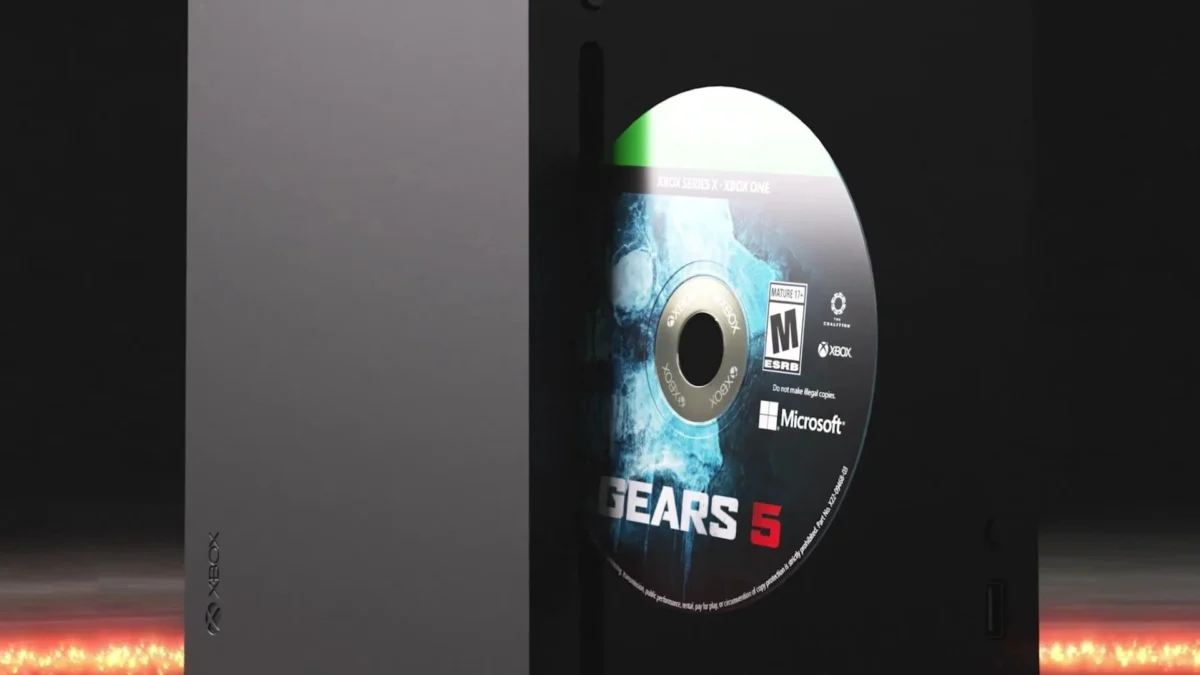
A recent report by The Verge has illuminated the intriguing origins and technical underpinnings of Xbox’s nascent Disc to Digital feature, currently undergoing testing with Xbox Insiders. This highly anticipated service, which allows users to convert physical game discs into digital licenses, is revealed to be the culmination of a strategic decision made by Microsoft nearly 15 years ago, granting Xbox a unique advantage that its primary competitor, PlayStation, may find challenging to replicate.
The Genesis of a Digital Vision: Early Explorations and Ambitious Concepts
The journey towards Xbox’s Disc to Digital feature began long before its public unveiling, tracing back to internal explorations within Microsoft around 2011. During this period, Xbox was reportedly delving into ambitious concepts centered on "true Xbox digital ownership." These discussions envisioned a future where digital games offered unparalleled flexibility, including features such as digital gifting, the ability to "recycle" digital titles, and even a system for swapping physical discs at retail locations in exchange for digital versions.
These early aspirations painted a picture of a gaming ecosystem far more integrated with digital convenience than was common at the time. While some of these ideas eventually saw partial public discussion, others remained closely guarded secrets within Microsoft’s strategic planning divisions. This period marked a pivotal ideological shift, laying the groundwork for a digital-first approach that would eventually manifest in various Xbox initiatives. The drive was to create a digital library experience that mirrored, and in some ways surpassed, the flexibility of physical ownership, addressing common consumer pain points regarding resale and portability of digital assets.
The Xbox One Era: Controversy, Backlash, and a Critical Strategic Decision
The public face of Microsoft’s early digital ambitions famously collided with consumer expectations during the contentious reveal of the Xbox One in 2013. The console’s initial announcements included several highly controversial policies that were widely perceived as restrictive and anti-consumer. These included a mandatory 24-hour online check-in requirement, which sparked widespread outrage over concerns about internet access, privacy, and the console’s usability in offline scenarios. Equally contentious were the proposed restrictions on used games, which would have severely limited the ability to lend, trade, or resell physical game discs, effectively undermining the traditional secondary market that had long been a staple of console gaming.
The backlash was immediate and immense, leading to a significant public relations crisis for Xbox. Don Mattrick, then head of Xbox, became the face of these unpopular policies, which were seen by many as Microsoft attempting to dictate how consumers interacted with their purchased content. The outcry was so severe that Microsoft ultimately reversed course on these policies before the console’s launch, a rare and dramatic capitulation to consumer demand.
However, amidst this public firestorm and the subsequent strategic pivot, a crucial, and largely unnoticed, technical decision was made that would silently shape the future of Xbox’s digital capabilities. It was during this turbulent period that Xbox engineers decided to embed unique identifiers—akin to serial numbers—onto every Xbox One game disc manufactured. This practice extended to subsequent Xbox Series X discs, making almost every physical game disc produced since then traceable to a unique identifier. The only known exceptions were a small batch of discs released during the initial 6-12 months of the Xbox One’s lifecycle. This decision, seemingly minor at the time, was a prescient move that provided the necessary infrastructure for the Disc to Digital program years later. It allowed the console to not just read the game data, but also to identify each individual disc as a distinct unit, crucial for verifying ownership and preventing fraudulent digital conversions.
The Technical Underpinnings: How Xbox Unlocked Disc to Digital
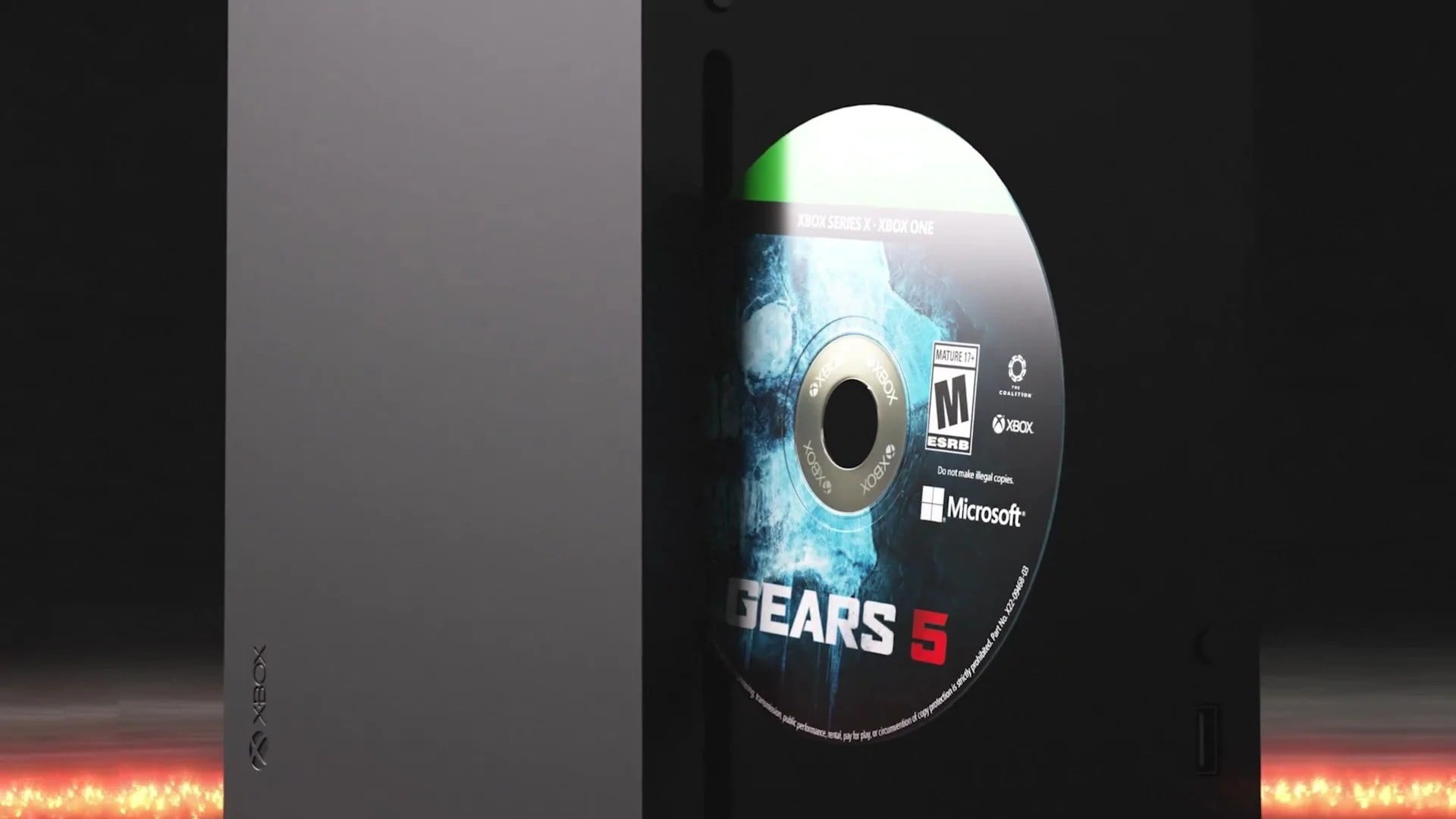
The core innovation enabling Xbox’s Disc to Digital feature lies in this proprietary method of embedding unique metadata on physical game discs. Unlike a standard optical disc that primarily holds game data, Xbox One and Series X discs incorporate a unique identifier within their lead-in or data layers. When a user inserts a physical game disc into their Xbox console, the system doesn’t just verify the game itself; it also reads this embedded serial number.
This unique identifier serves as a digital fingerprint for that specific physical copy. Once read and verified by the Xbox network, it can be linked to the user’s Microsoft account, effectively granting them a digital license for that title. The physical disc then serves as a one-time token for this conversion process. This system is designed to prevent multiple digital conversions from a single physical disc, ensuring the integrity of the ownership transfer. The console’s ability to "see" and register this unique code is what differentiates Xbox’s approach and provides a robust framework for managing digital entitlements derived from physical media. This foresight in disc manufacturing, implemented without public announcement, has now provided Xbox with a significant technological advantage.
Why PlayStation Faces a Different Challenge
The existence of this embedded unique identifier on Xbox discs presents a formidable barrier for PlayStation should it wish to implement a similar Disc to Digital program. According to The Verge’s report, unless Sony has been quietly employing a similar disc-tagging strategy for its PlayStation 4 and PlayStation 5 discs over the years, it would be unable to simply "copy" Xbox’s method.
The absence of such a universal, console-readable unique identifier on PlayStation discs means that Sony would have to devise an entirely different, and likely more complex, system to verify physical ownership for digital conversion. Potential alternatives for PlayStation could include:
- Barcode/QR Code Scanning: Requiring users to scan a unique code from the game’s packaging, though this is less secure as packaging can be separated from the disc or codes duplicated.
- Proof of Purchase Upload: Demanding receipts or other transactional proof, which is cumbersome and prone to manipulation.
- Third-Party Retailer Involvement: Collaborating with retailers to verify disc ownership at the point of exchange, which introduces logistical complexities and revenue sharing challenges.
- A New Disc Standard: Implementing a new disc manufacturing standard for future consoles, which would leave existing PS4 and PS5 physical libraries unsupported by such a feature.
Each of these alternatives presents significant hurdles in terms of security, user experience, and implementation costs. This makes Xbox’s early decision a strategic masterstroke, giving it a proprietary capability that its rival lacks, and potentially placing pressure on Sony to find its own innovative solution to cater to an increasingly digital-first consumer base while respecting existing physical libraries.
Current Rollout and Publisher Engagement
The Xbox Disc to Digital feature is currently in its testing phase with Xbox Insiders, indicating that a full public rollout is imminent. The program’s success hinges not only on its technical robustness but also on securing widespread publisher support. Initial observations from the Insider program reveal a mixed landscape of engagement. While major publishers like Ubisoft have enthusiastically joined the program, with numerous titles becoming eligible for conversion, others like SEGA and Square Enix have yet to offer support.
Publisher reluctance can stem from several factors, including:
- Licensing Agreements: Existing licensing deals might not have accounted for digital conversion from physical media, requiring renegotiation.
- Revenue Sharing Models: Publishers might be hesitant about the revenue implications, particularly if they perceive a loss of control over digital sales or if the conversion model doesn’t offer a clear financial benefit.
- Control over Distribution: Digital storefronts offer publishers direct control over pricing, promotions, and distribution. A Disc to Digital system introduces another layer of complexity.
- Technical Integration: Some smaller publishers might face challenges in integrating their existing digital rights management (DRM) systems with Xbox’s Disc to Digital framework.
Despite these challenges, the participation of a major player like Ubisoft signals strong potential for the program’s expansion. As more publishers recognize the consumer demand for such a feature and the platform’s commitment, wider adoption is anticipated. The value proposition for publishers lies in engaging existing physical owners and potentially migrating them to a digital ecosystem where future purchases and engagement might be more streamlined.
The Broader Industry Shift: The Inevitable Digital Future
The introduction of Disc to Digital is not merely a convenience feature; it is a strategic move by Xbox that aligns with broader industry trends indicating an accelerating shift from physical to digital media. The gaming industry has witnessed a steady decline in physical game sales over the past decade, driven by factors such as:
- Digital Convenience: Instant downloads, pre-loading, and the elimination of disc-swapping offer unparalleled convenience.
- Supply Chain Issues: The original article highlights "supply chain issues with making physical games." This refers to the logistical complexities, manufacturing costs, and environmental impact associated with producing, shipping, and retailing physical discs globally. These issues have been exacerbated by recent global events, making digital distribution increasingly attractive from an operational standpoint.
- Environmental Concerns: The reduction of plastic waste from physical packaging and discs aligns with growing environmental consciousness.
- Profit Margins: Digital sales generally offer higher profit margins for publishers and platform holders as they eliminate manufacturing, distribution, and retail overheads.
- Subscription Services: The rise of services like Xbox Game Pass and PlayStation Plus Premium further entrenches digital ownership, making physical discs less central to many gamers’ habits.
The Verge, alongside many industry analysts, posits that Microsoft will likely "follow Sony and eventually scrap Xbox discs," implying a future where disc drives become optional or entirely absent from consoles. Sony has already signaled this direction with its PlayStation 5 Digital Edition, which offers a disc-less console option. This transition is viewed by many as an inevitable evolution for the industry, driven by economic efficiencies, consumer preferences, and technological advancements.
Xbox’s Strategic Vision: Preservation and Ecosystem Expansion
Despite the potential move away from physical media, Xbox has demonstrated a strong commitment to game preservation and expanding its ecosystem. The Disc to Digital feature can be seen as part of this larger strategy, offering a bridge for players to bring their existing physical libraries into a future-proof digital format. Xbox’s dedication to backward compatibility, allowing players to access games from previous console generations, is a testament to this commitment.
More recently, Xbox announced "backwards compatibility for PC," enabling certain classic Xbox titles to be played on Windows PCs. This move signifies a broader strategic vision, often referred to as "Project Helix," which aims to converge Xbox and PC gaming, with Game Pass acting as a central pillar. This approach emphasizes player choice, content accessibility across multiple platforms, and the longevity of game libraries. By offering Disc to Digital, Xbox is not only providing a convenient service but also reinforcing its narrative of respecting player investments and ensuring access to their games regardless of the original format or the evolving hardware landscape. This positions Xbox as a platform that values its legacy and its community’s historical connection to games.
Implications for Gamers and the Console Landscape
For gamers, Disc to Digital is an "extremely useful feature" that offers significant benefits. It provides a pathway to declutter physical collections, reduce wear and tear on discs, and enjoy the convenience of a fully digital library without having to repurchase games. It also serves as a form of future-proofing, as physical disc drives may eventually become obsolete. For those who still prefer physical media but want the option to transition, it offers the best of both worlds.
In the broader console landscape, this feature gives Xbox a clear competitive edge. It addresses a specific pain point for many players—the transition from physical to digital ownership—in a way that PlayStation currently cannot. This could influence consumer purchasing decisions, especially for those with extensive physical libraries or who are contemplating a future disc-less console. It also underscores the importance of long-term strategic planning in hardware and platform development. A seemingly minor engineering decision made a decade and a half ago has now become a significant differentiator in the ongoing console wars, highlighting how foresight in design can yield substantial advantages years down the line. As the industry continues its inexorable march towards a fully digital future, Xbox’s Disc to Digital initiative stands as a testament to strategic innovation and adaptability.