


The Revival of a Genre: Stage Tour’s Grand Entrance
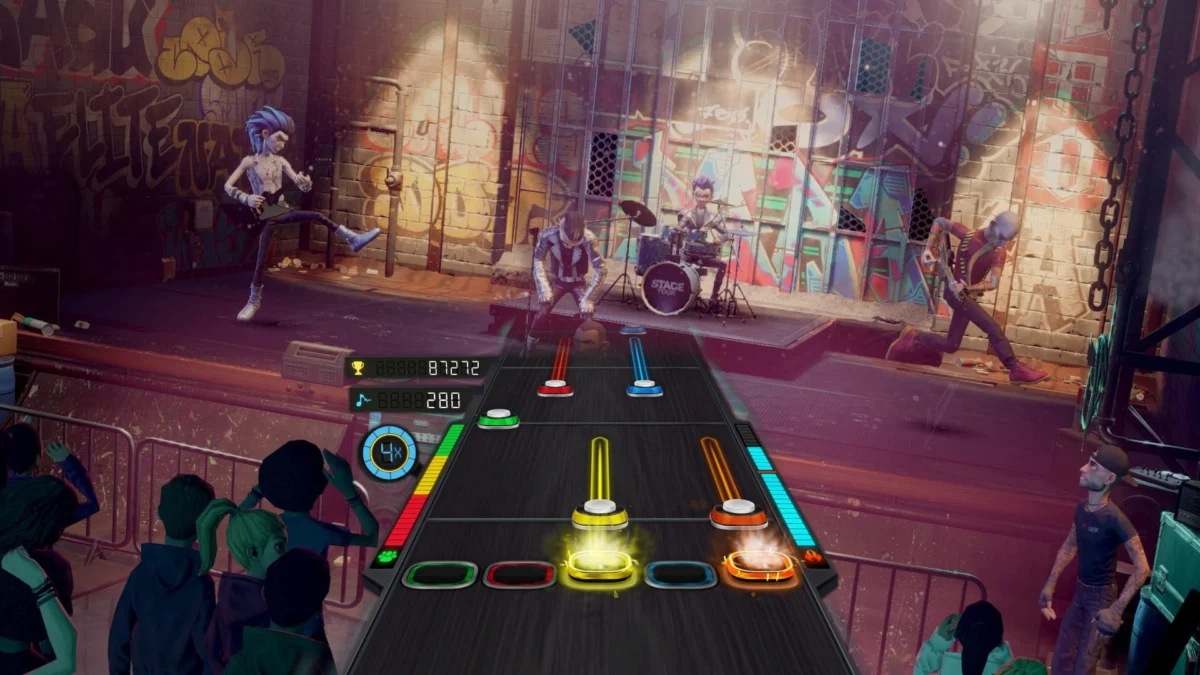
For over a decade, fans of instrument-based rhythm games have yearned for a return to the glory days of plastic guitars, drum kits, and enthusiastic vocal performances. Activision, the publisher behind the iconic Guitar Hero series, has largely stepped away from the genre since its last major iteration, leaving a noticeable gap in the gaming landscape. RedOctane Games, a name that evokes the origins of the genre, is now poised to fill this void with ‘Stage Tour,’ a title explicitly designed to "honour everything fans loved about the golden age of music games" while introducing fresh elements for a modern audience.
The announcement at Gamescom Opening Night Live 2026 was accompanied by a captivating trailer showcasing the game’s vibrant visuals, diverse cast of bandmates, and exhilarating gameplay. Gamescom, one of the world’s largest gaming conventions, serves as a crucial platform for major industry announcements, and ‘Stage Tour’ undoubtedly captured significant attention. The decision to unveil the game with a full hardware bundle underscores RedOctane’s commitment to delivering a complete, immersive experience from day one, harkening back to a time when dedicated peripherals were synonymous with the rhythm genre.
A Deep Dive into Gameplay and Innovation
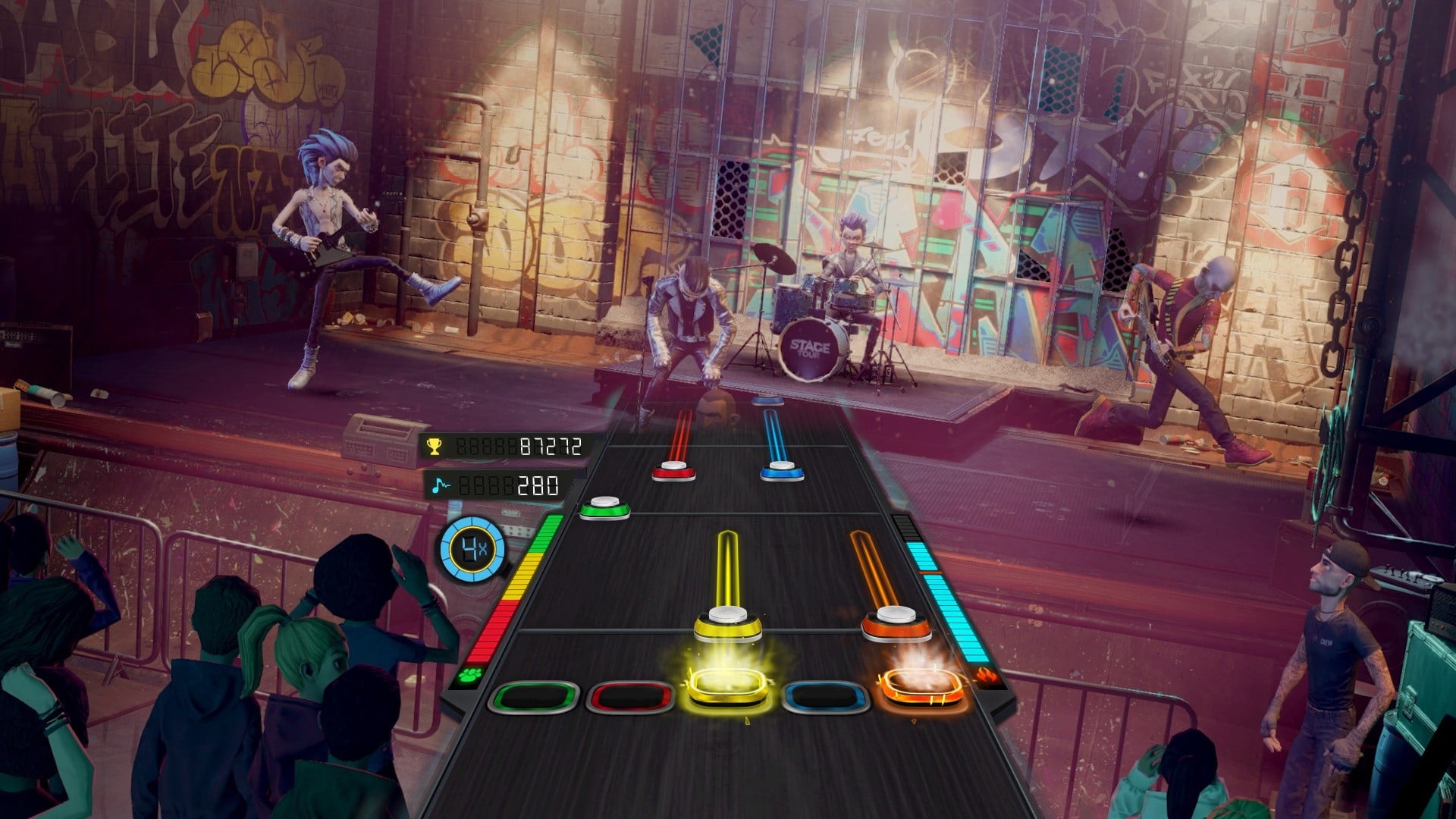
‘Stage Tour’ aims to capture the essence of rhythm gameplay popularized by its predecessors while injecting new life into the formula. The developers, described as "veteran rhythm game developers," are clearly leveraging years of collective experience to refine core mechanics and introduce compelling innovations. The game boasts a massive tracklist comprising over 90 songs, a crucial element for any rhythm game’s long-term appeal. This extensive library is promised to span six decades of music, ensuring a wide array of musical tastes are catered to.
Beyond the music, ‘Stage Tour’ will feature a roster of 50 unique bandmates, suggesting a robust character system that could allow for customization, progression, or even narrative elements within the game. This emphasis on a "cast" of bandmates could potentially introduce RPG-like elements or deeper engagement with the game’s world, moving beyond mere score chasing. Furthermore, the mention of "fresh game modes" indicates that RedOctane is not merely replicating past successes but actively seeking to evolve the genre, offering new ways for players to engage with the music and their instruments. These modes could range from competitive online play, cooperative challenges, or even creative tools that allow players to express their musicality beyond strict note-matching.
The All-Important Tracklist: Spanning Generations
A rhythm game’s success is often directly tied to the strength and diversity of its tracklist. ‘Stage Tour’ appears to understand this fundamental principle, promising "one of the biggest and most varied launch setlists in the history of the genre." The quoted statement highlights the impressive breadth of artists included, ranging from rock legends to contemporary pop icons. The inclusion of bands like The Rolling Stones, Metallica, Radiohead, The Cure, Red Hot Chili Peppers, and Mötley Crüe firmly establishes its rock bona fides, catering to the core demographic that initially embraced games like Guitar Hero.
However, ‘Stage Tour’ demonstrates a clear intent to broaden its appeal by incorporating modern artists such as Paramore and Olivia Rodrigo. This strategic blend of classic and contemporary music is vital for attracting both veteran rhythm game enthusiasts and a new generation of players. A diverse tracklist not only keeps the game fresh but also encourages cross-generational play, allowing parents and children, or older and younger friends, to enjoy the experience together. This broad appeal is crucial for achieving widespread market penetration and sustaining interest over the long term. The careful curation of 90+ songs, covering various genres and eras, suggests a significant investment in licensing and a deep understanding of what makes a compelling musical journey.
The Hardware Renaissance: Controllers Bundled for Immersion
Perhaps the most exciting aspect of the ‘Stage Tour’ announcement is the commitment to shipping with a full set of dedicated hardware. This includes a Kramer guitar controller, a full drum kit, and both wired and wireless microphones. This move is a direct response to the community’s desire for a complete, out-of-the-box band experience, a cornerstone of the rhythm game genre’s golden era. The decision to bundle these peripherals indicates a strong belief in the immersive power of physical instruments, differentiating ‘Stage Tour’ from purely digital music experiences or games that rely solely on standard console controllers.
The inclusion of a Kramer guitar controller suggests a focus on quality and authenticity. Kramer, a brand historically associated with rock and metal guitars, lends a degree of credibility to the peripheral, hinting at a sturdy and responsive design. The full drum kit is equally critical, offering a tactile and dynamic way to experience drumming, a far cry from button-mashing alternatives. The provision of both wired and wireless microphones offers flexibility for players, catering to different setups and preferences.
Furthermore, RedOctane Games is also releasing a collection of licensed Gibson guitar controllers. Gibson, another legendary name in guitar manufacturing, brings an additional layer of prestige and authenticity. These licensed controllers could offer premium build quality, iconic designs, or specialized features that appeal to collectors and serious rhythm game players. The availability of multiple guitar options, from Kramer to Gibson, provides players with choice and potentially different price points, allowing them to tailor their experience.
Understanding the Investment: Price Breakdown and Market Implications
While specific pricing details for the individual pieces of kit were not explicitly detailed in the announcement, the concept of a "detailed price breakdown" for the guitar, drum set, and microphones was highlighted. This indicates that RedOctane Games understands the significant financial investment players will be making and aims for transparency. Historically, bundled rhythm game peripherals have represented a substantial cost, often making the complete package more expensive than a standard video game.
The decision to offer individual components suggests flexibility for consumers. Players who already own compatible third-party peripherals (though compatibility is rarely guaranteed across different game titles) or only wish to focus on one instrument can do so without purchasing the entire band-in-a-box. However, the true "band experience" necessitates the full set. The pricing strategy for these peripherals will be critical. Overpricing could deter potential buyers, while competitive pricing could attract a wide audience eager to relive or discover the joy of instrument-based gaming. Factors influencing these prices will include manufacturing costs, licensing fees (especially for branded guitars like Gibson and Kramer), research and development for robust technology, and profit margins. The market has seen a decline in the availability of such peripherals, making their reintroduction a significant logistical and financial undertaking for RedOctane. This also implies a confidence in the market demand, suggesting that RedOctane believes enough players are willing to invest in the hardware for a premium rhythm game experience.
A Look Back: The Legacy and Decline of Rhythm Games
To fully appreciate the significance of ‘Stage Tour,’ it’s important to understand the trajectory of the rhythm game genre. The original Guitar Hero, released in 2005, ignited a cultural phenomenon. Its intuitive gameplay, iconic tracklists, and accessible guitar peripheral captivated millions, leading to a boom in music gaming. The genre expanded with Rock Band, introducing drums and vocals for a full band experience, and countless spin-offs and sequels followed. At its peak, titles like Guitar Hero III: Legends of Rock sold millions of units, with peripherals flying off shelves.
However, the rapid saturation of the market, coupled with increasing peripheral costs and a perceived lack of innovation, eventually led to the genre’s decline. By the early 2010s, consumer fatigue set in, and the once-ubiquitous plastic instruments began collecting dust. Activision attempted a revival with Guitar Hero Live in 2015, which introduced a new six-button guitar layout and a live-action, first-person perspective. While innovative, it struggled to recapture the genre’s former glory, partly due to its departure from the classic five-button layout and the shift to a streaming-based song library model that had its own limitations. Since then, the rhythm genre has largely retreated, with a few notable exceptions like Rocksmith focusing on real guitar learning or smaller, more niche digital-only titles.

‘Stage Tour’ emerges into a market that is ripe for a revival, yet cautious. The long hiatus means that a significant portion of the gaming audience may never have experienced the full instrument setup. For this new generation, ‘Stage Tour’ could be an entirely fresh and exciting concept. For returning veterans, it offers a chance to reignite their passion.
Developer Vision and Market Strategy
RedOctane Games’ vision for ‘Stage Tour’ is clear: to deliver a comprehensive, high-quality rhythm game that respects its heritage while embracing the future. The emphasis on "veteran rhythm game developers" suggests that the team comprises individuals who deeply understand the genre’s mechanics, challenges, and what truly resonates with players. Their stated goal of honouring the "golden age of music games" indicates a commitment to the core tenets of the genre—fun, accessible, and deeply engaging musical interaction.
The strategy of launching with a full hardware bundle on a specific platform like Xbox Series X|S is also noteworthy. This focused approach allows RedOctane to optimize the experience for current-generation hardware, potentially leveraging the console’s processing power for more detailed visuals, faster load times, and more responsive gameplay. The decision to make it an Xbox exclusive (at least initially, as no other platforms were mentioned) could be a strategic partnership to secure marketing support and reach a dedicated player base. Wishlisting on the Xbox Store is already active, building anticipation ahead of the December 2026 launch.
Broader Impact and Industry Implications
The launch of ‘Stage Tour’ could have significant implications for the wider gaming industry. A successful revival of the instrument-based rhythm game genre could inspire other publishers to revisit dormant franchises or invest in new music-centric experiences. It could also stimulate the peripheral market, leading to innovations in controller technology and potentially lower manufacturing costs over time.
For Xbox, ‘Stage Tour’ represents a significant exclusive title that could attract a specific segment of gamers. The Xbox Series X|S, with its powerful hardware, is well-equipped to handle the demands of a modern rhythm game, ensuring smooth performance and immersive audio. The success of ‘Stage Tour’ could also influence future collaborations between platform holders and game developers looking to bring back beloved, but hardware-intensive, genres.
However, challenges remain. The cost of entry for a full instrument bundle is higher than a standard game, requiring a more committed consumer base. RedOctane will need to consistently deliver engaging content, including a steady stream of new songs through downloadable content (DLC) or expansions, to maintain player engagement beyond the initial launch. The longevity of ‘Stage Tour’ will depend not only on its initial quality but also on its ability to evolve and adapt to player feedback and market trends.
Conclusion: The Stage is Set for December 2026
‘Stage Tour’ by RedOctane Games is shaping up to be a monumental release for rhythm game enthusiasts and a potentially significant moment for the gaming industry as a whole. With a promise of honoring the genre’s golden age, a massive and diverse tracklist, innovative gameplay modes, and a commitment to a full hardware experience, the game is poised to reignite the passion for instrument-based music gaming. The anticipation for its December 10, 2026 launch on Xbox Series X|S is palpable, and players are already encouraged to wishlist the game on the Xbox Store. The stage is set, the instruments are tuned, and the countdown to getting the band back together has officially begun. The success of ‘Stage Tour’ could very well define the future trajectory of the rhythm game genre for years to come.