


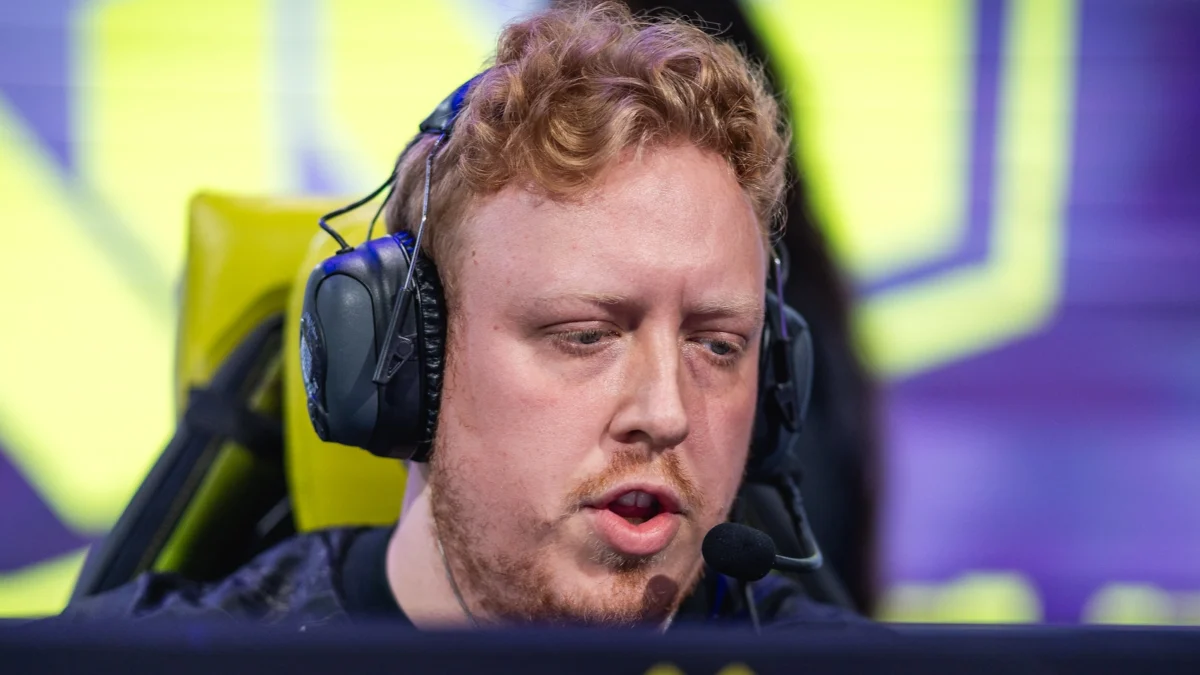
NAVI streamer and former professional Valorant player Ardis "ardiis" Svarenieks has issued a public apology following significant backlash over comments made during a Valorant Game Changers co-stream. The remarks, which many viewers and community members interpreted as transphobic, led to widespread criticism and calls for action from both Riot Games and NAVI. The incident has brought renewed attention to the importance of inclusive language and respectful discourse within the esports community, particularly in relation to events designed to support marginalized genders.
The Genesis of Controversy: The "Bumblebee" Remark
The controversy ignited during a co-stream of a Valorant Champions Tour (VCT) Game Changers event. Ardiis, alongside former Fnatic player Leo "Leo" Jannesson, reportedly used the term "Bumblebees" to refer to certain players participating in the tournament. This seemingly innocuous nickname was quickly perceived by a significant portion of the audience as a derogatory and transphobic slur, widely understood to be a coded reference to transgender competitors. The use of such language, especially within the context of a tournament aimed at fostering inclusivity and providing a platform for women and gender diverse individuals, was met with immediate disapproval.
Further fueling the controversy, Ardiis was heard on stream stating, "I don’t want to get banned, but we need a nickname for them, bro." This was followed by a remark where he joked about changing his own gender to compete in the Game Changers league, a comment that further cemented the perception of his insensitivity and potential prejudice. The combination of these statements created a potent narrative of disrespect towards transgender athletes and the Game Changers initiative.
The Rapid Spread and Community Reaction
The clips of these remarks circulated rapidly across social media platforms, primarily X (formerly Twitter), gaining significant traction within the Valorant community. The swift dissemination of the content ensured that the incident did not remain confined to a niche audience. Instead, it quickly became a focal point of discussion, sparking outrage and condemnation from a broad spectrum of players, fans, and content creators.
Many community members expressed their disappointment and anger, with some directly accusing Ardiis and Jannesson of engaging in transphobic behavior. The sentiment was clear: such language was not only unacceptable but actively harmful to the inclusive environment that Game Changers aims to cultivate. The calls for accountability were directed not only at the streamers themselves but also at the organizations they represent. Riot Games, the developer and publisher of Valorant, and NAVI, Ardiis’s affiliated esports organization, were urged to investigate the matter and take appropriate action. The expectation was that these entities, which hold considerable influence within the esports ecosystem, would uphold their commitments to diversity and inclusion.
Ardiis’s Initial Defense and Shifting Stance
Following the initial wave of criticism, Ardiis reportedly attempted to defend his comments on stream, suggesting that his words were being misinterpreted. He claimed that several women had privately thanked him for "speaking out" and asserted that he was, in fact, drawing more attention to the Game Changers scene. According to reports, he stated, "Do you know how many women have messaged me saying ‘I can’t go public, but thank you’? Minimum five. I’m the only one putting eyes on the Game Changers scene." This defense, however, did little to quell the anger of those who felt targeted by his remarks. The suggestion that his comments were somehow beneficial to the Game Changers scene was widely rejected, with many viewing it as a deflection tactic.
In another instance, Ardiis reportedly elaborated on his views, suggesting that individuals with a "normal upbringing" could not be transgender. He articulated a belief that transgender identity might stem from childhood trauma, such as abusive parental figures. He stated, "I think if [you have] a normal upbringing, with a good family tree, and you’re a loving mother and daughter with no family trauma, trans is not an option. I think trans in this community happens if you have like some trauma in your childhood, or maybe you have like an abusive father or abusive mother, or some sh*t like this. Then you feel alone as a child, you go into a community online that is this trans, whatever community. They accept you, they mold you, they say ‘oh we love you, we do this, you’re not really a boy who’s 10 years old, you’re really called Amelia.’" These comments were perceived as particularly harmful, as they pathologized transgender identity and perpetuated harmful stereotypes linking it to mental health issues or personal suffering, rather than recognizing it as a valid aspect of human identity.
The Formal Apology
The sustained pressure from the community, coupled with potential internal discussions with NAVI and possibly Riot Games, eventually led Ardiis to issue a formal public apology. He posted his statement on X on July 22, 2026, acknowledging the unacceptability of his comments.
"Hey everyone," the apology began. "The comments I made on stream about the transgender community were unacceptable. Even for me it was too much. I’m so sorry to everyone I offended; it won’t happen again. Peace and love to everyone."
This apology, while a step towards accountability, was met with a mixed reception. Some welcomed it as a necessary acknowledgment of wrongdoing, while others remained skeptical, citing his earlier defensive remarks and the nature of his more in-depth, problematic explanations. The sincerity and long-term commitment to change were points of contention for many who had been directly affected or felt a strong sense of solidarity with the transgender community.
The VCT Game Changers Context
It is crucial to understand the context of the VCT Game Changers initiative to fully grasp the gravity of Ardiis’s remarks. Riot Games established Game Changers as a dedicated circuit designed to create more opportunities and increase visibility for women and other marginalized genders within Valorant esports. The official rulebook for the 2026 VCT Game Changers explicitly states that eligible players must identify as women or gender diverse. The program’s core mission is to foster a more equitable and inclusive competitive landscape, challenging the historical underrepresentation of these groups in esports.
Ardiis’s comments, therefore, struck at the very heart of the Game Changers philosophy. By employing potentially transphobic language and expressing views that question the validity of transgender identity, he was seen as undermining the foundational principles of the circuit. This made the backlash particularly strong, as it was perceived not just as a personal failing but as an attack on an important step towards diversity in a major esports title.
Analysis of Implications and Broader Impact
The incident involving Ardiis has several significant implications for the esports industry:
- Reinforcing the Need for Diversity and Inclusion Training: This event highlights the persistent need for comprehensive diversity, equity, and inclusion (DEI) training for all participants in the esports ecosystem, from players and streamers to tournament organizers and executives. Such training can help individuals understand the impact of their language and actions, particularly concerning marginalized communities.
- Accountability for Influential Figures: The strong community reaction underscores the power and responsibility that streamers and professional players hold. Their platforms reach vast audiences, and their words can have a profound impact. The expectation for accountability from these figures is growing, and organizations like NAVI and Riot Games are increasingly scrutinized for how they address such incidents.
- The Role of Game Changers in Fostering Inclusivity: The controversy has inadvertently put a spotlight on the critical role of initiatives like Game Changers. While the intention is positive, the incident also reveals the challenges in ensuring that these spaces are genuinely safe and welcoming for all intended participants, including transgender individuals who may compete within or be allied with the women’s circuit.
- Evolving Community Standards: The rapid and widespread condemnation of Ardiis’s comments indicates a maturing esports community that is becoming more aware of and sensitive to issues of discrimination. The ability for clips to go viral and for swift community action to follow demonstrates a collective desire for a more respectful and inclusive gaming environment.
- Potential for Policy Review: Riot Games and other major esports organizations may use this incident as a catalyst to review and potentially strengthen their policies regarding hate speech, discrimination, and conduct during broadcasts and co-streams. This could include more robust moderation systems and clearer guidelines for content creators associated with official events.
Looking Forward: The Path to True Inclusivity
While Ardiis has issued an apology, the long-term impact of his remarks and the community’s response will likely shape future discussions and actions within Valorant esports. The incident serves as a stark reminder that progress in inclusivity is an ongoing process that requires constant vigilance, education, and a commitment from all stakeholders. The esports world is continually evolving, and the expectation for its prominent figures to reflect and champion progressive values is becoming increasingly standard. The coming months will reveal whether Ardiis’s apology translates into sustained behavioral change and whether the broader esports community can learn from this controversy to build a more welcoming and equitable future for all players, regardless of their gender identity.