


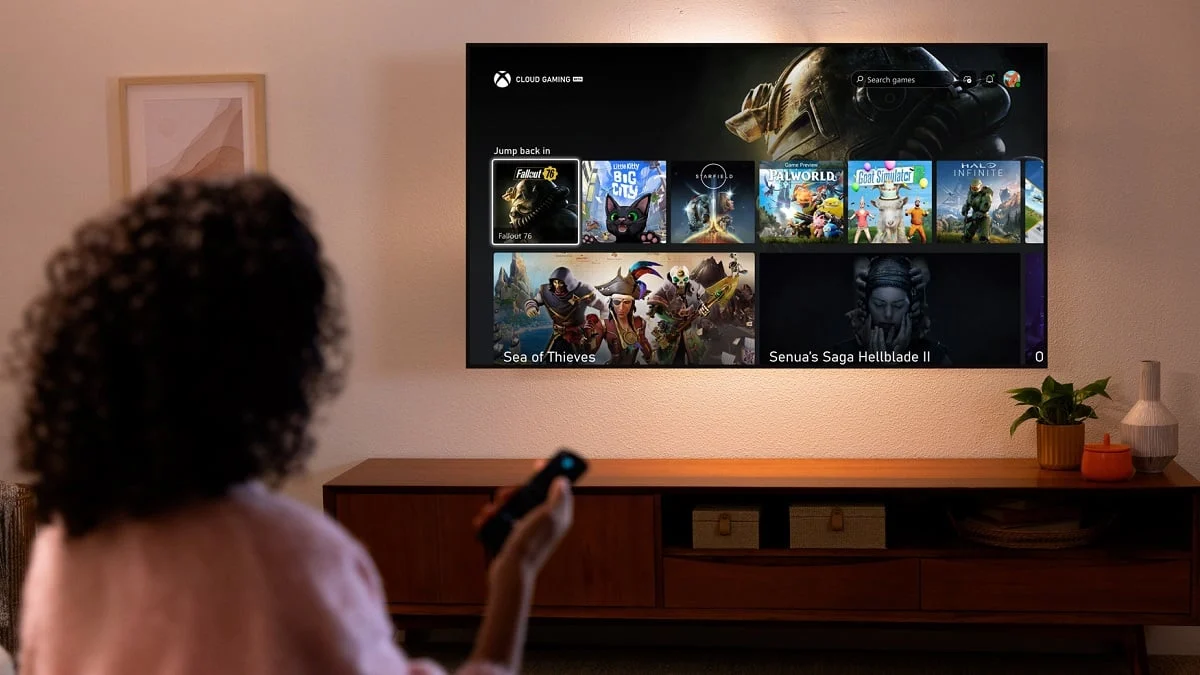
Microsoft has announced a significant expansion of its Xbox Game Pass ecosystem, enabling subscribers to access the vast library of games directly through select Amazon Fire TV devices without the need for a dedicated Xbox console. This strategic move, detailed in an Xbox Wire post on June 27, 2024, underscores Microsoft’s ongoing commitment to its "Xbox Everywhere" initiative, aiming to make gaming more accessible to a broader audience and drive growth for its subscription services. While no exact launch date has been provided, the integration promises to transform how many consumers experience high-fidelity gaming, particularly those seeking a more affordable entry point into the console-quality gaming landscape.
The "Xbox Everywhere" Vision: A Strategic Shift
This latest development is a clear manifestation of Microsoft’s evolving strategy within the highly competitive gaming industry. For years, the company’s gaming division, Xbox, has been shifting its focus from solely hardware sales to a more comprehensive ecosystem built around services, most notably Xbox Game Pass. Phil Spencer, Head of Xbox, has frequently articulated a vision where Xbox is not merely a console but a platform-agnostic service, available wherever players are. This philosophy has guided previous expansions of Xbox Cloud Gaming (formerly Project xCloud), which initially launched in beta and has since been integrated into Game Pass Ultimate, making games playable on compatible Android and iOS devices, Windows PCs via web browsers, and even select smart TVs from manufacturers like Samsung.
The journey towards this "Xbox Everywhere" strategy began earnestly with the introduction of Xbox Game Pass in 2017. Initially conceived as a Netflix-like subscription service for games on Xbox consoles, it rapidly grew to include PC titles and, crucially, cloud gaming capabilities. This expansion has been critical for Microsoft, especially as its console hardware sales have sometimes lagged behind competitors like Sony’s PlayStation and Nintendo’s Switch. By diversifying access points, Microsoft aims to mitigate the reliance on console purchases and instead prioritize the growth of its recurring revenue streams through Game Pass subscriptions. The integration with Amazon Fire TV Sticks represents a significant leap in this direction, tapping into a massive installed base of streaming device users who may not have previously considered purchasing a dedicated gaming console.
Unpacking the Fire TV Integration: Mechanics and Requirements
The upcoming compatibility will allow users with a Game Pass Ultimate subscription to download the Xbox app onto specific Amazon Fire TV devices, namely the Fire TV Stick 4K and the Fire TV Stick 4K Max. These devices, priced at $49.99 and $59.99 respectively, are popular streaming dongles known for their affordability and widespread adoption. Once the app is installed, users will be able to stream games from the entire Xbox Game Pass library via Microsoft’s cloud gaming infrastructure.
A crucial component for this setup is a Bluetooth wireless controller. Microsoft has explicitly stated that this does not necessarily have to be an Xbox-branded controller. The flexibility to use other popular controllers, such as a PlayStation 5 DualSense or even third-party Bluetooth controllers, significantly lowers the barrier to entry for many potential players who might already own such peripherals. This broad compatibility aligns with Microsoft’s inclusive approach, ensuring that gamers can utilize their existing hardware investments.
However, as with all cloud gaming solutions, the experience is heavily reliant on a stable and robust internet connection. Microsoft typically recommends a minimum download speed of 20 Mbps for a smooth cloud gaming experience, with lower latency being equally important to minimize input lag. An unstable or slow internet connection can lead to noticeable visual artifacts, stuttering, and delayed responses, significantly detracting from the gameplay experience. Unlike traditional console gaming where games are installed locally, there is no offline fallback option when streaming from the cloud. Therefore, while the initial hardware cost is minimal, a reliable internet service provider becomes a non-negotiable prerequisite for enjoying Xbox Game Pass on Fire TV.
A Cost-Effective Gateway: Financial Analysis for Consumers
One of the most compelling aspects of this announcement is the dramatic reduction in the cost of entry for accessing a premium gaming library. For many consumers, the price of a dedicated gaming console has always been a significant hurdle. Let’s examine the financial implications in detail:
- Traditional Console Setup (Xbox Series S): An Xbox Series S console typically retails for $299.99. Adding a year’s subscription to Game Pass Ultimate, which costs $16.99 per month ($203.88 annually), brings the total initial investment to approximately $503.87. This figure does not account for the cost of a display or additional accessories.
- Fire TV Stick Setup: A Fire TV Stick 4K costs $49.99, or the 4K Max at $59.99. Pairing this with a year of Game Pass Ultimate ($203.88 annually) results in a total cost of approximately $253.87 (for the 4K Stick) or $263.87 (for the 4K Max). This makes the Fire TV Stick option significantly cheaper than even the most affordable Xbox console, costing less than half the price of the Series S bundle.
This cost differential is substantial. For consumers who already own a compatible television and a suitable Bluetooth controller, the incremental cost to access hundreds of high-quality games shrinks to just the price of the Fire TV Stick and the Game Pass Ultimate subscription. Even for those needing to purchase a new television, the combined cost could still be more appealing than a console. Amazon’s website indicates that basic compatible televisions can start from around $240, pushing the total investment closer to $500 for a completely new setup (TV + Fire TV + 1 year Game Pass), which is still competitive with or even slightly below the cost of a Series S console and subscription alone.
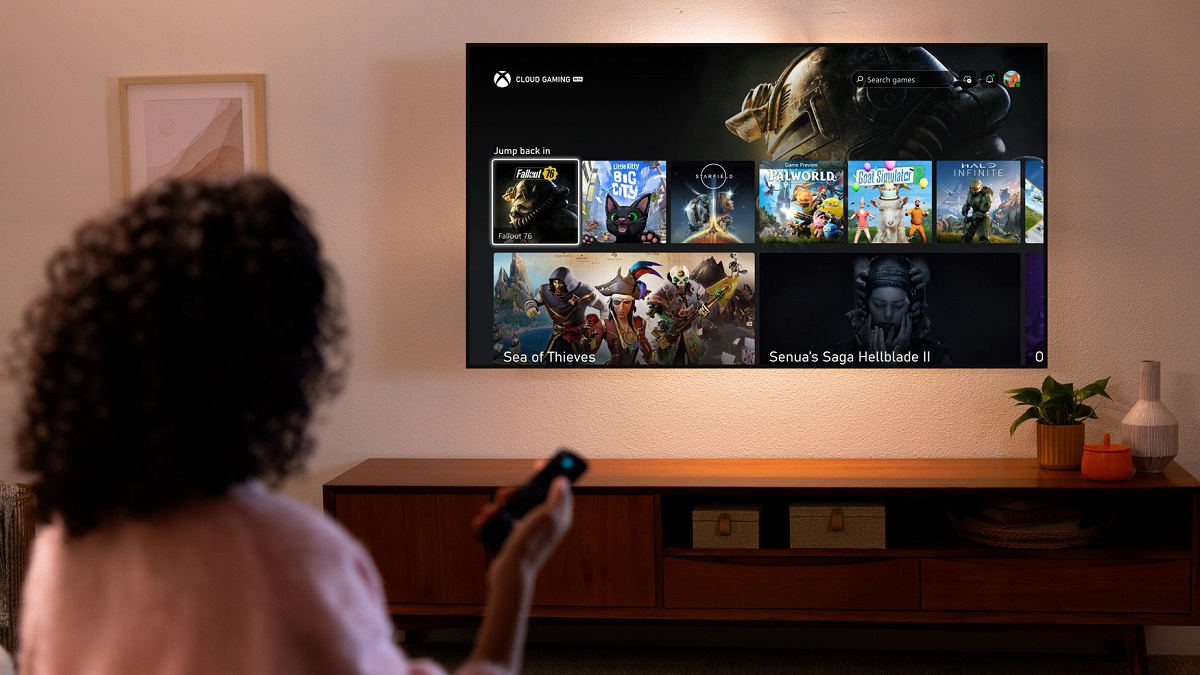
This pricing strategy targets a demographic that might be interested in gaming but hesitant to invest hundreds of dollars into a dedicated console. It democratizes access to gaming, potentially expanding Microsoft’s Game Pass subscriber base beyond traditional console owners to a broader audience of casual gamers, families, or individuals with limited entertainment budgets.
The Cloud Gaming Landscape: Microsoft’s Position and Industry Trends
The integration of Xbox Game Pass with Amazon Fire TV Sticks is also indicative of broader trends within the cloud gaming market. Cloud gaming has been touted for years as the future of gaming, promising console-quality experiences without the need for expensive hardware. While it has faced challenges related to latency, internet infrastructure, and content libraries, services like NVIDIA GeForce NOW, Google Stadia (though now defunct), Amazon Luna, and PlayStation Plus Premium have continued to push the envelope.
Microsoft’s Xbox Cloud Gaming has emerged as a strong contender in this space, leveraging its robust Azure cloud infrastructure and the immense appeal of the Game Pass library. By expanding to Fire TV, Microsoft is not only competing with rival cloud gaming services but also positioning itself against traditional console gaming and even other streaming platforms that offer limited gaming options. The move also strengthens Microsoft’s ties with Amazon, building on existing collaborations such as Amazon Web Services (AWS) hosting various Microsoft services and the availability of Microsoft 365 on Amazon’s platforms.
However, the success of cloud gaming, including this Fire TV integration, hinges on continuous improvements in internet infrastructure globally. As 5G networks become more prevalent and home broadband speeds increase, the technical barriers to entry for cloud gaming will diminish further, making experiences more seamless and indistinguishable from local gameplay. Microsoft’s investment in cloud gaming infrastructure, including dedicated server blades equipped with Xbox Series X components, aims to ensure a high-quality streaming experience across diverse devices.
Microsoft’s Broader Hardware Strategy and Cross-Platform Ambitions
This move to embrace third-party streaming devices is not an isolated incident but rather a continuation of Microsoft’s evolving hardware and platform strategy. In recent times, Xbox has demonstrated an increased willingness to port its first-party exclusive titles to rival platforms. Games like Sea of Thieves and Hi-Fi Rush, previously considered cornerstones of the Xbox ecosystem, have found success on PlayStation and Nintendo Switch. This willingness to share its intellectual property is a calculated risk, potentially sacrificing some console sales to gain broader reach and ultimately drive Game Pass subscriptions or direct game sales on other platforms. There have even been persistent rumors, though unconfirmed by Microsoft, of major Xbox franchises like Halo potentially making their way to PlayStation, further blurring the lines of traditional console exclusivity.
Despite this pivot towards software and services, Microsoft has also indicated that it is not abandoning hardware entirely. Xbox boss Phil Spencer himself has teased the existence of a rumored Xbox handheld device, suggesting that while the company wants its software everywhere, it also sees value in creating bespoke hardware experiences that complement its ecosystem. This dual approach—expanding software accessibility while also exploring new hardware form factors—reflects a complex strategy designed to maximize reach and revenue in a rapidly changing gaming landscape. The goal is clear: to ensure Xbox remains a relevant and profitable player regardless of how consumers choose to play.
Implications for the Gaming Ecosystem: A Paradigm Shift?
The availability of Xbox Game Pass on Amazon Fire TV Sticks carries significant implications for various stakeholders within the gaming ecosystem.
- For Microsoft: This move reinforces Microsoft’s position as a leader in subscription-based gaming and cloud services. It diversifies its revenue streams, making the company less susceptible to the cyclical nature of console sales. By expanding its reach to millions of Fire TV users, Microsoft significantly broadens its potential Game Pass subscriber base, which is a key metric for the company’s long-term growth. It also strengthens the "Xbox Everywhere" brand identity, positioning Xbox as a true cross-platform gaming service.
- For Consumers: The primary benefit for consumers is unprecedented accessibility and affordability. High-quality gaming, once limited by expensive hardware, is now available through a ubiquitous and inexpensive streaming stick. This could introduce a new generation of gamers to titles they might never have experienced otherwise. However, consumers must also be aware of the reliance on stable internet and the inherent limitations of cloud gaming, such as potential latency.
- For the Gaming Industry: This development could accelerate the broader shift towards cloud gaming and subscription models across the industry. It puts pressure on other console manufacturers and game publishers to innovate their own distribution and access strategies. The traditional console sales model may face further challenges as consumers increasingly prioritize convenience and cost-effectiveness. Game developers might also need to consider optimization for streaming environments, focusing on latency-tolerant gameplay where possible, though modern cloud gaming tech is already quite advanced in mitigating this.
- For Amazon: The integration enhances the value proposition of Amazon’s Fire TV devices. By offering access to a premier gaming library, Fire TV becomes a more compelling entertainment hub, potentially boosting sales of its streaming sticks and deepening customer engagement within the Amazon ecosystem. It also positions Amazon as a significant partner in the gaming space, alongside its own Luna cloud gaming service.
In conclusion, Microsoft’s decision to bring Xbox Game Pass to Amazon Fire TV Sticks is a watershed moment, symbolizing a further blurring of lines between traditional console gaming and accessible cloud-based experiences. It represents a bold strategic move to democratize gaming, prioritize service growth over hardware exclusivity, and cement Xbox’s presence across a multitude of devices. As the digital age continues to reshape entertainment consumption, this initiative positions Microsoft at the forefront of a potentially transformative era for the gaming industry, where access, flexibility, and affordability become paramount for capturing the next wave of players.