


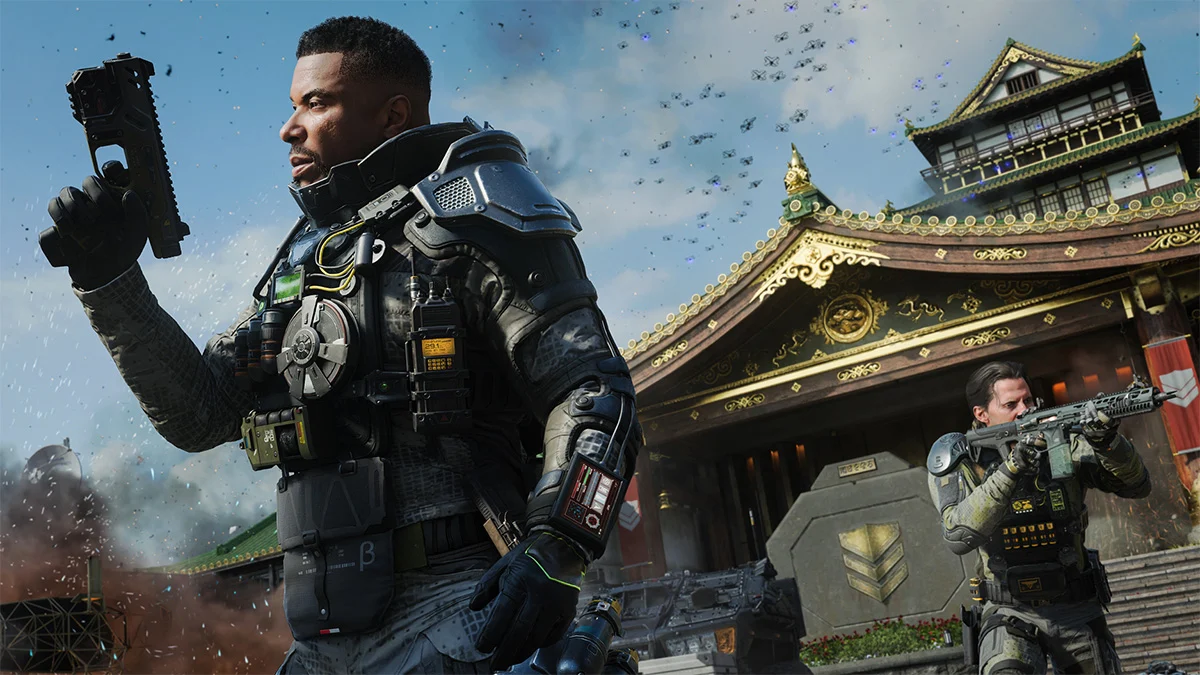
Microsoft’s recent strategic adjustments to its Xbox Game Pass subscription service, while offering a welcome price reduction for consumers, have introduced a significant alteration to the day-one availability of the highly anticipated Call of Duty franchise. This recalibration, detailed by PC Gamer, indicates that while Call of Duty will remain a cornerstone of the Game Pass library, its newest installments will not be accessible on their release day. Instead, a year-long delay is anticipated before these flagship titles become available to subscribers. This decision, however, opens a substantial window for the inclusion of a vast catalog of classic Call of Duty games, potentially revitalizing beloved entries and broadening the appeal of Microsoft’s subscription service.
The implications of this strategic pivot are multifaceted, suggesting a deliberate approach by Xbox to leverage its acquisition of Activision Blizzard. By strategically delaying the integration of new Call of Duty releases, Microsoft appears to be cultivating a more sustainable and varied content pipeline for Game Pass. This allows for the gradual onboarding of Activision Blizzard’s extensive back catalog, providing subscribers with a steady stream of content over time rather than an immediate influx that could saturate the service. The PC Gamer report, published on September 26, 2024, highlights that this approach will see more Call of Duty titles being added to Game Pass in 2026, even as the next mainline entry is slated for release on the service in 2025.
A Strategic Realignment: The Shift from Day-One to Delayed Integration
The decision to forgo day-one releases for future Call of Duty titles on Game Pass marks a departure from the initial expectations following Microsoft’s monumental acquisition of Activision Blizzard for approximately $68.7 billion, finalized in October 2023. This acquisition brought the entirety of Activision Blizzard’s gaming portfolio, including the immensely popular Call of Duty franchise, under the Xbox umbrella. At the time of the acquisition, there was widespread speculation that Call of Duty games would become immediate tentpoles of the Game Pass service, driving subscription growth and solidifying Xbox’s position in the market.
However, the economic realities and strategic considerations of managing such a vast and valuable intellectual property appear to have led to a more measured integration. The PC Gamer article posits that this change is intrinsically linked to the price adjustment of Game Pass. While the exact details of the price reduction are not specified in the provided text, it is implied that the cost savings for consumers are being offset by a more staggered release schedule for premium content. This approach could be a response to market pressures, subscription fatigue, or a deliberate strategy to manage the long-term value proposition of Game Pass.
The delay mechanism also allows for a more controlled rollout of Call of Duty content, potentially preventing a scenario where the service is perceived as solely reliant on new releases. Instead, it encourages players to engage with the service for its breadth of content, including its growing library of classic titles. This strategy could also be aimed at preserving the perceived value of individual Call of Duty purchases for those who prefer to own the games outright or wish to play them before they arrive on Game Pass.
Unlocking the Archives: A Treasure Trove of Classic Call of Duty Titles
The current presence of Call of Duty games on Game Pass, as noted by PC Gamer, is relatively limited. Subscribers can currently access the rebooted Modern Warfare trilogy, Black Ops 6 and 7, and Call of Duty: WWII. While these titles represent significant entries in the franchise, they constitute only a fraction of the series’ extensive history. This leaves a vast library of beloved and critically acclaimed Call of Duty games outside the Game Pass ecosystem, presenting an enormous opportunity for Xbox.
The potential for classic titles to be added to Game Pass is substantial. This includes, but is not limited to, the original Modern Warfare trilogy (Call of Duty 4: Modern Warfare, Modern Warfare 2 (2009), and Modern Warfare 3 (2011)), the initial Black Ops entries (Black Ops and Black Ops II), and foundational titles such as Call of Duty 1, Call of Duty 2, and Call of Duty: World at War. The inclusion of these games could reignite interest in the series’ historical roots, offering new generations of gamers a chance to experience the titles that defined the franchise and cemented its place in the shooter genre.
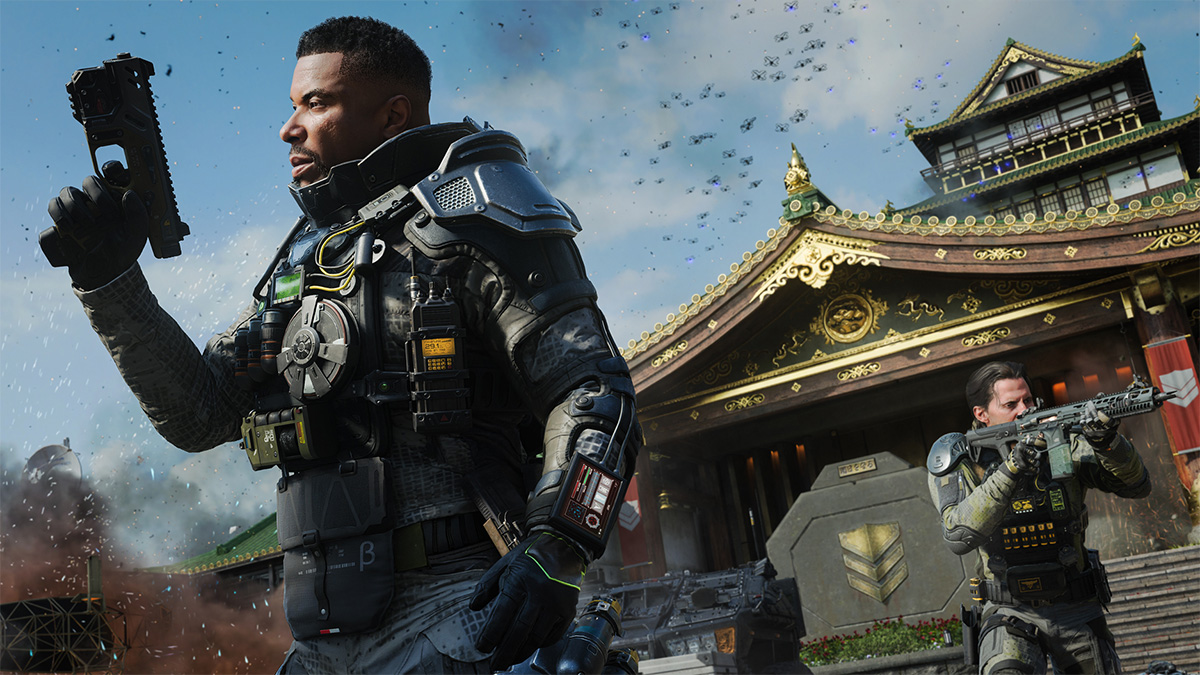
Furthermore, Call of Duty 3, a title that has historically been absent from the PC platform, now has a significantly higher probability of being made available to a wider audience through Game Pass. This would represent a historic crossover for the game, finally bringing it to PC and potentially other modern platforms. The opportunity to play Call of Duty 3 on PC, alongside other classic entries, would be a significant draw for long-time fans and newcomers alike.
A Look at the Roster: Potential Classic Additions
The potential for a significant influx of classic Call of Duty titles onto Game Pass is a compelling prospect for franchise enthusiasts. Based on the franchise’s history and player sentiment, several titles stand out as prime candidates for inclusion:
- The Original Modern Warfare Trilogy: These games are widely considered genre-defining. Call of Duty 4: Modern Warfare (2007) revolutionized online multiplayer and cinematic single-player campaigns. Its sequels, Modern Warfare 2 (2009) and Modern Warfare 3 (2011), continued this legacy, offering iconic multiplayer maps, innovative game modes, and compelling narratives. Their addition to Game Pass would be a monumental event for the service.
- The Early Black Ops Titles: Treyarch’s Black Ops series has a dedicated following, particularly for its engaging storylines and innovative Zombies modes. Call of Duty: Black Ops (2010) and Call of Duty: Black Ops II (2012) are frequently cited as fan favorites. The former explored Cold War espionage with a memorable campaign and introduced the fan-favorite Zombies map "Kino der Toten." The latter pushed the narrative forward with branching storylines and introduced the popular "Tranzit" Zombies mode.
- World War II Era Classics: Call of Duty 1 (2003) and Call of Duty 2 (2005) are foundational entries that established the series’ reputation for immersive World War II combat. Call of Duty: World at War (2008), developed by Treyarch, offered a grittier, more brutal portrayal of the Pacific and European theaters and also introduced the original iteration of Zombies. Bringing these historical cornerstones to Game Pass would provide a comprehensive historical perspective on the Call of Duty franchise.
- Call of Duty 3 (2006): As mentioned, this console-exclusive title has long been a point of contention for PC players. Its potential inclusion on Game Pass would rectify this historical oversight and provide access to a unique chapter in the franchise’s narrative, focusing on the Allied push towards Germany after the D-Day landings.
The sheer volume of these potential additions underscores the vast untapped potential within Activision Blizzard’s Call of Duty archive. Xbox has the opportunity to curate a diverse and compelling Call of Duty experience on Game Pass, catering to a wide range of player preferences, from modern warfare enthusiasts to historical combat aficionados.
Broader Implications for the Subscription Landscape
The strategic shift in Call of Duty‘s Game Pass integration has broader implications for the competitive landscape of subscription services in the gaming industry. By demonstrating a more nuanced approach to content rollout, Microsoft is potentially setting a precedent for how major franchises are integrated into subscription models. This strategy could encourage other publishers and platform holders to re-evaluate their own content release strategies, moving away from an all-or-nothing day-one approach towards a more phased and sustainable integration.
The emphasis on classic titles also highlights the growing importance of back catalogs in subscription services. As the market matures, consumers are increasingly looking for value beyond just new releases. The ability to access a deep and diverse library of older, yet still relevant, games can be a significant differentiator. For Call of Duty, this could mean breathing new life into titles that may have been overshadowed by newer installments, introducing them to a new audience and fostering a renewed appreciation for the franchise’s history.
This move also aligns with Microsoft’s stated commitment to making gaming more accessible. By offering a wider range of Call of Duty titles on Game Pass, the barrier to entry for experiencing the franchise is significantly lowered. Players who may have been hesitant to invest in individual game purchases can now explore the series’ evolution and depth through a single subscription.
Official Reactions and Future Outlook
While official statements from Microsoft or Activision Blizzard regarding the specific timeline and content for Call of Duty on Game Pass remain largely consistent with the initial acquisition announcements, the PC Gamer report provides a concrete indicator of their strategy. Xbox has consistently emphasized its commitment to delivering value to Game Pass subscribers and ensuring that Activision Blizzard titles are available on the service. The current adjustment appears to be a refinement of that commitment, aimed at optimizing the long-term success and appeal of both the Call of Duty franchise and the Game Pass subscription model.
The coming years will undoubtedly see a significant expansion of the Call of Duty presence on Xbox Game Pass. The delayed integration of new titles, coupled with the strategic onboarding of classic games, suggests a comprehensive plan to solidify Call of Duty‘s position as a flagship franchise within Microsoft’s gaming ecosystem. As more information emerges and as 2026 approaches, gamers can anticipate a wealth of Call of Duty content becoming readily available, offering an unparalleled opportunity to explore the rich history and diverse offerings of this iconic shooter series. The future of Call of Duty on Game Pass is not just about new releases; it’s about a comprehensive and enduring legacy being made accessible to millions.