


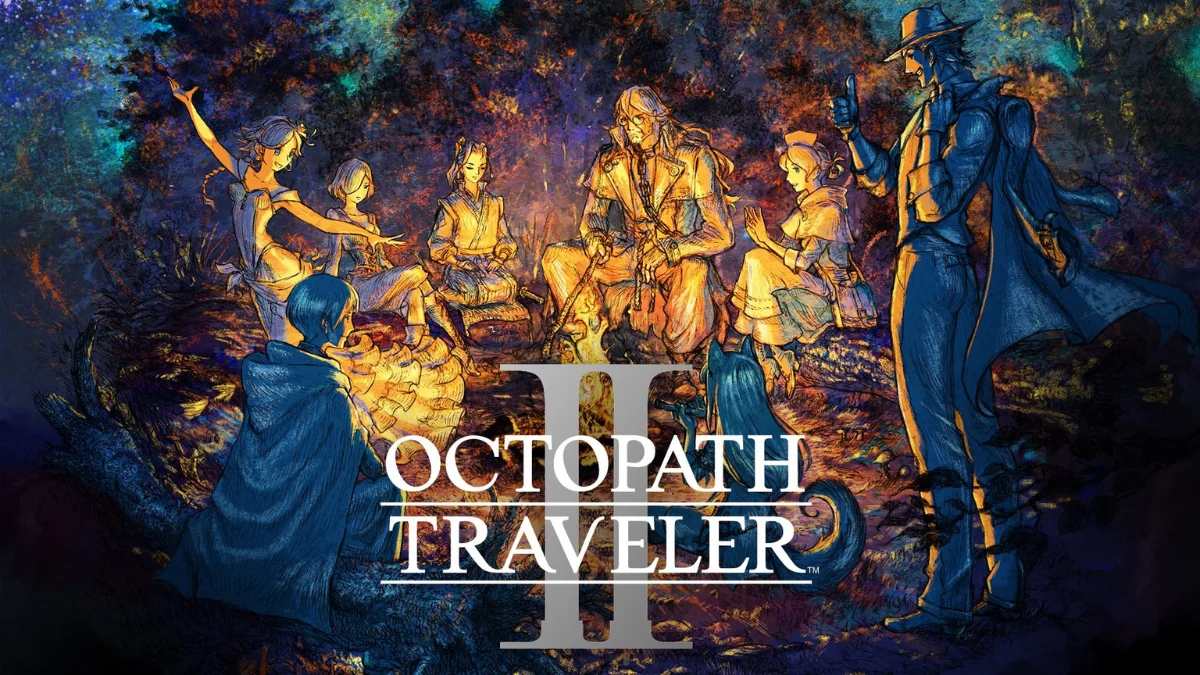
Microsoft has officially lifted the curtain on the first wave of titles slated to join Xbox Game Pass in June 2024, delivering a robust selection that spans beloved role-playing epics, intense survival horror experiences, and historical first-person shooters. Subscribers to the popular service will gain access to six new titles, spearheaded by the critically acclaimed JRPG duo, Octopath Traveler 1 and 2, alongside the atmospheric sci-fi horror journey, The Callisto Protocol. This initial announcement for June underscores Microsoft’s ongoing commitment to diversifying its Game Pass library, offering a blend of new releases, long-anticipated ports, and genre-defining classics to its growing global audience.
The introduction of these titles, strategically spaced throughout the first half of the month, is designed to maintain subscriber engagement and attract new users across console, PC, and cloud platforms. The inclusion of Octopath Traveler II, marking its debut on Xbox consoles, is particularly noteworthy, addressing a significant platform gap for JRPG enthusiasts within the Xbox ecosystem.
The Full Roster: Xbox Game Pass Wave 1, June 2024
Here is a comprehensive breakdown of the games arriving on Xbox Game Pass during the first half of June 2024, complete with their respective release dates on the service:
- Octopath Traveler (Cloud, Console, PC): Available Now (June 6)
- Octopath Traveler II (Cloud, PC, Xbox Series X|S): Available Now (June 6)
- Depersonalization (PC): June 12
- Isonzo (Cloud, Console, PC): June 13
- The Callisto Protocol (Cloud, Console, PC): June 13
- Still Wakes the Deep (Cloud, PC, Xbox Series X|S): June 18 (Day One Release)
This carefully curated selection highlights Microsoft’s strategy to cater to a broad spectrum of gaming preferences, from narrative-rich adventures to high-octane action and deeply psychological thrillers.
The Return of JRPG Excellence: Octopath Traveler 1 & 2
The headline additions of Octopath Traveler and its sequel, Octopath Traveler II, represent a significant boon for Xbox Game Pass subscribers, especially those with an affinity for Japanese Role-Playing Games. While the original Octopath Traveler is making a return to the service after a previous stint, its re-inclusion is synchronized with its long-awaited debut on PlayStation platforms, a strategic move by Square Enix to broaden the game’s reach six years after its initial Nintendo Switch launch in 2018. The game subsequently arrived on PC and Xbox, making its original Game Pass appearance before its temporary departure.
Octopath Traveler, developed by Acquire and published by Square Enix, is renowned for its distinctive "HD-2D" visual style, which marries meticulously crafted 2D pixel art characters and sprites with stunning 3D environments, enhanced by modern lighting and effects. This aesthetic pays homage to classic 16-bit JRPGs while offering a fresh, contemporary appeal. The game weaves eight distinct storylines, each centered around a different traveler with their own motivations, skills, and "Path Actions" that allow for unique interactions with NPCs in the game world. Players can recruit all eight characters and experience their interwoven narratives, culminating in a sprawling adventure set in the continent of Orsterra. Its innovative combat system, featuring "Boost" and "Break" mechanics, adds a layer of strategic depth, requiring players to exploit enemy weaknesses and time their attacks effectively.
The arrival of Octopath Traveler II on Xbox Series X|S, PC, and Cloud via Game Pass is particularly impactful. Released in 2023 for Nintendo Switch, PlayStation 4, PlayStation 5, and PC, the sequel garnered even greater critical acclaim than its predecessor, improving upon its formula with enhanced storytelling, more interconnected character arcs, and refined gameplay mechanics. Its absence from Xbox consoles until now was a point of contention for many JRPG fans on the platform. The game introduces a new cast of eight travelers in the land of Solistia, each again with unique "Path Actions" – some even varying between day and night – and expanded "Latent Powers" that add further tactical options in combat. The sequel was praised for its darker themes, more mature narratives, and greater narrative cohesion among its characters. Its launch on Game Pass immediately fills a significant content gap for Xbox users and provides an opportunity for a broader audience to experience one of the most celebrated JRPGs of recent years. The dual release underscores Square Enix’s expanding multi-platform strategy and Microsoft’s success in attracting high-profile third-party titles to its subscription service.
A Deep Dive into Galactic Terror: The Callisto Protocol
Adding a significant dose of survival horror to the Game Pass library is The Callisto Protocol, developed by Striking Distance Studios and published by Krafton. This title plunges players into a grim, sci-fi prison escape narrative that aims to deliver visceral scares and intense combat. Released in December 2022, the game quickly drew comparisons to the venerable Dead Space series, largely due to the involvement of Glen Schofield, co-creator of Dead Space, who founded Striking Distance Studios.
In The Callisto Protocol, players assume the role of Jacob Lee, a cargo pilot who finds himself unjustly incarcerated in the Black Iron Prison, a maximum-security facility located on Jupiter’s moon, Callisto. The prison soon descends into chaos as a mysterious outbreak transforms inmates and staff into grotesque, mutated creatures known as Biophages. Jacob must navigate the treacherous corridors of Black Iron, confronting horrifying abominations while uncovering the dark secrets behind the outbreak and the malevolent intentions of the United Jupiter Company. The game emphasizes a brutal melee combat system, augmented by a gravity-manipulating "GRP" device and an arsenal of firearms. Resource scarcity and psychological tension are core tenets of the experience, designed to keep players constantly on edge.
Upon its initial release, The Callisto Protocol received a mixed reception. While lauded for its stunning graphics, atmospheric sound design, and gruesome combat animations, critics and players pointed to issues such as technical performance challenges, a somewhat linear level design, and a narrative that, while engaging, didn’t always reach the heights of its genre predecessors. However, post-launch patches and content updates have addressed many of these concerns, refining the gameplay experience. Its inclusion in Game Pass offers a fresh opportunity for players who may have been hesitant at launch to experience its dark, atmospheric world and intense combat without an upfront purchase, potentially reigniting interest in the title and its unique brand of cosmic horror.
Immersive First-Person Warfare: Isonzo
For fans of historically accurate and tactical first-person shooters, Isonzo arrives on Game Pass, offering a gritty depiction of World War I’s Italian Front. Developed by BlackMill Games, known for their previous WWI titles Verdun and Tannenberg, Isonzo continues the studio’s commitment to delivering authentic and immersive trench warfare experiences.
The game takes its name and primary setting from the twelve Battles of the Isonzo, a series of brutal engagements fought between the Austro-Hungarian and Italian armies from 1915 to 1917 along the Isonzo River in present-day Slovenia and Italy. Isonzo meticulously recreates the mountainous terrain, historical weaponry, and tactical challenges of this often-overlooked theater of the Great War. Players engage in team-based multiplayer battles, supporting up to 40 players on consoles, across sprawling maps designed to reflect the period’s combat scenarios, including trench assaults, mountain strongholds, and river crossings. The game emphasizes strategic cooperation, class-based roles (such as officer, rifleman, engineer, and mountaineer), and realistic ballistics, requiring players to think tactically rather than relying solely on run-and-gun mechanics. The attention to historical detail extends to uniforms, equipment, and even the verbal commands, immersing players in the harrowing realities of early 20th-century warfare.
BlackMill Games has cultivated a niche following by providing highly authentic and challenging WWI simulations, distinguishing themselves from more arcade-style shooters. Isonzo‘s arrival on Game Pass makes this unique historical experience accessible to a broader audience, potentially introducing many players to the brutal and often claustrophobic nature of trench warfare, as well as the specific historical context of the Italian Front. It serves as an educational tool as much as an entertainment product, providing a visceral glimpse into a pivotal period of global conflict.
Unveiling New Narratives: Depersonalization
Adding a distinct flavor of indie innovation to the Game Pass lineup is Depersonalization, a tabletop RPG-inspired game from developer MeowNature. This title ventures into the realm of narrative-driven experiences, emphasizing player choice and branching storylines over traditional action mechanics.
Depersonalization translates the essence of a pen-and-paper role-playing game into a digital format, focusing on rich storytelling and the impact of player decisions. The game presents players with a multitude of choices, each capable of altering the narrative’s trajectory and leading to different outcomes. This design philosophy encourages multiple playthroughs to explore the full breadth of its intricate plotlines and discover all possible endings. The core appeal lies in its ability to adapt and respond to player agency, crafting a personalized journey through its mysterious world. While specific details on its setting and premise are often intentionally vague to encourage discovery, such games typically delve into themes of identity, reality, and consequences, making the "depersonalization" in its title a potentially literal or metaphorical concept.
The inclusion of Depersonalization underscores Game Pass’s commitment to supporting independent developers and offering a diverse range of genres beyond mainstream blockbusters. Indie titles often push boundaries in storytelling, mechanics, and artistic expression, providing fresh perspectives and unique experiences that might not find a home in larger-budget productions. For PC Game Pass subscribers, Depersonalization offers a thoughtful, choice-driven adventure that appeals to fans of interactive fiction and traditional RPG narratives, demonstrating the breadth of experiences available through the subscription service.
Day One Release: Still Wakes the Deep – A New Standard in Psychological Horror
One of the most anticipated additions in this wave, and a significant win for Game Pass subscribers, is Still Wakes the Deep, which launches as a day-one release on the service. This psychological, survival horror game comes from The Chinese Room, a studio renowned for its masterful storytelling and atmospheric tension in titles such as Dear Esther, Amnesia: A Machine for Pigs, and Everybody’s Gone to the Rapture.
Set in 1975 on an isolated, crumbling oil rig off the coast of Scotland, Still Wakes the Deep thrusts players into the shoes of Caz McLeary, an electrician whose ordinary life is shattered when an unknowable horror invades the platform. With the rig being torn apart by the encroaching entity and the North Sea raging around him, Caz must navigate the increasingly dangerous environment, outwit a terrifying, unseen threat, and desperately try to save his crew and himself. The Chinese Room’s pedigree in crafting deeply immersive, narrative-driven horror experiences suggests that Still Wakes the Deep will prioritize psychological dread, environmental storytelling, and a chilling atmosphere over jump scares or overt combat. Their previous works are celebrated for their ability to evoke powerful emotions and craft haunting narratives through exploration and discovery, often pioneering the "walking simulator" genre.
The decision to launch Still Wakes the Deep directly into Game Pass on its release day is a testament to Microsoft’s strategy of offering immediate access to new, high-quality titles. Day-one releases are a significant value proposition for subscribers, ensuring they don’t have to wait or pay extra to experience the latest games. For The Chinese Room, it guarantees a massive potential audience at launch, providing critical exposure and player feedback. This move reinforces Game Pass’s position as a premier destination for discovering new games and highlights Microsoft’s confidence in the game’s quality and its ability to attract and retain subscribers interested in sophisticated, narrative-rich horror.
Strategic Implications for Xbox Game Pass
The continuous influx of high-quality, diverse titles like those announced for early June 2024 is central to Microsoft’s long-term strategy for Xbox Game Pass. This subscription service has become a cornerstone of the Xbox ecosystem, significantly influencing hardware sales, digital content consumption, and overall brand loyalty.
Subscriber Growth and Retention: By consistently adding a mix of critically acclaimed titles (like Octopath Traveler II), high-profile day-one releases (Still Wakes the Deep), and niche genre entries (Isonzo, Depersonalization), Game Pass aims to appeal to a broad demographic of gamers. This strategy is crucial for both attracting new subscribers and, more importantly, retaining existing ones. The value proposition of gaining access to a rotating library of hundreds of games for a single monthly fee remains highly compelling in an increasingly competitive entertainment landscape.
Diversification and Market Reach: The variety within this wave—from JRPGs and survival horror to historical shooters and narrative indies—showcases Microsoft’s commitment to offering a truly diverse catalog. This diversification allows Game Pass to cater to various tastes, ensuring that there’s always something new for different types of players. It also helps in reaching different market segments, including those who might not typically buy individual games at full price but are willing to subscribe for a curated selection.
Developer Partnerships and Ecosystem Strength: For developers, having their games featured on Game Pass offers significant benefits, including a substantial financial injection from Microsoft and immediate exposure to tens of millions of subscribers. This exposure can translate into increased sales of DLC, merchandise, and even future titles. For games like The Callisto Protocol, which had a mixed initial reception, Game Pass provides a second chance to find its audience. For smaller studios like MeowNature (Depersonalization) or BlackMill Games (Isonzo), it’s an unparalleled opportunity for visibility. Day-one launches, as seen with Still Wakes the Deep, cement Game Pass as a powerful launch platform, influencing development and publishing decisions across the industry.
Competition and Industry Trends: In an era where subscription services are becoming the norm across media (video, music, gaming), Game Pass is a key differentiator for Xbox against competitors like PlayStation Plus, Nintendo Switch Online, and various PC-centric services. Its expansive library, combined with day-one first-party titles and growing third-party support, positions it as a leader in the gaming subscription space. The model’s success has pushed other platforms to refine their own offerings, fostering a competitive environment that ultimately benefits consumers.
The Evolving Landscape of Gaming Subscriptions
The strategic importance of Game Pass extends beyond Microsoft’s immediate business objectives; it reflects a broader industry shift towards subscription-based consumption. While traditionally dominated by upfront purchases, the gaming market is increasingly embracing models that offer access to a rotating catalog of titles for a recurring fee. This shift presents both opportunities and challenges. For consumers, it offers unprecedented value and accessibility, allowing them to explore genres and games they might not otherwise purchase. For developers and publishers, it opens new revenue streams and wider audience reach, though it also necessitates careful consideration of economic models and intellectual property management.
Game Pass’s continued expansion, marked by announcements like the June 2024 Wave 1, demonstrates the sustainability and adaptability of this model. By integrating cloud gaming, PC gaming, and console experiences under one umbrella, Microsoft is positioning Game Pass not just as a service, but as a comprehensive ecosystem designed to deliver gaming content wherever and whenever players desire it. The success of this model will likely continue to influence how games are developed, published, and consumed for years to come.
Conclusion
The first wave of Xbox Game Pass additions for June 2024 represents a powerful statement from Microsoft regarding its commitment to delivering diverse, high-quality content to its subscribers. From the critically acclaimed "HD-2D" JRPG narratives of Octopath Traveler 1 and 2, which finally bring the sequel to Xbox, to the intense survival horror of The Callisto Protocol and the anticipated day-one release of Still Wakes the Deep, the lineup offers something for nearly every gaming palate. Coupled with the historical immersion of Isonzo and the narrative depth of Depersonalization, these titles collectively enhance the value proposition of Game Pass, reinforcing its status as a premier gaming subscription service. As the gaming landscape continues to evolve, Microsoft’s strategic curation of its Game Pass library remains a pivotal element in its long-term vision for the Xbox brand and its broader engagement with the global gaming community.