


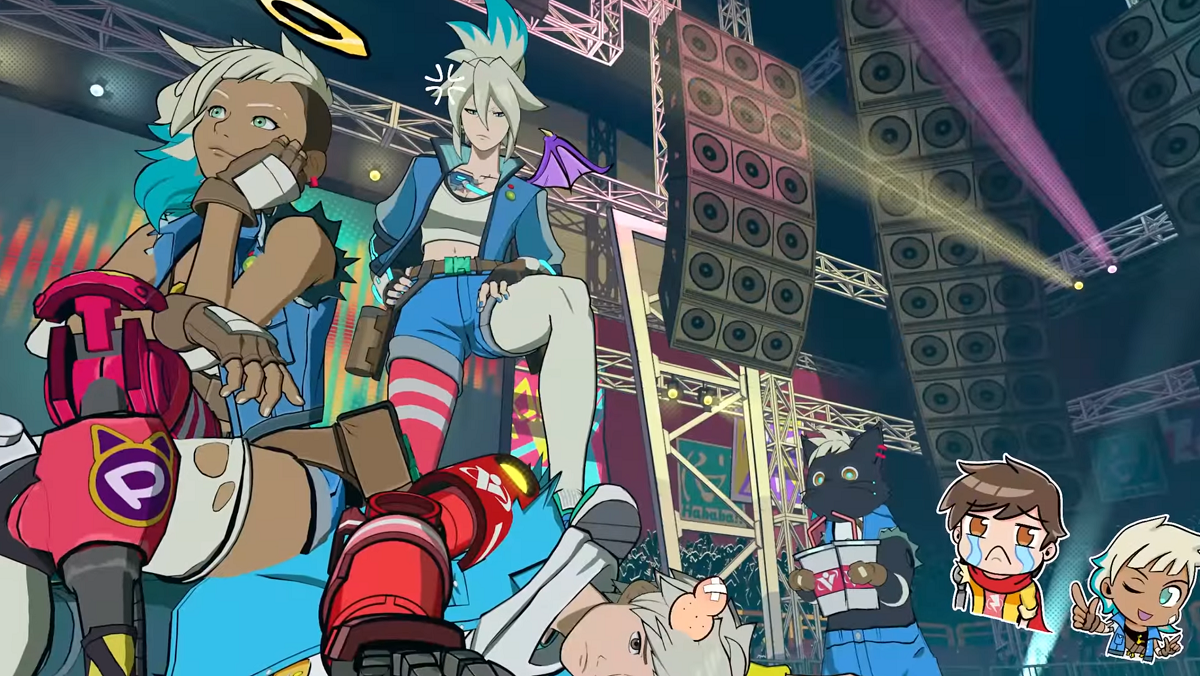
Microsoft has confirmed the significant closure of four of its Xbox game development studios, a move that sends ripples of uncertainty through the gaming industry and underscores a broader trend of consolidation and cost-cutting. The studios affected include Arkane Austin, the creators of the critically divisive Redfall, and Tango Gameworks, celebrated for the surprise hit Hi-Fi Rush. Alpha Dog Games, another studio under the Xbox umbrella, will also be shuttered. Roundhouse Studios, a subsidiary of ZeniMax Studios, will be absorbed into ZeniMax Online Studios to bolster its development efforts. This decision marks another stark moment in a year already characterized by widespread layoffs and studio closures across the global gaming landscape.
The gaming industry has been in a state of flux throughout 2024, with numerous high-profile companies undertaking significant restructuring. Embracer Group, once a voracious acquirer of game development studios, has shifted its strategy dramatically. Once known for its aggressive expansion, the company has recently been engaged in divesting assets, selling off studios, and implementing substantial workforce reductions to streamline its operations and improve financial performance. This pattern of contraction, initially exemplified by companies like Embracer, now appears to be impacting major players like Microsoft, raising concerns about the long-term stability and creative freedom within the industry.
Microsoft’s announcement follows a period of considerable upheaval within its gaming division. In January 2024, the company revealed plans to lay off approximately 1,900 employees across its Xbox operations and the recently acquired Activision Blizzard. While the precise number of employees affected by the latest studio closures has not yet been officially disclosed by Microsoft, the impact is undoubtedly significant for the individuals involved. The news of these closures was initially communicated internally via an email from Matt Booty, Head of Xbox Game Studios, and subsequently verified by industry publications. Individual studio social media accounts have also begun to acknowledge the news, with many employees expressing their distress and frustration on social media platforms. Microsoft has, for the time being, declined to comment on the specific reports.
H2: A Contradictory Landscape: Critical Acclaim vs. Business Realities
The decisions surrounding Arkane Austin and Tango Gameworks highlight a puzzling disconnect between critical reception, player engagement, and corporate strategic imperatives. Arkane Austin, a studio with a pedigree for critically acclaimed titles such as Prey (2017) and the original Dishonored, faced a challenging launch with Redfall. Despite the game’s lukewarm reception, Xbox executives had previously expressed a commitment to supporting the title and its developers. In a May 2023 interview with Kinda Funny, Xbox head Phil Spencer articulated this commitment: "In terms of our commitment to the game… absolutely, the team at Arkane is taking the near-term feedback. We’re still working on the 60fps update. We have a good timeline for that, we’re committed to getting that done. And we’re going to continue to work the game. I think we’ve shown a commitment to games like Sea of Thieves and Grounded, to continue to go and build games. But I also know that these games are $70, and I’m gonna take full responsibility for launching a game that needs to be great."
However, in the wake of the closure announcement, Redfall will cease receiving further updates, though it will remain playable. A "make-good" is promised for players who purchased the premium DLC pass, but the future development of the game has been effectively halted. This abrupt shift in strategy, particularly for a studio with such a strong creative history, raises questions about the metrics used to determine studio viability. While some Arkane Austin staff are expected to be relocated to other positions within the company, the fate of many others remains uncertain.
The closure of Tango Gameworks presents an even more perplexing scenario. Hi-Fi Rush, released as a surprise title, was widely lauded as a vibrant and innovative addition to the Xbox portfolio, earning critical acclaim and representing a much-needed injection of originality. The game even secured a BAFTA award, with Tango Gameworks being congratulated by the official Bethesda account on X (formerly Twitter) just weeks prior to the closure announcement.
Despite this critical success, reports emerged suggesting that Hi-Fi Rush may have underperformed commercially. Xbox’s VP of Games Marketing, Aaron Greenberg, publicly refuted these claims, stating in a public communication, "[Hi-Fi Rush] was a break out hit for us and our players in all key measurements and expectations. We couldn’t be happier with what the team at Tango Gameworks delivered with this surprise release." This statement directly contradicts the decision to close the studio. Adding to the irony, Hi-Fi Rush was recently selected as part of a curated list of Xbox games to be released on other platforms, a move typically indicative of a title’s success and continued potential. Now, while the game itself will remain accessible, the studio responsible for its creation is being dismantled.
H2: The Rationale Behind the Restructuring: Prioritizing "High-Impact Titles"
In his internal communication, Matt Booty, Head of Xbox Game Studios, cited a strategic reprioritization as the driving force behind these closures. He stated, "These changes are grounded in prioritizing high-impact titles and further investing in Bethesda’s portfolio of blockbuster games and beloved worlds which you have nurtured over many decades. To double down on these franchises and invest to build new ones requires us to look across the business to identify the opportunities that are best positioned for success. This reprioritization of titles and resources means a few teams will be realigned to others and that some of our colleagues will be leaving us."
This rationale suggests a strategic shift towards focusing resources on established, high-performing franchises and intellectual properties, particularly within the Bethesda umbrella. While this approach aims to maximize returns and concentrate development efforts on what are perceived as guaranteed successes, it comes at the significant cost of creative diversity and the potential for unique, less conventional projects to emerge.
H3: Financial Context: Record Profits Amidst Layoffs
The decision to close studios and lay off employees occurs against a backdrop of remarkable financial success for Microsoft. In the fiscal year 2024, third quarter earnings, reported on April 25, 2024, indicated robust performance for the company. Microsoft announced significant growth in its overall revenue and profitability. Notably, Xbox content and services revenue saw a substantial increase of 62% (61% in constant currency), largely attributed to the acquisition of Activision Blizzard. This acquisition alone contributed 61 percentage points to the net impact on revenue.
This financial strength contrasts sharply with the workforce reductions. In January 2024, the same month Microsoft announced the initial wave of 1,900 layoffs, the company also achieved a significant milestone by becoming the second company in history to reach a $3 trillion market capitalization. This juxtaposition of record-breaking financial achievements and substantial job cuts raises critical questions about the distribution of wealth within the industry and the priorities guiding corporate decision-making.
H2: A Troubled Industry Outlook and the Human Cost
The current situation within the gaming industry is far from unique to Microsoft. The past year has been particularly brutal, with numerous reports detailing widespread layoffs and studio closures. This trend is not confined to one or two companies; rather, it reflects a systemic issue impacting developers globally. The video game market, while generating billions in revenue, is also characterized by intense competition, high development costs, and fluctuating consumer demand. Current outlooks for console growth suggest a period of flatness, intensifying the pressure on companies to demonstrate consistent profitability.
This environment places immense scrutiny on game development studios to perform, often under opaque metrics of success. The consequence is a significant human cost. Phil Spencer himself acknowledged the gravity of the situation in a March interview with Polygon, stating, "I reflect on friends of mine in the industry that have been displaced and lost their jobs and how just, I don’t want this industry to be a place where people can’t, with confidence, build a career." This sentiment is particularly poignant given that some layoffs have occurred following the implementation of return-to-office mandates, creating a sense of instability and disillusionment for many professionals. Reports already indicate that significant talent is exiting the industry due to these ongoing uncertainties.
The challenge of finding new employment in a saturated market is compounded by the difficulty in securing publishing deals for independent developers, with reported funding becoming increasingly scarce. This creates a precarious situation for experienced developers seeking new opportunities.
H3: The Balance Between Fuel and Passion
The fundamental tension between the financial "fuel" required to create games and the intrinsic passion that drives their creation was articulated by Larian Studios CEO Swen Vincke in a December 2023 social media post: "They don’t care that much about the money made beyond it being the fuel they need to create new and better games. It’s worth reminding everyone that fuel is but a means, not a goal. Whereto and how we journey are what matter and what we remember." This quote encapsulates the core dilemma: while financial viability is essential for sustained development, it should not overshadow the artistic and creative aspirations that are at the heart of game creation.
H2: The Road Ahead: Xbox Showcase and Unanswered Questions
As Xbox prepares to host its showcase during the Summer Game Fest in June, the industry will be watching closely. These annual events often serve as platforms to highlight upcoming titles and offer glimpses into the future of gaming. However, they have also been criticized for failing to adequately address the underlying issues plaguing the industry and the livelihoods of its creators.
The recent wave of studio closures and layoffs raises pertinent questions about the tenor and content of Xbox’s upcoming presentation. Will there be an acknowledgment of the difficult decisions made and their impact on the development community? Will there be a candid discussion about the company’s strategic direction and its commitment to fostering a sustainable and supportive environment for game developers? The industry, and particularly the talented individuals who have lost their jobs, deserve clear answers and accountability. The question of "why" these studios were shuttered, especially those with recent critical successes, remains a significant one, and the hope is that, at some point, these reasons will be addressed on the record.