


Microsoft confirmed this morning the abrupt closure of four Xbox game development studios, a move that has sent shockwaves through the industry and underscores a troubling trend of consolidation and workforce reduction within the gaming sector. Arkane Austin, the studio behind the critically divisive Redfall, and Tango Gameworks, celebrated for the surprise hit Hi-Fi Rush, are among the shuttered entities. Alpha Dog Games has also ceased operations, while Roundhouse Studios will be absorbed into ZeniMax Online Studios to bolster development on existing projects. This significant restructuring represents another somber chapter in what has been a year marked by widespread layoffs and studio closures across major gaming publishers.
A Pattern of Industry Consolidation and Cuts
The gaming industry has been grappling with a challenging economic climate throughout 2024, with numerous companies undertaking significant workforce reductions. Notably, Embracer Group, once an aggressive acquirer of game studios, has been actively divesting assets, selling off subsidiaries, and implementing substantial layoffs to streamline its operations. This latest action by Microsoft places it squarely within this broader industry pattern, signaling a strategic recalibration for its gaming division.
Earlier this year, Microsoft announced a massive layoff of approximately 1,900 employees across its Xbox division and the recently acquired Activision Blizzard. While the precise number of employees affected by these studio closures has not yet been disclosed, the impact is expected to be substantial. The news of the closures was initially disseminated through an internal email from Matt Booty, head of Xbox Game Studios, which was subsequently obtained and verified by industry news outlets. Individual studio social media accounts have also confirmed the difficult news, with many employees expressing their profound frustration and disappointment on social media platforms. Microsoft has largely declined to comment on specific reports, reinforcing the often opaque nature of corporate decision-making in such situations.
Examining the Rationale: Performance vs. Strategic Reprioritization
The justifications offered for these closures paint a complex picture, juxtaposing perceived underperformance with a stated desire to focus on "high-impact titles" and bolster Bethesda’s established franchises.
Arkane Austin’s Redfall: A Stumble and Its Aftermath
Arkane Austin, a studio with a respected pedigree, having previously delivered acclaimed titles such as Prey (2017) and the original Dishonored, faced significant criticism for its 2023 release, Redfall. While the game will remain playable online, it will no longer receive further updates. A promise has been made to offer a "make-good" for players who purchased the premium DLC pass, a gesture that offers little solace to those invested in the game’s future.
This decision starkly contrasts with earlier assurances from Xbox head Phil Spencer. In a May 2023 interview with Kinda Funny, Spencer expressed a commitment to supporting Redfall, stating, "In terms of our commitment to the game… absolutely, the team at Arkane is taking the near-term feedback. We’re still working on the 60fps update. We have a good timeline for that, we’re committed to getting that done. And we’re going to continue to work the game." He further drew parallels to the ongoing support for titles like Sea of Thieves and Grounded, emphasizing a dedication to "continue to go and build games." The subsequent closure of Arkane Austin, despite these prior commitments, raises questions about the fluidity of strategic priorities and the weight given to initial reception versus long-term potential.
Tango Gameworks and Hi-Fi Rush: Critical Acclaim Meets Corporate Reality
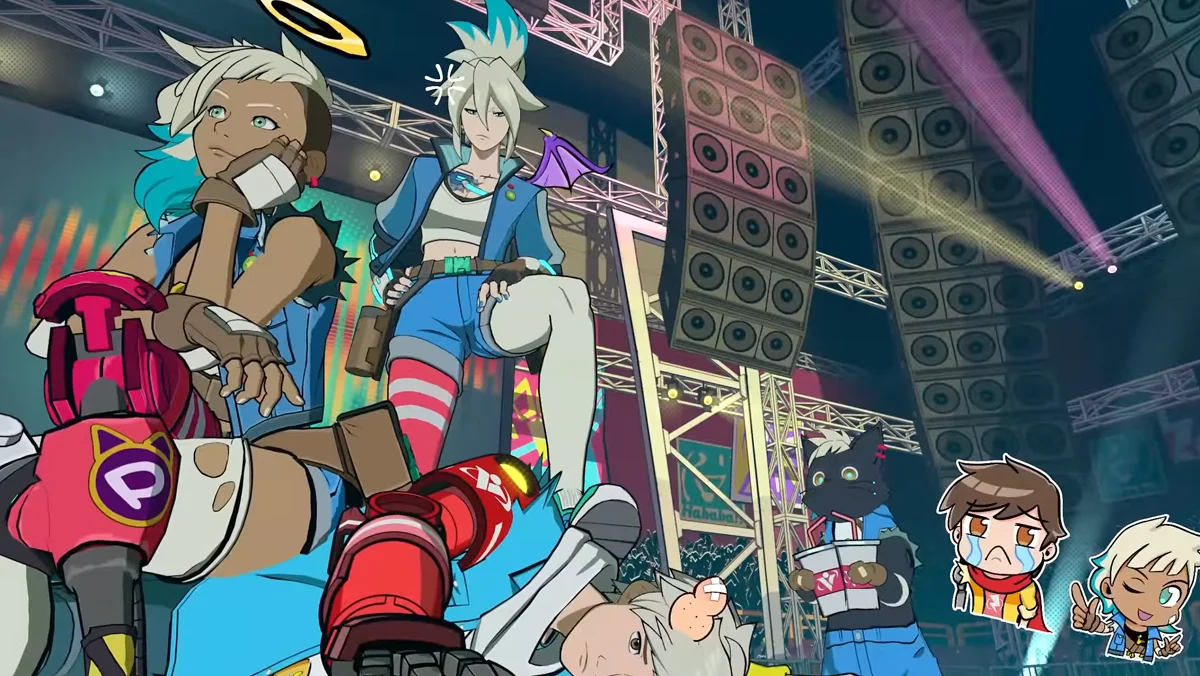
Tango Gameworks, on the other hand, delivered Hi-Fi Rush, a title widely lauded as a critical success and a much-needed injection of innovation for the Xbox brand. The game garnered significant critical acclaim and was recognized with awards, including a BAFTA win, which the official Bethesda account had retweeted on Tango Gameworks’ timeline shortly before the closure announcement.
Despite this positive reception, reports emerged suggesting that Hi-Fi Rush underperformed commercially. However, this narrative was publicly refuted by Aaron Greenberg, Xbox’s VP of Games Marketing, who stated, "[Hi-Fi Rush] was a break out hit for us and our players in all key measurements and expectations. We couldn’t be happier with what the team at Tango Gameworks delivered with this surprise release." The recent announcement that Hi-Fi Rush would be expanding to other platforms, a clear indication of its perceived success and marketability, further amplifies the bewilderment surrounding its studio’s closure. The games developed by Tango Gameworks will remain accessible, but the studio itself has been dissolved.
Strategic Reprioritization: The Official Narrative
Matt Booty, in his internal communication, outlined the rationale behind these drastic measures as a strategic shift to "prioritize high-impact titles and further investing in Bethesda’s portfolio of blockbuster games and beloved worlds." He elaborated, stating, "To double down on these franchises and invest to build new ones requires us to look across the business to identify the opportunities that are best positioned for success. This reprioritization of titles and resources means a few teams will be realigned to others and that some of our colleagues will be leaving us."
This statement suggests a deliberate move to consolidate resources and focus on established, high-performing intellectual properties within Bethesda’s expansive catalog. The implication is that studios and projects not directly contributing to this core strategy are deemed expendable, regardless of their critical reception or potential.
Financial Context and Market Performance
To understand the broader context, examining Microsoft’s financial performance provides insight into the pressures driving such decisions. Microsoft’s FY24 Q3 earnings report, released on April 25, 2024, highlighted robust overall financial health. The company announced record revenue for the quarter, with strong contributions from its Cloud and Productivity divisions. Within the Gaming segment, Xbox content and services revenue saw a substantial increase of 62% (61% in constant currency), largely attributed to the net impact of the Activision Blizzard acquisition. This acquisition, finalized in October 2023 for a staggering $68.7 billion, significantly expanded Microsoft’s gaming portfolio and market share.
Ironically, just months prior, in January 2024, Microsoft achieved a monumental milestone, becoming the second company in history to reach a $3 trillion market capitalization. This confluence of immense profitability and a record-breaking market valuation makes the simultaneous decision to shutter established game development studios all the more perplexing to industry observers and employees alike. The question arises: when a company is performing at such a high financial level, what constitutes "success" at the studio level, and what metrics are being employed to justify such drastic workforce reductions?
Broader Industry Implications and Talent Drain
The current wave of layoffs and studio closures is not isolated to Microsoft. The video game industry as a whole is experiencing significant upheaval. Reports have indicated a growing concern about a potential talent drain, with experienced professionals considering leaving the industry altogether due to the instability. This is exacerbated by the fact that some layoffs have occurred following the implementation of return-to-office mandates, adding a layer of perceived insensitivity to the corporate decisions.
The outlook for the video game console market appears to be flattening, contributing to increased scrutiny on studios to deliver demonstrable results. However, the criteria for success remain often opaque, leading to a climate of uncertainty and anxiety among developers.
Phil Spencer himself has acknowledged the human cost of these industry trends. In a March interview with Polygon, discussing the pervasive layoffs, he stated, "I reflect on friends of mine in the industry that have been displaced and lost their jobs and how just, I don’t want this industry to be a place where people can’t, with confidence, build a career." This sentiment, while perhaps well-intentioned, rings with a degree of irony given the current circumstances. The core issue remains that when strategic decisions are made and cuts are deemed necessary, it is the individuals who pour their creativity and labor into game development who bear the brunt of the consequences.
The current economic climate presents a dual challenge for aspiring and established game developers. Not only are job openings scarce, but reports suggest that funding for independent developers and publishers is also becoming increasingly difficult to secure. Larian Studios CEO Swen Vincke articulated this tension in a December 2023 tweet, highlighting the distinction between financial success as a means to an end and as the ultimate goal: "They don’t care that much about the money made beyond it being the fuel they need to create new and better games. It’s worth reminding everyone that fuel is but a means, not a goal. Whereto and how we journey are what matter and what we remember." This perspective underscores the potential disconnect between corporate financial objectives and the creative drive that fuels game development.
The Road Ahead: Uncertainty and Accountability
As Xbox prepares to host its annual showcase as part of the Summer Game Fest in June, the industry will be keenly observing the tone and messaging surrounding its upcoming titles. Events like Summer Game Fest often serve as platforms to highlight exciting new projects, but they have also been criticized for failing to adequately address the systemic issues plaguing the industry and the well-being of its workforce.
The question of accountability looms large. Following a day of significant professional disruption for hundreds of individuals, there is a palpable anticipation for a direct and on-the-record explanation from Xbox leadership regarding the decisions made. The human element, the talent and dedication of the developers whose careers have been irrevocably altered, deserves a comprehensive and transparent accounting. The future of game development, and the stability it offers to its creators, hinges on addressing these challenging realities with greater clarity and empathy.