


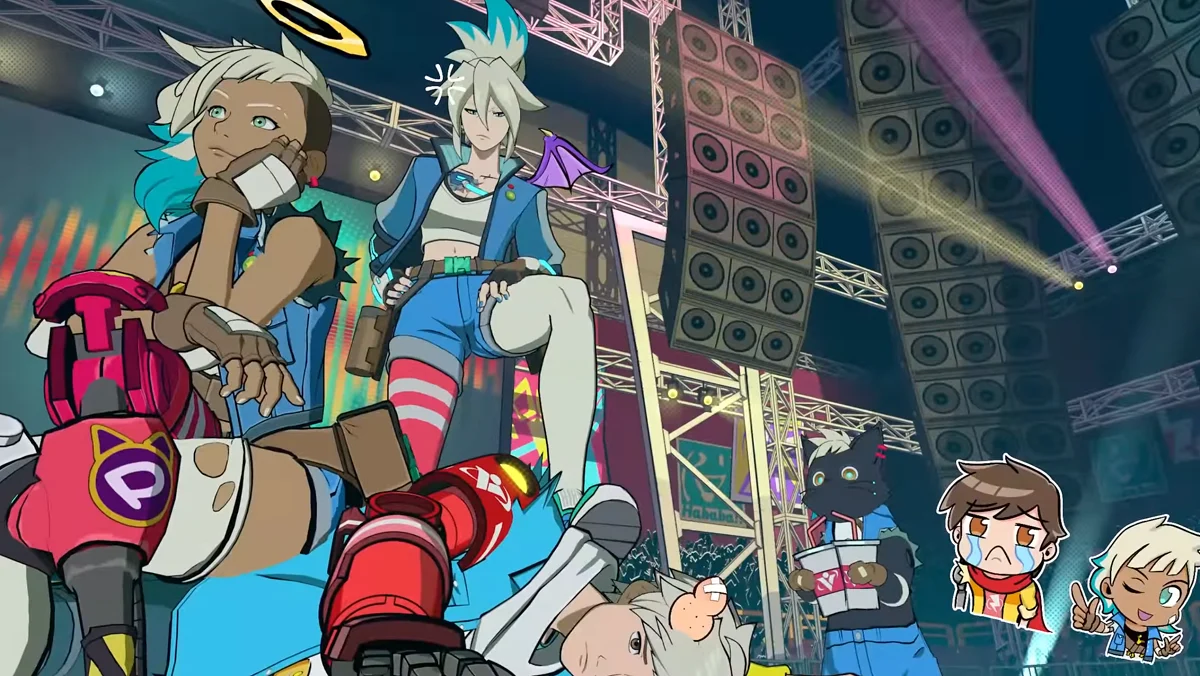
Microsoft confirmed this morning the abrupt closure of four Xbox game development studios, a move that has sent shockwaves through the gaming community and underscores a period of significant upheaval within the industry. Arkane Austin, known for its work on Dishonored and Prey as well as the recent title Redfall, and Tango Gameworks, acclaimed for the surprise hit Hi-Fi Rush, will cease operations entirely. Additionally, Alpha Dog Games, which contributed to Wraith: The Oblivion – Afterlife, is being shut down. Roundhouse Studios, a team formed from former members of Human Head Studios, will be integrated into ZeniMax Online Studios to bolster the development of The Elder Scrolls Online. This wave of closures marks another grim chapter in a year already defined by widespread layoffs and studio consolidation across the video game landscape.
A Pattern of Consolidation and Cuts
The gaming industry has been characterized by a relentless pursuit of consolidation and efficiency in recent years, often at the expense of development teams. Companies once seen as titans of acquisition have shifted towards divestment and restructuring. Embracer Group, a Swedish holding company that rapidly expanded its portfolio by acquiring numerous studios, has recently been engaged in selling off assets, shedding divisions, and implementing significant workforce reductions. This aggressive restructuring has led to the closure of studios like Volition Games and the departure of others, such as Saber Interactive, signaling a change in strategy for the once-voracious acquirer.
Microsoft’s actions this week add to a growing concern about job security and studio longevity within the gaming sector. The company’s commitment to the Xbox brand and its associated studios has been called into question by these sudden closures, particularly given the critical reception and commercial performance of some of the affected studios’ recent titles.
Timeline of Events and Internal Communications
The news of the studio closures was initially disseminated through an internal email from Matt Booty, head of Xbox Game Studios, which was subsequently verified and reported by gaming news outlet IGN. Microsoft itself declined to comment directly on IGN’s report, but employees from the affected studios have since taken to social media platforms to express their shock, frustration, and sadness. This lack of immediate official public statement from Xbox’s own communication channels highlights the sensitive nature of the situation and the internal distribution of the news.
This latest round of closures follows a significant workforce reduction earlier in 2024. In January, Microsoft announced it would be laying off approximately 1,900 employees across its Xbox division and the recently acquired Activision Blizzard. While the exact headcount associated with today’s studio closures has not yet been publicly disclosed, the impact on individual careers and development pipelines is substantial.
Examining the Rationale: Redfall and Hi-Fi Rush
The closures of Arkane Austin and Tango Gameworks invite scrutiny of the performance and strategic direction of their flagship titles. Arkane Austin, a studio with a strong pedigree, having developed critically acclaimed titles like Dishonored and Prey, faced a significant challenge with its 2023 release, Redfall. The vampire-themed open-world shooter received a lukewarm reception, with critics citing numerous technical issues and a lack of engaging gameplay. Despite the negative feedback, Xbox head Phil Spencer had previously expressed a commitment to supporting the game and its development team. In a May 2023 interview with Kinda Funny, Spencer stated, "In terms of our commitment to the game… absolutely, the team at Arkane is taking the near-term feedback. We’re still working on the 60fps update. We have a good timeline for that, we’re committed to getting that done. And we’re going to continue to work the game." He drew parallels to games like Sea of Thieves and Grounded, emphasizing a long-term support model. However, following the studio’s closure, Redfall will no longer receive updates, with existing online services set to remain operational. A "make-good" is promised for players who purchased the premium DLC pass, but the future of the game as a live service is effectively over.
Tango Gameworks, on the other hand, experienced a critical triumph with Hi-Fi Rush, a rhythm-action game that launched as a surprise in early 2023. The title was lauded for its unique art style, innovative gameplay, and infectious energy, quickly becoming a fan favorite and a critical darling. It was even recognized with a BAFTA award, a testament to its quality. Despite this critical acclaim, recent reports suggested that Hi-Fi Rush underperformed commercially. Xbox’s VP of Games Marketing, Aaron Greenberg, publicly refuted these claims at the time, stating, "[Hi-Fi Rush] was a break out hit for us and our players in all key measurements and expectations. We couldn’t be happier with what the team at Tango Gameworks delivered with this surprise release." This assertion contrasts sharply with the studio’s closure. Notably, Hi-Fi Rush was recently selected as part of a small slate of Xbox games to be released on other platforms, including PlayStation 5, a move typically indicative of a successful title. The decision to close Tango Gameworks despite these positive indicators raises questions about the metrics by which Xbox evaluates success.
The "Prioritization of High-Impact Titles"
Matt Booty’s internal email outlined the rationale behind these difficult decisions, citing a strategic shift towards prioritizing "high-impact titles and further investing in Bethesda’s portfolio of blockbuster games and beloved worlds." He further elaborated, "To double down on these franchises and invest to build new ones requires us to look across the business to identify the opportunities that are best positioned for success. This reprioritization of titles and resources means a few teams will be realigned to others and that some of our colleagues will be leaving us."
This statement suggests a focus on established, high-revenue-generating franchises and a potential streamlining of resources to support those endeavors. The implications for Bethesda’s existing IPs, such as The Elder Scrolls and Fallout, are likely increased investment and development focus. However, the definition of "success" in this context remains a subject of considerable debate, especially when juxtaposed with the financial performance of Microsoft and the Xbox division.
Financial Context and Industry Outlook
Microsoft’s Q3 FY24 earnings report, released on April 25, 2024, indicated robust financial performance for the company. While the report detailed overall revenue figures, the gaming sector’s contribution, particularly in light of the Activision Blizzard acquisition, has been significant. The earnings statement highlighted that "Xbox content and services revenue increased 62% (up 61% in constant currency) driven by 61 points of net impact from the Activision acquisition." This substantial revenue growth, driven by a major acquisition, stands in stark contrast to the workforce reductions and studio closures.
Adding to this paradox, Microsoft achieved a $3 trillion market capitalization in January 2024, shortly after announcing the initial 1,900 layoffs. This demonstrates immense financial strength and market valuation, raising further questions about the necessity of such drastic measures within its gaming division.
The broader video game market, however, has shown signs of plateauing. Market outlooks for console growth have been described as flat, and reports suggest that the availability of publishing funding for independent developers has become increasingly challenging. This economic backdrop contributes to an environment of intense pressure on studios to perform and deliver titles that meet opaque success metrics.
The Human Cost and Future of the Industry
The human impact of these decisions cannot be overstated. The displacement of talented individuals and the disruption of established development teams have tangible consequences. Phil Spencer, in a March interview with Polygon, reflected on the industry’s challenges, stating, "I reflect on friends of mine in the industry that have been displaced and lost their jobs and how just, I don’t want this industry to be a place where people can’t, with confidence, build a career." His words underscore the precariousness faced by many in the sector, particularly in light of recent layoffs, some of which have occurred even after return-to-office mandates were enforced, compounding the sense of instability.
The departure of experienced talent from the industry poses a long-term risk to innovation and the creation of new, compelling gaming experiences. As Swen Vincke, CEO of Larian Studios, eloquently put it, "They don’t care that much about the money made beyond it being the fuel they need to create new and better games. It’s worth reminding everyone that fuel is but a means, not a goal. Whereto and how we journey are what matter and what we remember." This sentiment highlights a fundamental tension: the necessity of financial viability as fuel for creative endeavors versus the ultimate goal of crafting meaningful and memorable player experiences.
As Xbox prepares to host its showcase event in June as part of the Summer Game Fest, the industry will be watching closely. The narrative surrounding the event will inevitably be shaped by these recent closures. There is a palpable anticipation, and perhaps a hope, that the difficult decisions made by companies like Microsoft will be addressed with transparency, and that the individuals who dedicate their careers to building these virtual worlds will be afforded the stability and respect they deserve. The question remains: who will ultimately answer for the cost of these strategic realignments, and will the industry find a path that balances financial success with the well-being of its creators?