


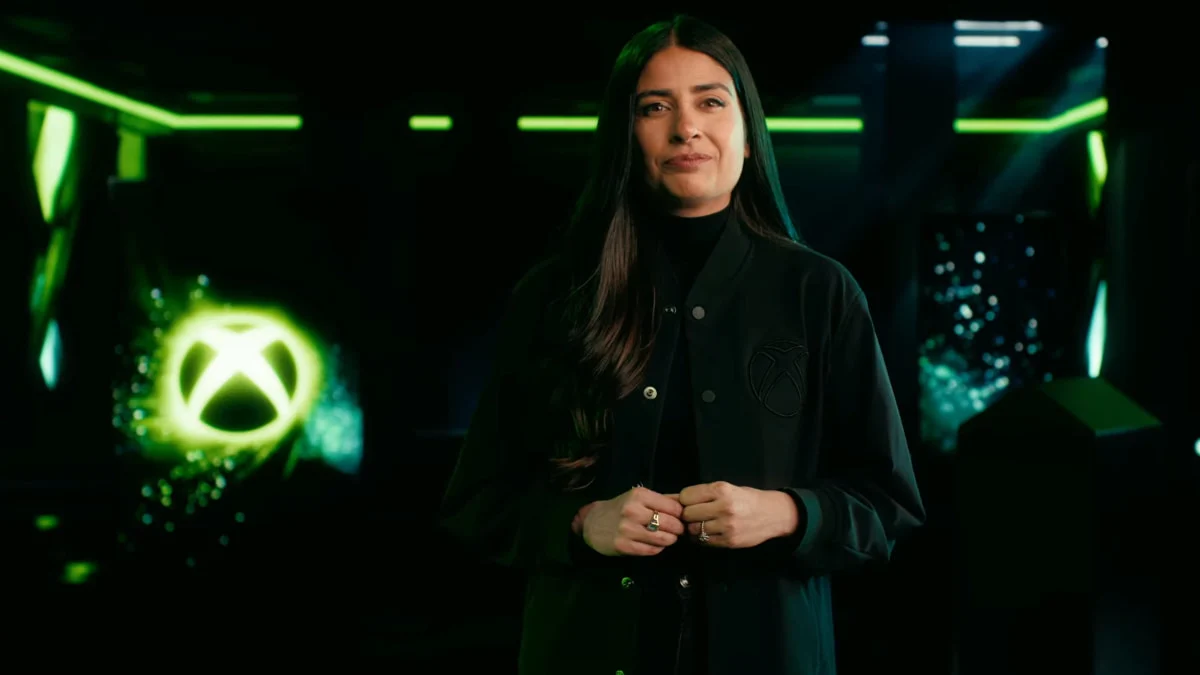
In a significant and widely anticipated shake-up, Xbox CEO Asha Sharma has confirmed the layoff of approximately 1,600 employees, representing about eight percent of the division’s workforce. This initial wave of job reductions is slated to be followed by an additional 1,600 layoffs before the close of the 2027 fiscal year, ultimately impacting 3,200 individuals, or roughly 20 percent of Xbox’s total staff. These figures are part of a larger, more extensive restructuring initiative at Microsoft, which is expected to affect 6,400 employees across various divisions of the tech giant over the coming year. The announcement casts a shadow of uncertainty over many remaining employees, who are now aware that further significant workforce adjustments are imminent.
Behind the Numbers: A Difficult Fiscal Reality
The decision to implement such substantial workforce reductions stems from what Sharma described as an "unhealthy" Xbox business, operating at profit margins significantly lower than comparable industry players. In a statement released today, Sharma detailed the financial pressures facing the company, noting that Xbox is "operating at margins that are 3-10x lower than comparable platform and publishing businesses." This stark financial assessment underscores the strategic imperative driving these drastic measures.
Sharma elaborated on the company’s recent strategic bets, including a strong emphasis on Xbox Game Pass, multi-platform expansion, and a diversified content portfolio. However, she acknowledged that these strategies have not yielded the desired financial returns. "To grow, we bet on Game Pass, multi-platform, and a broader portfolio of content, but it has not panned out," she stated candidly. This admission suggests a re-evaluation of the long-term viability and profitability of these initiatives.
A Phased Approach to Restructuring
The protracted nature of these layoffs, spanning until the end of fiscal year 2027, is a deliberate choice, according to Sharma. She recognized the inherent difficulties of a year-long restructuring process but emphasized the necessity of transparency regarding the scale of the changes. "I recognize that a year-long restructuring creates additional challenges," Sharma communicated. "Unfortunately, it is not possible to make all the necessary changes in a single day, and I wanted to be direct about the scale." This phased approach aims to allow for more measured transitions and potentially mitigate some of the immediate shockwaves that a single-day event might inflict, though it introduces prolonged anxiety for the workforce.

Studio Realignments and Ownership Transitions
Beyond personnel reductions, the restructuring involves significant shifts in the operational landscape of Xbox’s owned studios. Several development houses are undergoing transitions that will see them move away from direct Xbox ownership. Compulsion Games and Double Fine Productions are set to "return to management and transition to independent studios." This move suggests a potential divestment or a shift in their operational model, allowing them greater autonomy while still potentially maintaining a relationship with the Xbox ecosystem.
In parallel, Ninja Theory and Undead Labs are reported to have "entered terms to join new ownership with funding to complete and grow Senua and State of Decay 3." This indicates a strategic decision to secure the future of key franchises by partnering with entities that can provide the necessary financial backing and operational support. The future of Arkane, currently working on the highly anticipated Marvel’s Blade game, is also under review, with the studio "beginning required consultation with its Works Council to review potential strategic options." These consultations are a standard procedure in many regions when significant organizational changes, particularly those involving potential redundancies or restructuring, are being considered.
Broader Impact Across Microsoft’s Gaming Divisions
The ramifications of this restructuring extend across a wide spectrum of Microsoft’s gaming portfolio. Sharma’s statement explicitly mentioned significant changes impacting "Activision, Bethesda/ZeniMax, Blizzard, King, Mojang, and XBOX Game Studios." This broad scope indicates a comprehensive review of the entire gaming division’s structure and operational efficiency.
A notable development within this realignment is the direct reporting structure for Mojang, the creators of Minecraft, and King, the developer behind the Candy Crush franchise. Both entities will now report directly to Asha Sharma. This consolidation of oversight suggests an effort to streamline decision-making and leverage the immense popularity and profitability of these franchises more effectively within the broader Xbox strategy.
Despite the widespread layoffs and restructuring, Sharma offered a critical assurance: "none of our first-party publicly announced games or projects are being cancelled as part of these reductions." This statement aims to reassure stakeholders and the gaming community that the core development pipeline for future Xbox titles remains intact, even as the internal structure supporting these projects undergoes significant transformation.
Historical Context and Industry Trends
This wave of layoffs at Xbox is not an isolated incident within the broader technology and gaming industries. The past few years have seen a significant trend of workforce reductions across major tech companies, often attributed to overhiring during periods of rapid growth, shifting market demands, and the pursuit of increased profitability. Companies like Sony, Riot Games, and Unity have all announced substantial layoffs in recent times, reflecting a broader recalibration of business strategies in a more challenging economic climate.
The gaming industry, in particular, has experienced a boom in recent years, fueled by increased demand for digital entertainment. However, as the global economy tightens and consumer spending habits evolve, companies are facing pressure to optimize their operations and deliver stronger financial results. Xbox’s situation, as described by Sharma, appears to be a direct response to these industry-wide pressures.
A Message of Empathy and Future Aspirations
In her communication, Sharma acknowledged the personal toll these decisions will have on the affected employees. "I know this is painful," she stated. "These changes will directly affect people who have poured their creativity into building XBOX. Many joined us through acquisitions, while others were recruited here, or sought us out because they loved this industry and loved XBOX. Today’s decisions do not reflect their talent or dedication." This acknowledgment attempts to humanize the difficult business decisions and express empathy for those impacted.
Looking ahead, Sharma expressed a vision for Xbox’s future, emphasizing its potential to entertain a global audience. "I want XBOX to be one of the few companies that entertains more than a billion people each day and gives everyone the opportunity to create and connect," she said. "I know we can achieve this goal. XBOX has many of the most beloved franchises in entertainment history, talented studios around the world, and we will return to growth in 2027." This forward-looking statement aims to instill confidence in the long-term prospects of Xbox, despite the immediate challenges.
The silver lining, though small in the face of such widespread job losses, is that not all studios have faced closure, a fate that some had feared. However, this provides little solace to the 1,600 individuals now facing an uncertain job market and future. The coming years will undoubtedly be a period of significant adjustment and strategic reorientation for Xbox as it navigates these profound changes and strives to achieve its ambitious growth targets. The effectiveness of these restructuring measures and their long-term impact on the gaming landscape will be closely watched by industry analysts, competitors, and the millions of players who engage with Xbox’s diverse ecosystem.