


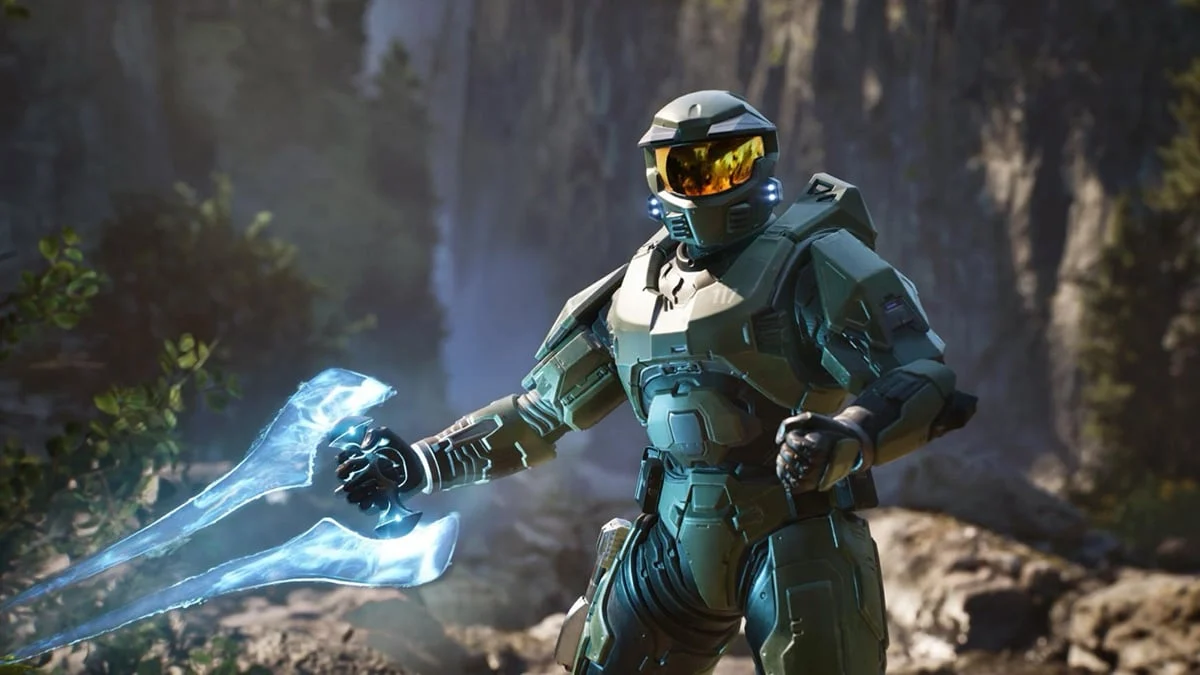
Microsoft has unveiled a significant restructuring of its Xbox gaming division, a move that includes the formation of a new, dedicated team under Activision to spearhead the development of the next Halo game. This strategic shift will result in substantial layoffs across various first-party studios, including Halo Studios, as part of a broader initiative to streamline operations and bolster key franchises. The announcement, detailed in a statement from Xbox CEO Asha Sharma and CCO Matt Booty, signals a pivotal moment for Xbox’s internal development landscape.
Significant Workforce Reduction and Studio Realignments
The comprehensive reorganization will eliminate approximately 268 roles. These reductions span Halo Studios, other first-party development houses, and management and central functions within Xbox Game Studios (XGS). This latest wave of layoffs is a direct consequence of what Sharma and Booty are calling a "reset" of the company, aiming to consolidate resources and enhance focus on core gaming pillars.
Matt Booty, in a released statement, elaborated on the ongoing restructuring efforts. "The actions completed since July, inclusive of the studio divestitures, bring us roughly three-quarters of the way through previously announced restructuring," Booty stated. He acknowledged the difficulty of the day for those affected and their colleagues, expressing deep gratitude for their contributions. "I am deeply grateful for what our colleagues have built, and I know how difficult today will be for those leaving and the teams around them."
The overarching goal of this extensive reorganization, according to Booty, is to "strengthen our franchises and games by operating fewer business units, aligning groups that already work closely together, and focusing our publishing expertise." This strategic realignment is designed to create a more cohesive and efficient development ecosystem within Xbox.
New Halo Development Structure and Studio Consolidations
A key development arising from this restructuring is the establishment of a new, purpose-built team dedicated to the future of the Halo franchise. This team will operate under the Activision umbrella, a significant change that places the iconic science-fiction shooter under the purview of a studio with a long history of successful game development and publishing. Crucially, this new Halo team will be distinct from the ongoing development and strategic plans for the Call of Duty franchise, ensuring a focused approach for both major intellectual properties.
Beyond the Halo initiative, several other Xbox studios are undergoing significant structural changes. World’s Edge, known for its real-time strategy titles, and Rare, the veteran studio behind Sea of Thieves and Grounded, will also be integrated under the Activision banner. This consolidation aims to leverage shared expertise and operational efficiencies.
In parallel, Bethesda Softworks will now encompass Obsidian Entertainment, a studio renowned for its role-playing games like The Outer Worlds and Pentiment. King, the mobile gaming giant behind Candy Crush Saga, will absorb Microsoft Casual Games, indicating a deeper integration of mobile gaming strategies within Xbox’s broader portfolio. Furthermore, Playground Games, creators of the Forza Horizon series, and Turn 10 Studios, the developers of the Forza Motorsport titles, will merge into a single studio. This unified entity will concentrate its efforts on both the Forza racing franchise and the upcoming Fable reboot, streamlining development for these flagship IPs.
Impact on Other Studios and Future Outlook
The restructuring is not without its casualties. Microsoft has been unable to secure a buyer for Ninja Theory, the studio behind critically acclaimed titles such as Hellblade: Senua’s Sacrifice and Senua’s Saga: Hellblade II. Consequently, the studio is expected to close, marking a somber note in the midst of the broader organizational changes.
Consultations are ongoing with Arkane Austin, the studio responsible for games like Deathloop and Dishonored. These discussions are anticipated to continue through the end of the year, with the outcome for the studio remaining uncertain.
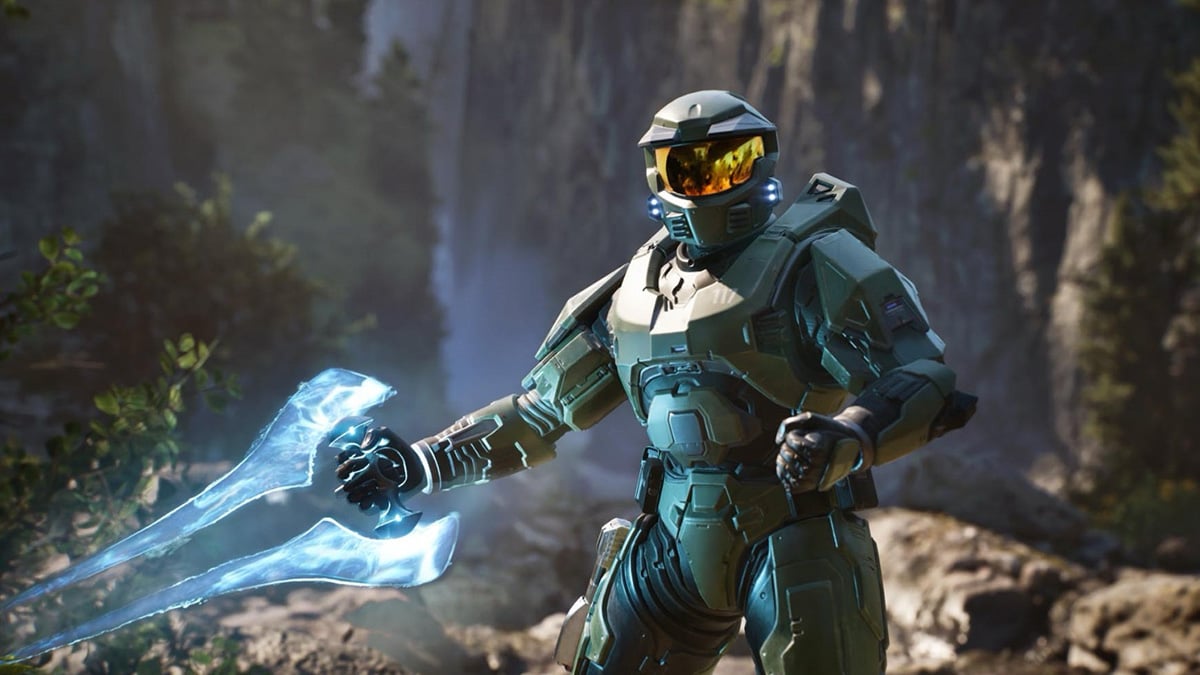
For Halo Studios, the remaining personnel will form a "small team" tasked with continuing to support the existing Halo community and the games currently available in the market. This ensures that ongoing player engagement and support for current Halo titles will be maintained, even as the franchise’s future development shifts to a new structure.
Matt Booty concluded his statement by emphasizing the human element of these changes. "Today, our focus should be on supporting those affected and treating one another with care and respect," he urged. He announced his intention to visit studios in the coming week and highlighted an upcoming October 6 town hall meeting for "ALL-XBOX" to reflect on progress and look forward to a strong lineup of upcoming games. This suggests a commitment to transparency and rebuilding morale within the remaining Xbox teams.
Analysis of Strategic Implications
The decision to place the next Halo game under Activision’s management, while a departure from the traditional first-party development model for the franchise, signals a potential strategic pivot. Activision Blizzard, now fully integrated into Microsoft’s portfolio, brings a wealth of experience in large-scale game development, live-service operations, and global publishing. This move could be aimed at injecting new creative energy and operational efficiency into the Halo franchise, which has seen varying degrees of success in recent years. The separation from Call of Duty development indicates a desire to avoid diluting focus and to allow both iconic franchises to flourish independently.
The broader consolidation of studios also points to a trend in the gaming industry towards larger, more integrated development entities. By bringing studios with complementary expertise together, Microsoft aims to foster collaboration, reduce redundancies, and maximize resource allocation. The focus on strengthening franchises suggests a strategy of doubling down on established intellectual properties that have proven track records of commercial and critical success.
The inclusion of Ninja Theory’s potential closure and the ongoing consultations with Arkane Austin highlight the difficult decisions being made in pursuit of this strategic reset. Such actions, while necessary for organizational realignment, invariably have a significant impact on individual careers and the broader creative landscape. The industry is increasingly characterized by consolidation and a relentless drive for efficiency, and these developments at Xbox are a clear reflection of these prevailing market forces. The success of this ambitious restructuring will ultimately be measured by the health and growth of Xbox’s core franchises and its ability to deliver compelling gaming experiences to its player base.