


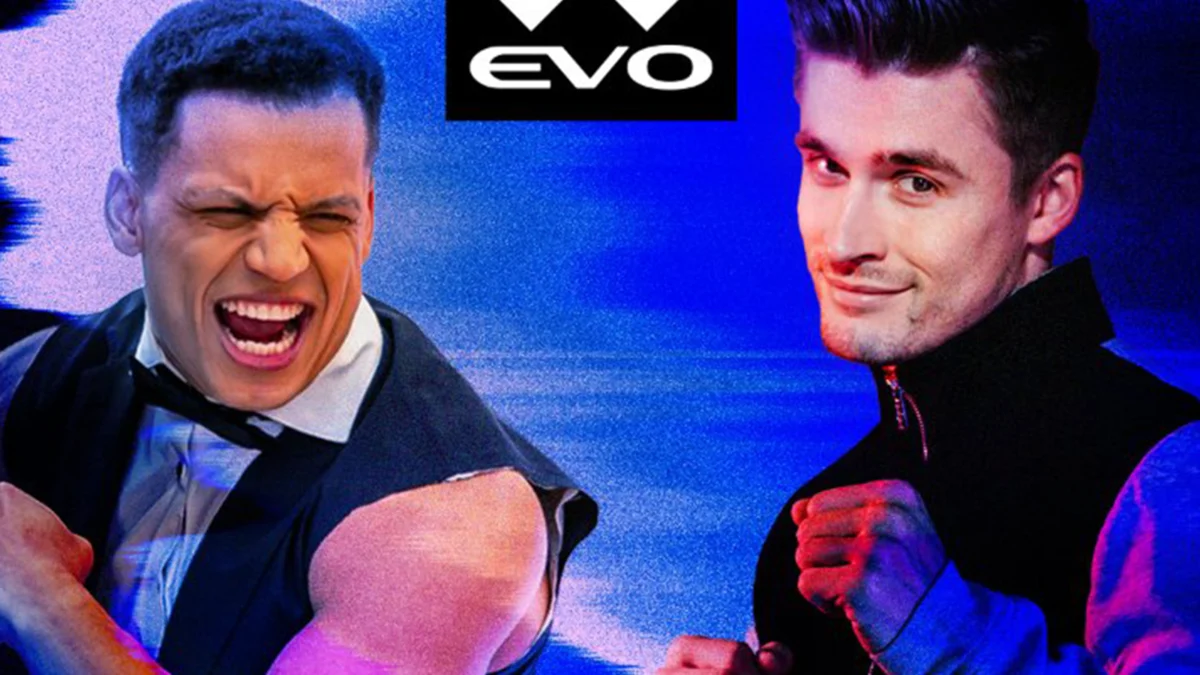
The highly anticipated Evo Las Vegas 2026, the premier global tournament for fighting games, is set to host a special exhibition match featuring two of the most prominent figures in online streaming: Ludwig Ahgren and Tyler "Tyler1" Steinkamp. The announcement of this Street Fighter 6 showdown has ignited a fervent discussion within the dedicated fighting game community (FGC), raising questions about representation and the allocation of resources at an event of Evo’s magnitude. While the spectacle promises significant viewership, some long-time participants and enthusiasts feel that such a prominent slot should be reserved for players with deeper roots and established careers within the competitive fighting game circuit.
Evo, short for Evolution Championship Series, has a storied history dating back to 1996, consistently serving as the ultimate proving ground for the world’s best fighting game players. Over the decades, it has evolved from a niche gathering into a colossal international event, attracting hundreds of thousands of viewers online and tens of thousands of attendees to its physical venue. The tournament has been instrumental in shaping the landscape of competitive fighting games, providing a platform for both legendary veterans and emerging talents to showcase their skills on the grandest stage. This year’s iteration in Las Vegas is no exception, with a meticulously curated lineup of major fighting game titles, each culminating in a prestigious championship bracket. The inclusion of a high-profile exhibition match, however, has inevitably drawn scrutiny, particularly when it involves personalities who, while immensely popular, are not primarily known for their dedicated competitive fighting game careers.
The controversy stems from the perception that a significant opportunity – a featured spot at Evo, a platform with unparalleled reach in the FGC – is being utilized for content creation rather than celebrating established competitive talent. Critics argue that the considerable investment, both in terms of production and potential prize pools, could have been directed towards supporting grassroots tournaments, player development initiatives, or bolstering the prize pools for the main competitive brackets of the featured games. This sentiment is amplified by the fact that Evo, despite its growth, still operates within a community that often struggles for mainstream recognition and resources. The perception is that a lucrative exhibition featuring streamers, however popular, detracts from the core identity of Evo as a celebration of competitive fighting game excellence.
Ludwig Ahgren, a multi-talented streamer and entrepreneur known for his diverse content and significant influence in the online entertainment space, directly addressed these concerns during an April live stream. He revealed that he was offered a substantial sum of $500,000 to participate in the exhibition match. This figure immediately underscored the commercial aspect of the event and likely fueled further debate about the economics of such bookings. Ahgren, however, framed his participation not solely as a financial transaction but as an opportunity for engaging content and a chance to collaborate with a fellow streamer he respects.
"I agreed to this because in general, I like doing content with Tyler," Ahgren stated during his stream. "I think it’d be fun." This sentiment highlights a key difference in perspective: for Ahgren and likely Tyler1, the exhibition is an entertaining project and a unique content opportunity. For some within the FGC, it represents a deviation from the event’s core mission of showcasing competitive prowess.
Ahgren acknowledged the backlash, noting, "There were actually a lot of people online who were a bit upset about this. I think some of the FGC members thought there was a lot of budget and opportunity costs that went into this that could have gone into something else, which I think is just a misunderstanding of the case here." This indicates an awareness of the community’s concerns and a belief that the situation is being misconstrued, perhaps by those unaware of Ahgren’s broader strategic goals related to the event.
Beyond the exhibition match itself, Ahgren has articulated a significant personal and professional investment in Evo 2026 that predates the Street Fighter 6 announcement. He revealed his intention to attend the tournament regardless of any exhibition participation, primarily to promote "Rivals of Aether II," a platform fighter published by his company, Offbrand Games. This revelation adds a crucial layer of context to his presence and involvement at Evo. Ahgren’s ambition extends beyond a single exhibition match; he is actively seeking to elevate "Rivals of Aether II" within the fighting game ecosystem, aiming for it to become one of Evo’s "biggest" tournaments.
"I was always planning to go to Evo, regardless," Ahgren emphasized. "I’m not going to Evo just for a paid opportunity just to do Street Fighter. I want Rivals of Aether II to have the biggest tournament at Evo. I’m making a play to cover registration for basically hundreds of people to go to Evo and play the game." This proactive approach demonstrates a genuine commitment to fostering a competitive scene for his published title, suggesting a long-term vision that intertwines his streaming persona with his role as a game developer and publisher. By offering to cover registration fees for a substantial number of players, Ahgren aims to significantly boost participation in the "Rivals of Aether II" tournament, potentially securing it a prominent place on the Evo schedule, possibly even vying for a coveted spot in the prestigious Sunday Finals. This initiative could be a game-changer for "Rivals of Aether II," providing it with an unprecedented level of exposure and a robust competitive player base at a major international event.
The announcement also provided insights into the competitive standing of both streamers in Street Fighter 6. Ahgren shared screenshots of direct messages exchanged with Tyler1, indicating that Steinkamp has achieved the Master rank in Street Fighter 6. This is a significant accomplishment, as Master is one of the higher tiers in the game’s ranked system, requiring considerable skill and dedication. Ahgren, for his part, stated that he is currently ranked Platinum. While Platinum is a respectable rank, it positions Ahgren as the underdog in this matchup, a dynamic that often contributes to compelling exhibition matches.
Both streamers have a history of engaging with the Street Fighter franchise and the broader fighting game community in various capacities. Tyler1, known for his aggressive gameplay and larger-than-life persona, previously organized a "Modern controls-only tournament" for Street Fighter 6 last year, offering a substantial $10,000 grand prize. This event highlighted his willingness to invest in and promote the game, albeit through a specific and somewhat unconventional format. Ludwig Ahgren has also dipped his toes into the competitive scene. He participated in the 2025 AT&T Annihilator Cup, a tournament focused on Street Fighter 6, where he demonstrated his burgeoning skills by achieving a 5th-place finish. His participation in that event, which focused on players learning the game using classic controls, showcased a commitment to developing his fighting game abilities beyond casual play.
The implications of this exhibition match extend beyond the immediate controversy. The significant financial backing and the inclusion of popular streamers at Evo can undeniably bring new eyes to the fighting game genre and the tournament itself. For platforms like "Rivals of Aether II," this kind of exposure could be invaluable, potentially leading to increased player bases and a more vibrant competitive scene. However, the balancing act for Evo and similar organizations remains critical: how to leverage the mainstream appeal of personalities like Ludwig and Tyler1 without alienating or diminishing the contributions of the dedicated competitive players who form the bedrock of the FGC.
The FGC’s concerns are rooted in a desire to see their passion and dedication recognized and rewarded. They have invested years, often decades, honing their skills, traveling to tournaments, and building communities around these games. For many, Evo represents the pinnacle of this dedication. The question of whether a high-profile exhibition match, driven by entertainment value and significant financial incentives, overshadows the competitive spirit that Evo is built upon is a valid one.
Moving forward, the success of this exhibition may well depend on how it is perceived by the FGC after the event. If the match delivers genuine excitement and skillful play, it might temper some of the initial criticism. Conversely, if it is perceived as a superficial spectacle, it could deepen the divide between mainstream streaming culture and the traditional fighting game community. The narrative surrounding this event will likely continue to evolve, reflecting the ongoing dialogue about the intersection of esports, streaming, and the cultural significance of competitive gaming. Evo Las Vegas 2026, therefore, stands not only as a showcase for the best fighting game talent but also as a case study in the evolving dynamics of the FGC and its engagement with broader online entertainment trends.