


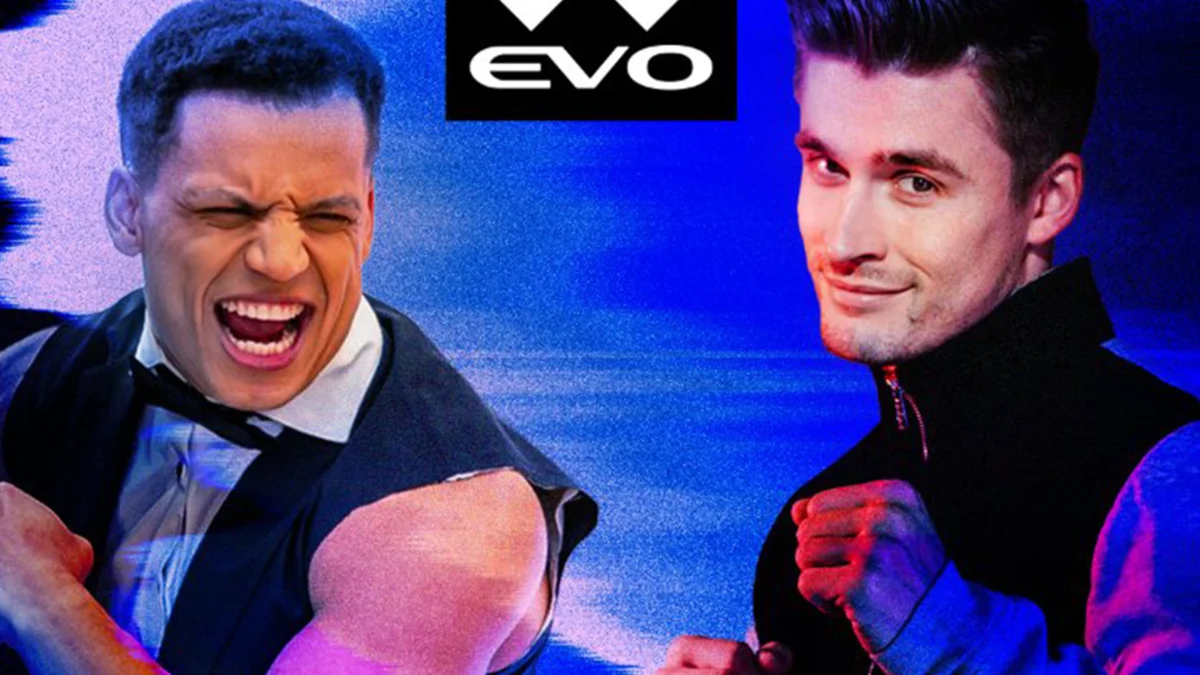
The fighting game community (FGC) is abuzz following the official announcement of a special Street Fighter 6 exhibition match slated for Evo Las Vegas 2026, featuring two of the internet’s most prominent streaming personalities: Ludwig Ahgren and Tyler "Tyler1" Steinkamp. This highly anticipated showdown, set to take place at the premier fighting game tournament, has ignited a fervent discussion, with a segment of the FGC expressing reservations about the inclusion of streamers perceived as not being "endemic" to the core fighting game scene. Evo, recognized globally as the pinnacle of competitive fighting game events, typically showcases the dedication and mastery of players who have spent years honing their skills within specific game titles. The decision to feature two widely popular, yet arguably more generalist, content creators has therefore prompted debate regarding the allocation of prominent exhibition slots and the perceived dilution of the FGC’s traditional focus.
The Announcement and Initial Reactions
The confirmation of Ludwig and Tyler1’s participation arrived via official channels for Evo Las Vegas 2026, accompanied by promotional imagery that quickly circulated across social media platforms. The poster, showcasing the duo in a stylized depiction, immediately became a focal point for community discourse. While many fans of both streamers expressed excitement at the prospect of seeing their favorite personalities engage in a high-stakes Street Fighter 6 bout, a significant contingent of the FGC voiced their concerns.
These critiques largely centered on the notion of "opportunity cost." Arguments were made that the resources, prime time slots, and promotional spotlight dedicated to this exhibition could have been allocated to emerging or established FGC players who have dedicated their careers to the genre. For a tournament of Evo’s stature, which serves as a crucial proving ground and celebration for the dedicated fighting game player base, the inclusion of individuals with a broader, less specialized audience was seen by some as a deviation from its core identity. Questions arose about the selection criteria and whether the primary motivation was viewership numbers rather than a celebration of competitive fighting game prowess.
Ludwig Addresses Community Concerns
In response to the burgeoning controversy, Ludwig Ahgren addressed the situation during an April live stream, offering a detailed explanation of his involvement and perspective. He revealed a substantial financial incentive for his participation, stating, "I’d been paid $500,000 to compete in the exhibition." This figure, significant in any entertainment context, underscored the commercial investment behind the event.
Beyond the financial aspect, Ludwig emphasized his personal motivations, highlighting his positive working relationship and enjoyment of creating content with Tyler1. "I agreed to this because in general, I like doing content with Tyler," he explained. "I think it’d be fun." This personal connection and the desire for an enjoyable collaborative project formed a core part of his rationale.
He directly acknowledged the dissenting voices within the FGC: "There were actually a lot of people online who were a bit upset about this. I think some of the FGC members thought there was a lot of budget and opportunity costs that went into this that could have gone into something else, which I think is just a misunderstanding of the case here." Ludwig’s statement aimed to frame the decision not as a zero-sum game for FGC resources, but as a strategic move with broader implications he intended to clarify.
Beyond the Exhibition: Ludwig’s Broader Vision for Evo
Crucially, Ludwig clarified that his presence at Evo Las Vegas 2026 was not solely contingent on the exhibition match. He revealed a pre-existing plan to attend the event with a significant objective: to champion "Rivals of Aether II," a platform fighter published by his company, Offbrand Games. This strategic move positions the exhibition as a complementary piece to a larger promotional effort for his own game.
Ludwig articulated his ambition for "Rivals of Aether II" to achieve a prominent status at Evo, even aiming for it to be the "biggest" tournament of the event. He outlined a proactive approach to foster this goal: "I want Rivals of Aether II to have the biggest tournament at Evo. I’m making a play to cover registration for basically hundreds of people to go to Evo and play the game." This initiative demonstrates a commitment to investing in the competitive landscape of his published title, offering financial support to players to encourage participation.
This revelation shifted the narrative for some, suggesting that Ludwig’s involvement was not merely about a lucrative exhibition but also about leveraging his platform to elevate a new entrant in the genre space, potentially broadening the appeal and competitive ecosystem of platform fighters. His intention to subsidize registration fees for "Rivals of Aether II" players highlights a desire to cultivate a robust player base and competitive scene from the ground up, a strategy that could benefit both the game and Evo’s overall diversity of competitive offerings.
Player Rankings and Previous Tournament Experience
To further contextualize the exhibition match, information regarding the players’ in-game achievements in Street Fighter 6 has surfaced. Ludwig shared screenshots from his Discord DMs with Tyler1, indicating that Tyler1 has attained the prestigious Master rank in Street Fighter 6. This achievement places him among the top echelon of players within the game’s competitive ladder. Ludwig himself stated his current rank is Platinum, a respectable but notably lower tier compared to Master.
This disparity in ranked play has added another layer to the anticipation, as it suggests a potential David-and-Goliath dynamic within the exhibition match itself. While Tyler1’s dedication to reaching Master rank in Street Fighter 6, a game with a notoriously steep learning curve, is commendable, it also raises questions about the FGC’s perception of exhibition matches featuring players of vastly different skill levels, even if one is a prominent streamer.
Both streamers have prior experience in the Street Fighter 6 competitive circuit. Tyler1 notably hosted a "Modern controls-only" tournament in the previous year, boasting a substantial $10,000 grand prize, which garnered significant attention and demonstrated his engagement with the game’s community and competitive aspects. Ludwig, on the other hand, participated in the 2025 AT&T Annihilator Cup, a more traditional tournament setting, where he secured a 5th-place finish. This background indicates that both individuals are not entirely new to the competitive arena of Street Fighter 6, although their paths and levels of dedication within the FGC differ.
Evo’s Evolving Landscape and Broader Implications
The inclusion of high-profile streamers like Ludwig and Tyler1 in major FGC events like Evo is indicative of a broader trend in the esports and gaming industry: the convergence of traditional competitive circuits with the massive reach of online content creators. Evo, as the largest fighting game tournament in the world, has always strived to balance showcasing elite competition with broader audience engagement. The decision to feature this exhibition can be interpreted as an effort to tap into the expansive viewership of streamers, potentially attracting new audiences to the fighting game genre and to Evo itself.
The financial aspect of the exhibition, with Ludwig reportedly receiving $500,000, underscores the significant commercial value attributed to these personalities. This level of investment suggests that organizers believe such high-profile appearances can translate into substantial viewership, sponsorship opportunities, and overall event success. For Evo, this could mean increased revenue and a strengthened position in the competitive gaming landscape.
However, the controversy also highlights an ongoing tension within niche communities when they intersect with mainstream entertainment. The FGC, with its deep-rooted culture and dedicated player base, often guards its identity and competitive integrity closely. The fear is that a focus on celebrity personalities could overshadow the achievements of dedicated players, dilute the competitive spirit, or lead to decisions driven by marketability rather than the advancement of the sport itself.
The participation of Ludwig and Tyler1 in this exhibition at Evo Las Vegas 2026 is therefore more than just a celebrity match. It represents a microcosm of the evolving relationship between competitive gaming, content creation, and the business of esports. While the exhibition itself promises entertainment and a potential surge in viewership, its underlying implications for the FGC’s identity, resource allocation, and future direction will likely continue to be debated long after the final round is played. The success of this venture, in terms of both audience reception and its impact on the broader fighting game community, remains to be seen, but it undeniably marks a significant moment in Evo’s history and the ongoing dialogue between competitive gaming and online entertainment.