


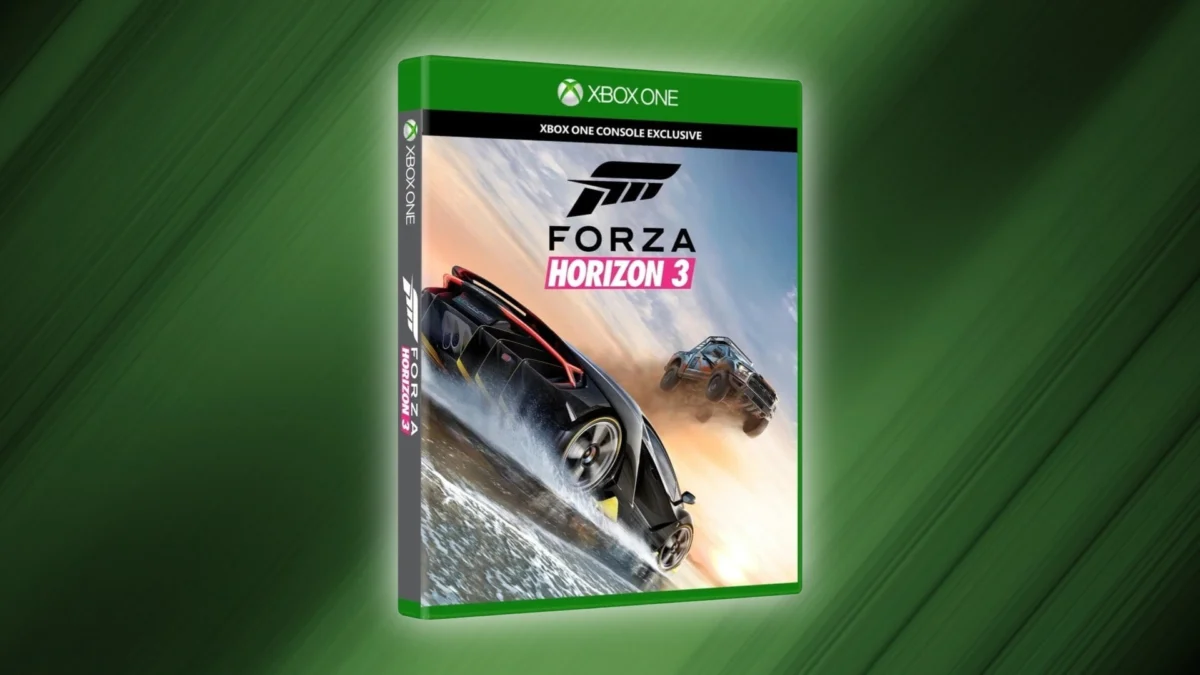
The recent widespread rollout of the Xbox Disc to Digital (D2D) conversion feature has been met with considerable enthusiasm from the gaming community, offering players a novel way to transition their physical game collections into digital libraries. Supporting over 1,500 physical Xbox One and Xbox 360 titles, the initiative aims to provide convenience and flexibility for gamers, particularly those who have embraced disc-less console variants or prefer the streamlined experience of an all-digital library. However, amidst the positive reception, a notable exception has emerged, dampening the excitement for a significant segment of players: the complete absence of support for any titles within the acclaimed Forza franchise, encompassing both the simulation-focused Forza Motorsport series and the open-world Forza Horizon series. This exclusion extends even to recently released entries like Forza Horizon 6, sparking widespread discussion and prompting inquiries into the underlying reasons for this critical omission.
The Disc to Digital feature, a long-rumored and highly anticipated addition to the Xbox ecosystem, allows users to insert a physical game disc into their console and, upon verification, receive a digital license for that title. This process effectively converts a tangible game asset into a permanent digital entitlement linked to the user’s Xbox account, obviating the need for the physical disc to play the game thereafter. The appeal is multifaceted: it frees up physical shelf space, eliminates the hassle of disc swapping, enhances portability for gamers who travel, and provides a pathway for owners of disc-based games to migrate seamlessly to digital-only consoles like the Xbox Series S. The initial launch, which began with a limited rollout to Xbox Insiders before becoming broadly available, quickly demonstrated its utility and popularity, with players actively sharing their conversion successes and expanding their digital collections.
However, the community’s collective hope for a comprehensive D2D solution was tempered by the realization that popular franchises, especially those with strong ties to Microsoft’s first-party lineup, were conspicuously absent from the supported list. Leading the charge of unsupported titles are the Forza games, a cornerstone of Xbox’s exclusive offerings. Neither the latest installment nor any previous entries in the Forza Horizon or Forza Motorsport series are eligible for digital conversion. This means that a physical copy of Forza Horizon 3, Forza Motorsport 7, or even the very new Forza Horizon 6 cannot be transformed into a digital license, forcing players to retain their discs for continued access. This situation is particularly frustrating for fans of the series, who have consistently voiced their desire for this functionality, underscoring the perceived gap in an otherwise robust new feature.
Industry analysts and community members alike have quickly converged on a primary explanation for this glaring omission: the complex web of licensing agreements inherent to racing simulation games. Unlike many other genres, titles like Forza Motorsport and Forza Horizon are built upon extensive partnerships with real-world automotive manufacturers, music artists, and other brand partners. Each vehicle, track, piece of music, and even certain apparel or advertising within the game world often requires individual licensing agreements. These agreements are typically time-limited, designed to expire after a predetermined period, necessitating renegotiation or the removal of content if new terms cannot be reached. This model stands in stark contrast to many other game types where the intellectual property (IP) is largely owned or perpetually licensed by the game developer or publisher.
The historical pattern of Forza games being "delisted" from digital storefronts provides compelling evidence for this licensing theory. Delisting refers to the removal of a game from digital purchase channels, meaning new players can no longer buy the title digitally, although existing owners can typically still download and play it. This phenomenon is a recurring event for the Forza franchise, with numerous titles having already reached their end-of-life digitally.
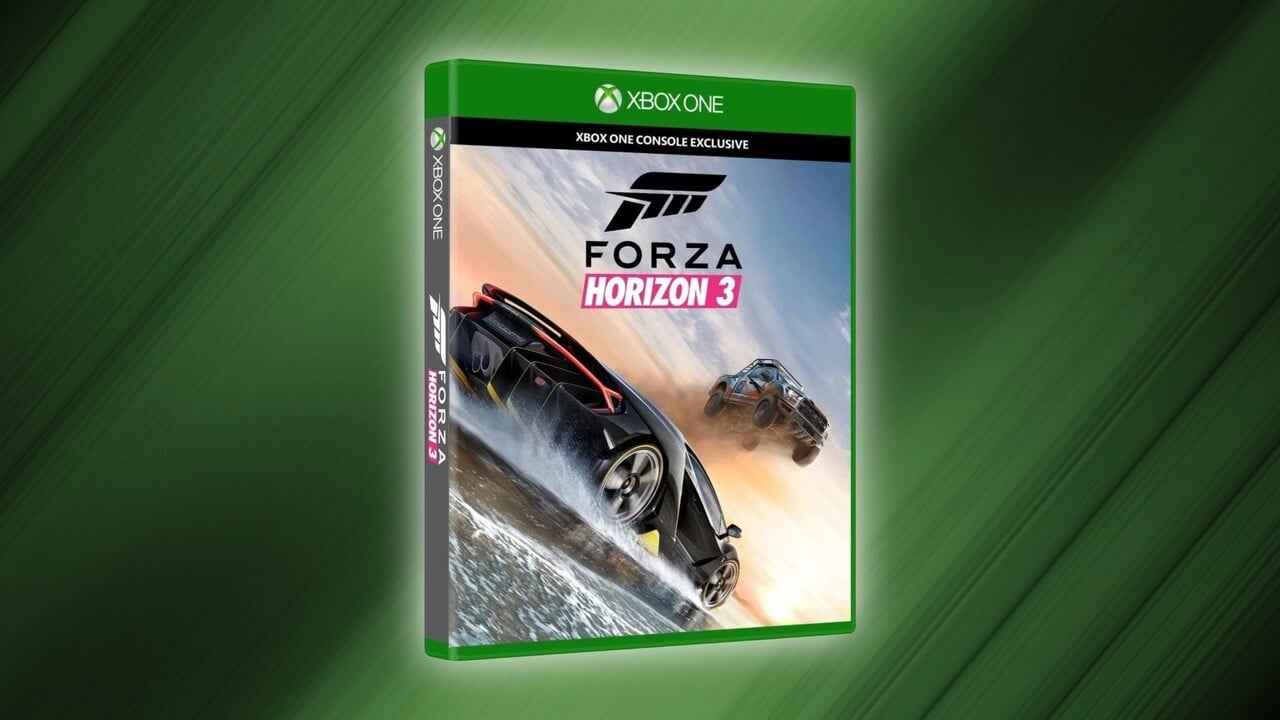
- Forza Horizon 3: Delisted in September 2020, four years after its initial release. This was one of the first major titles to highlight the temporal nature of Forza’s digital availability.
- Forza Motorsport 7: Delisted in September 2021, also approximately four years post-launch. This delisting included all its associated downloadable content (DLC).
- Forza Horizon 4: Although initially projected for delisting in December 2024, Microsoft has since confirmed that the game will not be delisted at that time, though the threat of future delisting remains ever-present given the franchise’s history. This brief reprieve, however, does not alter the fundamental licensing challenges faced by the series.
- Other titles: Older entries like Forza Horizon 2 and Forza Motorsport 6 have long since been delisted, making them accessible only to those who own physical copies or acquired digital licenses before their removal.
This consistent pattern of delisting strongly suggests that the terms and conditions of these licensing agreements prohibit a permanent, indefinite digital conversion for physical copies. If Xbox were to allow physical Forza discs to be converted into perpetual digital licenses, it could potentially violate clauses pertaining to the duration of IP usage, distribution rights, or even the specific platforms on which the licensed content can be offered. It is conceivable that existing contracts for these vehicle models, music tracks, or brand integrations do not foresee or explicitly permit a "disc to digital" conversion mechanism, especially one that could extend the digital life of these assets beyond their agreed-upon expiry dates. For Forza Horizon 6, despite being a brand-new release, its exclusion from D2D support from day one further solidifies this theory, indicating that these licensing constraints are embedded in the very foundation of current and future titles in the series.
The implications of this situation are significant for both players and the broader discussion surrounding game preservation. For fans of the Forza series, the inability to convert physical discs means they are locked into the physical format if they wish to access these games beyond their digital delisting. While a physical disc theoretically offers perpetual access (provided one has compatible hardware), the convenience of D2D, particularly for modern consoles like the Xbox Series S which lack a disc drive, is lost. This creates a dilemma for collectors and those looking to streamline their gaming setup, forcing them to retain older hardware or physical media purely for specific titles.
From a game preservation standpoint, the lack of D2D support for Forza games highlights the fragile nature of digitally distributed content, especially when third-party licenses are involved. While D2D for other titles offers a form of digital backup for physical owners, extending the lifespan of access even after a game might be removed from digital storefronts (provided the user already owns the digital license), this safeguard is absent for Forza. Once a Forza title is delisted, and without D2D conversion, the only way to play it is with a physical disc and compatible console. This underscores a critical vulnerability in the digital future of gaming, where legal and contractual obligations can supersede technical feasibility or player convenience. It reinforces the argument that for certain types of games, physical media may remain the most reliable long-term solution for preservation, despite the industry’s inexorable shift towards digital distribution.
While Microsoft and Xbox have not issued a specific, detailed statement explicitly addressing the exclusion of Forza games from the D2D program, their general communications about the feature have been cautiously optimistic regarding future expansions. Xbox has indicated that "more games may become available with Disc to Digital over time," suggesting an ongoing effort to broaden the supported library. However, given the deep-rooted and recurring licensing challenges faced by the Forza franchise, it appears highly improbable that these specific titles will ever gain D2D compatibility. The fundamental nature of their licensing agreements, which dictate finite digital distribution windows, seems fundamentally incompatible with a system designed to grant perpetual digital access from a physical copy.
The Disc to Digital feature represents a significant step forward in Xbox’s commitment to player choice and the evolution of digital gaming. Its broad support for over 1,500 titles demonstrates a substantial effort to bridge the gap between physical and digital ownership, offering a valuable service to many gamers. While the absence of the Forza series is a notable and regrettable exception, it serves as a stark reminder of the intricate legal and business landscapes that underpin modern game development and distribution. The challenges posed by expiring licenses, particularly for content-rich, IP-heavy titles like racing simulators, continue to shape the availability and longevity of games in the digital era, even as innovative solutions like Disc to Digital emerge to enhance the player experience. For now, Forza fans wishing to enjoy their beloved racing titles will likely need to continue relying on their cherished physical discs.