


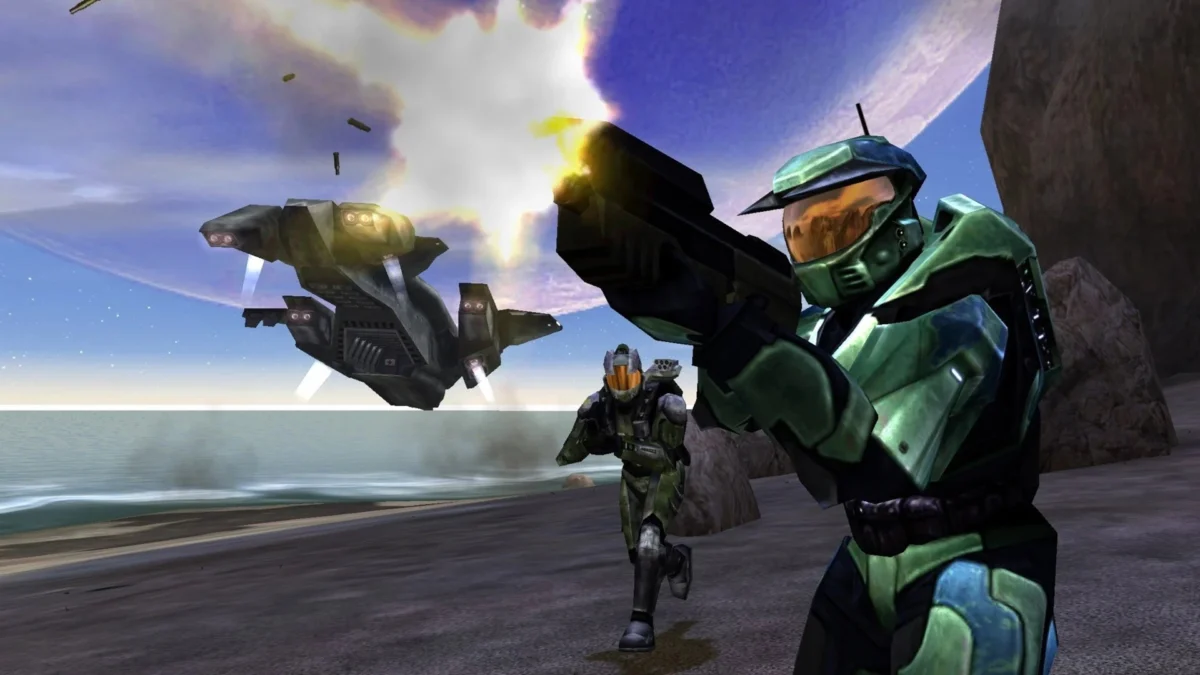
The Halo franchise stands as a cornerstone of the modern interactive entertainment industry, having redefined the first-person shooter (FPS) genre and established the Xbox brand as a dominant force in global gaming. As the community prepares for the release of Halo: Campaign Evolved—scheduled for a Premium launch on July 23rd followed by a general release on July 28th—the gaming public has engaged in a widespread retrospective regarding the series’ origins and its evolution over the past two decades. This upcoming release serves as a pivotal moment for both long-term enthusiasts and a new generation of players, prompting a comprehensive examination of how a single title transformed from a Mac-exclusive real-time strategy concept into the definitive console shooter experience.
The Genesis of a Gaming Icon: 2001 to 2004
The history of Halo is inextricably linked to the trajectory of Microsoft’s entry into the home console market. Originally unveiled by Steve Jobs at Macworld in 1999 as a third-person action game for the Macintosh, the project underwent a radical transformation following Microsoft’s acquisition of Bungie Studios in 2000. When Halo: Combat Evolved launched alongside the original Xbox on November 15, 2001, it provided the "killer app" necessary to justify the hardware’s existence.
The game introduced several innovations that would become industry standards, most notably the "Golden Triangle" of gameplay: a balanced loop of weapons, grenades, and melee attacks. Furthermore, its implementation of a regenerating energy shield and a two-weapon limit forced players to engage in tactical decision-making previously unseen in the fast-paced "arena shooters" of the era. By the end of its lifecycle, Halo: Combat Evolved had sold over five million copies, a staggering figure for a new intellectual property on a debut console.
The momentum continued with the 2004 release of Halo 2. This sequel is widely credited with the successful adoption of Xbox Live, Microsoft’s online gaming service. By introducing robust matchmaking, party systems, and a skill-based ranking ladder, Halo 2 provided the blueprint for the modern online multiplayer experience. The game’s "cliffhanger" ending sparked intense debate among fans, but its commercial success was undeniable, earning $125 million in its first 24 hours of release—a record-breaking figure for the entertainment industry at the time.
The Cultural Zenith: The Halo 3 Era and Beyond
If Halo 2 built the foundation for online play, Halo 3, released in 2007 for the Xbox 360, represented the franchise’s cultural peak. Supported by the massive "Believe" marketing campaign, the game became a global phenomenon. It introduced "Forge" mode, a level-editing tool that empowered the community to create custom maps and game types, significantly extending the title’s longevity. Halo 3 also marked the conclusion of the original trilogy, providing a narrative resolution that solidified Master Chief (John-117) as a pop-culture icon on par with cinematic heroes.
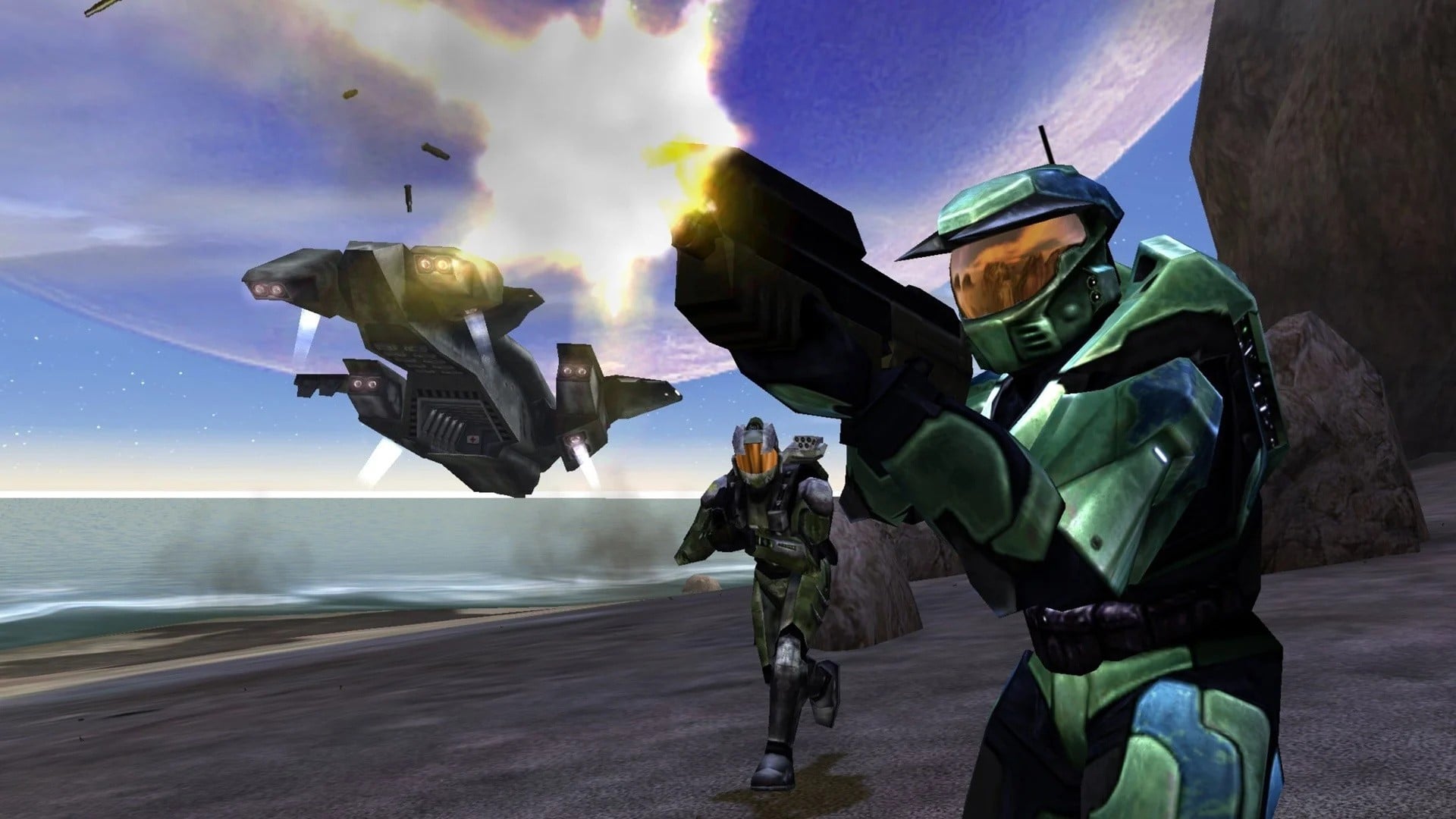
Following the trilogy, Bungie expanded the universe with Halo 3: ODST (2009) and Halo: Reach (2010). The latter served as a prequel to the original game and was Bungie’s final contribution to the series before transitioning to independent development. Halo: Reach was lauded for its somber tone and refined mechanics, serving as a "love letter" to the franchise’s history and setting a high bar for the transition of stewardship to Microsoft’s internal studio, 343 Industries.
The Transition to 343 Industries and the Modern Era
In 2012, 343 Industries took the helm with Halo 4, initiating the "Reclaimer Saga." This era focused on humanizing the Master Chief and exploring his relationship with the artificial intelligence Cortana. While Halo 4 was a graphical powerhouse and a commercial success, it divided the fanbase regarding its departure from traditional multiplayer mechanics.
The subsequent release, Halo 5: Guardians (2015), further expanded the scope of the franchise by introducing a second protagonist, Spartan Locke, and emphasizing squad-based mechanics. However, the game’s narrative direction and the omission of "split-screen" local multiplayer—a staple of the series—led to significant community feedback. This feedback eventually shaped the development of Halo Infinite (2021), which sought to return the series to its "spiritual roots" with an open-world campaign and a free-to-play multiplayer model.
Supporting Data and Franchise Impact
The scale of the Halo franchise is best understood through its commercial and critical metrics. As of late 2021, the franchise has sold over 81 million copies worldwide, generating more than $6 billion in total revenue. The Master Chief Collection (MCC), a compilation of the core titles, has been instrumental in preserving the series’ legacy, boasting millions of active users across Xbox and PC platforms.
| Title | Release Year | Metacritic Score (Original) | Key Innovation |
|---|---|---|---|
| Halo: CE | 2001 | 97 | Regenerating Shields, Vehicle Combat |
| Halo 2 | 2004 | 95 | Xbox Live Matchmaking, Dual Wielding |
| Halo 3 | 2007 | 94 | Forge Mode, Theater Mode, 4-Player Co-op |
| Halo: Reach | 2010 | 91 | Armor Abilities, Firefight 2.0 |
| Halo 4 | 2012 | 87 | Narrative Focus on Chief/Cortana |
| Halo Infinite | 2021 | 87 | Open-World Exploration, Grappleshot |
Beyond sales, the franchise’s influence extends into transmedia, including a high-budget television series on Paramount+, numerous New York Times bestselling novels, and an extensive line of merchandise. The "Halo effect" is also cited by industry analysts as a primary driver for Xbox Game Pass subscriptions, demonstrating the brand’s continued relevance in the "gaming as a service" era.
Community Sentiment and the First-Game Phenomenon
The recent Pure Xbox poll, which garnered over 450 votes, highlights a significant trend in the community: the "first game" experience remains the primary driver of brand loyalty. A vast majority of respondents cited Halo: Combat Evolved as their entry point, often associating the game with the "LAN party" culture of the early 2000s. These gatherings, where players would link multiple consoles and televisions via Ethernet cables, fostered a unique social environment that predated the ubiquity of high-speed internet.

Conversely, a secondary peak in the data appears around the Halo 3 and Halo: Reach eras, representing a younger demographic that entered the ecosystem during the Xbox 360’s dominance. This generational split informs how 343 Industries approaches new content; they must balance the nostalgia of the "classic" gameplay feel with the modern expectations of a fast-paced, live-service shooter.
The Significance of Halo: Campaign Evolved
The upcoming Halo: Campaign Evolved release is viewed by analysts as a strategic effort to bridge the gap between legacy content and modern hardware capabilities. While specific technical details remain under wraps, the staggered release (July 23rd for Premium and July 28th for general users) suggests a "rolling launch" designed to stress-test server infrastructure and provide early access to the most dedicated segment of the player base.
Industry insiders suggest that this release may focus on enhancing the narrative depth and environmental fidelity of existing campaign assets, potentially utilizing the Slipspace Engine to bring older environments up to contemporary standards. If successful, Halo: Campaign Evolved could serve as a template for how Microsoft manages its extensive back catalog, providing a "definitive" way to experience the lore that has defined the Xbox brand for over twenty years.
Broader Implications for the Xbox Ecosystem
The health of the Halo franchise is often viewed as a bellwether for the Xbox brand. In a competitive landscape currently dominated by massive acquisitions and cross-platform services, Halo remains Microsoft’s most recognizable exclusive identity. The release of Campaign Evolved is not merely a content update; it is a reaffirmation of the franchise’s foundational importance.
Furthermore, the emphasis on the campaign experience highlights a shift in the industry’s focus. While multiplayer remains the primary source of long-term engagement and revenue, the "hero’s journey" of the Master Chief provides the emotional resonance that sustains the community during periods between major releases. As Microsoft continues to integrate its gaming ecosystem across consoles, PC, and cloud platforms, the ability to offer a polished, modernized version of its flagship campaign is essential for attracting new subscribers to the Xbox Game Pass service.
As the July release dates approach, the conversation remains centered on the enduring appeal of the "Halo" name. Whether a player began their journey in 2001 on a CRT television or in 2021 on a 4K monitor, the fundamental draw—the sense of scale, the tight combat loop, and the iconic music of Martin O’Donnell and Michael Salvatori—remains constant. Halo: Campaign Evolved represents the latest chapter in a saga that shows no signs of concluding, ensuring that the legacy of the Spartan will continue to evolve for years to come.