


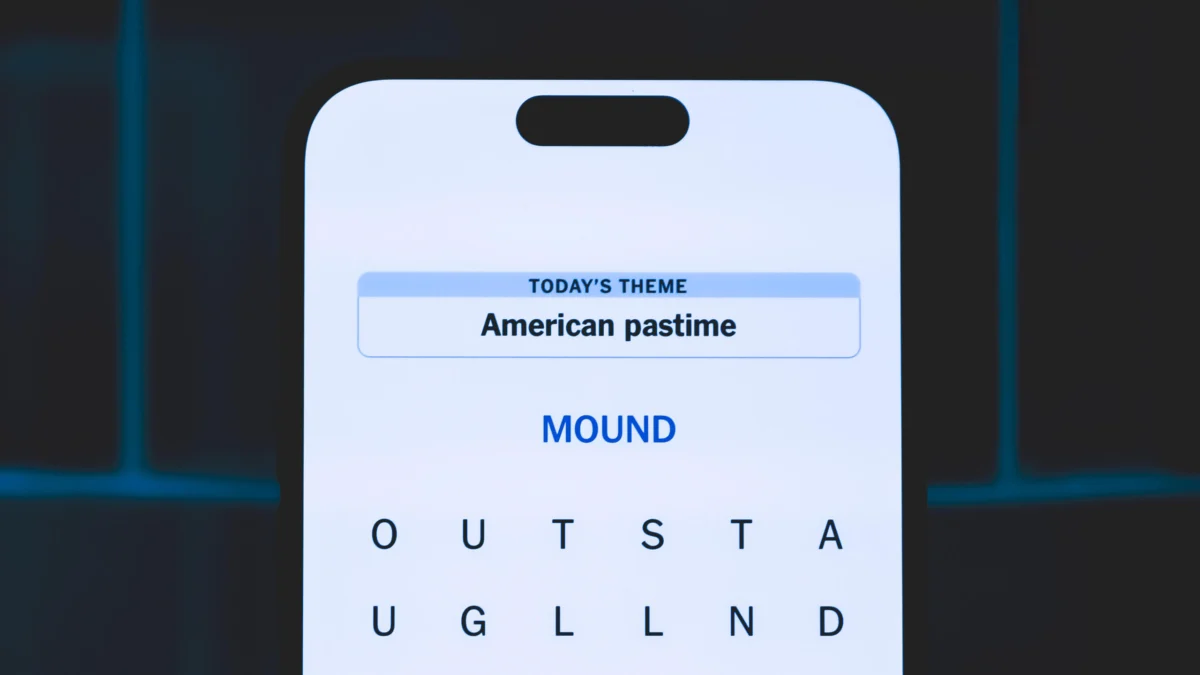
The daily digital word puzzle, Strands, published by The New York Times, presented its enthusiasts with a moderately challenging grid on July 26, 2026, centered around the theme "All-knowing." While the overall difficulty was deemed manageable by many, the intricate nature of unscrambling some of the hidden words necessitated strategic thinking and a keen eye for linguistic patterns. The standout feature of the day’s puzzle was its spangram, "BIGBRAIN," a word ingeniously woven into the fabric of the letter grid, connecting disparate sides of the puzzle board.
Strands, a relatively new addition to The New York Times’ esteemed portfolio of daily games, has rapidly carved out a niche for itself among word puzzle aficionados. Unlike its more straightforward counterparts such as Wordle or the classic crossword, Strands demands a different kind of cognitive agility, requiring players to identify a central theme and then locate words that align with that theme, including a unique "spangram" that stretches across the puzzle. The July 26th puzzle served as an excellent illustration of Strands’ signature blend of lexical challenge and thematic coherence.
Unpacking the "All-Knowing" Theme for July 26, 2026
The core of any Strands puzzle lies in its theme, which on July 26, 2026, was explicitly stated as "All-knowing." This guiding principle immediately set the tone for the words players needed to uncover. To assist those who might have found the initial theme too abstract, an additional clue was provided: "Smarty-pants." Both the theme and the supplementary clue pointed towards words associated with intelligence, wisdom, and extensive knowledge.
Players were tasked with navigating a 6×8 grid of letters, swiping to connect adjacent letters to form words. The ultimate goal was to find all theme-related words, including the singular spangram, ensuring every letter on the board was utilized. The elegance of Strands’ design is that even when a player is stumped, the game provides mechanisms to assist progress. Finding three non-theme words of four letters or more unlocks a hint, revealing one of the theme words in its correct placement. This incremental reward system encourages exploration and prevents complete frustration, striking a delicate balance between challenge and accessibility.
For the "All-knowing" theme, the non-spangram answers, as revealed upon completion, included a rich lexicon of terms signifying intellect and erudition. These were:

- KNOWLEDGE
- GENIUS
- ACADEMIC
- SAPIENT
- SCHOLARLY
- ERUDITE
- INTELLECT
Each of these words perfectly encapsulated the central theme, requiring players to not only identify them but also to discern their often non-linear paths within the letter grid. The process of uncovering these words often involves a mix of deductive reasoning, pattern recognition, and sometimes, sheer serendipity.
The Spangram: "BIGBRAIN" and Its Significance
Every Strands puzzle features a unique element called the "spangram," a theme word that, unlike the others, spans the entire puzzle board, connecting one side to another. Identifying the spangram is often considered the pivotal moment in solving a Strands puzzle, as its discovery frequently unlocks a broader understanding of the theme and helps in locating the remaining words.
On July 26, 2026, the spangram was BIGBRAIN. This colloquial term, widely understood to refer to someone of great intelligence or a brilliant idea, was particularly apt for the "All-knowing" theme. Its placement within the grid was described as beginning with the letter ‘B’ located four letters down on the far-left vertical row, then winding across the puzzle board to connect to its conclusion. The visual and spatial challenge of tracing the spangram’s path through the interwoven letters adds another layer of complexity and satisfaction to the game.
The strategic placement of the spangram is a hallmark of Strands’ design. It’s rarely straightforward, often requiring players to navigate twists and turns, moving horizontally, vertically, and diagonally, sometimes even reversing direction. The "BIGBRAIN" spangram for July 26, 2026, exemplified this design philosophy, demanding careful observation and a methodical approach to connect its constituent letters. Its successful identification often serves as a key to unlocking the remaining theme words, as it reinforces the overarching concept and provides a structural anchor within the puzzle.
The Genesis and Evolution of The New York Times Games Division
The introduction of Strands is not an isolated event but rather a strategic expansion within The New York Times’ highly successful Games division. For decades, the NYT Crossword has been a cultural institution, a daily intellectual ritual for millions. Its transition to a digital format, alongside the introduction of new puzzles, marked a significant pivot in the newspaper’s digital engagement strategy.
The modern era of NYT Games truly began to flourish with the immense popularity of Wordle, which The New York Times acquired in January 2022. Wordle’s simple yet addictive gameplay, coupled with its social sharing features, brought a new wave of casual puzzle players to the NYT platform. Building on this success, the Times introduced other popular games like Connections, which challenges players to find groups of four related items, and the ever-popular Spelling Bee, which tasks players with forming as many words as possible from a given set of seven letters.

Strands, launched as a beta in late 2023 and officially released to a broader audience in early 2024, represents the latest innovation in this growing suite of games. Its development reflects a conscious effort by The New York Times to diversify its puzzle offerings, catering to different cognitive styles and preferences while maintaining a high standard of intellectual engagement. The goal is to provide a comprehensive, engaging, and daily updated digital experience that keeps subscribers active and attracts new ones.
Player Engagement and the Psychology of Daily Puzzles
The enduring appeal of daily word puzzles like Strands lies in their unique blend of mental stimulation, routine, and a sense of communal experience. For many, tackling the daily Strands puzzle has become a cherished morning ritual, a brief but intense mental workout before the day truly begins. The "All-knowing" theme, in particular, resonated with players who enjoy delving into specific semantic fields.
Psychologically, these puzzles offer several benefits. They encourage cognitive flexibility, improve vocabulary, and enhance problem-solving skills. The dopamine hit associated with successfully solving a challenging puzzle, especially one with a clever spangram like "BIGBRAIN," provides a positive feedback loop that reinforces daily engagement. Furthermore, the limited, daily nature of Strands fosters a sense of anticipation and exclusivity, preventing burnout that can sometimes occur with endlessly playable games.
The Strands community, though perhaps not as vocal as the Wordle community, is steadily growing. Online forums, social media discussions, and dedicated subreddits frequently feature players sharing their solving times, discussing the nuances of a theme, or debating the cleverness of a particular spangram. While direct sharing of answers is generally frowned upon due to the spoiler culture inherent in daily puzzles, players often share hints, strategies, and their general impressions, creating a supportive and collaborative environment. This communal aspect adds another layer of enjoyment, transforming a solitary activity into a shared experience.
The Mechanics of Engagement: How Strands Keeps Players Hooked
Strands’ design incorporates several key mechanics that contribute to its high level of player engagement:
- Thematic Cohesion: Each puzzle revolves around a distinct theme, providing a clear objective and a framework for word identification. The "All-knowing" theme on July 26, 2026, was a prime example of a well-defined conceptual anchor.
- Non-Linear Word Finding: Unlike traditional word searches, Strands words can bend and turn, adding a layer of complexity that requires players to think beyond straight lines. This spatial reasoning challenge makes each solve unique.
- The Spangram’s Centrality: The spangram is more than just another word; it’s the thematic linchpin and a spatial challenge. Its discovery often feels like a significant breakthrough, providing momentum for the rest of the puzzle.
- Strategic Hint System: The ability to earn hints by finding unrelated words (at least four letters long) is a brilliant design choice. It rewards exploration and prevents players from getting stuck indefinitely, ensuring a satisfying path to completion even on tougher days.
- Daily Reset: The daily release of a new puzzle ensures freshness and encourages repeat visits. It establishes a routine that many players look forward to.
- Elegant User Interface: The clean, intuitive interface, typical of NYT Games, minimizes distractions and allows players to focus purely on the puzzle.
These elements combine to create a compelling and intellectually stimulating experience that appeals to a broad demographic, from casual puzzle enthusiasts to seasoned logophiles.

Broader Implications for Digital Publishing and Casual Gaming
The success of Strands, alongside other NYT Games, carries significant implications for the future of digital publishing and the casual gaming market. For The New York Times, these games are not merely entertainment; they are a crucial component of its digital subscription strategy. By offering diverse, high-quality digital content beyond traditional news articles, the Times strengthens its value proposition and encourages subscriber retention. The "All-knowing" puzzle, for instance, adds to the daily engagement opportunities that keep subscribers logging in.
In the broader casual gaming landscape, Strands exemplifies a trend towards short, mentally stimulating daily challenges. As attention spans seemingly shorten, games that offer a complete, satisfying experience within a few minutes have found a massive audience. Strands occupies this niche perfectly, providing a substantial mental workout without demanding hours of commitment. This model is particularly appealing in a world where individuals seek quick, rewarding bursts of activity throughout their day.
Furthermore, Strands demonstrates ongoing innovation within the genre of word puzzles. It takes familiar concepts—word finding, thematic categorization—and reconfigures them into a novel format. This continuous evolution is essential for keeping the genre fresh and attracting new generations of players. The game’s developers are likely leveraging player data and feedback to refine future puzzles, ensuring a sustained level of engagement and challenge.
Expert Commentary and Future Outlook
While The New York Times typically maintains a reserved stance on specific daily puzzle details, the overarching strategy is clear. A spokesperson for NYT Games might emphasize the company’s commitment to delivering diverse, high-quality intellectual challenges that enrich subscribers’ daily lives. The success of Strands, particularly its ability to engage players with themes like "All-knowing" and unique mechanics like the spangram, underscores this commitment.
Puzzle experts and game designers often laud Strands for its cleverness in taking a well-worn genre and infusing it with new life. Dr. Anya Sharma, a cognitive psychologist specializing in game-based learning (hypothetical), might comment, "Strands brilliantly taps into our innate desire for pattern recognition and thematic connection. Puzzles like ‘All-knowing’ aren’t just about finding words; they’re about understanding semantic relationships, which offers significant cognitive benefits."
Looking ahead, Strands is poised to remain a vital part of The New York Times’ digital ecosystem. As the game matures, players can anticipate continued innovation in themes, potential variations in grid size, and perhaps even seasonal or special event puzzles. The July 26, 2026, puzzle, with its accessible yet brain-teasing "All-knowing" theme and the satisfying "BIGBRAIN" spangram, perfectly encapsulated the essence of what makes Strands a compelling and enduring daily challenge for a growing global audience.