


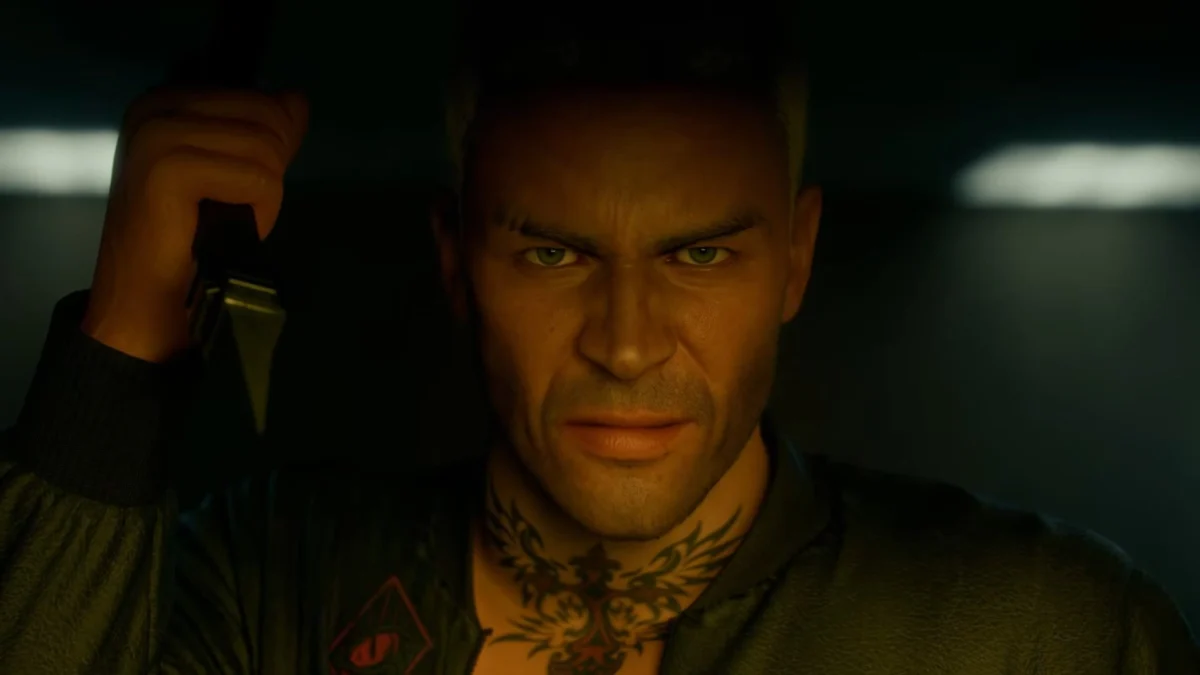
The announcement of Hunter: The Reckoning – Deathwish during the most recent Xbox Partner Preview event signals the definitive return of a cult-classic franchise that has remained largely dormant for over twenty years. Developed by Teyon, the studio recognized for its recent successes with licensed intellectual properties such as Terminator: Resistance and RoboCop: Rogue City, the new title is scheduled for release in the summer of 2027. The project aims to modernize the supernatural action-RPG formula for the Xbox Series X|S and PC platforms, leveraging contemporary hardware to deliver a narrative-driven cooperative experience set within the sprawling World of Darkness universe.
The Resurrection of a Cult Classic Franchise
Hunter: The Reckoning – Deathwish serves as a direct successor to the series that first gained prominence on the original Xbox console in the early 2000s. The franchise, based on the tabletop role-playing game created by White Wolf Publishing, originally debuted in 2002. At the time, it was lauded for its four-player local cooperative gameplay and its dark, atmospheric depiction of a world overrun by supernatural entities.
The original trilogy, consisting of Hunter: The Reckoning (2002), Hunter: The Reckoning: Wayward (2003), and Hunter: The Reckoning: Redeemer (2003), established a loyal fanbase by blending visceral hack-and-slash combat with light RPG elements. However, following the release of Redeemer, the series entered a prolonged hiatus. The announcement of Deathwish ends a twenty-four-year gap between major installments, representing one of the longest fallow periods for a high-profile licensed IP in the gaming industry.
Teyon’s Strategic Role and Development Pedigree
The selection of Teyon as the lead developer for Hunter: The Reckoning – Deathwish is a strategic move by the IP holders, likely influenced by the studio’s recent track record of revitalizing classic 1980s and 90s action franchises. Teyon’s evolution from a developer of mid-tier titles to a respected creator of "AA" experiences has been marked by two significant milestones.
Terminator: Resistance, released in 2019, was initially met with modest critical reception but eventually gained a "Very Positive" rating on Steam, praised by fans for its faithfulness to the source material and its atmospheric world-building. This was followed by the 2023 release of RoboCop: Rogue City, which became a commercial success for publisher Nacon and was cited as the publisher’s best-ever launch. Rogue City demonstrated Teyon’s ability to handle complex RPG mechanics, branching dialogue, and high-fidelity environmental storytelling.
For Deathwish, Teyon is expected to apply a similar philosophy: respecting the core tenets of the original Hunter lore while implementing modern gameplay systems. The shift from the top-down perspective of the original Xbox titles to what appears to be a more immersive, possibly third-person or first-person perspective, aligns with Teyon’s established expertise in 3D action environments.
Narrative Premise and Gameplay Evolution
The premise of Hunter: The Reckoning – Deathwish adheres closely to the "Imbued" lore of the World of Darkness. Players assume the roles of ordinary humans who have "awakened" to the existence of supernatural threats—vampires, werewolves, and witches—that live among humanity in secret. Unlike the monsters they hunt, these individuals are granted supernatural insights and abilities to combat the darkness.
According to the official project brief, the game will emphasize character customization and progression. Players will be tasked with building unique characters, selecting specific skill trees, and coordinating with a team of allies. This suggests a move toward a more robust Action-RPG framework compared to the arcade-style gameplay of the 2002 original. The core gameplay loop involves investigating monster dens hidden in urban environments, gathering intelligence, and executing tactical strikes to eradicate threats.
The narrative component is described as a personal journey that explores the protagonists’ pasts. This indicates a focus on branching storylines and character-driven stakes, a feature that was present but less developed in the original trilogy. By integrating investigative elements with high-stakes combat, Deathwish seeks to capture the tension of the tabletop source material, where hunters are often outmatched and must rely on strategy and teamwork to survive.
Contextualizing the World of Darkness
Hunter: The Reckoning – Deathwish is part of a broader effort by Paradox Interactive, the current owners of the World of Darkness IP, to expand the franchise’s footprint in the digital space. The World of Darkness is a shared universe that includes well-known titles such as Vampire: The Masquerade and Werewolf: The Apocalypse.
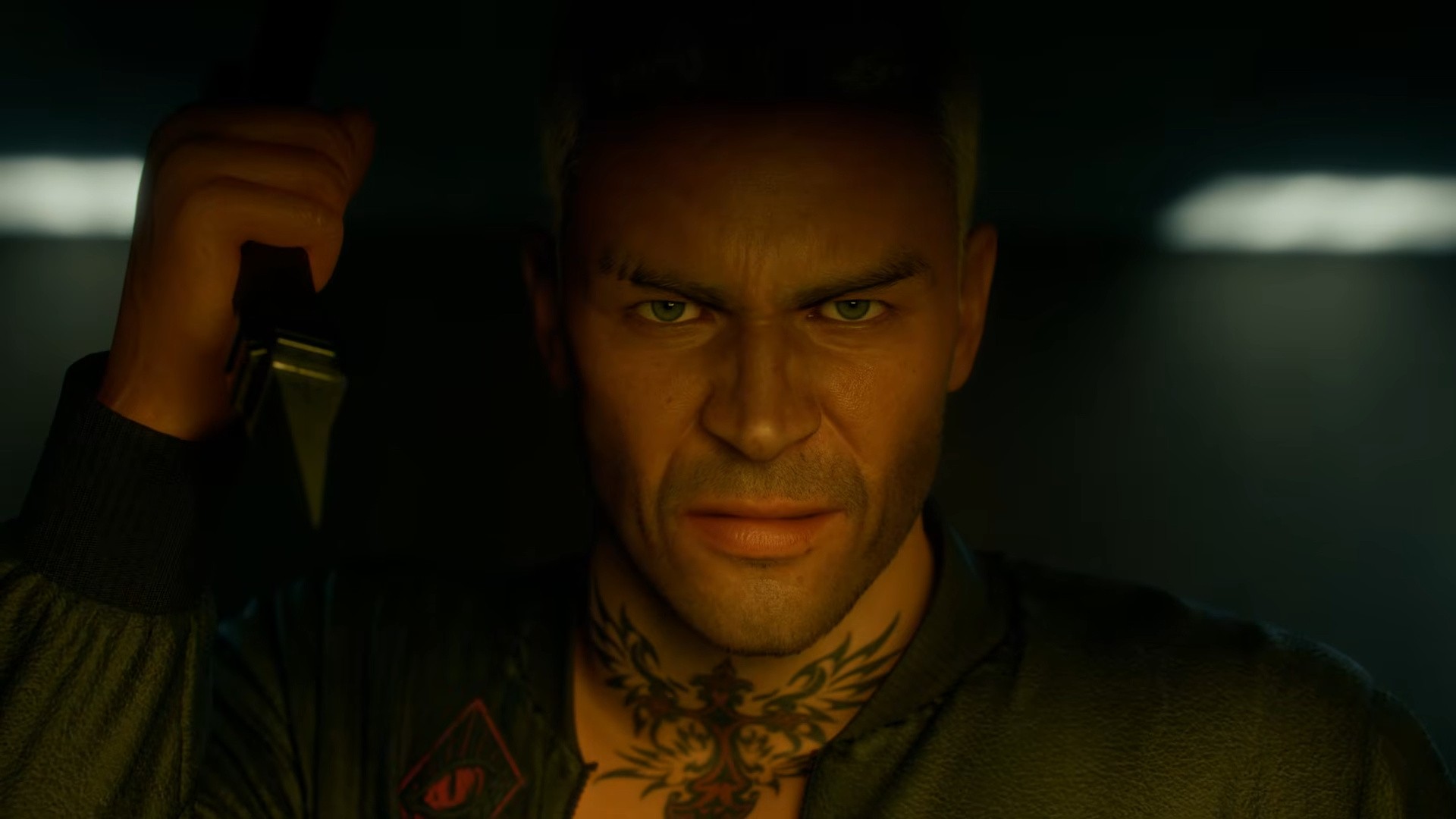
In recent years, the IP has seen a resurgence through various media, including:
- Vampire: The Masquerade – Swansong: A narrative-heavy RPG focused on political intrigue.
- Werewolf: The Apocalypse – Earthblood: An action-focused title exploring the environmental themes of the werewolf lore.
- Vampire: The Masquerade – Bloodlines 2: A highly anticipated sequel that has faced significant development challenges and studio changes.
The announcement of Deathwish provides a new pillar for the World of Darkness gaming portfolio. While Vampire focuses on social stealth and Werewolf focuses on primal rage, Hunter offers a perspective grounded in human resilience and cooperative tactics. This diversity in gameplay styles is essential for Paradox Interactive as it seeks to monetize its acquired library across different genres and player demographics.
Chronology of the Hunter: The Reckoning Series
To understand the significance of the 2027 release window, it is necessary to look at the historical timeline of the franchise:
- May 2002: Hunter: The Reckoning launches on Xbox (later GameCube). Developed by High Voltage Software, it introduces the four-player co-op mechanic.
- September 2003: Hunter: The Reckoning: Wayward is released as a PlayStation 2 exclusive, continuing the story with new characters.
- October 2003: Hunter: The Reckoning: Redeemer launches on Xbox, featuring a new playable character and refined graphics.
- 2004–2023: The series remains dormant. White Wolf Publishing undergoes several acquisitions, eventually landing under the Paradox Interactive umbrella.
- October 2024: Hunter: The Reckoning – Deathwish is officially announced at the Xbox Partner Preview.
- Summer 2027: Scheduled global release on Xbox Series X|S and PC.
The twenty-three-year gap between the last game and the announcement of the new title reflects the changing landscape of licensed gaming, where properties are often sidelined until a developer with a proven track record (such as Teyon) expresses interest in a revival.
Market Analysis and Industry Implications
The revival of Hunter: The Reckoning comes at a time when "AA" gaming—mid-budget titles that focus on specific niches—is experiencing a renaissance. Players have shown an increasing appetite for focused, polished experiences that do not necessarily require the astronomical budgets of "AAA" live-service titles.
Data from recent years suggests that licensed action games with strong co-op elements perform well on digital storefronts. Teyon’s previous title, RoboCop: Rogue City, outperformed internal sales projections, proving that there is a significant market for nostalgic IPs when handled with technical competence and respect for the source material.
Furthermore, the 2027 release date suggests a long development cycle, allowing the team to utilize the full capabilities of Unreal Engine 5 or similar high-end middleware. By targeting a window late in the current console generation, Teyon and Xbox are positioning Deathwish as a mature, technically accomplished title that could serve as a centerpiece for the Xbox Game Pass service, which thrives on cooperative multiplayer content.
Stakeholder and Industry Reactions
While official statements from Teyon and Paradox Interactive have been limited to the promotional blurb, industry analysts have noted the significance of the partnership. The Xbox Partner Preview has become a vital platform for Microsoft to showcase third-party collaborations that bolster its ecosystem. By securing a high-profile revival like Hunter: The Reckoning, Xbox continues to appeal to its "legacy" audience—players who grew up with the original 2001 console—while offering a fresh RPG experience for new subscribers.
Fans of the World of Darkness tabletop community have expressed cautious optimism. The primary concern for long-term enthusiasts is the balance between the "horror" and "action" elements. While the original games leaned heavily into arcade action, the tabletop game is known for its psychological weight and the "horror of the hunt." Teyon’s work on Terminator: Resistance suggests they are capable of maintaining a somber, atmospheric tone, which may assuage fears of the game becoming a generic shooter.
Conclusion and Future Outlook
Hunter: The Reckoning – Deathwish represents more than just the return of an old name; it is a test case for how classic IPs can be reimagined for a new generation. With Teyon’s proven ability to translate cinematic and tabletop atmospheres into engaging gameplay, the project has a strong foundation.
As the industry moves toward 2027, further details regarding specific gameplay mechanics, character classes, and the extent of the cooperative features are expected to emerge. For now, the return of the Hunter franchise serves as a reminder of the enduring appeal of the World of Darkness and the growing influence of specialized developers in the modern gaming market. The "Imbued" are set to return, and the supernatural underworld of the Xbox ecosystem is poised for a significant expansion.