


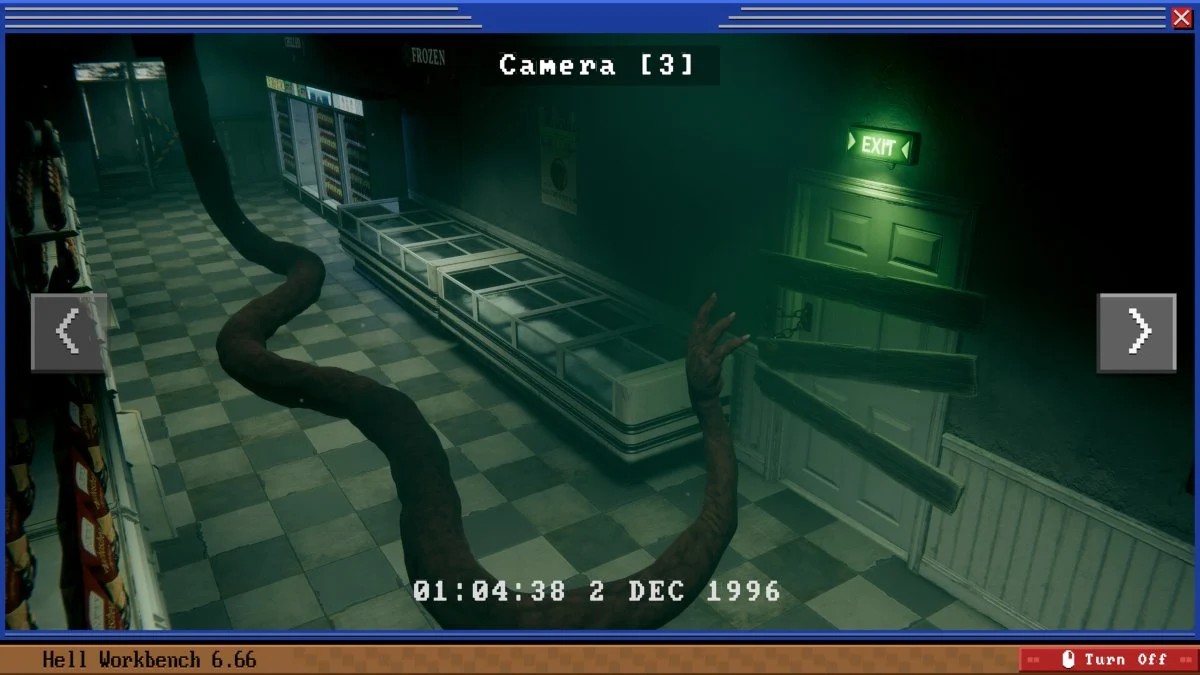
The chilling reality of working at HELLMART extends far beyond stocking shelves and managing inventory. Players stepping into this unique work simulator are faced with a hidden karma system that dictates their fate, with nearly every action carrying unseen consequences. While no tangible bonuses are at stake, the player’s very existence hangs in the balance. Much like the moral choices that defined the Paragon and Renegade paths in the acclaimed Mass Effect series, decisions within HELLMART shape the player’s identity and ultimately determine their ending. Fortunately for those seeking to master its challenges, HELLMART offers a more concise set of conclusions than its more complex counterpart, the work simulator Zoochosis. This guide aims to illuminate the path to all three distinct endings within the horror supermarket simulator, HELLMART.
Unlocking the Secrets of HELLMART: A Comprehensive Endings Guide
The narrative of HELLMART unfolds through a series of shifts, each presenting unique challenges and moral quandaries. The player’s performance, meticulously tracked by an invisible karmic ledger, dictates which of the three potential outcomes they will experience. These endings range from a triumphant ascension to ownership, a cyclical return to the mundane, and a terrifying descent into monstrous servitude.
Keys to the Kingdom: Attaining the "Best" Ending
The most desirable conclusion in HELLMART, often referred to as the "Keys to the Kingdom," is achieved by embodying the role of an exemplary supermarket employee. This path demands an unwavering commitment to maintaining the store’s pristine condition, demonstrating exceptional customer service, consistently meeting all quotas, and vigilantly safeguarding the premises. The player must be meticulous in their transactions, ensuring no customer is short-changed, and remain vigilant against the nightly incursions of supernatural entities disguised as patrons. Furthermore, identifying and neutralizing anomalies that disrupt the store’s order is paramount. While the game hints at pervasive consequences for every action, the reality is that a focused adherence to positive behaviors yields the most rewarding outcome.
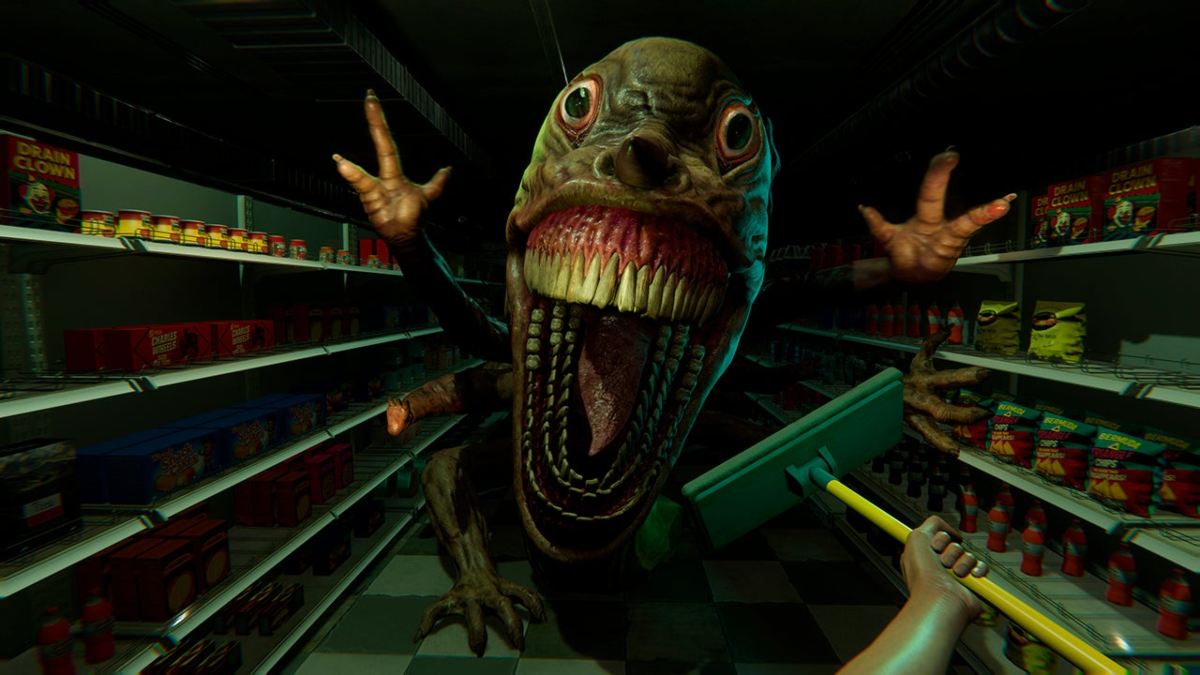
To secure this ending, players are advised to prioritize adherence to the directives issued by their employer, who communicates exclusively via the store’s payphone. Maintaining customer satisfaction involves ensuring shelves are perpetually stocked and demonstrating keen attention at the register to prevent errors in change. Although not explicitly stated through in-game mechanics, actions such as theft or rudeness towards customers are understood to negatively impact karma. Conversely, errors in dispensing change can lead to an increased daily quota, adding an extra layer of pressure. The game also presents opportunities to deny service to suspicious individuals or those making dubious requests, such as Father Grayson, who repeatedly solicits donations. Careful observation and discernment are key to navigating these interactions.
The night shifts present a particularly perilous gauntlet. Imposters, who aim to disrupt the store’s operations, often manifest through glitches and malfunctions in the security camera feed, their speech patterns characterized by noticeable typos and unnatural phrasing. The player must distinguish these threats from genuine customers. Conversely, it is crucial to permit entry to recognized individuals from previous shifts and to avoid making assumptions about a customer’s character based solely on past behavior. Figures like Karen, who demands additional change, or the shoplifter, who can be apprehended in the act, alongside seemingly intimidating individuals like Tiny Bob, should not be automatically ostracized.
The pivotal moment for achieving the "Keys to the Kingdom" ending occurs on the seventh day. As the shift concludes and the player retreats to the cabin for rest, they will encounter a mysterious Stranger outside. The correct dialogue choice in this critical juncture is to declare, "I have to protect this place from you!" Successfully navigating this interaction leads to the transformation of the ominous HELLMART into a commonplace establishment named HelloMart. The player is then bestowed the keys to the store, becoming its rightful proprietor. This ending signifies not just survival, but success and ownership within the game’s peculiar universe.
Groundhog Day: Embracing the Cycle of Repetition
The "Groundhog Day" ending represents the default, middle-ground outcome in HELLMART. For players who do not consistently achieve perfect performance, this is likely to be their initial experience. The primary distinction between this ending and the "Keys to the Kingdom" lies in the accumulation of minor errors and misjudgments concerning customer interactions and dialogue choices.

This scenario can be triggered by various missteps. Accidental increases in the daily quota due to incorrect change given to customers, failure to apprehend a shoplifter, allowing legitimate customers to remain outside during night shifts, or expressing doubt about the value of following rules to the Stranger can all contribute to this outcome. Furthermore, players can opt to assist the Stranger on the seventh day, provided they have not significantly deviated from helpful customer service or admitted monsters during the night. However, a pattern of substantial errors, observed by unseen forces, can push the player towards the more dire "Judgement Night" ending.
The narrative resolution for "Groundhog Day" sees HELLMART engulfed in flames. The player may initially believe they have escaped this surreal ordeal, only to discover that the cycle is merely beginning. As a bus rounds a corner, revealing a brand-new HELLMART, the player finds themselves preparing for their first shift once more, trapped in an endless loop of the supernatural supermarket experience. This ending underscores the pervasive nature of the store’s influence and the difficulty of truly breaking free from its grasp.
Judgment Night: Succumbing to the Monstrous Transformation
The "Judgment Night" ending is the most perilous and serves as the ultimate consequence for egregious failures and a deliberate disregard for the store’s operational integrity. This path is easily achieved by actively engaging in counterproductive behavior: being rude to customers, allowing monsters to enter the premises, and actively evading confrontations with these entities during night shifts, all of which contribute to a rapidly accumulating negative karma score. Rejecting customers who have passed initial security checks, both visually and through dialogue, also furthers this descent. Ignoring explicit customer requests, such as restocking specific items or providing requested cigarettes, is a hallmark of this ending. The focus here shifts from nuanced dialogue choices to a consistent pattern of poor performance, aiming for the dubious title of "Worst Employee of the Week, Every Week."
The critical juncture for this ending is the seventh day, where players are presented with the option to collaborate with the Stranger. Dialogue choices such as "I don’t give a shit about those rules!" when the Stranger is at the checkout, or agreeing to assist the Stranger in black, are indicative of the player’s path. While these specific prompts are important, the overarching goal is to demonstrate a complete lack of regard for the established order and to actively embrace chaos, all while avoiding direct termination through death. The Stranger’s appearance on the seventh day is a narrative constant, regardless of player actions.
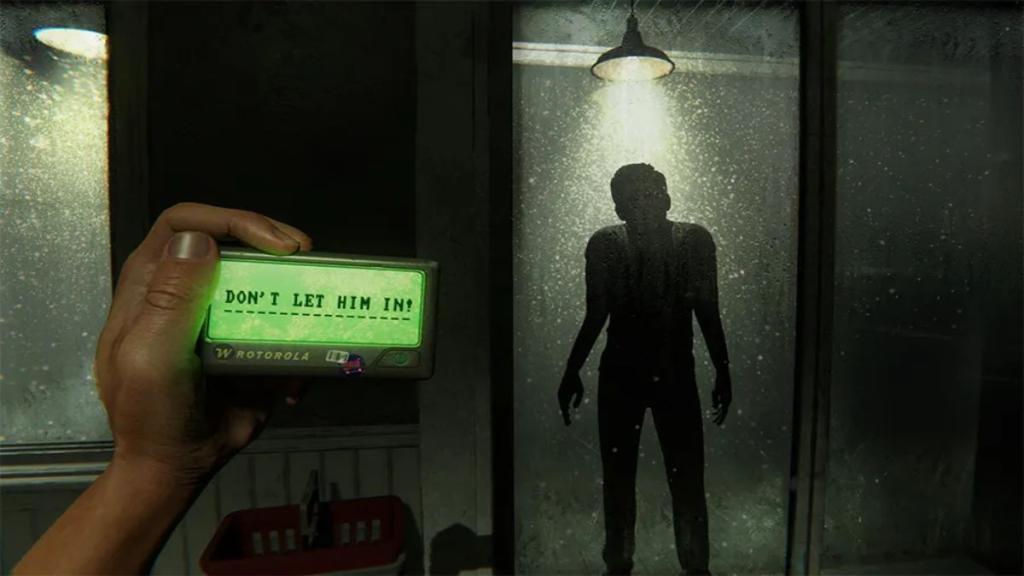
The grim conclusion of "Judgment Night" depicts HELLMART adorned with the impaled bodies of its former customers, a macabre testament to the player’s failures. The player has fallen prey to the Stranger’s insidious deceptions, a fate shared by countless predecessors. In a horrifying twist, the player is transformed into one of the very monsters that once sought to breach the store’s defenses. Their new existence is dedicated to perpetuating the cycle of terror, breaking into the supermarket, and preying on future employees, ensuring they too succumb to the curse that now binds the player. This ending serves as a stark warning about the consequences of unchecked negativity and the seductive nature of succumbing to darker impulses.
The underlying mechanics of HELLMART, particularly its hidden karma system, suggest a complex web of cause and effect. While explicit indicators are scarce, player actions—from the minutiae of stock management to critical dialogue choices—are constantly evaluated. This design choice imbues the game with a palpable sense of tension, as players are perpetually aware that their decisions, however small, could have significant repercussions. The game’s creator, GAZE IN GAMES, has consistently emphasized the emergent narrative possibilities within their work, and HELLMART’s multiple endings are a prime example of this design philosophy. The spectral nature of the employer, communicating only through a payphone, adds an ethereal layer to the player’s isolation and the overarching mystery of the HELLMART establishment. The game masterfully blends the mundane drudgery of retail work with supernatural horror, creating a unique and unsettling player experience. The stark contrast between the brightly lit, yet sinister, interior of HELLMART and the desolate, snow-covered exterior further enhances the game’s oppressive atmosphere. The recurring imagery of the Stranger, a figure of ambiguous intent, acts as a potent symbol of the external forces that seek to exploit or corrupt the player’s efforts. Each ending offers a distinct commentary on themes of ambition, responsibility, and the corrupting influence of power, even within the confines of a seemingly ordinary supermarket. The game’s replayability is significantly enhanced by the desire to explore these divergent narrative paths and uncover the subtle triggers that lead to each unique conclusion.