


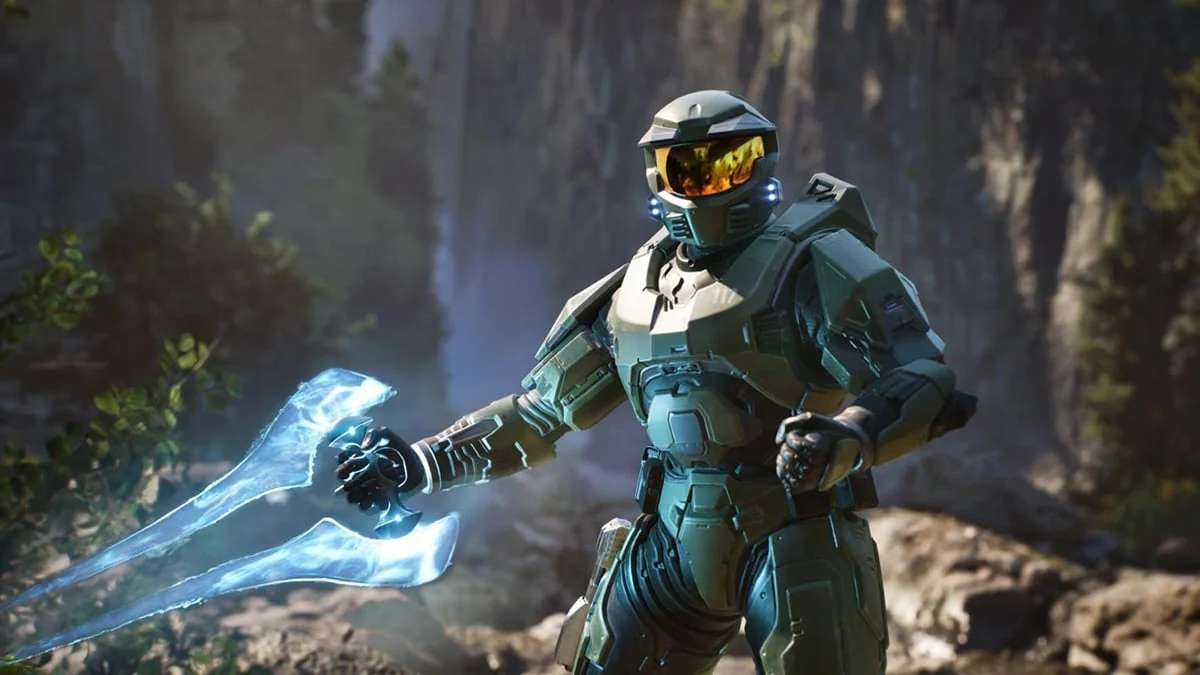
In a dramatic upheaval that has sent ripples through the gaming community, the venerable Halo franchise is reportedly undergoing a significant restructuring, with multiple internal projects at Halo Studios being shelved indefinitely. This seismic shift, detailed by prominent leaker "Leaks Infinite," suggests a complete overhaul of the franchise’s future direction, culminating in the imminent reboot of the iconic science-fiction shooter series under the stewardship of Activision. The news follows recent reports of substantial layoffs at Halo Studios, leaving the once-thriving development team drastically reduced.
The Unveiling of Shelved Projects and a New Era
According to the information disseminated by "Leaks Infinite," prior to the extensive layoffs and restructuring initiated by Xbox at Halo Studios, the development pipeline was considerably more robust than anticipated. At least three major projects were reportedly in active development. These included ambitious remakes of two of the franchise’s most beloved entries, Halo 2 and Halo 3, alongside the next mainline installment, tentatively referred to as Halo 7. Furthermore, this new flagship title was slated to feature "huge modes," indicating a significant expansion of gameplay experiences beyond the traditional campaign and multiplayer offerings. However, all these initiatives have now been unceremoniously scrapped in the wake of the studio’s decimation, which has reportedly left it with a mere two dozen developers.
The implications of these shelved projects are substantial. The prospect of updated versions of Halo 2 and Halo 3, games that defined a generation of console gaming and are frequently cited in discussions of the series’ golden age, had generated considerable excitement among long-time fans. Similarly, Halo 7, as the next chapter in the Master Chief’s saga, represented the continuation of a narrative that has captivated millions for over two decades. The loss of these projects signifies not only a halt in ongoing development but also a potential redirection of the franchise’s creative energy.
A Timeline of Transformation
The current predicament of Halo Studios and the franchise’s future can be traced back through a series of events and decisions. While the exact date of the initial restructuring and subsequent layoffs at Halo Studios remains unconfirmed, the information from "Leaks Infinite" suggests these actions preceded the announcement of Activision’s increased involvement. The leaker’s social media post, dated September 24, 2026, explicitly states that "Effective immediately, all internal projects at Halo Studios have been shelved." This timeline indicates a rapid and decisive move to consolidate and re-evaluate the franchise’s trajectory.
The involvement of Activision marks a significant turning point. Historically, Activision has been responsible for the development and publishing of numerous blockbuster franchises, including Call of Duty. Their ascension to a key role in the Halo universe suggests a strategic decision by Xbox to leverage external expertise and potentially a more aggressive approach to franchise management. The statement from "Leaks Infinite" indicates that Activision will now be "taking over with a new studio that decides what stays, and what goes with a new Halo title." This implies a comprehensive review of existing assets, intellectual property, and future development strategies.
The Reboot Directive and the Abandonment of Existing Lore
Perhaps the most profound development is the reported plan for a complete reboot of the Halo franchise. This reboot, as alluded to in previous reporting and now corroborated by "Leaks Infinite," will involve the abandonment of the current lore and universe that has been meticulously crafted since the franchise’s inception in 2001. This drastic measure is widely interpreted as an attempt to distance the series from the narrative complexities and perceived missteps that have occurred in the post-Bungie era. Bungie, the original developer of Halo, concluded its tenure with Halo: Reach in 2010, leaving the franchise’s narrative and creative direction to subsequent studios, including 343 Industries.
The decision to discard established canon suggests a desire to return to the core tenets that made Halo a cultural phenomenon: compelling characters, iconic weaponry, and intense, arena-style multiplayer combat. This could also be an effort to streamline the narrative for new players, removing decades of intricate storylines and character arcs that may have become daunting for newcomers. The implications of this reboot are far-reaching, potentially impacting character interpretations, the established timeline, and the overall tone and atmosphere of future Halo titles.
Additional Projects and the Halo Championship Series
Beyond the major game projects, "Leaks Infinite" also claims that the remaining skeleton crew at Halo Studios is "in a rush to try and release anything that was nearing completion." This includes a new Halo novel and a project titled Halo: Parasite’s Wake. The urgency to push these out suggests a final effort to salvage existing work before the complete transition of control. The fate of these smaller projects, however, will likely be subject to Activision’s final decisions.
A significant casualty of this restructuring appears to be the Halo Championship Series (HCS), the franchise’s premier competitive esports organizer. The leaker asserts that the HCS has been "shelved," with the majority of its staff being laid off. While Halo Fest is reportedly set to continue, its future plans remain uncertain. The demotion of the HCS, a vital component of the Halo ecosystem that fosters community engagement and provides a platform for professional players, signals a potential shift in the franchise’s focus away from competitive esports, at least in the immediate future.
A Franchise at a Crossroads
The state of the Halo franchise has been a subject of debate and concern among fans for many years. Following the departure of Bungie, 343 Industries took the reins, delivering titles such as Halo 4, Halo 5: Guardians, and the most recent installment, Halo Infinite. While these games have garnered varying degrees of critical and commercial success, many fans and observers have argued that the franchise has been on a downward trajectory, struggling to recapture the magic of its early installments.
The decision to bring in Activision, a company known for its aggressive monetization strategies and cyclical development practices, has elicited mixed reactions. While some may see it as a necessary injection of fresh perspective and resources, others express concern about the potential impact on the franchise’s identity and artistic integrity. The emphasis on a reboot, coupled with the shelving of ambitious internal projects, suggests a bold, albeit potentially controversial, path forward for one of gaming’s most iconic IPs. The success of this new direction will hinge on Activision’s ability to understand and honor the core elements that made Halo beloved, while also forging a compelling new future for the Master Chief and the Halo universe. The coming months will undoubtedly be crucial in shaping the next chapter of this storied franchise.