


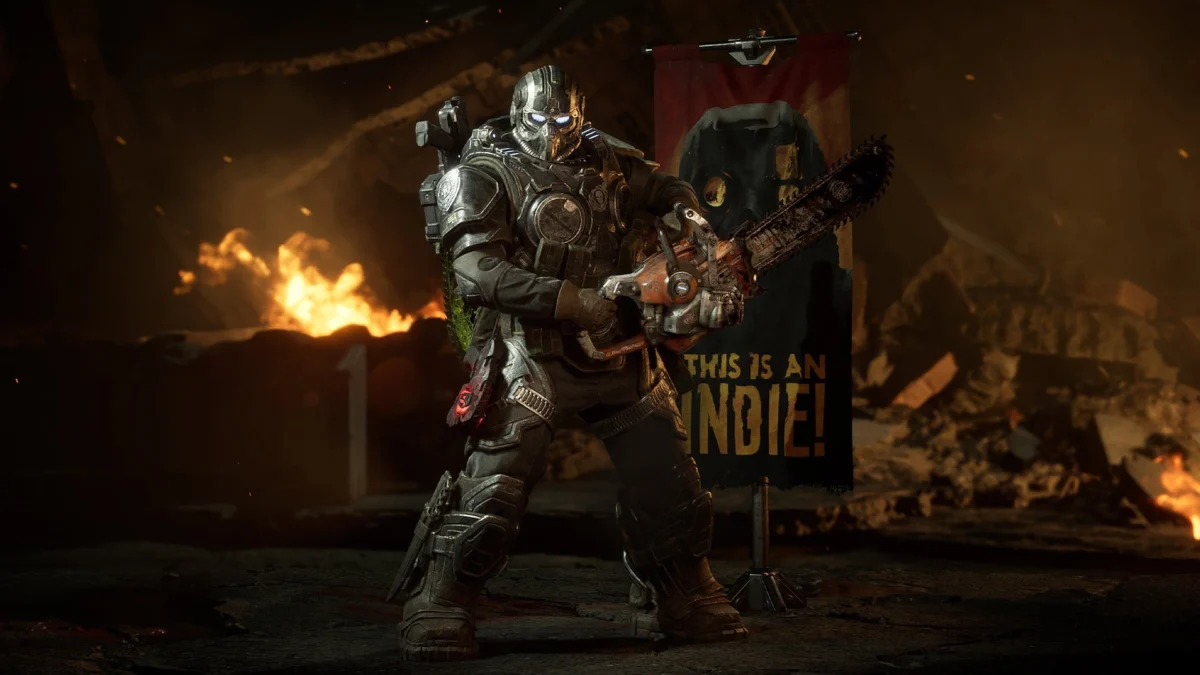
The highly anticipated title, Gears of War: E-Day, recently entered Premium Advanced Access, offering a select group of players and critics an early opportunity to engage with its final builds, particularly focusing on the multiplayer modes: Versus and Horde Siege. This phase followed an initial period where review access was primarily limited to the game’s critically acclaimed campaign. Early critical reception, as highlighted by numerous outlets, including a prominent review that lauded the game as a "monumental triumph" and "one of the best-looking games ever seen on Xbox," has set a high bar for its full release. The comprehensive assessment of the game’s multiplayer suite, now possible through advanced access, provides crucial insights into how The Coalition, the developer, has approached evolving the franchise’s iconic competitive and cooperative experiences.
Historical Context and Franchise Evolution
The Gears of War franchise has a storied history, originating with Epic Games on the Xbox 360, quickly becoming a flagship title for Microsoft. Known for its gritty cover-based third-person shooting, brutal executions, and distinctive aesthetic, the series garnered a loyal fanbase. Following the acquisition of the IP by Microsoft and the transition of development duties to The Coalition, the franchise continued with titles like Gears of War 4 and Gears 5. Gears of War: E-Day, however, marks a significant departure from the chronological progression of previous titles, serving as a prequel set on Emergence Day. This pivotal event in the Gears lore depicts the initial devastating assault by the Locust Horde on humanity, offering a narrative return to the series’ foundational mythos.
The decision to revisit Emergence Day was met with considerable anticipation from fans eager to explore the origins of the conflict. This narrative choice also presented The Coalition with an opportunity to reimagine core gameplay mechanics and multiplayer modes, leveraging modern hardware capabilities while staying true to the series’ essence. The development journey for E-Day included several public-facing phases, notably preview events and beta weekends, which allowed the developer to gather extensive community feedback on early iterations of the multiplayer experience. This iterative development process, culminating in the Premium Advanced Access, underscores a commitment to delivering a polished and engaging product across all facets of the game.
Versus Mode: A Strategic Reimagining of Classic Combat
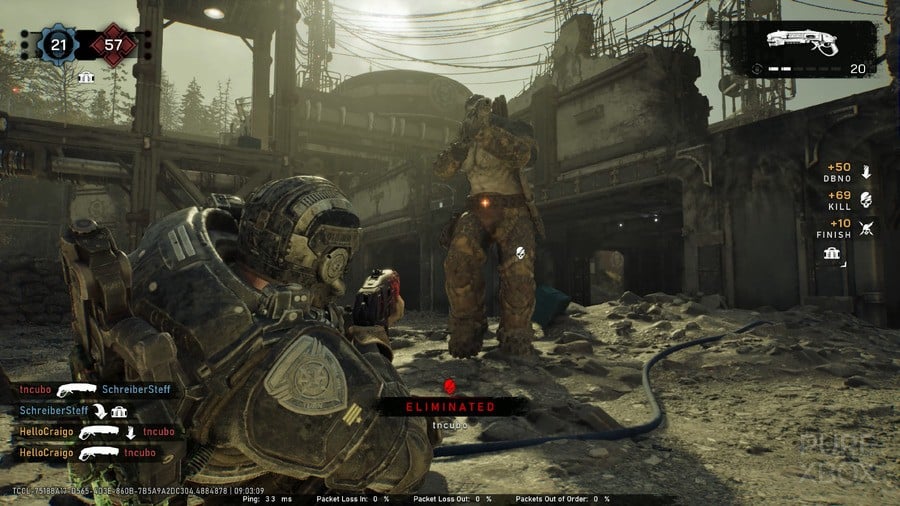
The competitive Versus mode in Gears of War has always been a cornerstone of the franchise, celebrated for its intense close-quarters combat, strategic weapon control, and distinct movement mechanics. While classic modes such as Team Deathmatch, Execution, and King of the Hill remain present, The Coalition has introduced two notable additions that aim to refresh the competitive landscape: Conquest and Demolition. These new modes are designed to foster greater team-play and strategic depth, moving beyond pure elimination.
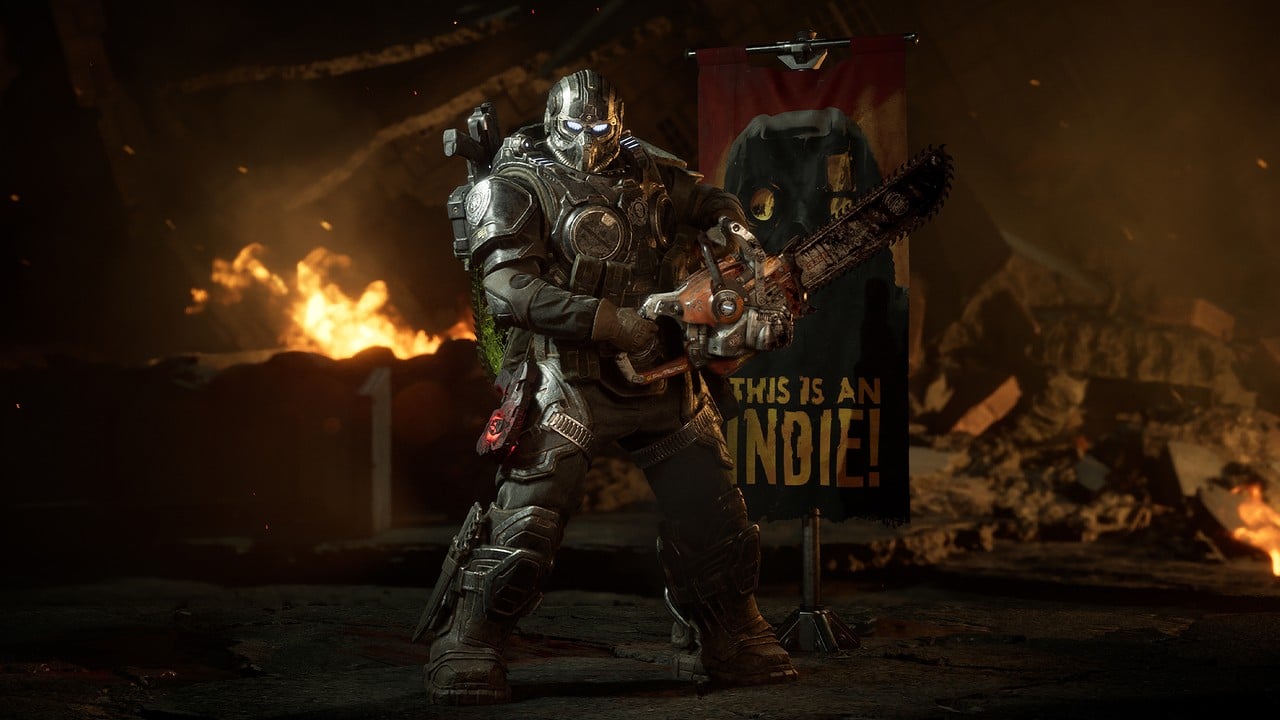
Conquest, an evolution of the traditional King of the Hill format, requires teams to continuously fight for and defend specific zones across the map. Unlike standard point-capture modes where zones might activate sequentially or simultaneously with a simple timer, Conquest in E-Day demands prolonged occupation to claim a point. Zones remain active until one team maintains control for a sufficient duration, after which they are secured, and the objective shifts. This mechanic introduces a dynamic ebb and flow to matches, particularly in crucial late-game scenarios where teams might be tied, forcing high-stakes engagements over the final objective. This design choice elevates the strategic importance of map control and coordinated pushes, providing a fresh challenge for veteran players.
Demolition introduces a distinct objective-based mode that diverges significantly from prior Gears Versus offerings. In Demolition, teams contend for control of a bomb, which, once acquired, must be planted at an enemy bombsite. The defending team faces a critical challenge: there are no respawns until either the bomb detonates or is successfully defused. This "no-respawn" condition for defenders amplifies the tension and strategic weight of each engagement. Successful bomb plants and subsequent defense require meticulous team coordination, precise communication, and effective use of cover and abilities. Conversely, the attacking team must execute well-timed pushes to plant the bomb and then pivot to a defensive stance, preventing its defusal. The mode rewards tactical thinking, clutch plays, and coordinated efforts, offering a dynamic experience that genuinely differentiates itself within the Versus suite. Industry observers have noted that this mode successfully blends elements of tactical shooters with the signature Gears combat, appealing to a broader audience while maintaining core franchise identity.
Feedback from beta weekends and advanced access players has indicated a positive reception to these new modes, with many highlighting the increased opportunities for strategic decision-making and memorable team moments. The balance between aggressive "gnasherfest" skirmishes and objective-focused play appears to be well-maintained, ensuring that the core combat remains satisfying while encouraging diverse playstyles.
Horde Siege: A Grand-Scale Cooperative Overhaul
Horde mode, introduced in Gears of War 2, has long been a beloved cooperative experience, challenging players to survive increasingly difficult waves of enemies. For Gears of War: E-Day, The Coalition has undertaken a significant reimagining, introducing "Horde Siege," a 12-player mode that vastly expands the scale and strategic complexity of cooperative survival. This iteration moves beyond the traditional wave-defense structure by incorporating multiple squads and diverse objectives.
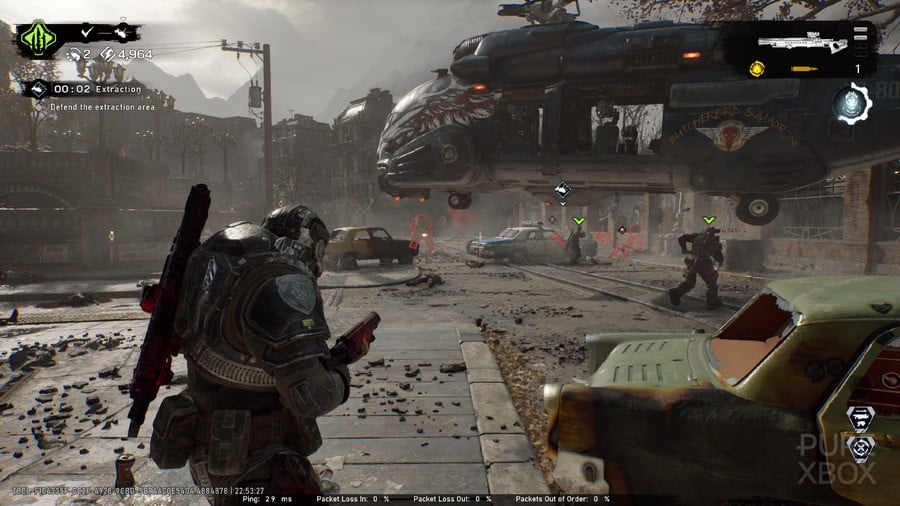
Horde Siege is characterized by its large, open-zoned maps, which are notably grander in scale than anything previously seen in the series’ cooperative modes. An example is the "Golden Quarter," which provides ample space for three squads of four players to operate. Each squad is assigned primary and secondary objectives, some of which encompass classic wave-defense scenarios, while others introduce new strategic elements such as resource gathering, escort missions, or specific enemy eliminations. This multi-objective design prevents fatigue and encourages dynamic movement across the expansive map, fostering a sense of larger-scale conflict rather than static defense.
A critical innovation in Horde Siege is the robust class system and deep weapon modification system. Players can choose from various classes, each with unique abilities and roles. For instance, the Marksman class, equipped with a Longshot sniper rifle, gains an ability to scan and highlight nearby Locust enemies, facilitating precise long-range engagements. The weapon mod system further enhances customization, allowing players to equip scopes, barrels, grips, and other attachments that significantly alter weapon performance and introduce unique effects. For example, a Marksman can equip a "perfect reload" mod that causes enemies to explode upon successful reloads, alongside faster reload speeds, transforming the Longshot into a highly specialized and satisfying tool for head-popping eliminations. This level of customization fosters experimentation and allows players to tailor their loadouts to their preferred playstyle and specific tactical needs, enhancing replayability.
The transition to a 12-player format with integrated squad objectives represents a bold evolution for Horde mode. It addresses feedback from previous iterations that sometimes felt repetitive or lacked sufficient strategic depth beyond building fortifications and surviving waves. The Coalition’s approach in Horde Siege appears to have successfully injected new life into the cooperative experience, converting even previously disengaged players into enthusiastic participants, as indicated by the advanced access impressions. The mode’s emphasis on larger maps, varied objectives, and deep customization ensures that it offers a fresh and engaging cooperative challenge, positioning it as a significant draw for the game.
Technical Performance and Player-Centric Monetization
During the Premium Advanced Access period, the overall technical performance of Gears of War: E-Day’s multiplayer modes has been largely positive. Server stability has been reported as reliable, with minimal instances of disconnections, ensuring a generally smooth experience for players. However, some minor issues have been identified, such as occasional high-ping connections that could impact competitive integrity. As the game transitions to a full public launch and introduces ranked playlists, The Coalition may need to consider implementing matchmaking toggles that allow players to prioritize either shorter search times or lower-ping connectivity, a feature that many competitive players consider essential for a fair and enjoyable experience.
Beyond performance, The Coalition has implemented a noteworthy monetization strategy that prioritizes player value and accessibility. The game features two distinct currencies: "Iron," which is purchased with real money, and "Coins," which can be earned through gameplay. A key aspect of this system is that many cosmetic items, including weapon skins and character outfits, are purchasable with Coins, which can be acquired simply by playing the game. Reports from advanced access players indicate that Coins are earned at a reasonable rate, allowing players to acquire desirable cosmetic items without excessive grinding or financial investment.
A particularly player-friendly feature is the dynamic pricing of premium bundles. If a player has already acquired individual items within a bundle using earned Coins, the Iron price of that bundle is automatically reduced to reflect the owned content. This mechanism demonstrates a commitment to transparency and fairness, directly addressing common criticisms of predatory monetization practices prevalent in the industry. As confirmed by The Coalition’s Noah Benesch at a recent London FanFest, this approach is designed to allow players to unlock desired cosmetics simply by engaging with the game, reminiscent of older monetization models that fostered a greater sense of reward and accomplishment. This strategy is poised to build significant goodwill within the community and could serve as a positive example for other developers navigating the complexities of in-game economies.
Broader Implications for the Franchise and Xbox Ecosystem
The strong early performance and positive reception of Gears of War: E-Day, particularly its innovative multiplayer offerings and player-centric monetization model, carry significant implications for the franchise and the broader Xbox ecosystem. The game’s consistent praise for its visual fidelity and campaign, combined with the successful reinvention of its multiplayer modes, positions it as a potential "Game of the Year" contender. This success would significantly bolster Xbox’s first-party lineup, demonstrating the platform’s capacity to deliver high-quality, impactful exclusives.
For The Coalition, E-Day represents a triumph in revitalizing a flagship franchise. By returning to the series’ narrative roots while simultaneously pushing boundaries in multiplayer design, they have managed to blend nostalgic appeal with modern innovation. This approach is crucial for maintaining relevance in a competitive gaming landscape and attracting both veteran fans and new players. The ethical monetization strategy could also set a new standard, fostering greater player trust and long-term engagement, which are vital for the sustained success of live-service multiplayer titles.
The game’s potential to reignite interest in the Gears of War esports scene, should its competitive modes gain traction, also represents a significant opportunity. The strategic depth of Conquest and Demolition, combined with robust technical performance, could provide a fertile ground for competitive play and community growth. Ultimately, Gears of War: E-Day appears to be more than just another entry in a long-running series; it is positioned as a pivotal moment that redefines expectations for the franchise and reinforces Xbox’s commitment to delivering compelling and player-focused gaming experiences.
Conclusion
Gears of War: E-Day’s Premium Advanced Access period has provided compelling evidence of The Coalition’s success in crafting a comprehensive and innovative package. The game’s multiplayer modes, Versus and Horde Siege, demonstrate a thoughtful evolution of established concepts, introducing strategic depth and expanded cooperative experiences while maintaining the core intensity that defines the franchise. Coupled with robust technical performance and a commendably player-friendly monetization system, E-Day is poised for a strong launch. The blend of nostalgic reverence and forward-thinking design positions Gears of War: E-Day not just as a triumphant return to the series’ origins, but as a significant step forward for the franchise, setting a new benchmark for its future.