


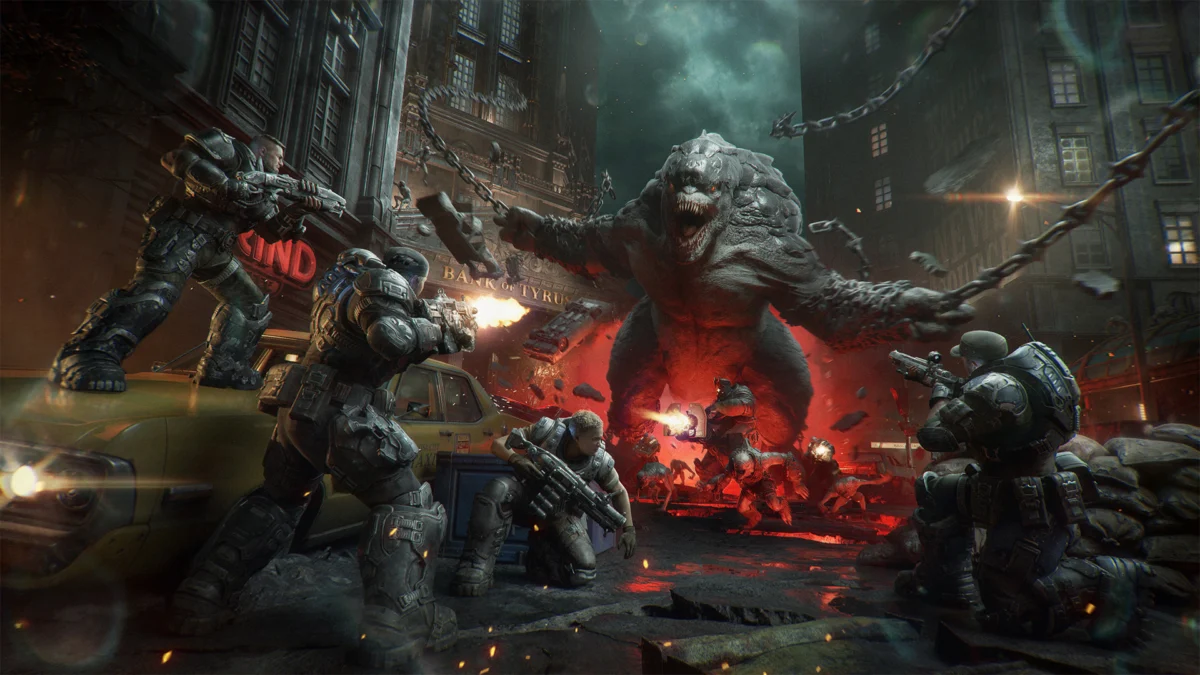
The highly anticipated return of the Gears of War franchise, Gears of War: E-Day, is set to redefine player engagement with its innovative Horde Siege mode and a robust, earnable multiplayer ecosystem. Following a recent showcase, initial impressions suggest a significant evolution of the beloved wave-based cooperative experience, coupled with a commitment to rewarding players through gameplay rather than microtransactions. This multifaceted approach aims to recapture the franchise’s core appeal while introducing fresh mechanics designed to captivate both veteran players and newcomers.
A New Era for Horde: The Siege Unleashed
Gears of War: E-Day’s Horde Siege mode represents a significant departure from the established formula, promising a more dynamic and strategically complex cooperative challenge. Moving beyond the traditional static defense scenarios, Horde Siege introduces a narrative-driven, multi-squad dynamic that immerses players in an ongoing battle. According to official descriptions from Microsoft, the mode will deploy three distinct squads, each comprising four players, into expansive environments. Crucially, each squad will operate with its own specific mission objectives, fostering a sense of interwoven conflict and emergent gameplay.
The core concept of Horde Siege is to thrust players into a battle already in progress, where their actions will intersect with those of other squads. This creates a fluid battlefield where objectives can shift dynamically, and emergent challenges arise organically from the evolving combat landscape. Microsoft highlighted that this interconnected approach, combining multiple COG squads, larger map designs, and varied mission types, cultivates a more unpredictable PvE experience. Threats, objectives, and opportunities are in constant flux, demanding adaptability and strategic coordination.
The fundamental objective remains quintessentially Gears: survive the relentless onslaught of the Locust, support your squadmates, and leverage every available weapon and tactical advantage to achieve victory. However, the addition of distinct mission parameters for each squad introduces a layer of strategic depth previously unseen in Horde modes. This could involve securing key defensive points, executing offensive maneuvers to disrupt enemy reinforcements, or undertaking critical retrieval missions, all while coordinating with other player-controlled squads facing their own unique challenges.
Evolving Class Systems and Customization
Further enhancing the strategic depth of Horde Siege, Gears of War: E-Day will feature selectable character classes, each with unique loadouts and abilities. The revealed classes include Assault, Breacher, Marksman, and Medic. This specialization encourages thoughtful team composition, as players will need to synergize their chosen roles to overcome the escalating waves of enemies. The Assault class likely focuses on frontline combat and heavy weaponry, while the Breacher might specialize in breaching fortified positions or deploying explosives. Marksman players are expected to excel at long-range engagements and precision takedowns, and the Medic will be crucial for battlefield sustainment and team recovery.
Beyond class-specific abilities, Horde Siege will also incorporate a robust weapon modding and customization system. This allows players to tailor their arsenal to suit their playstyle and the specific demands of each mission. The introduction of in-game modifiers further adds to the replayability and unpredictability of Horde Siege, potentially altering enemy behavior, environmental conditions, or introducing unique gameplay mechanics that keep players on their toes.
The developers have positioned Horde Siege as a standalone, fully fleshed-out experience within Gears of War: E-Day, standing apart from the game’s campaign and competitive multiplayer offerings. This strategic decision mirrors the successful approach of other major franchises, such as Call of Duty, which often develop their third modes into distinct entities capable of attracting a dedicated player base that may not engage with other game types. The depth and potential for emergent gameplay in Horde Siege suggest it could become a significant draw for players seeking challenging cooperative experiences.
A Resurgence of Classic Multiplayer with Player-Centric Progression
In tandem with the groundbreaking Horde Siege, Gears of War: E-Day is also bringing back its competitive multiplayer, promising a return to form for the franchise’s iconic PvP combat. The multiplayer suite will feature four distinct game modes, across six meticulously designed maps, offering a variety of combat scenarios. The inclusion of ranked play signifies a commitment to competitive integrity, providing a ladder for players to test their skills and climb the leaderboards.
A particularly noteworthy aspect of Gears of War: E-Day’s multiplayer is its aggressive stance against pay-to-win mechanics and its emphasis on player-earned rewards. The development team has explicitly stated that "nearly every single item in Gears of War: E-Day can be earned by simply playing the game." This declaration directly addresses a common player concern regarding modern game monetization. The developers have unequivocally stated, "That means no battle pass, no tour of duty, no gimmicks, no bullshit."
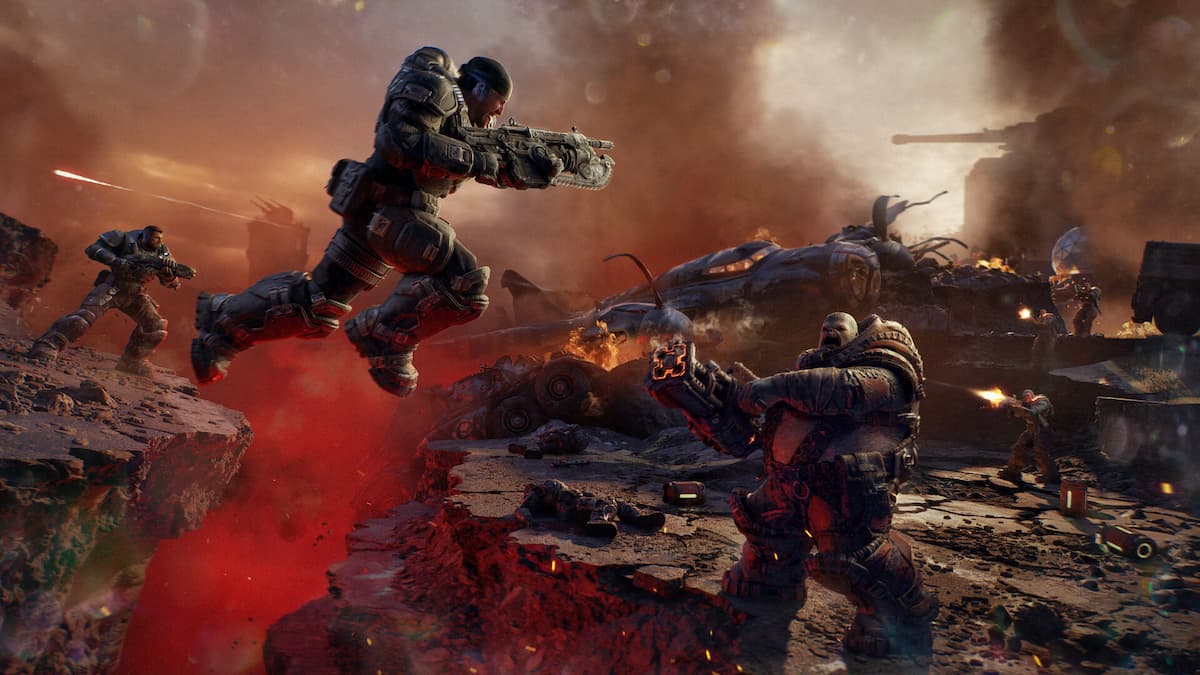
This commitment extends to all cosmetic and unlockable items, ranging from Legendary character skins and Epic weapon skin sets to Rare emotes and poses. The implication is that progression and customization will be tied directly to player effort and time invested in the game, fostering a sense of accomplishment and rewarding dedication. This approach stands in stark contrast to many contemporary titles that rely heavily on purchasable battle passes or loot boxes to gate content.
Background and Chronology of the Gears of War Franchise
The Gears of War series, developed by Epic Games and later by The Coalition, debuted in 2006, quickly establishing itself as a cornerstone of the Xbox platform. Its signature cover-based shooting mechanics, gritty narrative, and visceral combat set a new standard for third-person shooters. The original trilogy, concluding with Gears of War 3 in 2011, explored the desperate struggle of humanity against the Locust Horde, a subterranean race of monstrous creatures.
Gears of War 3, in particular, was lauded for its refined Horde mode, which offered a challenging cooperative experience where players defended against increasingly difficult waves of enemies. This mode became a significant draw for the franchise, fostering a strong community of cooperative players. The introduction of classes and fortifications in later iterations of Horde further enhanced its strategic depth.
Gears of War: E-Day, developed by The Coalition, is positioned as a prequel, delving into the origins of the conflict between humanity and the Locust. The title "E-Day" refers to Emergence Day, the pivotal event that marked the beginning of the Locust War, a catastrophic invasion that nearly annihilated the human population of the planet Sera. The game promises to explore this foundational period, offering players a fresh perspective on the iconic characters and the brutal circumstances that forged them into heroes.
The reveal of Horde Siege and the multiplayer progression system suggests The Coalition is actively listening to player feedback and seeking to innovate within established franchise pillars. The focus on a deep, earnable cooperative mode and a player-friendly multiplayer progression system signals a potential return to the franchise’s roots while embracing modern gameplay design philosophies.
Analysis of Implications and Broader Impact
The strategic decisions made for Gears of War: E-Day, particularly regarding Horde Siege and its multiplayer progression, carry significant implications for the gaming landscape. The emphasis on a deep, evolving cooperative mode like Horde Siege could attract players who prioritize long-term engagement and strategic teamwork. By offering a more dynamic and mission-driven experience, The Coalition is aiming to elevate the cooperative genre beyond simple survival.
The commitment to an earnable multiplayer ecosystem is a bold move in an industry increasingly dominated by microtransactions and battle passes. This player-centric approach could resonate strongly with a significant segment of the gaming community that has expressed fatigue with aggressive monetization strategies. By promising that nearly all content is unlockable through gameplay, Gears of War: E-Day positions itself as a potentially more consumer-friendly title, fostering goodwill and potentially driving sales through positive word-of-mouth.
This approach also carries potential risks. Developing and maintaining a system where all content is earnable requires a robust and well-balanced progression system that keeps players engaged over extended periods. The success of this model will hinge on the quality and variety of the content available and the fairness of the progression mechanics.
Furthermore, the success of Gears of War: E-Day could influence future game development strategies. If The Coalition’s gamble on player-centric progression pays off, it may encourage other developers to re-evaluate their monetization models and prioritize rewarding player investment. The return to a more traditional, yet innovatively designed, multiplayer experience, coupled with a sophisticated cooperative mode, positions Gears of War: E-Day as a title to watch in the coming release cycle. The game is slated for release on October 6th on PC and Xbox Series X|S, promising a substantial addition to the Xbox Game Studios portfolio and a significant event for the Gears of War fanbase.