


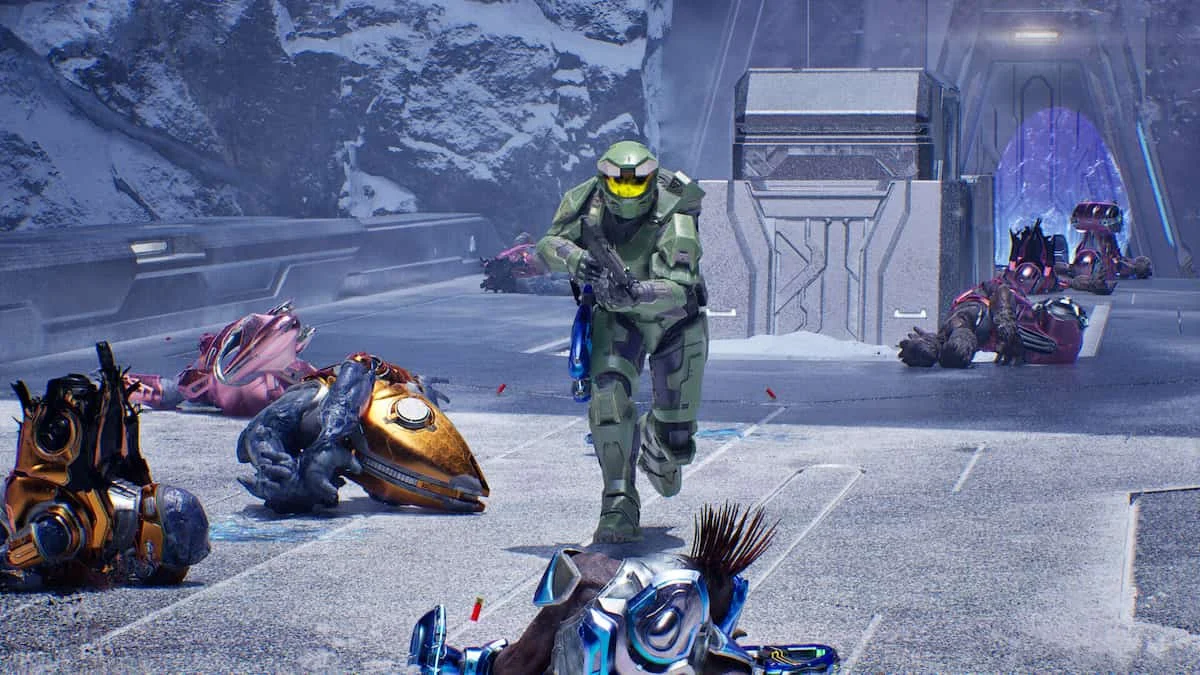
The gaming industry, a sector often characterized by its rapid innovation and passionate communities, is currently navigating a period of significant upheaval. In a move that underscores the broader restructuring efforts within Microsoft’s Xbox division, Halo Studios has become the latest entity to experience a wave of layoffs. These job cuts, occurring mere days after the highly anticipated launch of Halo: Campaign Evolved, are a direct consequence of Xbox CEO Asha Sharma’s stated "reset" initiative aimed at realigning the business for future growth and profitability. This latest round of redundancies follows a substantial initial reduction of 1,600 employees across Microsoft’s gaming sector last month, with further workforce adjustments anticipated throughout the fiscal year.
The Unfolding Layoff Narrative at Halo Studios
The somber news of job losses at Halo Studios began to surface through social media platforms, primarily LinkedIn, where affected developers shared their experiences. These personal accounts paint a stark picture of the unpredictable nature of the modern gaming industry. Among those speaking out was producer Nick Treitman, who revealed his departure after six and a half years with the Halo franchise. "After 6.5 years working on Halo and dodging just as many rounds of layoffs – it has finally caught up to me," Treitman posted, expressing his enduring affection for the franchise and its dedicated team. He candidly acknowledged the challenging economic climate, stating, "I have nothing but love for Halo and the folks at the studio, this is just a tough reality in the gaming industry right now."
Echoing Treitman’s sentiment, producer Paul Morris also shared his departure from Halo Studios, noting the bittersweet timing of his exit. "Today, I learned my time at Halo Studios will be coming to an end following the successful launch of our latest game, Halo: Campaign Evolved," Morris stated in a LinkedIn post. He further commented on the current job market, recognizing its difficulties while maintaining a forward-looking perspective: "I know this is one of the most challenging job markets our industry has seen, and I know the road ahead won’t be easy. But I’m not done, and my purpose has not changed." The exact number of individuals affected by this latest round of layoffs at Halo Studios has not been officially disclosed, but the posts suggest a significant, though unspecified, number of developers have been impacted.
A Broader Pattern of Restructuring Across Xbox
The situation at Halo Studios is not an isolated incident but rather a symptom of a much larger strategic overhaul within Microsoft’s gaming division. The recent layoffs are part of a concerted effort by Xbox CEO Asha Sharma to "reset" the business, a move she articulated with considerable candor earlier in the fiscal year. This reset involves not only workforce reductions but also the potential spinning off of studios or allowing them to operate more independently.
The impact of these restructuring efforts has been felt across a diverse range of Xbox-owned development studios. Beyond Halo Studios, several other prominent names have been touched by these workforce adjustments. These include Arkane, Compulsion Games, Double Fine, Ninja Theory, Undead Labs, and id Software, among others. This widespread impact suggests a systemic approach to cost-cutting and strategic realignment, rather than targeted issues within individual studios.
Halo: Campaign Evolved and Its Reception
The timing of the layoffs, immediately following the release of Halo: Campaign Evolved, is particularly poignant. This latest installment, a reimagining or expansion of the original Halo experience, was met with a mixed reception from the gaming community. While critics generally offered positive reviews, praising certain aspects of its execution, player feedback has been more divided. On platforms like Steam, the game has garnered a "Mixed" rating, and on Metacritic, it holds a user score of 5.7. This disparity between critical acclaim and player sentiment could be a factor, though the overarching restructuring plan initiated by Sharma appears to be the primary driver for the workforce reductions.
The Halo franchise, a cornerstone of Xbox’s identity since its inception, has historically been a major draw for players. However, the evolving landscape of the gaming industry, with increased competition and shifting player preferences, presents ongoing challenges for even the most established IPs. The development of Halo: Campaign Evolved would have involved significant investment, and its subsequent performance, coupled with the broader economic pressures, likely contributed to the difficult decisions made regarding the studio’s workforce.

The Strategic Rationale Behind the "Reset"
Xbox CEO Asha Sharma has been notably transparent about the rationale behind her aggressive restructuring strategy. In a candid statement made on July 6th, Sharma outlined the precarious financial position of the Xbox business, highlighting a significant disparity in profit margins compared to industry peers. "Our business today is not healthy," Sharma declared, emphasizing the operational inefficiencies. She elaborated on the challenges faced, stating, "We are operating at margins that are 3-10x lower than comparable platform and publishing businesses. We entered Gen 9 with a smaller install base and a higher cost structure."
Sharma further detailed the strategic bets that, while creating value, did not yield the expected returns. "To grow, we bet on Game Pass, multi-platform, and a broader portfolio of content. While those businesses have created meaningful value, they did not grow at the pace we expected," she admitted. This slower-than-anticipated growth in key strategic areas, such as the subscription service Game Pass and broader content availability across platforms, put pressure on the core Xbox business. "As that happened, our core business weakened, and we added more teams, more investment, and more time, hoping for a better outcome."
The external market conditions have also played a significant role in exacerbating these internal challenges. Sharma pointed to the ongoing "most severe hardware crisis in its history" as a contributing factor, further underscoring the need for decisive action. "And now the industry is facing the most severe hardware crisis in its history. We must reset Xbox," she concluded, setting the stage for the sweeping changes that have unfolded since. This "reset" is therefore a multifaceted strategy designed to address both internal inefficiencies and external market pressures, with the ultimate goal of ensuring the long-term viability and profitability of the Xbox division.
Broader Implications for the Gaming Industry
The layoffs at Halo Studios and across other Xbox-owned entities are indicative of a broader trend within the video game industry. Following a period of rapid expansion and significant investment, many companies are now facing a more challenging economic climate. Factors such as increased development costs, longer production cycles, the saturation of the market with new releases, and shifts in consumer spending habits are all contributing to this recalibration.
The widespread nature of these layoffs raises concerns about job security for developers and the potential impact on creative output. When studios undergo significant workforce reductions, it can lead to a loss of institutional knowledge, a disruption of team cohesion, and a potential scaling back of ambitious projects. For developers, this period represents a highly competitive job market, requiring adaptability and a keen awareness of industry trends.
From a business perspective, the "reset" at Xbox signals a potential shift in strategy. While the commitment to Game Pass and multi-platform releases may continue, the emphasis on profitability and operational efficiency is clearly paramount. This could lead to a more curated approach to game development and acquisitions, with a greater focus on titles that demonstrate clear market potential and a strong return on investment.
The long-term implications of these restructuring efforts remain to be seen. However, it is clear that the gaming industry is in a state of flux. The decisions being made by major players like Microsoft will undoubtedly shape the future of game development, publishing, and the overall player experience for years to come. The resilience and adaptability of both companies and individuals will be crucial in navigating this evolving landscape. The recent events at Halo Studios serve as a stark reminder of the inherent volatility within this dynamic and ever-changing industry.