


The highly anticipated return to the roots of the Gears of War saga, Gears of War: E-Day, has unveiled a significant expansion to its beloved co-operative gameplay with the introduction of "Horde Siege," a reimagined and expanded take on the classic wave-based survival mode. Alongside this substantial PvE offering, developer The Coalition and publisher Xbox Game Studios have also detailed their approach to multiplayer progression, emphasizing a commitment to earning content through gameplay rather than traditional monetization models. This dual announcement has generated considerable excitement within the Gears community, signaling a potential resurgence for the franchise with a focus on deep, rewarding gameplay experiences.
Horde Siege: A Strategic Evolution of Cooperative Survival
Horde Siege represents a significant departure from the established formula of Gears of War’s Horde mode, aiming to inject a greater layer of strategic depth and emergent gameplay. The mode will pit three squads of four players each against relentless waves of Locust forces, but with a crucial difference: each squad will operate with distinct objectives within a larger, more dynamic combat arena. According to official descriptions from Microsoft, these squads will "deploy into an area, each with their own mission, joining a battle in progress, crisscrossing with other squads and tackling emergent challenges before facing an intense final fight and extraction."
This multi-squad dynamic introduces a novel cooperative challenge. Instead of a singular, unified front, players will need to coordinate their actions across separate operational zones, anticipating the needs and movements of allied squads while simultaneously pursuing their own tactical goals. The emphasis on "emergent challenges" suggests that the battlefield will not be static. Players can expect unpredictable enemy assaults, shifting objectives, and opportunities that arise organically from the interplay of squad actions and AI behavior. This design philosophy aims to foster a more dynamic and engaging PvE experience, moving beyond the predictable wave-by-wave structure of previous iterations.
The scale of Horde Siege is also being expanded. Microsoft has indicated the use of "larger Horde maps," providing ample space for tactical maneuverability and strategic positioning. This increased map size, combined with the three-squad structure, naturally leads to a more complex and potentially chaotic battlefield. The core objective remains quintessentially Gears: "survive the Locust, support your squad, and use every bit of firepower you can to come out on top." However, the execution of this objective is poised to be far more intricate.
Class-Based Strategy and Deep Customization
A key element of Horde Siege’s strategic depth lies in its introduction of selectable classes. Players will be able to choose from four distinct roles: Assault, Breacher, Marksman, and Medic. Each class will come equipped with unique loadouts and special abilities, fundamentally altering their tactical role within a squad and influencing overall team composition.
- Assault: Likely focused on direct combat, high damage output, and aggressive pushes. Their abilities might include increased weapon damage, temporary invulnerability, or enhanced mobility for flanking maneuvers.
- Breacher: This class could specialize in crowd control, area denial, or disrupting enemy formations. Potential abilities might involve deploying traps, sonic grenades, or specialized explosives to clear pathways or halt enemy advances.
- Marksman: Expected to excel at long-range engagements and precision takedowns. Their abilities could involve enhanced sniper rifle capabilities, targeting weak points on larger enemies, or providing overwatch support for other squads.
- Medic: Crucial for sustained operations, the Medic class will undoubtedly focus on healing and support. Their abilities might include rapid healing of downed allies, deploying healing stations, or providing defensive buffs to nearby teammates.
The implementation of these distinct classes necessitates a thoughtful approach to team building. Players will need to consider the strengths and weaknesses of each class and how they synergize to overcome the escalating threats of the Locust horde. This class system, coupled with an array of weapon mods and in-game customizations, suggests a level of player agency and strategic preparation that can rival the depth found in other popular cooperative shooters. The addition of "in-game modifiers" further hints at potential gameplay mutators or environmental effects that can alter the challenge and necessitate adaptive strategies.
The depth of Horde Siege is drawing comparisons to the robust third modes offered by franchises like Call of Duty. This suggests that The Coalition is aiming to create a standalone, highly replayable experience within Gears of War: E-Day that could cultivate its own dedicated player base, irrespective of their interest in the traditional campaign or competitive multiplayer.
Returning to Form: Competitive Multiplayer and Player-Friendly Progression
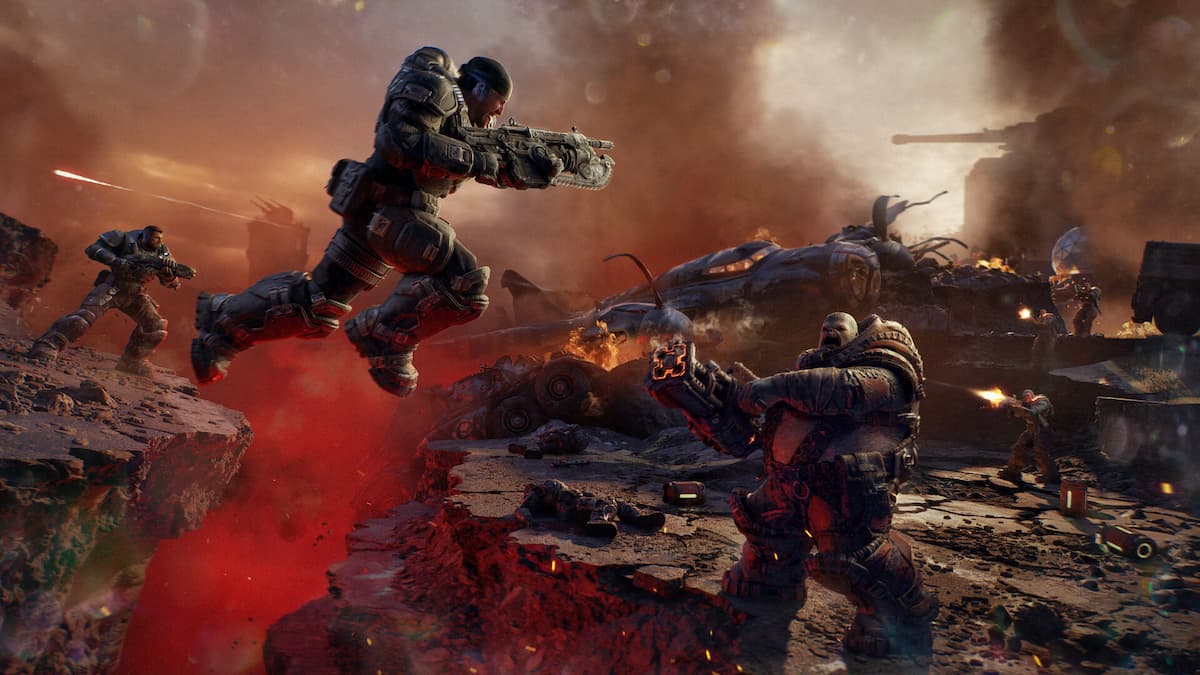
Beyond the extensive PvE offerings, Gears of War: E-Day is also set to deliver a robust competitive multiplayer suite. The developers have confirmed the inclusion of four distinct multiplayer modes, spread across six all-new maps. This foundational offering promises to cater to various playstyles and tactical preferences. Furthermore, the return of ranked play indicates a commitment to a competitive ecosystem, where players can test their skills and climb leaderboards.
Perhaps the most significant and widely discussed aspect of the multiplayer reveal is the game’s monetization strategy. The Coalition and Xbox Game Studios have explicitly stated their intention to make "nearly every single item in Gears of War: E-Day can be earned by simply playing the game." This approach directly addresses player frustrations with common industry practices, with developers stating, "That means no battle pass, no tour of duty, no gimmicks, no bullshit."
This player-centric philosophy extends to the acquisition of cosmetic items, including character skins, weapon skins, and emotes. The statement implies a transparent system where dedicated players can unlock desirable content through in-game achievements and progression, rather than being compelled to make direct purchases or grind through time-gated systems. This commitment to earnable content could be a significant differentiating factor in the current gaming landscape and may foster greater goodwill and loyalty among the player base. The promise of unlocking "Legendary character skin[s], an Epic weapon skin set or a Rare pose" through gameplay alone signals a substantial amount of cosmetic variety accessible to all players.
Background and Context: The Gears of War Legacy
The Gears of War franchise, first launched in 2006 by Epic Games, revolutionized the third-person shooter genre with its cover-based combat mechanics, gritty narrative, and iconic Lancers. The original trilogy, particularly Gears of War 3 (2011), is often cited for its refined Horde mode, which became a staple for many players seeking cooperative challenges. The series has since transitioned to The Coalition, with titles like Gears of War 4 and Gears 5 continuing the saga, introducing new characters and expanding upon established lore.
Gears of War: E-Day marks a deliberate return to the franchise’s origins, serving as a prequel set during the initial invasion of Sera by the Locust Horde. This narrative choice allows developers to explore the harrowing early days of the conflict, a period rich with untapped storytelling potential. The "E-Day" in the title refers to Emergence Day, the cataclysmic event that plunged Sera into war and set the stage for the events of the original Gears of War. This prequel setting offers an opportunity to revisit familiar characters in their youth and witness the genesis of the COG’s desperate fight for survival.
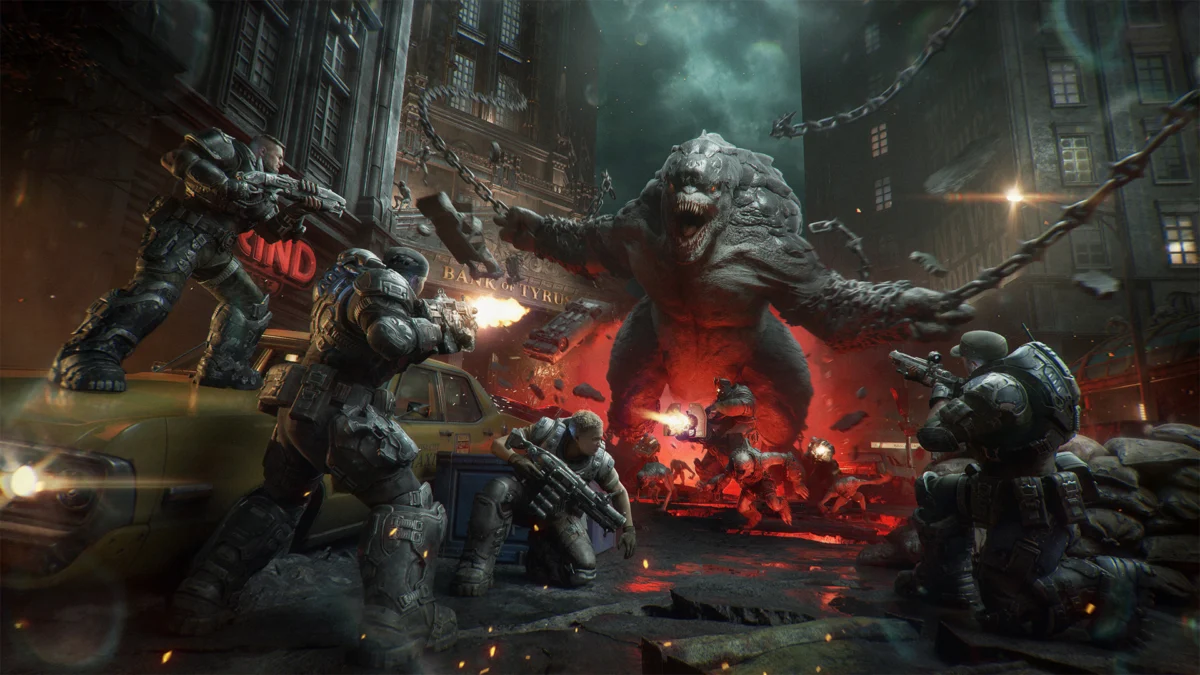
The image accompanying the Horde Siege announcement, depicting a COG army facing a colossal Brumac emerging from the ground, visually encapsulates the escalating threat and grand scale that players can expect. The Brumac, a formidable beast known for its immense power and destructive capabilities, serves as a potent symbol of the overwhelming odds faced by the COG forces. The visual also highlights the intricate environmental detail and character design that fans have come to expect from the series.
Implications and Future Outlook
The comprehensive reveal of Horde Siege and the multiplayer progression system for Gears of War: E-Day positions the title as a potentially strong contender in the competitive shooter market. The focus on a deep, strategic PvE mode like Horde Siege, coupled with a commitment to player-earned rewards in multiplayer, addresses key areas of player desire and criticism within the industry.
The strategic implications of Horde Siege are significant. A well-executed, class-based co-op mode with dynamic objectives can provide hundreds of hours of replayability. If successful, it could attract a dedicated segment of the player base that prioritizes cooperative challenges and strategic teamwork. This could also influence future game design trends, encouraging other developers to explore more ambitious and varied PvE offerings.
The decision to forgo traditional battle passes and prioritize gameplay-based unlocks is a bold move that could resonate deeply with players fatigued by the current monetization landscape. This approach, if sustained, could foster a more positive community perception and build long-term player loyalty. It signals a potential shift towards a model where the value proposition is centered on the core gameplay experience and the satisfaction of earning rewards through skill and dedication.
The release of Gears of War: E-Day is slated for October 6th on PC and Xbox Series X|S. With the detailed insights into its innovative Horde Siege mode and its player-friendly multiplayer approach, the game has officially captured the attention of many, including those who may have been on the fence prior to these announcements. The franchise’s return to its foundational narrative, combined with significant advancements in its core gameplay pillars, suggests a promising future for the Gears of War saga.