


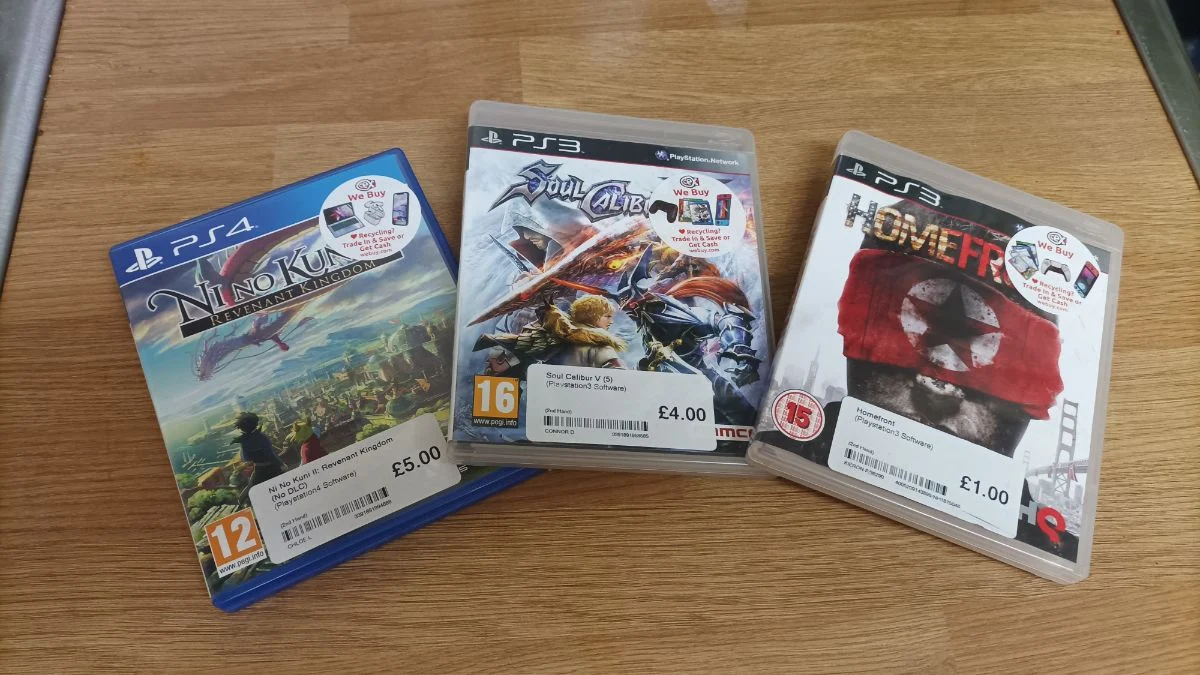
The weekend rush at a Milton Keynes CeX store paints a vivid picture of a thriving used-game market, a stark contrast to the often-quiet aisles of GameStop stores across North America. With customers eagerly sifting through shelves packed with everything from PlayStation 2 classics to the latest PlayStation 5 titles, the scene exemplifies a consumer appetite for pre-owned gaming that GameStop is now attempting to tap into with its nascent "GameStop Retro" initiative. This strategic shift, announced in late August, marks a significant departure for the struggling retail giant, mirroring the successful model established by the UK’s ubiquitous CeX chain over the past three decades.
The discrepancy in customer traffic and retail strategy between the two continents is palpable. In the UK, CeX has cultivated a robust ecosystem around the buying, selling, and trading of used games, electronics, and media. Its stores, often situated in high-traffic urban centers, are frequently bustling, especially during peak hours. Customers are seen actively engaged, searching for specific titles across a wide spectrum of console generations, from the legacy of the PlayStation 2 and original Xbox to the current-generation PlayStation 4 and Xbox One. This sustained popularity is not an accident; it’s the result of a long-term strategy focused on accessibility, value, and community engagement.
Conversely, observations of GameStop locations in North America, particularly in the author’s personal experience spanning both Canada and the United Kingdom, reveal a different retail landscape. These stores often feature a prominent display of Funko POP! figures, with a less robust selection of video games and a noticeably lower footfall throughout the day. While GameStop has historically been a dominant force in new game sales, its ability to adapt to the evolving gaming market, which increasingly embraces digital distribution and the secondary market, has been questioned. The company’s struggles have been well-documented, including significant store closures and a decline in revenue, prompting the need for drastic measures.
The "GameStop Retro" concept, while met with some skepticism and online derision, represents a potential lifeline for the company. By pivoting towards a retro and used-game focus, GameStop aims to replicate the commercial success and cultural resonance that CeX has achieved in the UK. This strategy hinges on GameStop’s ability to cultivate a dedicated audience and a vibrant community around pre-owned gaming, a feat that CeX has demonstrably mastered.
CeX’s Culture of Pre-Owned Gaming
CeX, an acronym for "Complete Entertainment eXchange," has been a cornerstone of the UK’s entertainment retail scene for over 30 years. Its business model is built on the principle of a circular economy for entertainment products. Customers can trade in their unwanted games, movies, and electronics for store credit or cash, which can then be used to purchase other items from the vast inventory. This constant flow of goods ensures a dynamic and ever-changing selection, appealing to a broad range of consumers seeking both nostalgic treasures and budget-friendly options.
The appeal of CeX extends beyond mere transactional exchanges. It has fostered a genuine culture around used games, creating a sense of discovery and community. Dedicated YouTube channels, such as Retro Ghetto and TVM, regularly feature "CeX hauls" and "CeX challenges," showcasing the unique finds and incredible deals enthusiasts uncover. These content creators have built substantial followings by documenting their hunting expeditions, further amplifying CeX’s reach and reinforcing its image as a go-to destination for retro gaming enthusiasts. The sheer volume of content dedicated to CeX’s inventory highlights the retailer’s significant cultural impact within the British gaming community. The author’s personal experience of building an extensive PlayStation 3 and PlayStation 4 library for mere pounds underscores the exceptional value proposition offered by CeX, with titles like Alpha Protocol, Final Fantasy XIII, and PlayStation All-Stars Battle Royale becoming accessible and affordable.
In contrast, the North American market has historically faced challenges in accessing affordable retro games. While independent game stores exist in some urban areas, their prevalence is limited. Consumers have largely relied on online marketplaces like eBay and Amazon, where prices can be inflated by resellers and shipping costs can add significantly to the final price. The author’s own experience in Canada highlights this frustration, where prohibitive reseller prices made building a retro game collection an arduous and expensive endeavor. The potential for GameStop Retro to alleviate these frustrations and make retro gaming more accessible mirrors the impact CeX has had in the UK.
The GameStop Retro Initiative: A Look at the Details
The announcement of GameStop Retro came as a surprise to many, with reports suggesting that employees were given limited notice to prepare for the transition. According to a video by Spawn Wave, a prominent YouTube personality known for his coverage of gaming hardware and industry news, the implementation of the retro model was somewhat abrupt. This lack of extensive preparation raises questions about the long-term strategy and execution of this new retail direction.
Despite the initial skepticism, the core concept of GameStop Retro has the potential to succeed. The key differentiator lies in its ability to offer competitive pricing and a transparent trading system. Spawn Wave noted that prices at the retro locations were "not terrible," comparing them favorably to the inflated costs often found on eBay or at gaming conventions. This suggests that GameStop is attempting to establish itself as a more accessible and affordable alternative to existing secondary market channels.
A significant factor contributing to CeX’s success is its robust online presence. The CeX website provides real-time inventory updates for individual stores, allowing customers to check stock availability and receive immediate trade-in valuations. This transparency is a crucial element that GameStop Retro could adopt to improve customer experience. Currently, visiting a GameStop often involves an element of surprise regarding trade-in values, a process that can be frustrating for consumers. Front-loading this information online could significantly enhance customer satisfaction and drive traffic to physical stores.
Broader Implications and Industry Context
The move by GameStop to embrace a retro and used-game model is indicative of broader shifts within the video game industry. The increasing prevalence of digital downloads, the continued popularity of older consoles, and the growing interest in collecting physical media have all contributed to a dynamic market where used games hold significant value.
Historically, GameStop’s business model has been heavily reliant on new game sales and the sale of accessories and merchandise. However, the decline in physical game sales and the rise of digital storefronts have put immense pressure on this strategy. The company’s attempts to diversify, including ventures into technology retail and esports, have met with mixed success. The retro pivot is therefore a strategic re-evaluation, aiming to leverage an underserved market segment.
The success of GameStop Retro will likely depend on several factors:
- Pricing Strategy: Competitive pricing, as suggested by early observations, will be crucial in attracting customers away from online marketplaces.
- Inventory Management: A consistent and diverse stock of retro games will be essential. This requires an effective trade-in program that offers fair value to consumers.
- Customer Experience: The transparency and ease of transaction offered by CeX, particularly its online inventory and valuation tools, are benchmarks that GameStop Retro should strive to meet.
- Community Building: Fostering a community around retro gaming, similar to the vibrant online presence of CeX enthusiasts, could create brand loyalty and sustained engagement.
However, GameStop faces significant challenges beyond operational strategy. The company’s recent history, including the controversial shutdown of Game Informer magazine and the subsequent layoffs of its staff, has alienated some segments of the gaming community. Rebuilding trust and positive sentiment will be an uphill battle, even with a potentially viable business model. The author’s mention of these actions highlights a complex relationship between the company and its potential customer base, where business decisions can have a lasting impact on brand perception.
The future of GameStop hinges on its ability to execute this retro strategy effectively. If it can successfully replicate the formula that has made CeX a household name in the UK – offering value, convenience, and a sense of community – then GameStop Retro could indeed be the catalyst for the company’s resurgence. The coming months will be critical in determining whether this ambitious pivot can breathe new life into a retail giant seeking to redefine its place in the ever-evolving world of video games. The journey from brick-and-mortar new game sales to a retro-focused marketplace is fraught with challenges, but the potential rewards, as demonstrated by CeX, are significant. The industry will be watching closely to see if GameStop can learn from its UK counterpart and successfully navigate this crucial transition.