


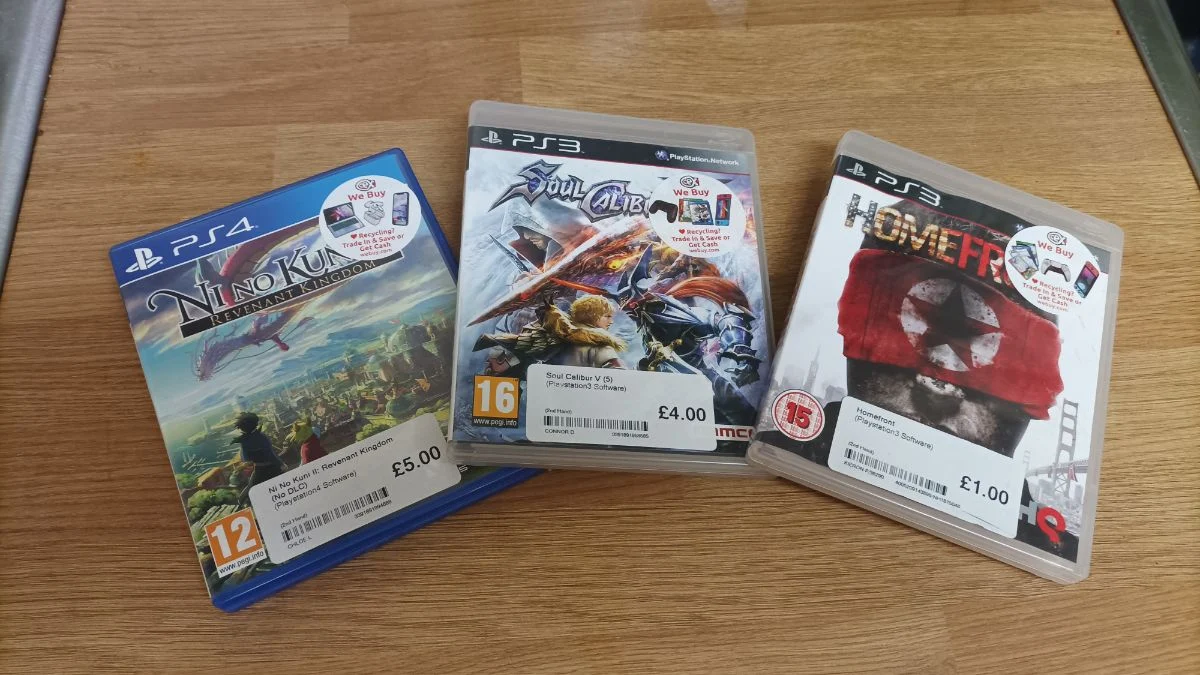
The bustling weekend crowds at a Milton Keynes CeX store, with lines snaking out the door and customers eagerly sifting through shelves packed with a diverse range of gaming consoles from the PlayStation 2 to the latest PlayStation 5, present a stark contrast to the typical scene at many North American GameStop outlets. While GameStop locations in the United States and Canada often feature a prominent display of Funko Pop collectibles and a more subdued customer presence, the UK’s CeX has cultivated a vibrant ecosystem around the buying, selling, and trading of pre-owned games, movies, and technology. This established model, which has seen decades of success and fostered a dedicated online community, is now the blueprint for GameStop’s ambitious strategic shift towards a "retro" focus, a move that has generated both skepticism and cautious optimism within the gaming industry.
The genesis of GameStop’s pivot can be traced back to August 28th, when the company officially announced its intention to rebrand a portion of its stores into retro-focused establishments. This decision, reportedly implemented with minimal advance notice for store employees, according to insights from the YouTube channel Spawn Wave, signals a significant departure from GameStop’s traditional retail strategy. For years, the company has grappled with declining physical game sales, increased digital distribution, and a changing retail landscape. The move to embrace retro gaming, a segment of the market that has seen a resurgence in popularity, is a calculated attempt to tap into a potentially lucrative niche and recapture a lost customer base.
The CeX Phenomenon: A UK Success Story Built on Pre-Owned Goods
To understand the potential of GameStop’s retro initiative, it is crucial to examine the enduring success of CeX (Complete Entertainment Exchange). For over three decades, CeX has established itself as a ubiquitous presence across the United Kingdom, with numerous branches dotting high streets and shopping centers, particularly in densely populated urban areas like London and Milton Keynes. The appeal of CeX lies in its comprehensive buy-and-sell model, which encompasses not only video games but also a wide array of electronics, from smartphones and laptops to Bluetooth headsets and audio equipment, as well as a vast selection of DVDs and Blu-rays.
The store’s popularity is not merely a matter of convenience; it has cultivated a genuine culture around the acquisition of pre-owned media and technology. This culture is amplified by a dedicated online community, including prominent YouTube channels like Retro Ghetto and TVM, which regularly document their "CeX hauls" and discoveries, creating a sense of excitement and anticipation for other shoppers. These content creators showcase the thrill of unearthing rare titles or finding exceptional deals, contributing to the perception of CeX as a treasure trove for gamers and tech enthusiasts alike. The sheer volume of content dedicated to CeX hunting underscores the significant engagement and loyalty the brand commands within the UK.
The accessibility and affordability of retro gaming at CeX stand in stark contrast to the challenges faced by collectors in North America. While independent game stores do exist in some US and Canadian cities, their prevalence is far from universal. For many, acquiring retro games often involves navigating the often inflated prices on online marketplaces like eBay and Amazon, or relying on the serendipity of finding hidden gems in thrift stores. Even then, steep shipping costs can further diminish the appeal. This scarcity and cost barrier have historically deterred many from building substantial retro game collections.
GameStop’s Retro Gamble: A Necessary Evolution or a Desperate Move?
The announcement of GameStop’s retro store initiative was met with a mixed reception. While some observers within the gaming community have expressed derision, drawing parallels to GameStop’s stock market fluctuations, the underlying strategy holds a degree of strategic merit. The company is attempting to leverage the growing demand for retro gaming and the inherent value in the pre-owned market, a sector where CeX has demonstrably thrived.
The shift towards a retro model is not entirely unprecedented for GameStop. The company has, in the past, explored various avenues to diversify its offerings and adapt to market changes. However, this current strategic pivot appears more focused and deliberate, aiming to carve out a distinct identity within a segment of the market that has proven resilient. The success of this endeavor will hinge on GameStop’s ability to replicate the core tenets of CeX’s model: competitive pricing, efficient trade-in systems, and the fostering of a passionate community.
Early indicators from GameStop Retro locations suggest a potential for competitive pricing. Spawn Wave, in his analysis, noted that the prices observed were "not terrible," comparing them favorably to those found on eBay and at gaming conventions. This suggests that GameStop may be aiming to undercut online resellers and offer a more accessible entry point for retro game collectors.
The Digital Divide and the Appeal of Tangible Media
The rise of digital game distribution has undeniably reshaped the gaming landscape, offering unparalleled convenience and instant access to vast libraries of titles. However, this digital dominance has also led to a decline in the physical game market, impacting the value of pre-owned games and the traditional retail experience. The resurgence of interest in retro gaming can be partly attributed to a desire for tangible media, a connection to gaming history, and an appreciation for the physical artifacts of a bygone era.
For many gamers, particularly those who grew up with older consoles, retro games evoke a sense of nostalgia and offer a chance to relive cherished memories. Furthermore, the accessibility of older titles on modern platforms is often limited, making physical copies the primary means of experiencing these classics. This inherent demand, coupled with the often prohibitive cost of acquiring these games through traditional resale channels, creates an opportunity for a retailer like GameStop to step in and provide a more viable solution.
Operational Efficiencies and Community Building: Key to Success
A crucial element of CeX’s success lies in its transparent and user-friendly online platform. The CeX website provides real-time stock information for individual stores and clearly displays the trade-in value for items, allowing customers to make informed decisions before visiting a physical location. This transparency is a significant advantage, offering a level of certainty that is often lacking in the traditional GameStop experience, where trade-in values can be a point of contention.
Implementing a similar level of transparency and efficiency in its trade-in program could be a game-changer for GameStop Retro. A streamlined process that offers fair and competitive trade-in values would not only incentivize customers to bring in their old games and consoles but also ensure a steady supply of inventory for the retro market. Furthermore, fostering a sense of community, much like CeX has done, could involve in-store events, retro gaming tournaments, or partnerships with local gaming groups. These initiatives can transform a transactional retail space into a destination for enthusiasts, building brand loyalty and driving repeat business.
Broader Implications and Industry Impact
The success or failure of GameStop’s retro initiative could have significant implications for the broader video game retail industry. If GameStop can successfully carve out a profitable niche in the retro market, it could encourage other retailers to explore similar strategies, potentially leading to a renewed focus on physical media and the pre-owned market. Conversely, if the initiative falters, it might further solidify the dominance of digital distribution and online resellers.
The company’s past actions, particularly the controversial shutdown of Game Informer magazine and the subsequent layoffs of its staff, have cast a shadow over its corporate image. This history may present an additional hurdle for GameStop as it attempts to rebuild trust and cultivate a loyal customer base for its retro ventures. The ability to demonstrate a genuine commitment to the retro gaming community, beyond mere commercial interest, will be paramount.
The journey of GameStop’s retro transformation is still in its early stages, and the ultimate outcome remains to be seen. However, by drawing inspiration from the established success of CeX, and by focusing on competitive pricing, operational transparency, and genuine community engagement, GameStop has the potential to not only revitalize its own business but also to breathe new life into the enduring appeal of retro gaming for a new generation of players and collectors alike. The stakes are high, and the industry will be watching closely to see if this bold pivot can indeed power up a new era for the beleaguered retail giant. The £2 games found at CeX in the UK, such as "Alpha Protocol," "Final Fantasy XIII," and "PlayStation All-Stars Battle Royale," represent the kind of value proposition that GameStop Retro will need to consistently deliver to attract and retain customers. The affordability and availability of such titles, which are often difficult to access on modern platforms, are key drivers of the retro market’s appeal. If GameStop can successfully replicate this model, offering compelling value and decent trade-in rates, its retro stores could indeed become a significant player in the market, despite past controversies surrounding the company’s business practices.