


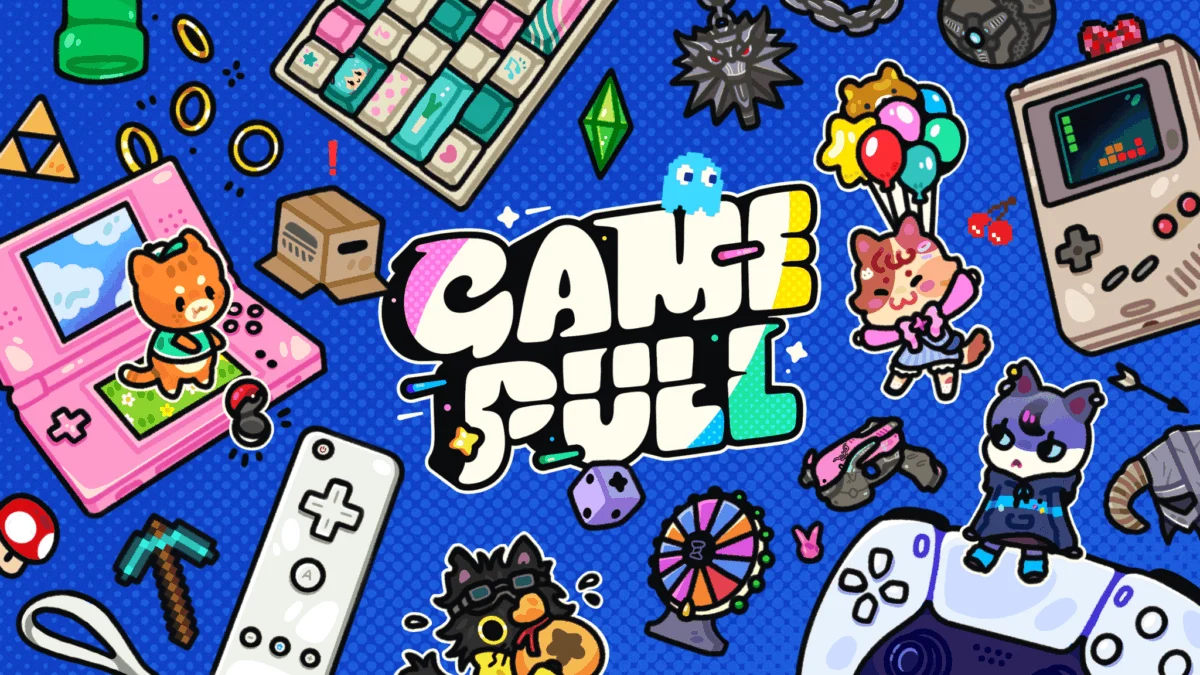
The digital gaming landscape in 2026 has witnessed a significant shift toward "ethical gacha" models, a movement characterized by the removal of predatory microtransactions in favor of community-driven engagement. At the forefront of this niche is GamePull, a minimalistic browser-based title that has garnered attention for its addictive collection mechanics and its rejection of traditional monetization strategies. Developed by a solo creator known as Dovah, the project has evolved from a passion project into a robust social ecosystem where players collect, trade, and hunt for digital representations of thousands of real-world video games. Since its inception in March 2026, GamePull has positioned itself as a "relaxing gacha," utilizing the psychological rewards of pack-opening—the "dopamine rush"—without the financial risks typically associated with the genre.
Origins and the Philosophy of the Solo Developer
The genesis of GamePull is rooted in the contrast between corporate web development and creative game design. The developer, Dovah, whose professional background involves constructing high-traffic government and corporate websites, launched the platform as a way to apply professional technical standards to a personal interest in video game history. This "corporate" influence is visible in the game’s aesthetic: a sleek, dark-mode interface that prioritizes functionality and speed over flashy 3D graphics.

Launched in early 2026, the game was built on the premise of archiving gaming history through a collectible card format. Unlike many modern titles that rely on proprietary intellectual property, GamePull utilizes an expansive database of existing video games across all eras—from the 8-bit titles of the 1980s to modern AAA releases on PlayStation 5 and Xbox Series X. This nostalgic hook has been instrumental in attracting a dedicated user base of several hundred active players who treat the platform as both a game and a social archive.
Core Mechanics: The Economy of Rope and Rarity
The gameplay loop of GamePull is deceptively simple yet mathematically dense. Players earn an in-game currency known as "Rope," which is used to purchase various card packs. These packs are categorized by rarity, genre, console manufacturer, and historical era. This categorization allows players to engage in "targeted pulls," where they can focus their resources on specific interests, such as 1990s RPGs or Nintendo-exclusive titles.
The card pool is massive, currently exceeding tens of thousands of unique entries. Each card features variations based on platform, special editions, and rarity tiers. To incentivize long-term play, the developer implemented a "Set" system. Sets are groups of cards ranging from small two-card pairs to massive collections representing entire franchises. Completing a set rewards the player with Experience Points (XP), bonus packs, and additional Rope. This creates a self-sustaining economic loop where progress facilitates further collection without the need for external financial input.

The Bounty System and Social Trading Dynamics
One of the most innovative features of GamePull is its "Bounties" system, which serves as the primary engine for the game’s internal economy. In the Bounties tab, players can post rewards for specific cards they need to complete their collections. These rewards can range from the card’s base value to exorbitant sums of Rope for rare pulls.
This system effectively automates the trading process, making it more efficient than traditional marketplaces. It allows veteran players to redistribute their wealth to newer users in exchange for specific "missing links" in their collections. According to the developer, the bounty system is designed to keep the economy fluid. By fulfilling bounties, players engage in a form of community service that simultaneously boosts their own ability to purchase new packs.
The social nature of the game is further bolstered by an official Discord server. Here, the community moves beyond the automated systems of the browser interface to negotiate complex trades and share information on rare drops. The developer has noted that the current community size—modest by industry standards—is a deliberate design choice. By maintaining a smaller, more intimate "server" feel, the game avoids the hyper-competitive toxicity that often plagues larger MMO-style platforms.

Seasonal Evolution: From Competition to Cooperation
GamePull operates on a seasonal model, with each season introducing new mechanics and "endgame" content. The transition from Season 1 to Season 2 marked a significant turning point in the game’s design philosophy.
Season 1 was characterized by a race for "shards," which players used to build unique, one-of-a-kind cards. However, this model was criticized by some community members for being overly punishing to latecomers, as the limited resources were quickly claimed by the most active users. Taking this feedback into account, Dovah restructured Season 2 to be more inclusive.
The current season revolves around "Blueprints" and "Masterworks." Blueprints are rare drops that can be transformed into unique Masterworks through the application of materials and specialized "Cores." There are four types of Cores—Fae, Mechanical, Neon, and Arcane. Each player is restricted to crafting a single version of a blueprint, and each specific game in the blueprint pool can only be crafted four times (once per Core type). With over a thousand blueprints available, the system ensures that while there is still an element of scarcity and "first-come, first-served," there is ample opportunity for every player to claim a unique piece of the collection.

Technical Infrastructure and Multi-Device Accessibility
From a technical standpoint, GamePull is optimized for the modern web. Built to be lightweight, the game is accessible across a variety of hardware, from high-end PCs to budget mobile devices. This "play anywhere" approach is a core part of its appeal, allowing users to check their collections or fulfill bounties during brief windows of downtime throughout the day.
The developer has acknowledged that the user interface (UI) is a work in progress. While the current "minimalist-corpo" look is functional, there are ongoing efforts to improve the Quality of Life (QoL) for mobile users. Future updates are expected to streamline the marketplace management and bounty-setting interfaces, which can currently feel cluttered on smaller screens.
Future Projections: Factions and Achievements
The roadmap for GamePull indicates a move toward even greater social integration. Dovah has confirmed that Season 3 will introduce a "Factions" system. This feature will allow players to align themselves with specific groups to complete collective challenges and compete for faction-wide rewards. The goal is to foster a sense of "wholesome competition," where the success of the group benefits the individual without creating a cutthroat environment.

Additionally, a comprehensive Achievement system is in development. This will provide players with long-term goals outside of card collection, such as milestones for total packs opened, bounties fulfilled, and marketplace transactions. These updates are part of an effort to improve "onboarding"—the process of introducing new players to the game’s deeper systems—which remains a challenge for a game with such a vast array of mechanics.
The Patreon Model and Ethical Monetization
Perhaps the most striking aspect of GamePull is its rejection of the "pay-to-win" model. The game features no microtransactions. Instead, it is supported by a Patreon model that offers purely cosmetic rewards. Patrons can access custom game art and other aesthetic features, but they receive no competitive advantage in terms of card rarity or Rope accumulation.
This model serves as a case study for independent game development in 2026. By decoupling progress from payment, GamePull has built a foundation of trust with its community. The developer’s transparency and willingness to implement community suggestions have created a loyal user base that views their Patreon contributions as an investment in the platform’s longevity rather than a fee for service.

Implications for the Digital Collectible Market
GamePull represents a broader trend in the "slow gaming" or "chill gaming" movement. In an era where many live-service games demand constant attention and financial investment, GamePull offers a low-pressure alternative. It taps into the fundamental human desire to organize and collect—a drive that has fueled everything from stamp collecting to Pokémon—while removing the stressors of modern monetization.
The success of the project also highlights the power of solo developers in the current market. With the right technical skills and a clear understanding of community dynamics, a single individual can create a platform that rivals corporate products in terms of engagement and player satisfaction. As GamePull moves toward Season 3 and beyond, it remains a notable example of how digital spaces can be designed to prioritize human connection and the simple joy of the "pull" over the bottom line of a balance sheet.