


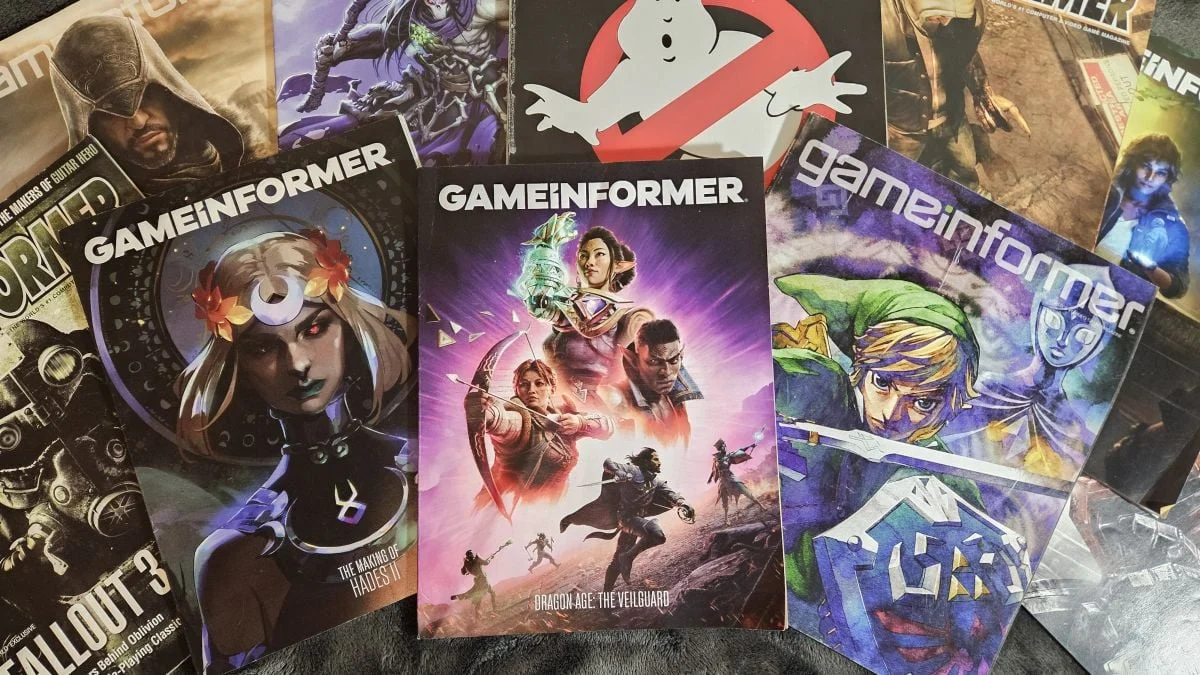
The landscape of video game media has been irrevocably altered with the abrupt closure of Game Informer, a venerable institution that has served as a trusted source of news, reviews, and features for over thirty years. The decision, announced this morning by parent company GameStop, marks the end of an era for the print magazine and its accompanying digital platforms, impacting a dedicated staff and a loyal readership that has grown with the evolving industry.
News of the closure sent shockwaves through the gaming community, with Game Informer staff being formally notified of the decision by GameStop corporate leadership. The entirety of the editorial team has been dissolved, leading to the immediate cessation of both the print magazine and all digital content operations. Former magazine content director Kyle Hilliard shared on social media that the upcoming issue was reportedly "about 70% done" and poised to feature a "GREAT cover," underscoring the sudden and unexpected nature of the shutdown.
In a formal statement disseminated across Game Informer’s social media channels, the company confirmed the closure, stating, "While our presses may stop, the passion for gaming that we’ve cultivated together will continue to live on." This sentiment was echoed by numerous former writers and contributors who took to their personal social media platforms to share the news and express their reflections on their time with the publication.
The genesis of Game Informer can be traced back to 1991, when it was launched as a modest magazine by FuncoLand, a now-defunct video game retailer. Initially conceived as an in-house newsletter, it served as a promotional tool for the company. The trajectory of Game Informer shifted significantly in 2000 when GameStop acquired FuncoLand, inheriting the publication and integrating it as a key component of its burgeoning customer loyalty program. This strategic move allowed Game Informer to reach a vast audience and establish itself as a significant player in the burgeoning video game media space.
A Legacy Forged Over Three Decades of Gaming Coverage
For many, Game Informer was more than just a magazine; it was an integral part of their gaming journey. The publication consistently delivered in-depth previews, comprehensive reviews, insightful features, and engaging commentary on the ever-changing world of video games. Its influence extended beyond mere reporting, fostering a community of enthusiasts and aspiring game journalists alike.
The impact of Game Informer on the broader media landscape was substantial. By 2010, the publication had achieved remarkable success, ranking as the fifth-largest magazine in the United States, a feat that placed it ahead of established titans like Time and Sports Illustrated. This impressive readership demonstrated the profound appeal and sustained relevance of dedicated video game coverage in a competitive media environment.
Throughout its existence, Game Informer navigated numerous challenges inherent to the media industry. It weathered the significant downturn in print journalism, adapting to the seismic shift towards digital content consumption, and enduring multiple rounds of workforce reductions orchestrated by its parent company, GameStop. These past cuts often coincided with GameStop’s strategic pivot towards emerging technologies and business models, including ambitious ventures into NFTs and blockchain technology, as the company sought to redefine its identity amidst the volatility of its "meme-stock" status and ongoing operational challenges within its retail sector.
Despite these internal pressures and the broader industry headwinds, Game Informer maintained a reputation for producing high-quality content and striking visual design. The publication was known for its iconic and often breathtaking cover art, which became a hallmark of its identity and a highly anticipated element for its subscribers. In a notable effort to bolster its print presence, the editorial team recently embarked on a initiative to re-energize its print magazine efforts by relaunching a dedicated subscription service, a testament to their commitment to the medium.
The designation of Game Informer as an "institution" is not an exaggeration; for a significant segment of the gaming population, it represented a formative introduction to the world of game journalism. For many, including this writer, the glossy pages of Game Informer provided the initial gateway into understanding how games were reviewed, previewed, and discussed. It offered a comprehensive look at the industry, from the biggest blockbuster releases to the burgeoning independent scene. The magazine’s strength lay not only in its reporting but also in its ability to capture the zeitgeist of gaming culture through compelling narratives and visually arresting artwork.
Beyond its coverage of games themselves, Game Informer served as a platform for the voices and perspectives of the people who shape the industry. Through opinion pieces, in-depth interviews, extensive features, and even a cherished "letters from readers" section, the publication fostered a sense of connection between its audience and the creators and personalities within the gaming world. The act of revisiting old issues often evokes a powerful sense of nostalgia and a keen awareness of the enduring influence these early publications had on shaping individual perspectives and career paths within the industry.
The closure of Game Informer arrives at a particularly challenging time for the video game industry. As reported by various industry analyses, the sector has experienced a significant number of layoffs in recent years, with estimates suggesting thousands of jobs were lost in 2023 alone. The discontinuation of a long-standing and influential publication like Game Informer adds to a growing concern about the stability and future of established media outlets within an increasingly dynamic and often precarious digital landscape. As more institutions face consolidation or outright disappearance, the path forward for comprehensive and independent games coverage remains a subject of considerable uncertainty.
A Timeline of Game Informer’s Evolution
1991: Game Informer is launched as a short-form magazine by FuncoLand, an early video game retailer, functioning initially as an in-house newsletter.
2000: GameStop acquires FuncoLand, thereby taking ownership of Game Informer. The publication becomes a central element of GameStop’s customer loyalty program, significantly expanding its reach.
Early 2000s – 2010s: Game Informer establishes itself as a leading voice in video game media, known for its in-depth coverage, influential reviews, and distinctive cover art.
2010: Game Informer achieves significant circulation success, ranking as the fifth-largest magazine in the United States, surpassing major general interest publications.
Mid-2010s – Present: The publication navigates the declining print media market and the increasing dominance of digital content. GameStop implements several rounds of layoffs affecting Game Informer’s staff as the parent company explores new business ventures, including NFTs and blockchain technology.
Recent Past: Game Informer makes an effort to revitalize its print offerings by relaunching a dedicated subscription service for its magazine.
Present Day: GameStop announces the immediate closure of Game Informer, ceasing both print and digital operations and laying off all staff.
Supporting Data and Industry Context
The closure of Game Informer occurs within a broader context of significant disruption and consolidation within the media industry, particularly concerning print publications. The transition from physical to digital media has placed immense pressure on traditional print models, leading to reduced advertising revenue and a decline in circulation for many established magazines.
Furthermore, the video game industry itself, while experiencing immense growth in terms of player base and revenue, has seen a paradoxical trend of increasing layoffs within its media and development sectors. Reports from organizations tracking industry employment indicate a substantial number of job losses, often attributed to economic downturns, shifting corporate strategies, and the competitive nature of digital content creation. The closure of Game Informer is a stark reminder of these broader economic forces impacting even the most established names in gaming media.
Official Statements and Reactions
GameStop’s official statement, disseminated through Game Informer’s social media, conveyed a message of continuation of passion despite the cessation of operations: "While our presses may stop, the passion for gaming that we’ve cultivated together will continue to live on." This statement acknowledges the legacy of the publication while framing the closure as a transition rather than an end to the spirit of gaming enthusiasm.
While specific individual statements from GameStop executives were not immediately available, the decision reflects a strategic corporate move. The reactions from former Game Informer staff and the wider gaming community have been largely characterized by expressions of shock, sadness, and nostalgia. Many have shared personal anecdotes and highlighted the publication’s significant role in their development as gamers and professionals.
Broader Impact and Implications
The closure of Game Informer represents a significant loss for the video game journalism landscape. For over three decades, it served as a consistent and influential source of information, shaping the perceptions of millions of gamers and providing a platform for countless writers and editors. Its disappearance leaves a void in dedicated print coverage and reduces the number of large-scale, established media outlets covering the industry.
The implications of this closure extend beyond the immediate impact on staff and readership. It raises questions about the long-term viability of traditional print media in the digital age, even for historically successful publications. It also underscores the precarious nature of employment within the games media sector, where economic pressures can lead to rapid and unexpected changes. As the industry continues to evolve, the loss of Game Informer serves as a poignant reminder of the challenges faced by those dedicated to chronicling its progress and the enduring value of institutional knowledge and experience. The future of comprehensive, in-depth gaming journalism, particularly in print, remains a subject of ongoing debate and concern.