


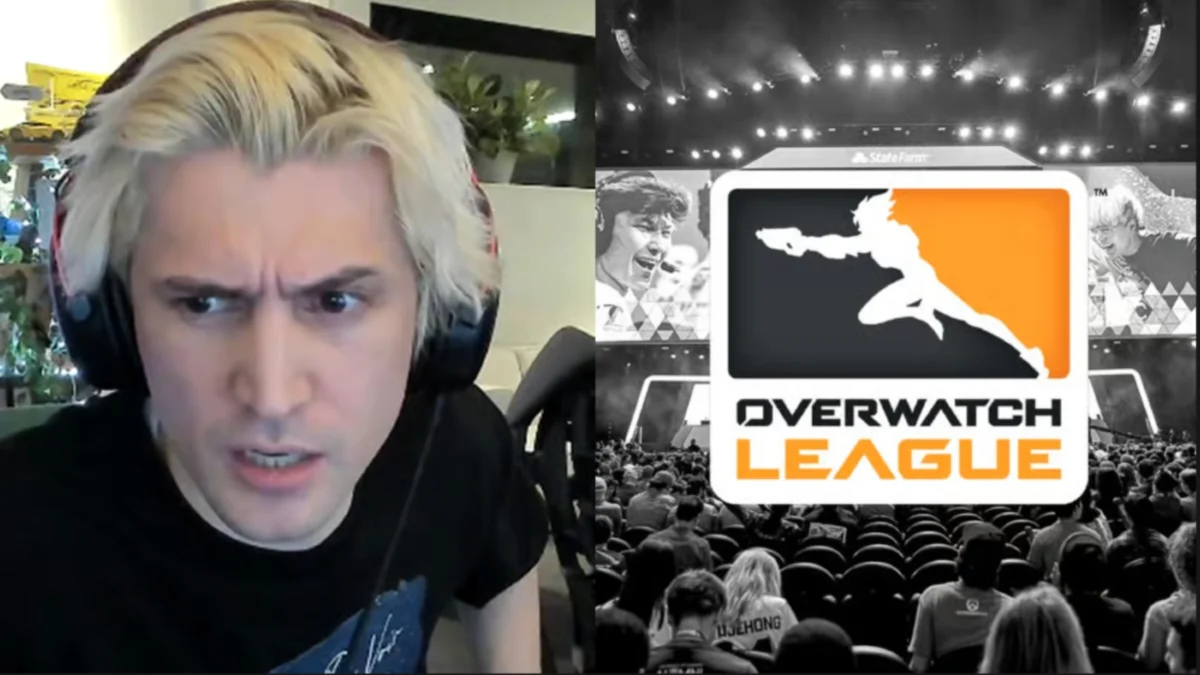
Felix "xQc" Lengyel, a prominent figure in the esports and streaming community, has publicly alleged that the Overwatch League (OWL) artificially inflated its viewership numbers through the use of viewbots. These claims, made in response to a 2019 statement by Mark Cuban regarding the league’s concurrent viewership peak of 300,000, suggest a significant discrepancy between reported figures and actual audience engagement, with Lengyel estimating the real viewership to be closer to 14,000. This alleged deception, according to Lengyel, played a crucial role in his decision to step away from professional Overwatch competition.
Lengyel’s accusations stem from a video where Cuban, a notable investor in esports, discussed the OWL’s impressive viewership milestones. However, Lengyel vociferously challenged these numbers, stating, "These numbers were so botted, it’s comical. Brother, for multiple years, they tried to hide the numbers." His assertion points to a systemic issue of data manipulation within the league, implying a deliberate effort to present a more favorable image of its popularity to stakeholders and the public.
The Genesis of the Allegations: An Insider’s Testimony
Lengyel elaborated on his claims by referencing an alleged insider source who provided him with viewership data during the league’s early testing phases on Major League Gaming (MLG). "They ran a test on MLG," Lengyel recounted. "For the preseason, they said, ‘we’re going to run Overwatch League on MLG TV.’ And I had an insider whistleblower that was talking to me. I’m not going to say who. And he told me the numbers of how many people were actually watching. And I went, ‘Yo!?’" While Lengyel did not provide direct evidence or identify his source, this secondhand account forms the bedrock of his accusations of viewbotting.
The timeline of these events places Lengyel’s initial awareness of potential inflated numbers during the OWL’s formative stages, potentially around 2018 when the league officially launched. The league’s broadcast rights and streaming partnerships were crucial for its establishment, and the figures presented by organizations like MLG would have been critical for demonstrating its viability and attracting further investment.
Impact on Professional Career Decisions
Beyond casting doubt on the league’s legitimacy, Lengyel articulated how these revelations directly influenced his professional trajectory. Having already committed to playing in the Overwatch League, the purported data inflation created a significant ethical and practical dilemma for him. "I had already signed the contracts to play in the Overwatch League," he revealed. "When I heard that, I was like… I’m already starting to organize my exit."
Lengyel’s reasoning was tied to the perceived lack of genuine audience engagement. He questioned the viability of building a personal brand and career within a league he believed was built on a foundation of misrepresented viewership. "How am I going to market myself as a 10k Andy to a 14k Andy stream?" he asked, referring to the discrepancy between inflated and potentially actual viewer counts in thousands. This indicates a concern for authenticity and a desire to align his professional endeavors with genuine fan interest.
Furthermore, Lengyel highlighted the restrictive nature of Overwatch League contracts, which significantly curtailed his ability to engage with his primary audience through streaming during official match days. "Why would I take days off to practice? Go to the office, practice. Do scrims. Do matches. I can’t stream, I can’t make videos, I can’t vlog," he explained. "I wasn’t even allowed to stream when the games were live. So why would I lose everything with nothing to gain? It’s just about the exchange of value." This suggests that the professional commitment demanded by the OWL, coupled with the perceived lack of authentic viewership and the inability to supplement his income and fan engagement through streaming, made the career path untenable for him.
Context and Background: The Rise and Scrutiny of the Overwatch League
The Overwatch League, launched by Blizzard Entertainment in 2018, was envisioned as a premier global esports league, mirroring traditional sports leagues with franchised city-based teams. Its ambitious model aimed to professionalize esports with significant investment, player salaries, and a structured competitive format. Early on, the league garnered considerable attention and, at times, impressive viewership figures, particularly during major championship events.
However, like many nascent esports leagues, the OWL faced challenges in maintaining consistent and growing viewership. Reports and analyses from esports industry trackers often highlighted fluctuations in viewership, with some stages and matches drawing significantly smaller audiences than anticipated. These discussions often revolved around the complexities of accurately measuring esports viewership across various platforms, including Twitch and YouTube, and the impact of content creators’ individual followings versus league-specific engagement.
The 2019 period, when Mark Cuban made his statement, was a critical juncture for the OWL. Establishing strong viewership numbers was paramount for validating the league’s franchise model and justifying the substantial investments made by team owners. The league’s broadcast strategy involved partnerships with platforms like Twitch and, at times, MLG, aiming to maximize reach.
Data and Industry Benchmarks: A Deeper Dive
While Lengyel’s claims are based on anecdotal evidence, the broader esports industry has frequently grappled with questions of viewership inflation, particularly concerning botting. Viewbotting involves using automated programs to artificially inflate the number of viewers on a streaming platform, creating a false impression of popularity. This practice can mislead sponsors, investors, and the general public.
According to industry analytics firms like Stream Hatchet and SullyGnome, Twitch viewership for esports titles can vary dramatically. For a league as established as the OWL was intended to be, concurrent viewership figures in the tens of thousands for regular season matches would be considered healthy, while major finals could potentially reach hundreds of thousands. However, these figures are often influenced by factors such as the participating teams, the stakes of the match, and the promotional efforts surrounding the broadcast.
Lengyel’s estimate of 14,000 concurrent viewers, if accurate, would indeed represent a significant deviation from the 300,000 cited by Cuban. Such a discrepancy would raise serious questions about the league’s operational transparency and the metrics being used to define its success. It’s important to note that esports viewership is not monolithic; it comprises active viewers, passive viewers, and those who may tune in for specific moments or personalities.
Potential Repercussions and Broader Implications
If Lengyel’s allegations of systematic viewbotting are substantiated, the implications for the Overwatch League and Blizzard Entertainment would be profound. Such practices could lead to:
- Loss of Trust: Sponsors, investors, and fans could lose faith in the league’s integrity, potentially impacting future revenue streams and partnerships.
- Regulatory Scrutiny: Depending on the jurisdiction and the extent of the deception, there could be regulatory investigations into advertising and broadcasting practices.
- Reputational Damage: The reputation of Blizzard Entertainment and the Overwatch League brand could suffer significant and long-lasting damage within the esports community and beyond.
- Impact on Player Careers: Players who dedicated their careers to the OWL under the assumption of genuine viewership might feel misled, potentially leading to legal recourse or public outcry.
The esports industry, while rapidly maturing, continues to navigate the complexities of transparency and data integrity. Allegations of viewbotting are not new and have been a persistent concern across various streaming platforms and competitive circuits. The OWL’s case, if proven, would be a stark reminder of the ethical responsibilities inherent in managing and promoting large-scale esports ventures.
Silence from Official Channels
As of this report, neither Blizzard Entertainment nor representatives of the Overwatch League have publicly addressed Lengyel’s specific claims of viewbotting. Mark Cuban has also not issued a further statement regarding the discrepancy raised by Lengyel. The absence of an official response leaves Lengyel’s allegations in the public sphere without direct refutation or confirmation. Typically, in such situations, organizations facing serious accusations would either issue a denial, launch an internal investigation, or remain silent, allowing the narrative to play out. The long-term impact of these claims will likely depend on whether further evidence emerges or if any official statement is eventually made.
Lengyel’s departure from professional Overwatch, fueled by his concerns about the league’s integrity, underscores the critical importance of authenticity in the rapidly evolving landscape of esports and professional gaming. His experience highlights the challenges faced by players who must balance competitive aspirations with the realities of league management and broadcast metrics, particularly when those metrics are perceived as being manipulated. The future of esports viewership reporting and verification may well be shaped by such public accusations and the ensuing scrutiny they generate.