


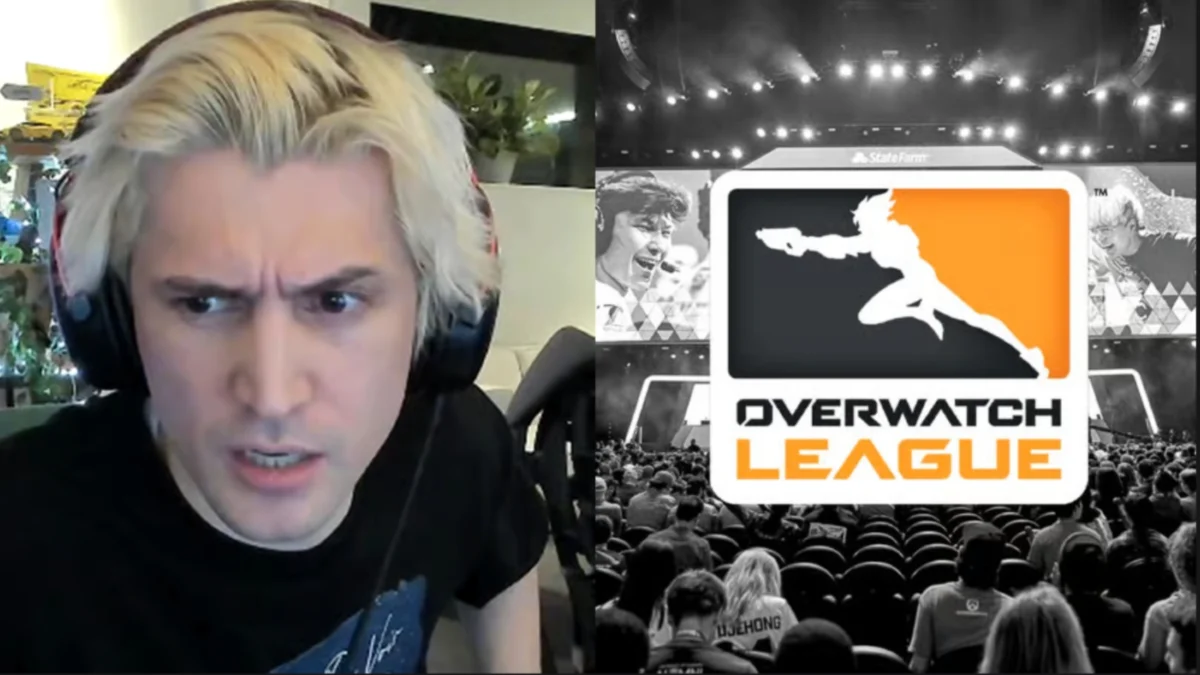
Felix "xQc" Lengyel, a prominent figure in the esports and streaming communities, has leveled serious accusations against the Overwatch League (OWL), alleging that the league artificially inflated its viewership figures through the use of viewbots. These claims, made during a recent broadcast, suggest that the perceived success of the OWL, as presented to the public and potentially to investors, was not reflective of genuine audience engagement. Lengyel has further stated that this alleged discrepancy was a significant factor in his decision to step away from professional Overwatch play.
The controversy was ignited when Lengyel was reacting to a 2019 statement by entrepreneur Mark Cuban, who had cited the Overwatch League reaching a concurrent viewership peak of 300,000. Lengyel immediately challenged these figures, asserting that they were "so botted, it’s comical." He implied that the actual viewership was substantially lower, estimating it to be closer to 14,000, and suggested a deliberate effort by the league to conceal these lower numbers over several years.
Historical Context of Overwatch League Viewership and xQc’s Involvement
The Overwatch League, launched in 2018 by Blizzard Entertainment, was envisioned as a premier franchised esports league with city-based teams, aiming to emulate the structure of traditional sports leagues. It was a significant investment in the burgeoning esports landscape, with considerable marketing and operational budgets. For players like Felix Lengyel, who was a star player for the Dallas Fuel and later the Los Angeles Gladiators, the league represented a new frontier in professional gaming, offering lucrative contracts and a dedicated platform.
Lengyel’s career in the OWL was marked by both success and controversy. He was a highly skilled player, known for his aggressive style and charismatic personality, which also translated into a massive streaming audience. However, his tenure was also punctuated by disciplinary actions and ultimately, his departure from the league. His decision to leave professional play was attributed to a variety of factors, including burnout and a desire to focus more on his streaming career, but these new allegations add a layer of concern regarding the integrity of the league’s performance metrics.
xQc’s Allegations of "Viewbotting"
Lengyel elaborated on his claims by referencing an alleged insider source from the league’s early testing phases. He stated that during a preseason test run of the Overwatch League on Major League Gaming (MLG) platforms, he received information from a "whistleblower" who provided him with the actual viewership numbers. "They ran a test on MLG," Lengyel recounted. "For the preseason, they said, ‘we’re going to run Overwatch League on MLG TV.’ And I had an insider whistleblower that was talking to me. I’m not going to say who. And he told me the numbers of how many people were actually watching. And I went, ‘Yo!?’"
While Lengyel presented these claims with conviction, he did not provide concrete evidence to substantiate the allegations, nor did he disclose the identity of his alleged source. The absence of verifiable proof leaves these claims as assertions, albeit from a source with direct experience within the professional Overwatch ecosystem.
Impact on Professional Career Decisions
The alleged inflation of viewership numbers, according to Lengyel, directly influenced his strategic thinking about his own career trajectory within the Overwatch League. He revealed that even after signing contracts to compete, the information he received about the league’s true viewership prompted him to begin planning his exit.
"I had already signed the contracts to play in the Overwatch League," Lengyel explained. "When I heard that, I was like… I’m already starting to organize my exit. How am I going to market myself as a 10k Andy to a 14k Andy stream?" This statement highlights a perceived disconnect between the league’s public-facing success and the reality of its audience size, and how this impacted Lengyel’s personal brand and potential earnings.
Furthermore, Lengyel pointed to restrictive contract clauses within the OWL that limited his ability to leverage his personal brand through streaming, especially during official match times. He expressed frustration over the trade-offs required to participate in the league. "Why would I take days off to practice? Go to the office, practice. Do scrims. Do matches. I can’t stream, I can’t make videos, I can’t vlog. I wasn’t even allowed to stream when the games were live," he stated. "So why would I lose everything with nothing to gain? It’s just about the exchange of value." This suggests that the league’s structure, coupled with the alleged misrepresentation of its success, created an unfavorable environment for players seeking to maximize their professional and financial opportunities through multifaceted content creation.
Industry Reactions and Potential Repercussions
Thus far, official responses from Blizzard Entertainment or the Overwatch League itself regarding Lengyel’s specific accusations of viewbotting have not been publicly documented. However, such allegations, if proven, could have significant repercussions for the league and its stakeholders.
The esports industry, while rapidly growing, often faces scrutiny regarding the accuracy of its viewership metrics. These numbers are crucial for attracting sponsors, securing media rights, and validating the league’s commercial viability. If claims of artificial inflation are substantiated, it could erode trust among fans, sponsors, and potential investors. It could also lead to calls for greater transparency and independent auditing of viewership data within esports leagues.
Analysis of Viewership Data and Industry Standards
To provide context for Lengyel’s claims, it’s important to examine typical viewership patterns for major esports titles. While a peak of 300,000 concurrent viewers for a specific event is not unheard of for established esports leagues like the League of Legends Championship Series (LCS) or the Dota 2 International, such figures require consistent audience engagement over time. Lower viewership figures, such as the 14,000 estimated by Lengyel, would indicate a significantly smaller, niche audience.
Viewbotting, the practice of using automated software to artificially inflate viewer counts on streaming platforms, is a known issue in the streaming world. It can be used to create a false impression of popularity, which can then be leveraged for various purposes, including attracting sponsors or gaining credibility. Regulatory bodies and platforms often have measures in place to detect and penalize such activities.
The discrepancy between Cuban’s cited figure and Lengyel’s estimate highlights a potential disconnect in how viewership data is collected, reported, and perceived. It’s possible that "peak concurrent viewership" might have been achieved through specific promotional events or special broadcasts, while average viewership remained lower. However, Lengyel’s direct accusation of deliberate "viewbotting" points to a more systemic issue of data manipulation.
Broader Implications for Esports Growth and Integrity
Lengyel’s accusations, whether fully substantiated or not, underscore the ongoing challenges in maintaining transparency and credibility within the professional esports landscape. As esports continues to mature and attract mainstream attention and investment, the integrity of its metrics becomes paramount.
The situation also raises questions about the balance of power between league operators and professional players. Players, particularly those with significant personal brands, are increasingly important assets to leagues, not just for their in-game performance but also for their ability to engage audiences. When players feel that the league’s operational integrity is compromised, it can lead to dissatisfaction and a desire to seek opportunities elsewhere.
The legacy of the Overwatch League, which concluded its final season in 2023 before transitioning to a new format, will undoubtedly be shaped by such controversies. The league’s journey was ambitious, but it also faced challenges in maintaining consistent viewership and engagement compared to some of its esports counterparts. Lengyel’s claims, even if based on anecdotal evidence, contribute to a broader narrative about the complexities and potential pitfalls of building and managing a top-tier esports league.
Moving forward, the esports industry as a whole stands to benefit from increased emphasis on verifiable data, transparent reporting, and robust mechanisms to prevent and address deceptive practices. The experiences of prominent figures like xQc, and the allegations they bring forth, serve as important points of discussion and potential catalysts for improved industry standards. The quest for genuine audience engagement, rather than artificially inflated numbers, remains a critical factor for the sustainable growth and credibility of professional esports.