


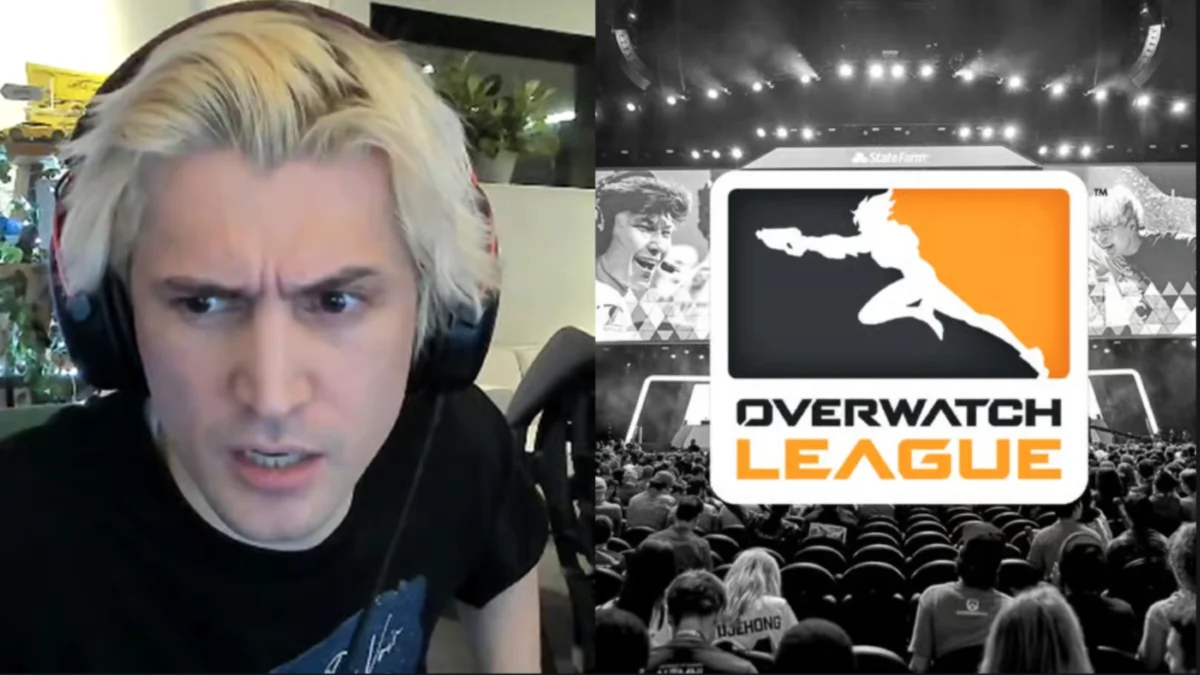
Felix "xQc" Lengyel, a prominent figure in the esports and streaming community, has leveled serious accusations against the Overwatch League (OWL), alleging that the league artificially inflated its viewership numbers through the use of viewbotting. These claims, Lengyel states, were a significant contributing factor to his decision to step away from professional Overwatch competition. The former OWL player voiced these allegations in response to a 2019 statement made by Mark Cuban, who claimed the league had achieved a peak concurrent viewership of 300,000. Lengyel vehemently disputed these figures, suggesting that the actual viewership was drastically lower, potentially around 14,000, and that these numbers were deliberately manipulated.
"These numbers were so botted, it’s comical," xQc stated, expressing his disbelief. "For multiple years, they tried to hide the numbers." His assertion points to a sustained effort by the league to present a more robust audience than what he claims was the reality.
The Genesis of the Allegations: An Insider’s Account
Lengyel elaborated on the origins of his claims, referencing information he received from an anonymous source during the Overwatch League’s nascent testing phase on Major League Gaming (MLG). According to Lengyel, the league conducted a trial run of its broadcasts on MLG TV for its preseason matches. It was during this period that he allegedly received sensitive information from a whistleblower within the league.
"They ran a test on MLG," xQc explained. "For the preseason, they said, ‘we’re going to run Overwatch League on MLG TV.’ And I had an insider whistleblower that was talking to me. I’m not going to say who. And he told me the numbers of how many people were actually watching. And I went, ‘Yo!?’"
While Lengyel presented these claims with conviction, he did not provide any concrete evidence to substantiate his allegations, nor did he disclose the identity of the supposed whistleblower. This lack of verifiable proof leaves the accusations in the realm of hearsay, though they carry significant weight given Lengyel’s insider perspective as a former professional player.
Impact on Professional Career Decisions
The alleged inflation of viewership numbers had a profound impact on Lengyel’s perspective regarding his professional career in the Overwatch League. He revealed that the knowledge of these potentially manipulated figures played a crucial role in his strategic planning and eventual decision to transition away from competitive play.
"I had already signed the contracts to play in the Overwatch League," Lengyel stated. "When I heard that, I was like… I’m already starting to organize my exit. How am I going to market myself as a 10k Andy to a 14k Andy stream?" The term "10k Andy" and "14k Andy" are streamer slang referring to viewership numbers, indicating Lengyel’s concern about the discrepancy between the league’s presented figures and the reality he perceived. This disparity would have significantly affected his personal brand and potential earnings as a streamer, which he viewed as an integral part of his career.
Furthermore, Lengyel cited the restrictive nature of Overwatch League contracts as another significant impediment to his professional aspirations. He expressed frustration with the limitations imposed on his ability to stream and create content during official league play.
"Why would I take days off to practice? Go to the office, practice. Do scrims. Do matches. I can’t stream, I can’t make videos, I can’t vlog," he articulated. "I wasn’t even allowed to stream when the games were live. So why would I lose everything with nothing to gain? It’s just about the exchange of value." This sentiment underscores a perceived imbalance in the professional esports ecosystem, where players are expected to dedicate substantial time to competitive play with limited opportunities for personal content creation and revenue generation.
Background: The Rise and Scrutiny of the Overwatch League
The Overwatch League, launched by Blizzard Entertainment in 2018, was conceived as a premier franchised esports league, mirroring traditional sports leagues with city-based teams and a structured season. The initial vision was ambitious, aiming to establish Overwatch as a dominant force in the esports landscape, attracting significant viewership and investment. The league secured major partnerships and broadcast deals, including with ESPN and later with YouTube, signaling its intent to reach a broad audience.
However, from its inception, the OWL faced scrutiny regarding its viewership metrics. While Blizzard consistently reported positive growth, independent observers and figures within the community often expressed skepticism. The league’s structure, which involved long seasons, regional play with intercontinental travel for championships, and strict content guidelines for players, also presented challenges for maintaining consistent engagement and player-player broadcasting synergy.
The introduction of viewbotting, a practice where automated accounts artificially inflate live viewership numbers, has been a persistent concern across various streaming platforms, including Twitch and YouTube. Such practices undermine the integrity of viewership data, misrepresent the actual audience size, and can lead to misinformed decisions by advertisers, sponsors, and league organizers.
Chronology of xQc’s Involvement and Departure
- 2017: Felix "xQc" Lengyel gains significant popularity as a professional Overwatch player, notably for his time with the Dallas Fuel in the Overwatch League’s inaugural season.
- Early 2018: xQc is traded to the Los Angeles Valiant. His tenure with the team is brief, marked by controversies and eventual release from the team.
- Mid-2018 onwards: Lengyel pivots to full-time streaming on Twitch, rapidly becoming one of the platform’s most popular personalities. He continues to be a vocal commentator on the esports scene.
- 2019: While no longer a professional player, xQc remains an influential voice in the Overwatch community. He begins to express skepticism about the Overwatch League’s reported viewership figures.
- 2019 (Specific Date Unclear): During a discussion or stream, xQc reacts to a statement by Mark Cuban about OWL’s viewership peaking at 300,000 concurrent viewers. He makes his allegations of viewbotting and significantly lower actual viewership.
- Later 2019 / Early 2020 (Inferred): Lengyel indicates that the information about inflated numbers and contract restrictions contributed to his decision to have already begun organizing his "exit" from considering a return to professional Overwatch.
- Present: xQc’s claims resurface, drawing attention to the persistent questions surrounding the integrity of viewership data in professional esports.
Supporting Data and Industry Context
While xQc has not provided direct evidence of viewbotting within the OWL, the general concern about inflated viewership figures in esports is well-documented. Data from third-party analytics firms, such as StreamElements and Rainmaker.gg, often show discrepancies between official platform reports and their own aggregated data. These discrepancies can arise from various factors, including differing methodologies for counting unique viewers, concurrent viewers, and the inclusion or exclusion of specific platform data.
For instance, in the broader esports streaming landscape, reports have sometimes highlighted significant differences between reported peak viewership and actual unique viewer counts. While not directly implicating the OWL, these industry-wide discussions create a context where such allegations can gain traction. The financial implications of inflated viewership are substantial. Advertisers and sponsors often base their investment decisions on viewership numbers, and inflated figures can lead to overvaluation of advertising slots and misallocation of marketing budgets. This can create a distorted market where genuine engagement is undervalued, and artificial metrics are rewarded.
Official Responses and Industry Repercussions
As of the time of this report, neither Blizzard Entertainment nor the Overwatch League have issued a formal statement addressing Felix Lengyel’s specific accusations of viewbotting. The league has historically maintained that its viewership figures are accurate and are derived from legitimate sources. However, the absence of a direct refutation to these latest claims allows them to persist within community discussions.
The broader implications of such allegations, if proven true, would be severe. They could:
- Erode Trust: Damage the credibility of the Overwatch League among fans, players, and potential investors.
- Impact Sponsorships: Lead sponsors to reconsider their financial commitments if the reported viewership cannot be validated.
- Affect Player Morale: Create a sense of disillusionment among players who dedicate their careers to a league they perceive as operating under false pretenses.
- Influence Future League Structures: Prompt a re-evaluation of how viewership is tracked and verified in esports leagues.
Lengyel’s decision to leave professional play, influenced by these concerns, highlights a broader trend of players seeking more autonomy and transparency in their careers. The tension between the demands of traditional esports league structures and the burgeoning opportunities in individual content creation and streaming is a defining characteristic of the current esports landscape. His experience underscores the importance of clear communication, fair contract terms, and verifiable metrics for the sustainable growth and integrity of professional esports. The Overwatch League, like many major esports organizations, faces the ongoing challenge of building and maintaining trust in an environment where digital metrics can be susceptible to manipulation.