


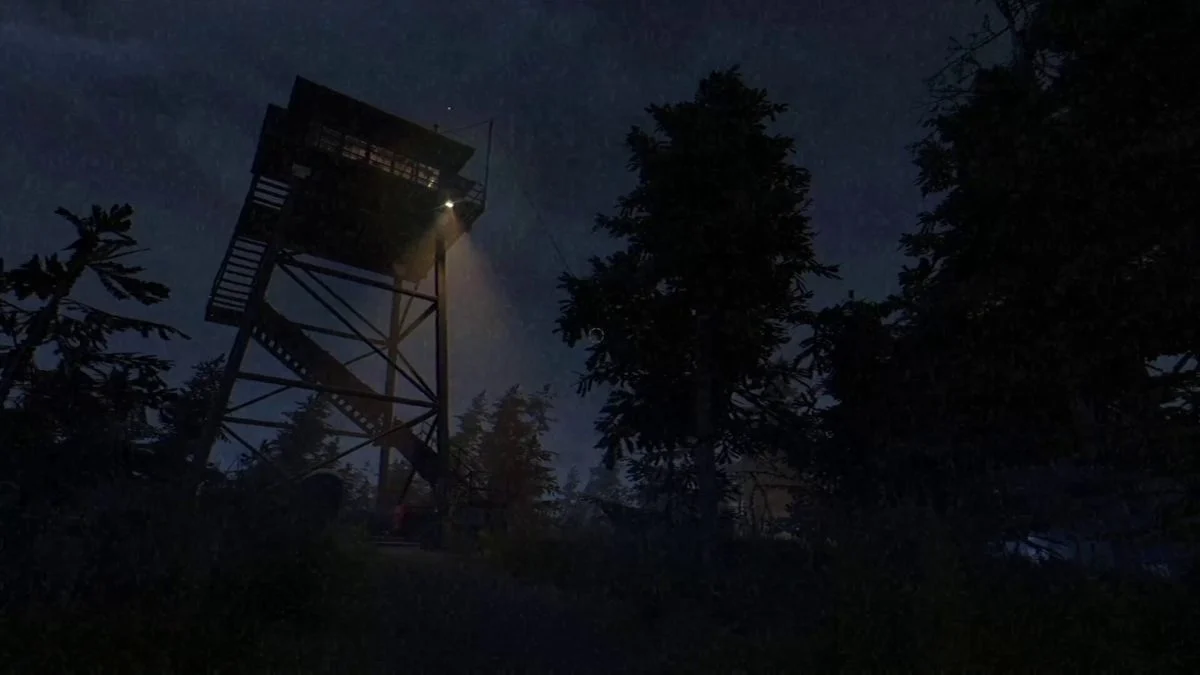
The chilling allure of horror often stems from its perceived connection to reality, a notion powerfully exploited by the episodic horror game series, Fears to Fathom. Developed by rayll, the series purports to be based on true events, drawing players into unsettling narratives that blur the lines between fiction and personal experience. While names, specific locations, and precise timelines are often obscured for confidentiality, the recurring question for players and observers alike remains: did the harrowing scenarios depicted in Fears to Fathom actually happen to someone? This article delves into the game’s unique marketing strategy, its claims of authenticity, and the underlying reality of its narrative inspirations.
The "Based on a True Story" Marketing Strategy: A Legacy Reimagined
The invocation of "based on a true story" has a long and potent history in the horror genre. For decades, this disclaimer served as a powerful tool to amplify fear, suggesting that the on-screen terror was not merely a product of imagination but a reflection of real-world nightmares. This approach reached a fever pitch with the advent of the found-footage genre, exemplified by The Blair Witch Project in 1999. The film’s innovative marketing campaign convinced many viewers that they were witnessing genuine, unearthed footage of a supernatural encounter, a tactic that fundamentally altered audience perception and paved the way for a wave of similar films.
Fears to Fathom masterfully revives this psychological tactic. Each episode is presented as a firsthand account of a terrifying real-life encounter. The developer, rayll, actively encourages players to submit their own frightening experiences, further cementing the idea that the game is a curated collection of genuine horrors. This submission-based model, which began with the release of the "Home Alone" episode in 2021, suggests that subsequent installments are directly inspired by emails from individuals who have purportedly lived through these disturbing events.
While this approach is undeniably clever, it inherently signals to the audience that they are engaging with a retelling. This can, in some respects, diminish the immediate stakes, as the protagonist’s survival is often implied by the very act of sharing the story. However, it does not detract from the palpable tension and pervasive creepiness that each episode so effectively cultivates. The narrative framing invites a unique form of engagement, where players are not just passive observers but potential conduits for shared human vulnerability.
Deconstructing the "True Events" Claim: Fact, Fiction, and Inspiration
The central assertion that Fears to Fathom episodes are based on true events warrants careful examination. While the developer’s intent may be to imbue the game with a sense of authentic dread, it is crucial to acknowledge the nature of dramatization and exaggeration inherent in entertainment. It is highly probable that the events depicted are not verbatim transcriptions of real-life incidents. Instead, they likely represent fictionalized narratives inspired by real occurrences, or even composites of various reported experiences.
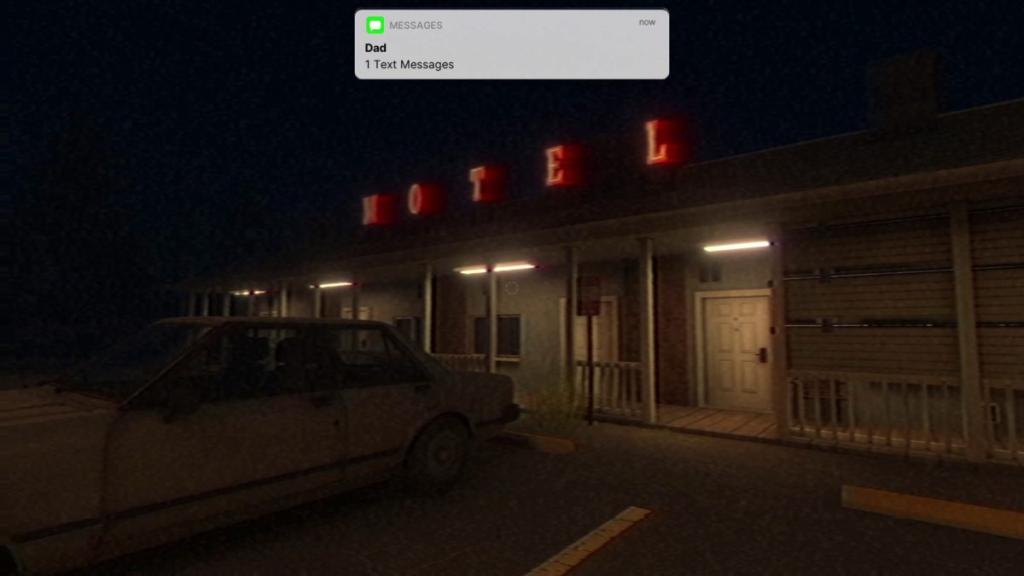
The episode "Norwood Hitchhike," set in 2010, offers a compelling case study. The narrative strongly echoes the chilling crimes of serial killer Larry Ralston, who preyed on women in the mid-1970s (1975-1977). While the game shifts the timeframe and details, the thematic resonance with real-world serial predation is undeniable. This suggests that rayll may be drawing inspiration from documented criminal cases, adapting them for a gaming audience while maintaining a veil of anonymity.
A thorough investigation into the specific details presented in the game often reveals a lack of direct, verifiable news coverage matching the exact events. A quick search for the purported incidents – breaking and entering, home invasion, cult sacrifices, and stalking with murderous intent – while confirming the prevalence of such crimes in society, does not yield direct matches to the specific scenarios portrayed in the Fears to Fathom episodes. This reinforces the notion that the game utilizes real-world anxieties and criminal archetypes as a foundation for its fictional narratives.
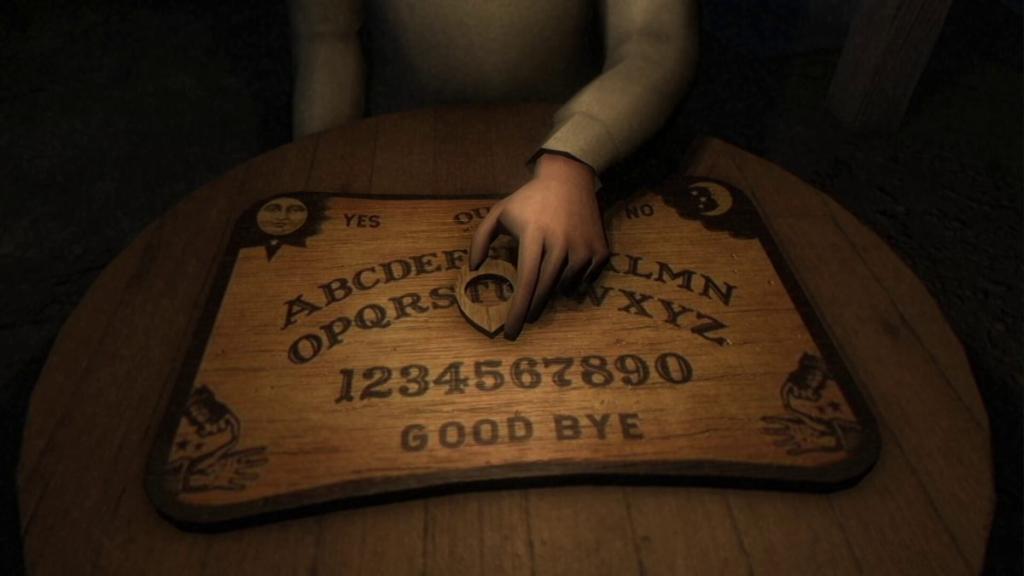
Furthermore, the similarities between the third episode, "Carson House," and a compilation of "3 True House Sitting Horror Stories" by YouTuber Mr. Nightmare, also allegedly sourced from subscriber submissions, highlight a potential cross-pollination of inspiration. This raises questions about the ultimate origin of these "true" stories, suggesting a potential feedback loop where online communities and content creators influence each other’s narratives.
The Interconnected Universe: Building a Fictional Lore
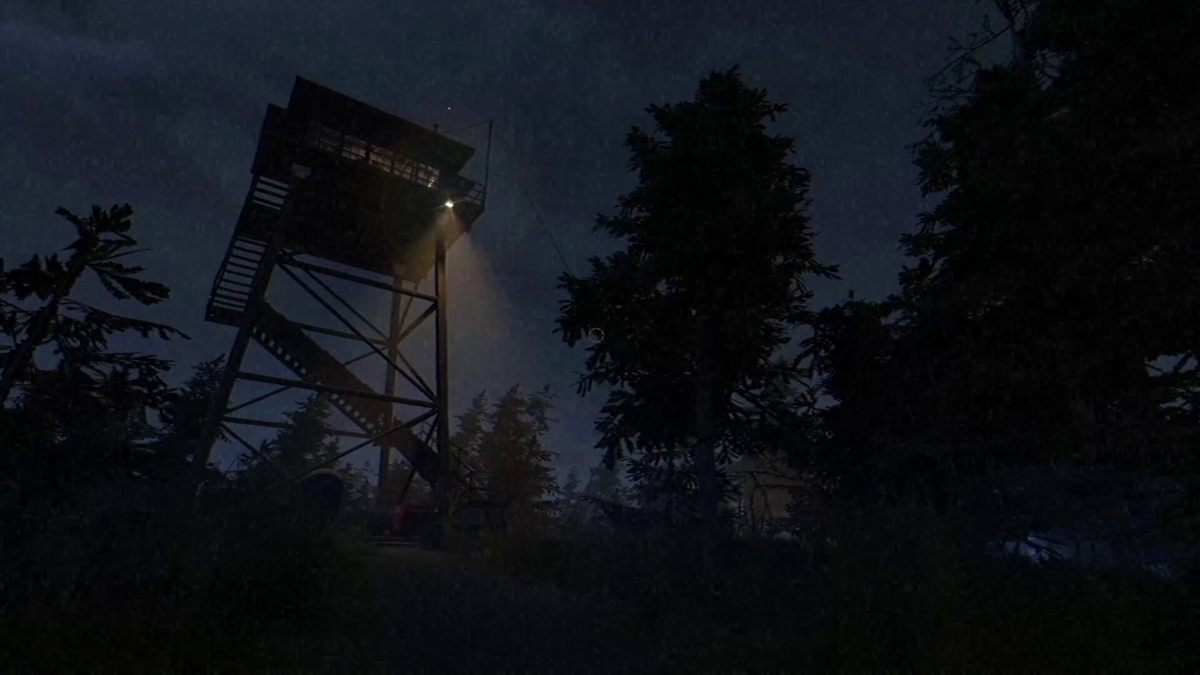
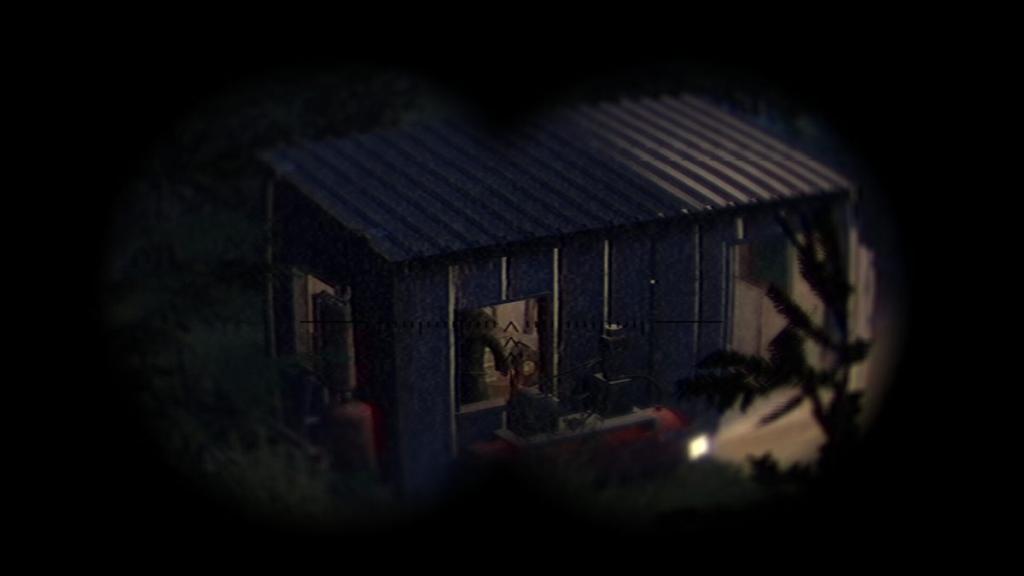
A significant development in the Fears to Fathom series is the establishment of an interconnected in-game universe, particularly evident in the [Together] series. The latest episodes, "Ironbark Lookout" and "Scratch Creek," link together by featuring the same cult, "The Covenant of Old Scratch." This deliberate narrative choice suggests a move beyond isolated incidents towards a more cohesive, overarching lore.
"Ironbark Lookout" is set in 2002, while "Scratch Creek" has a less defined timeline, only specifying "April 20XX." The fictional nature of "The Covenant of Old Scratch" is evident. While the game could be protecting the anonymity of real individuals involved in cult activities, the complete fabrication of the cult’s name and its association with overtly racist ideologies (implied through comparison to the Ku Klux Klan) strongly indicates a fictionalized representation. The development of such a cult serves as a potent plot device, tapping into societal fears surrounding secretive, extremist groups and their potential for violence.
The inspiration for these fictional cults could indeed originate from anonymized accounts submitted to rayll or from the vast repository of speculative fiction found on platforms like Reddit’s r/nosleep. The r/nosleep community, in particular, thrives on user-submitted "true" stories, many of which are creative works of fiction that adopt a realistic tone. The credibility of these submissions, while appealing to the game’s premise, is inherently questionable, further blurring the lines between authenticated experience and imaginative storytelling.
The Enduring Power of Realistic Horror, Regardless of Truth
Despite the likely fictionalized nature of its narratives, Fears to Fathom excels at creating a palpable sense of realism. The horror it depicts, while sometimes embellished for dramatic effect, is rooted in scenarios that are disturbingly plausible. Stalking, home invasions, encounters with dangerous individuals, and even the extreme, though rare, possibility of cult-related violence are all genuine threats that can impact ordinary people.
The effectiveness of the series lies in its ability to tap into these deeply ingrained societal fears. While specific events might be exaggerated or conflated, the underlying anxieties are real. For instance, in the "Home Alone" episode, the instantaneous teleportation of an intruder from within the house to the front door, while a clear cinematic contrivance, serves to amplify the feeling of helplessness and the unpredictable nature of a home invasion. This suspension of disbelief is a necessary component for players to fully immerse themselves in the horror.
Whether rayll meticulously verifies every submitted story or uses them as springboards for creative dread remains an open question. However, the impact of Fears to Fathom is undeniable. It taps into a primal fear of the unknown and the vulnerability of everyday life, offering a unique blend of personal testimony and chilling fiction. The series proves that even when the absolute truth of a story is in question, the inherent creepiness and psychological impact can remain profoundly potent. The game’s success hinges not on the literal truth of each episode, but on its ability to evoke the feeling of real horror, a testament to its masterful execution of a time-honored genre strategy. The series’ expansion into an interconnected universe further suggests a long-term vision, promising more psychologically unsettling experiences that continue to play on our deepest fears, grounded in a reality that is both familiar and terrifyingly alien.