


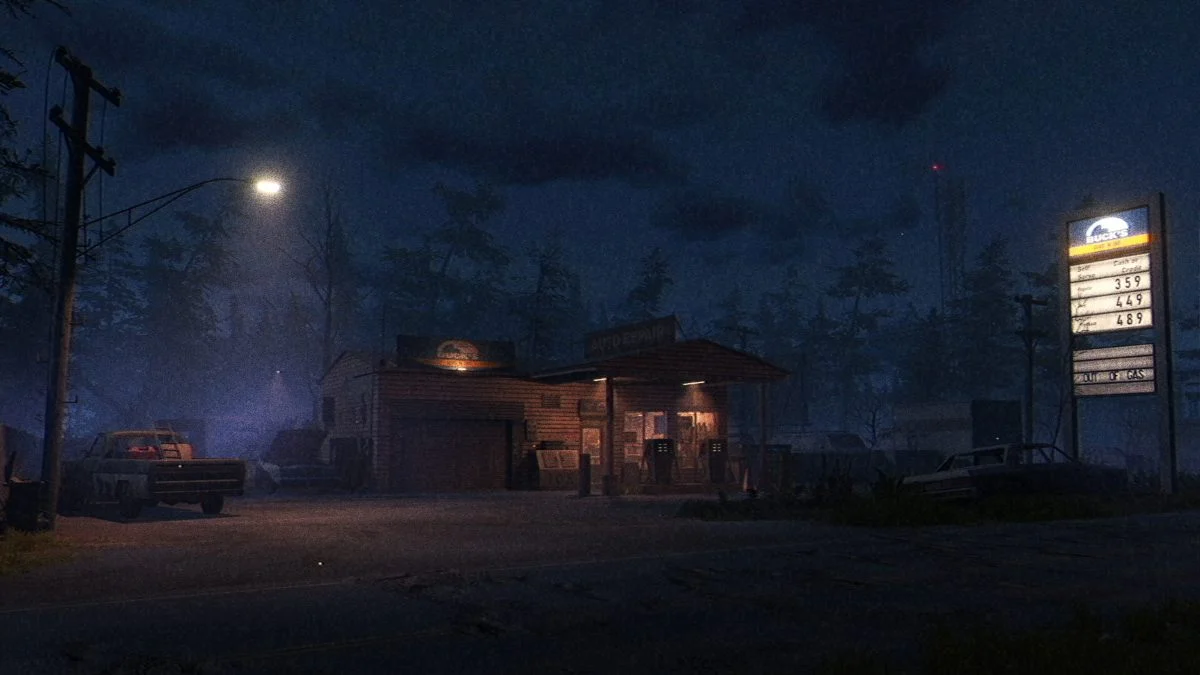
The landscape of cooperative horror gaming, often criticized for a perceived lack of innovation and reliance on familiar tropes, may be on the cusp of a significant shift with the impending release of Fears to Fathom: Scratch Creek. Developer Rayll, known for its unique approach to indie horror, is poised to introduce a new dynamic to its episodic series, aiming to revitalize the genre by emphasizing narrative depth and genuine player interaction. This latest installment, scheduled for release on June 10th, introduces a long-awaited duo-matchmaking feature, a strategic move designed to capitalize on the game’s established popularity and broaden its appeal.
The Fears to Fathom series has steadily evolved since its initial free episode launched in July 2021. Initially a solo experience, the series has built a dedicated following, particularly on streaming platforms like YouTube and Twitch, where its atmospheric tension and narrative-driven scares have resonated with a broad audience. The introduction of cooperative play in Scratch Creek represents a logical progression, building upon the character-driven dynamics explored in previous entries, such as the dynamic between Sydney and Mike. By enabling players to face their fears together, Rayll aims to transform passive viewers into active participants, fostering a more immersive and engaging experience. This decision is particularly astute, considering the significant viewership of Fears to Fathom content online, suggesting a substantial existing audience eager to transition from observation to participation.
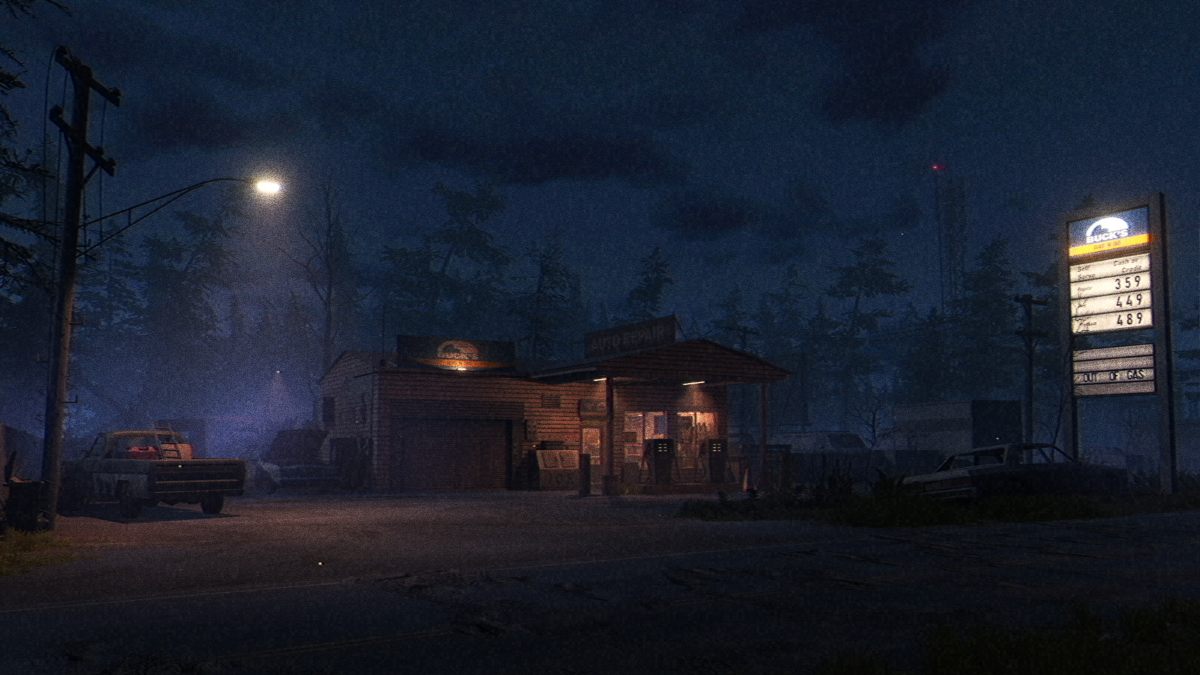
Rayll has consistently cultivated a distinct identity for the Fears to Fathom series, characterized by its unique ambiance and narrative focus. However, Scratch Creek signifies an aesthetic departure that positions the game beyond the established territories of prominent indie horror developers like Chilla’s Art and Puppet Combo. While maintaining its roots in slow-burn horror, the latest installment, along with its predecessor Woodbury Getaway, employs a potent sense of nostalgia. This deliberate use of familiar retrospection, reminiscent of Stephen King’s iconic literary style, aims to draw players into environments that evoke a palpable sense of unease and foreboding, tapping into a shared cultural memory of classic horror narratives.
The thematic resonance of Scratch Creek is explicitly linked to beloved cinematic touchstones such as Stand by Me, The Goonies, and even the chilling atmosphere of Jeepers Creepers. This blend of coming-of-age adventure and supernatural dread offers a novel approach to the indie horror scene. Historically, cooperative horror, popularized by titles like Left 4 Dead, Resident Evil 5, and Gears of War, often leaned heavily on action-horror mechanics. More recently, a distinct trend has emerged with games like SCP: Containment Breach and Lethal Company, emphasizing survival through evasion, stealth, and often comedic interactions with terrifying entities. While this approach has found its audience, it has also led to a degree of saturation within the genre, prompting some critics, including this publication, to express fatigue with what can feel like repetitive gameplay loops. Scratch Creek‘s ambition appears to be to diverge from this trend by prioritizing a more narrative-driven and suspenseful cooperative experience.
The Gradual Unveiling of Dread
The efficacy of Fears to Fathom‘s horror lies in its ability to ground the supernatural in relatable human experiences. The premise of each episode, purportedly based on true events, imbues the narrative with a sense of authenticity, making the characters’ predicaments feel more immediate and impactful. This approach draws parallels with interactive narrative games like The Quarry, offering a blend of relatable characters facing extraordinary circumstances, infused with a distinct 80s slasher film aesthetic, all delivered with the intimacy of a campfire story. The inherent threat is presented as rational, a palpable fear that is expected to intensify when shared with another player.
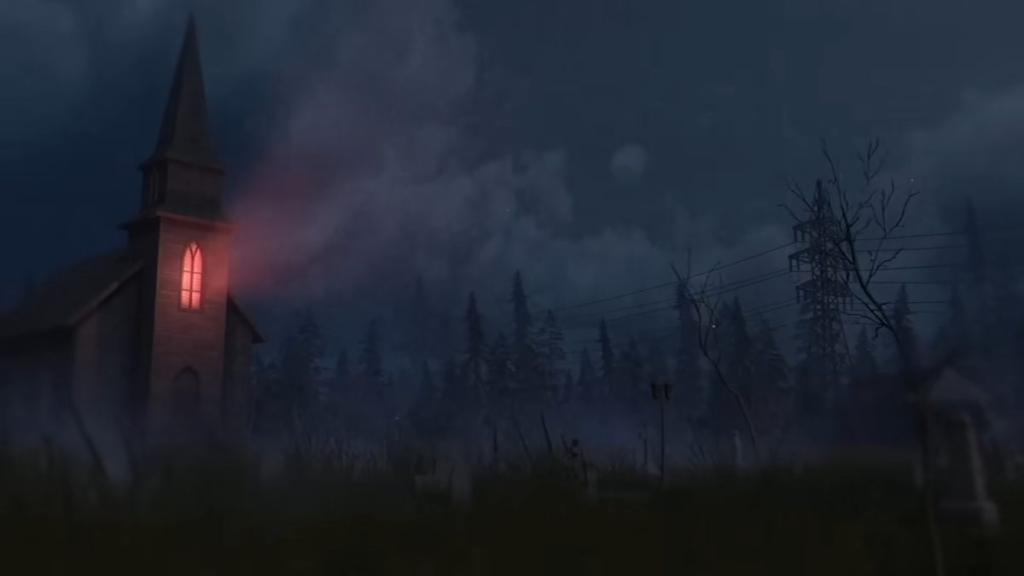
The foundation of Fears to Fathom rests on its commitment to presenting narratives that feel grounded in reality, even as they escalate into the realm of the terrifying. Each episode is meticulously crafted to present ordinary individuals thrust into extraordinary, often life-threatening, situations. This emphasis on realism is a key differentiator, allowing the game to build suspense through relatable anxieties rather than relying solely on jump scares or overt monstrosity. The initial presentation of Scratch Creek suggests a deceptively serene setting, where players might engage in casual interactions with the environment and its inhabitants, a stark contrast to the unfolding terror. This deliberate juxtaposition is a hallmark of effective horror, building tension through anticipation and the unsettling feeling that something is inherently wrong beneath the surface.
A Potential Paradigm Shift in Indie Cooperative Horror
The introduction of a robust cooperative element into a narrative-focused horror game like Scratch Creek has the potential to significantly influence the direction of indie horror. By integrating cooperative gameplay into story-driven titles, Rayll is not only expanding the appeal of Fears to Fathom but also potentially setting a new standard for how multiplayer experiences can enhance narrative immersion in the genre. This move addresses a perceived void in the market, where numerous cooperative games often offer similar gameplay loops with superficial variations in setting or theme. The reliance on replicating existing successful formulas, without offering genuine innovation, can lead to a stagnation of creativity.
The current landscape of cooperative gaming often features titles that, despite their popularity, can feel like iterative descendants of one another. Many struggle to capture the unique essence of truly impactful horror experiences. The critique suggests that a "copy of a copy" approach, while potentially profitable, rarely results in a product that stands on its own merits or offers a truly fresh perspective. Scratch Creek‘s departure from this trend, by prioritizing a narrative-first cooperative experience, represents a calculated risk for Rayll. The success of this gamble will ultimately hinge on the game’s execution and its ability to deliver a compelling and cohesive cooperative narrative.
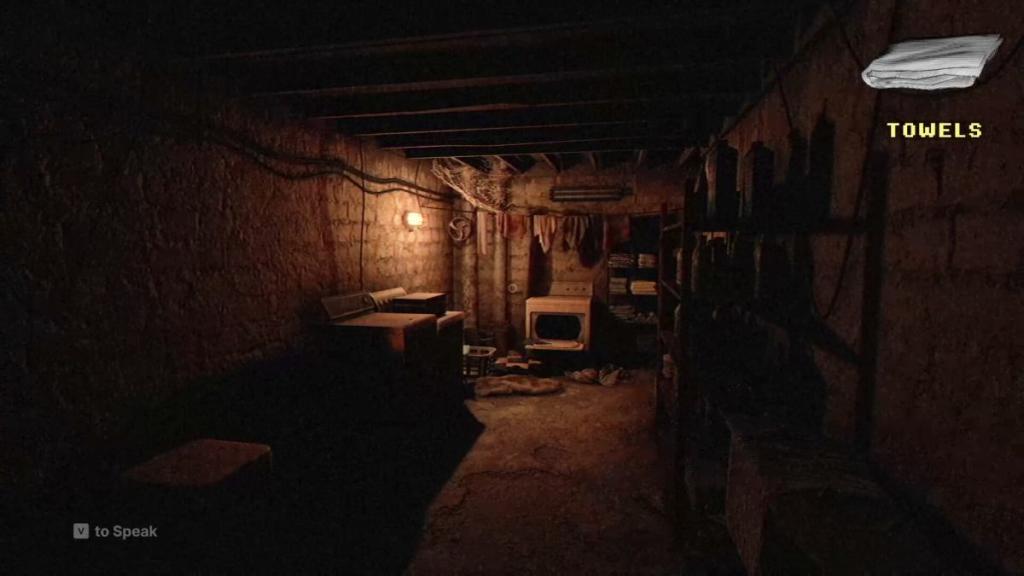
The author’s frustration with the current state of cooperative horror is palpable, stemming from a perceived overreliance on formulaic designs. Games that offer minimal narrative depth, simplistic AI, and expect players to generate their own content through emergent gameplay are seen as lacking substance. The call for more "serious" cooperative horror games, those that prioritize storytelling and atmosphere over viral potential and superficial tropes, highlights a desire for experiences that aim to genuinely unsettle and engage players on a deeper psychological level. Scratch Creek is positioned as a potential catalyst for this shift, encouraging developers to invest in narrative depth and atmospheric tension as primary drivers of the horror experience, rather than solely relying on the fleeting appeal of viral moments.
The Narrative Core of Scratch Creek
The central narrative of Scratch Creek will follow the journey of Tessa and Marcus, two individuals who find themselves unexpectedly stranded in the titular location while in the process of relocating. Players will have the option to embark on this terrifying experience solo, selecting either Tessa or Marcus to control at the outset. Alternatively, they can opt for the new duo-matchmaking feature, pairing up with a friend or a randomly assigned player. Communication within the game will be facilitated by proximity chat, adding an extra layer of immersion and potential for collaborative problem-solving or panicked exchanges.
True to the Fears to Fathom formula, Scratch Creek is described as a walking simulator at its core, incorporating elements of driving and environmental exploration. The game’s product page indicates that it will feature choice-based gameplay, a characteristic that is expected to align with the narrative delivery mechanisms seen in previous titles such as Carson House and Woodbury Getaway. This suggests that player decisions will play a role in shaping the unfolding events, adding a layer of replayability and consequence to the experience.
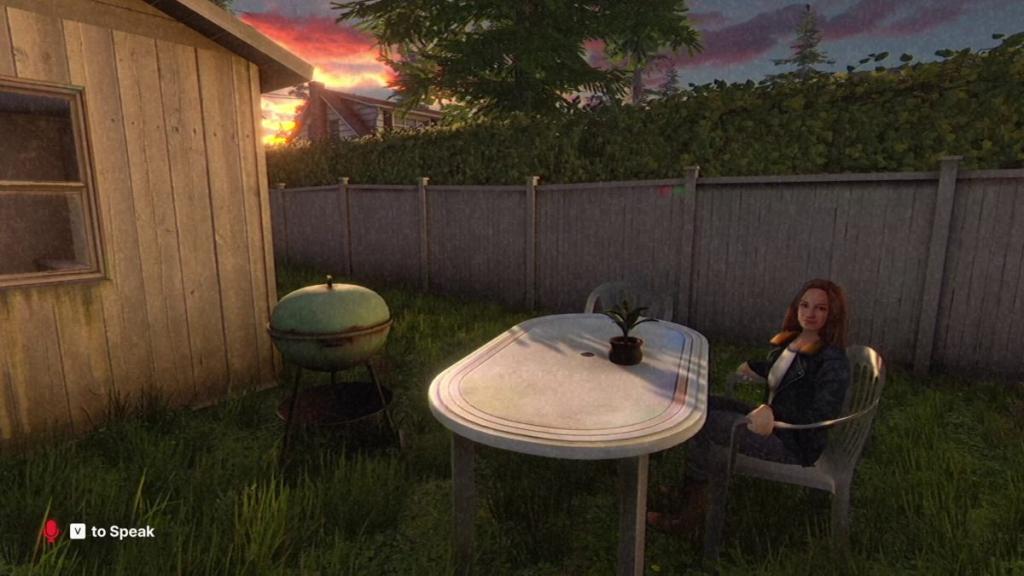
The release of Fears to Fathom – Scratch Creek on June 10th via Steam marks a significant moment for the series and potentially for the indie cooperative horror genre. The invitation to "Grab a buddy" underscores the developer’s intention to foster shared experiences, suggesting that the terrors of Scratch Creek are best faced, or at least endured, together. This emphasis on companionship in the face of adversity is a core tenet of the game’s design, aiming to elevate the stakes and deepen the emotional impact of the narrative. The success of this ambitious undertaking could well inspire a new wave of narrative-driven cooperative horror titles, moving the genre beyond its current perceived limitations.