


The landscape of cooperative horror gaming, often criticized for a recent trend of repetitive formulas and a reliance on emergent, unscripted "friendslop" moments, may be on the cusp of a significant shift. Rayll’s upcoming installment in the Fears to Fathom series, Scratch Creek, is poised to introduce a novel approach to the genre, blending a distinct nostalgic aesthetic with an innovative co-op experience that prioritizes narrative and atmosphere over chaotic improvisation. This latest entry aims to revitalize the co-op horror space by fostering genuine shared dread and character-driven suspense, moving away from the formulaic jump scares and predictable enemy AI that have become commonplace.
The Fears to Fathom series, known for its episodic, slow-burn horror narratives, has steadily evolved since its initial free release in July 2021. While previous installments have focused on solo experiences or character dynamics within a single narrative thread, Scratch Creek introduces a significant new feature: duo-matchmaking. This addition is not merely a technical upgrade but a strategic pivot designed to capitalize on the game’s already substantial audience, particularly among viewers on streaming platforms like YouTube and Twitch. By enabling players to share the terrifying experience, Rayll aims to transform passive observers into active participants, encouraging a deeper engagement with the game’s unsettling world.
A New Era for Cooperative Horror: Nostalgia and Narrative Collide
Fears to Fathom has cultivated a unique identity characterized by its distinct atmosphere and stylistic choices. However, Scratch Creek, along with its predecessor Woodbury Getaway, marks an aesthetic departure from the established titans of indie horror like Chilla’s Art and Puppet Combo. Instead of directly competing within the existing market, Fears to Fathom is venturing into uncharted territory for indie games. The series employs a potent blend of nostalgia, reminiscent of classic Stephen King novels, to draw players into environments that evoke a powerful sense of familiar unease.
This nostalgic appeal is meticulously crafted, drawing parallels to beloved cinematic experiences such as Stand by Me, The Goonies, and even the unsettling rural dread of Jeepers Creepers. This is a far cry from the typical co-op horror experience that rose to prominence with titles like Left 4 Dead, Resident Evil 5, and Gears of War, which primarily fused action with horror elements. More recently, the indie scene has seen the proliferation of games like SCP: Containment Breach and Lethal Company, which have popularized a trend of cooperative horror focused on comedic survival, hiding, and frantic evasion. While these games have found their audience, the repetitive nature of their gameplay loop, often referred to as "friendslop," has led to a degree of saturation within the genre.
Scratch Creek appears poised to disrupt this trend. The game’s approach to co-op horror centers on building tension through storytelling and environmental immersion, a stark contrast to the often-unscripted and emergent gameplay that defines many contemporary co-op horror titles. The developer’s deliberate choice to move away from the chaotic, humor-driven interactions that have become a hallmark of recent co-op horror suggests a desire to reclaim a more serious and psychologically impactful approach to shared fear.
The Unfolding Terror: A Deep Dive into Scratch Creek
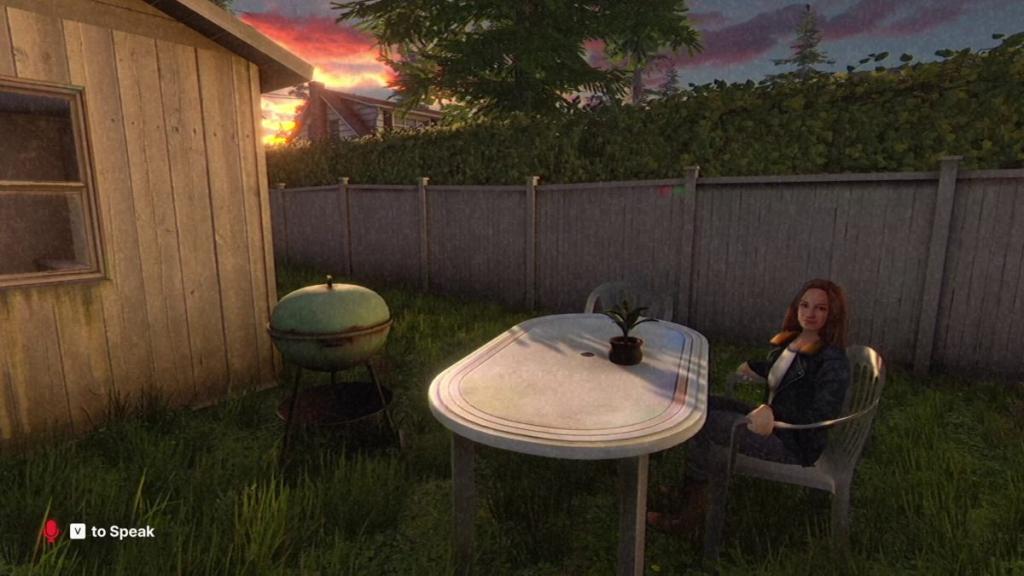
The narrative of Scratch Creek centers on the experiences of Tessa and Marcus, two individuals who find themselves unexpectedly stranded in the titular location while in the process of relocating to another state. Players have the option to embark on this chilling journey solo, choosing to embody either Tessa or Marcus at the outset of the game. However, the most significant innovation lies in the dual-player cooperative mode. Utilizing a duo-matchmaking system, players can team up with a friend or a randomly assigned partner, fostering an immersive experience enhanced by in-game proximity chat. This feature allows for natural communication and collaborative decision-making, crucial elements for navigating the game’s unfolding horrors.
At its core, Scratch Creek, like other Fears to Fathom episodes, operates as a walking simulator. The gameplay loop incorporates driving and exploration mechanics, encouraging players to investigate their surroundings and unravel the mysteries that lie within. While the product page hints at a choice-based narrative, the developer’s previous work, particularly Carson House and Woodbury Getaway, suggests a delivery style that emphasizes atmospheric storytelling and environmental cues over branching dialogue trees or complex decision-making systems. This focus on narrative immersion, coupled with the cooperative element, promises a shared descent into terror.
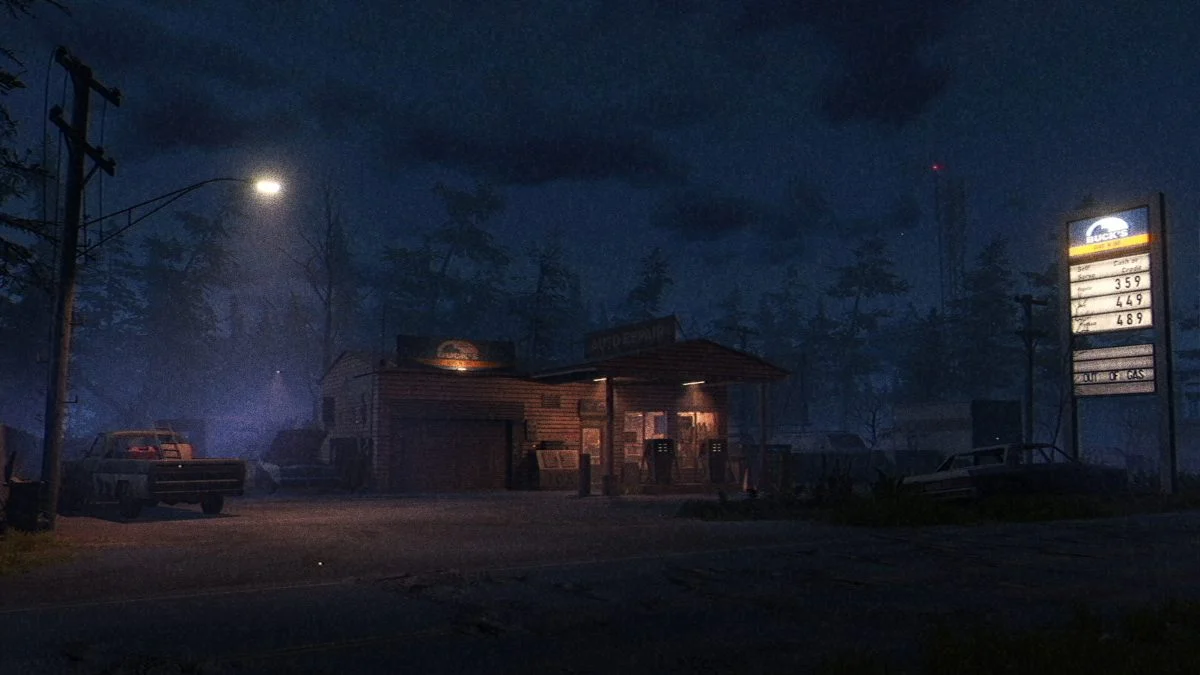
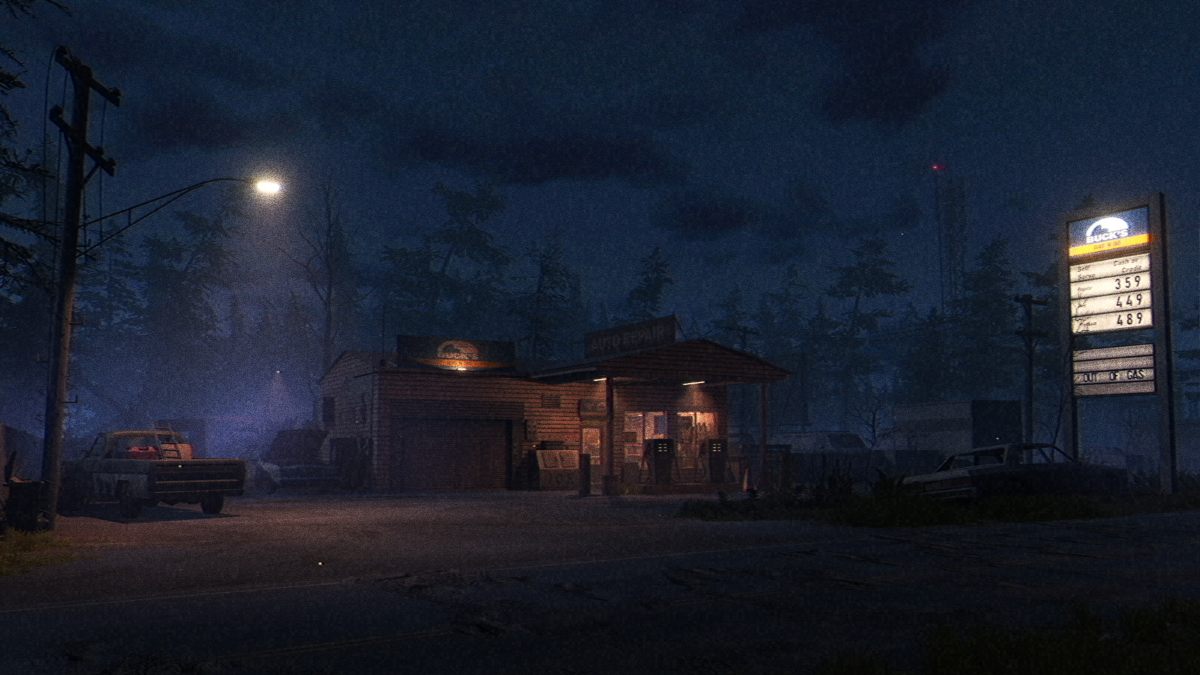
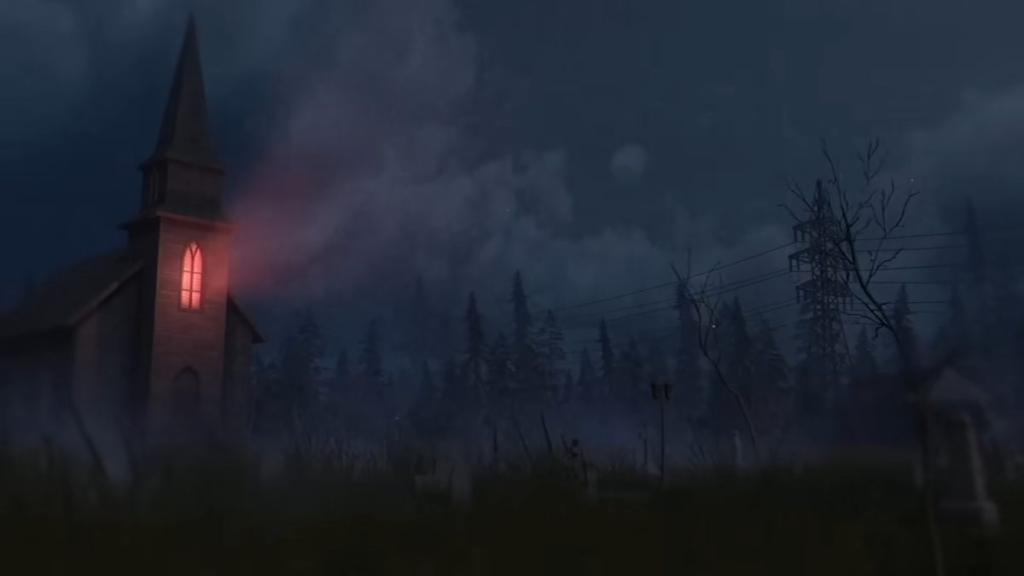
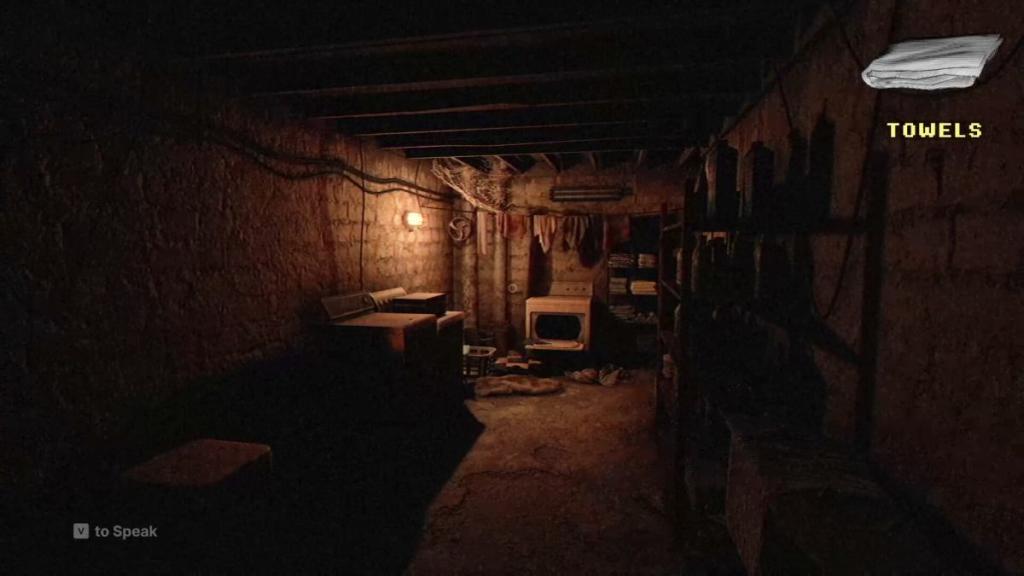
The game’s visual presentation and thematic elements are designed to evoke a specific kind of dread. Screenshots reveal dimly lit interiors, desolate graveyards, and the unsettling tranquility of suburban landscapes, all contributing to an atmosphere that feels both familiar and deeply menacing. The juxtaposition of seemingly ordinary settings with an underlying sense of impending doom is a hallmark of the Fears to Fathom series, and Scratch Creek appears to lean heavily into this established strength.
The developer’s strategic decision to implement co-op functionality is particularly astute given the series’ popularity on streaming platforms. The ability for viewers to witness friends navigate the horrors together, communicate in real-time, and react to scares collectively can create compelling content and further amplify the game’s reach. This move acknowledges the power of shared experiences in horror and seeks to translate that into a playable format that benefits from social interaction.
Context and Chronology: The Evolution of Fears to Fathom
The Fears to Fathom series began its journey in July 2021 with a free, bite-sized episode that quickly garnered attention for its unique approach to horror storytelling. This initial release established the series’ foundation: first-person perspective, narrative-driven gameplay, and an emphasis on building suspense through atmosphere and environmental detail. Subsequent episodes, such as Woodbury Getaway, continued to explore these themes, gradually expanding the game’s lore and gameplay mechanics.
Woodbury Getaway, released prior to Scratch Creek, showcased a similar nostalgic aesthetic and a slow-burn approach to horror. This episode likely served as a testing ground for some of the narrative and atmospheric elements that are now being amplified in Scratch Creek. The decision to introduce co-op in Scratch Creek represents a significant evolutionary step, building upon the established strengths of the series while addressing a perceived gap in the co-op horror market.
The current co-op horror landscape, as observed by many in the gaming community, has become heavily reliant on emergent gameplay and player-generated content. While titles like Lethal Company have achieved massive success through this model, the long-term sustainability and critical reception of such games are often debated. The author of the original article expressed a clear weariness with this trend, stating, "It’s a trend that I am frankly sick of." This sentiment suggests a growing demand for co-op horror experiences that prioritize narrative depth, intentional design, and a more structured approach to terror.
Scratch Creek‘s release date of June 10, 2024, places it in a competitive but potentially opportune moment in the gaming calendar. By offering a distinct alternative to the prevailing co-op horror trends, Rayll’s latest offering has the potential to carve out a significant niche and attract players seeking a more curated and story-centric shared horror experience.
Analysis of Implications: Reshaping the Co-op Horror Genre
The introduction of robust co-op features into a narrative-driven horror series like Fears to Fathom carries significant implications for the broader indie horror landscape. Firstly, it demonstrates that innovation within the genre is still possible beyond the established formulas. The success of Scratch Creek could encourage other indie developers to explore more narrative-focused co-op horror experiences, moving away from the "friendslop" model and towards more intentional storytelling.
Secondly, the game’s reliance on nostalgia as a core thematic element provides a blueprint for how developers can leverage familiar cultural touchstones to evoke specific emotional responses and build immersive worlds. This approach can resonate deeply with players, creating a sense of connection and shared understanding that enhances the overall horror experience.
Furthermore, the integration of duo-matchmaking and proximity chat addresses a key aspect of social gaming: authentic communication. Unlike games where communication is secondary or purely functional, Scratch Creek seems designed to make player interaction an integral part of the horror itself. This can lead to more genuine reactions, shared planning, and ultimately, a more memorable and terrifying experience.
The potential impact on streaming and content creation is also noteworthy. A well-executed co-op horror game that prioritizes narrative and atmosphere can provide engaging content for streamers and YouTubers, offering a different kind of viewing experience than the often-chaotic gameplay of current popular titles. This could attract a new audience to the genre and further solidify the appeal of Fears to Fathom.
Official Statements and Developer Intent (Inferred)
While direct statements from the developer, Rayll, specifically detailing the strategic intent behind Scratch Creek‘s co-op implementation are not provided in the source material, the game’s design choices speak volumes. The progression from solo-focused episodes to a significant co-op feature, especially when the series is already popular on streaming platforms, strongly suggests a deliberate effort to enhance player engagement and broaden the game’s appeal.
The decision to introduce duo-matchmaking and proximity chat is a clear indication that the developer intends for player interaction to be a core component of the horror experience, rather than a tangential element. This suggests a design philosophy that values shared dread and collaborative problem-solving within a narrative framework. The developer’s emphasis on "real threat and rational fear" also implies a desire to create an experience that is genuinely unsettling, rather than relying on cheap scares or predictable jump scares.
The developer’s gamble, as described in the original article, lies in deviating from a proven solo formula to embrace a more ambitious cooperative design. This risk suggests a belief in the potential of co-op horror to deliver a unique and impactful experience, one that transcends the limitations of purely solitary gameplay. The success of Scratch Creek will ultimately depend on its execution, but the ambition behind its design is clear.
Conclusion: A Potential Turning Point for Indie Horror
Fears to Fathom: Scratch Creek is more than just another entry in an already established horror series; it represents a potential turning point for co-op horror within the indie game development scene. By eschewing the increasingly stale tropes of emergent chaos and focusing instead on atmospheric storytelling, nostalgic charm, and genuine shared dread, Rayll’s latest offering is poised to redefine what players can expect from a cooperative horror experience. The game’s release on June 10th on Steam marks an opportunity for players to grab a friend and confront the terrors of Scratch Creek together, venturing into a new frontier of shared fear that promises to be both deeply unsettling and profoundly engaging. The success of this endeavor could inspire a wave of more narrative-driven and atmospherically rich co-op horror titles, revitalizing a genre that has, for many, become a predictable echo of its former self.