


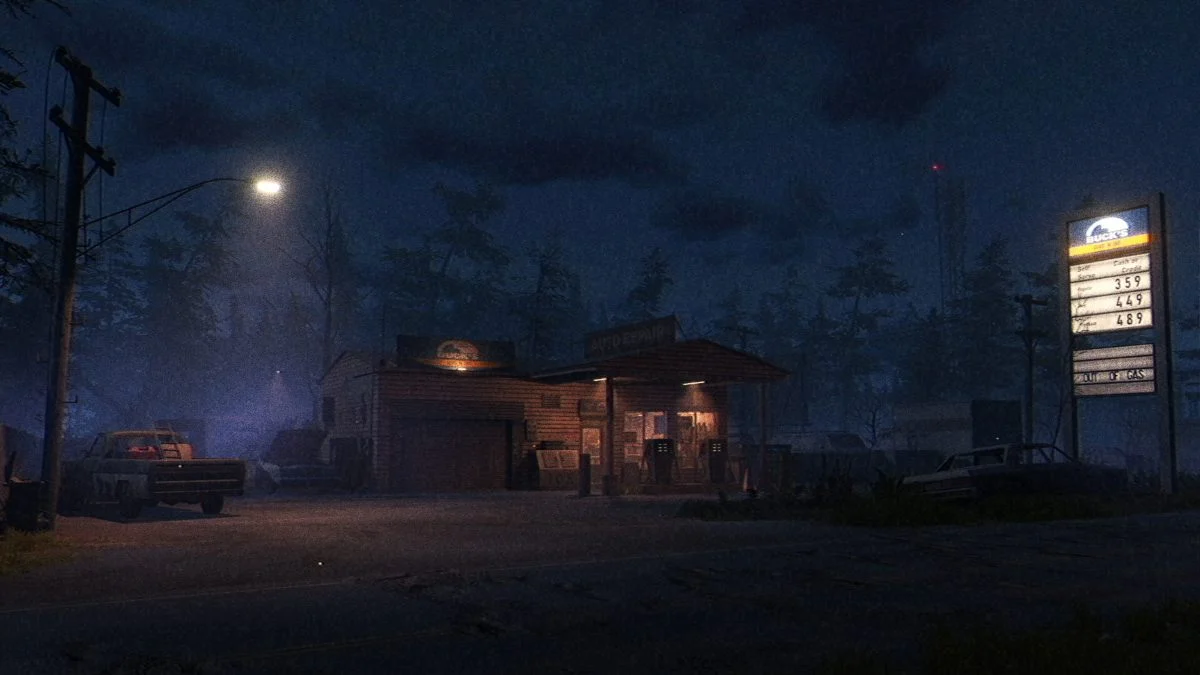
The landscape of cooperative horror gaming has long been dominated by familiar formulas, often resulting in experiences that, while enjoyable, can feel increasingly predictable. However, Rayll’s upcoming installment in the "Fears to Fathom" series, titled "Scratch Creek," is poised to disrupt this trend by introducing a novel approach to the genre. This new entry promises to revitalize cooperative horror by weaving a compelling narrative with innovative gameplay mechanics, setting a new benchmark for indie horror experiences.
Rayll, the independent developer behind the "Fears to Fathom" franchise, has consistently delivered atmospheric and story-driven horror. The series, known for its "bite-sized" episodic format, initially gained traction with its first free episode in July 2021. Since then, it has cultivated a dedicated following, particularly among viewers on streaming platforms like YouTube and Twitch. The upcoming "Scratch Creek" chapter marks a significant evolution for the series, introducing a duo-matchmaking feature that allows players to experience the terror together. This strategic move aligns with the franchise’s trajectory, especially following the previous episode’s focus on the dynamic between characters Sydney and Mike, suggesting a growing emphasis on interpersonal narratives within the horror framework.
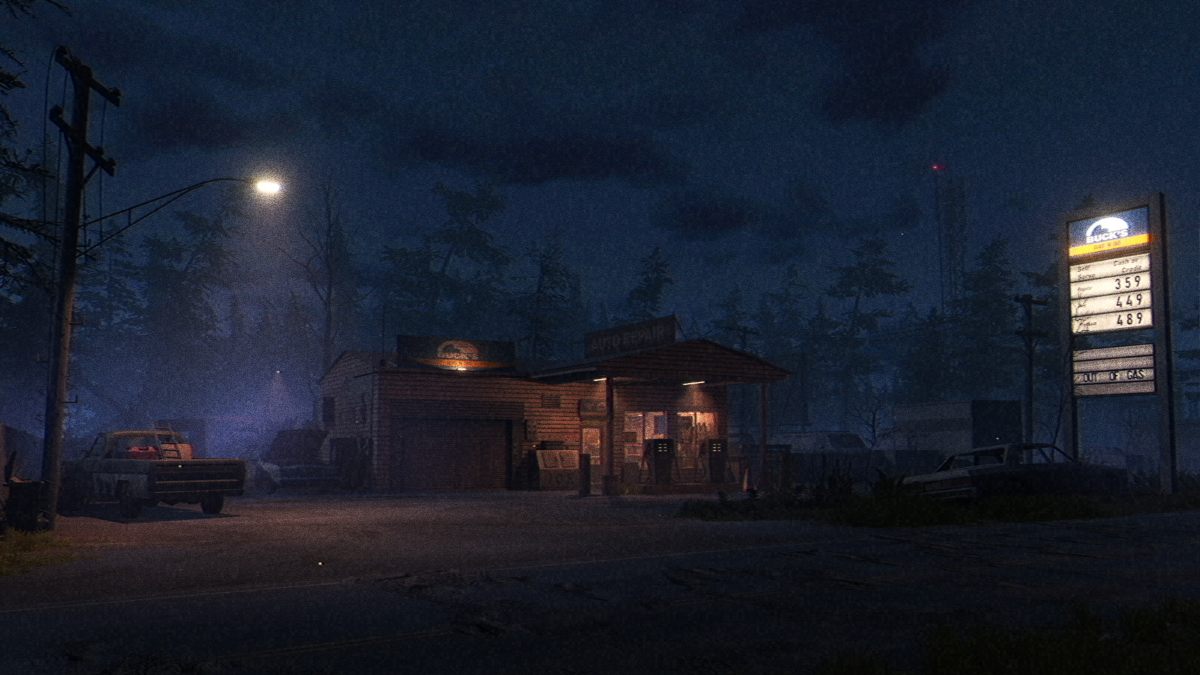
The introduction of cooperative play in "Fears to Fathom: Scratch Creek" is a particularly astute decision, aiming to bridge the gap between passive viewers and active players. By enabling friends or even strangers to team up, Rayll seeks to capitalize on the immense viewership that fuels the game’s popularity. This incentivizes the audience to not just watch, but to actively participate in the unfolding horrors, thereby deepening their engagement with the "Fears to Fathom" universe. This inclusive approach is a smart business and creative strategy, acknowledging the power of social engagement in modern gaming.
"Fears to Fathom" has already carved out a distinct identity characterized by its unique style, pervasive atmosphere, and narrative depth. However, "Scratch Creek" signals a notable aesthetic shift, moving away from the often stark and visceral horror found in titles from studios like Chilla’s Art and Puppet Combo. Instead, "Fears to Fathom" is venturing into territory that is less explored within the indie horror scene. While retaining its slow-burn horror roots, both "Woodbury Getaway" and "Scratch Creek" leverage a powerful element of nostalgia. This deliberate choice evokes settings reminiscent of classic Stephen King novels, tapping into a collective cultural memory that can be both comforting and deeply unsettling.
The nostalgic appeal of "Scratch Creek" is further amplified by its clear thematic connections to beloved films such as "Stand by Me," "The Goonies," and even the unsettling road-trip terror of "Jeepers Creepers." This unique blend of childhood adventure, camaraderie, and encroaching dread is a combination rarely seen in the indie horror genre. Historically, cooperative horror games, popularized by titles like "Left 4 Dead," "Resident Evil 5," and "Gears of War," often blended action-heavy gameplay with survival horror elements. More recent trends, however, have seen a rise in cooperative experiences like "SCP: Containment Breach" and "Lethal Company," which often lean into emergent comedic scenarios, frantic hiding, and desperate flight from danger. This "friendslop" trend, as some critics have termed it, focuses on player-generated content and often prioritizes emergent gameplay over narrative cohesion. "Fears to Fathom: Scratch Creek" appears to be deliberately charting a different course, one that prioritizes narrative and atmospheric dread over chaotic multiplayer antics.
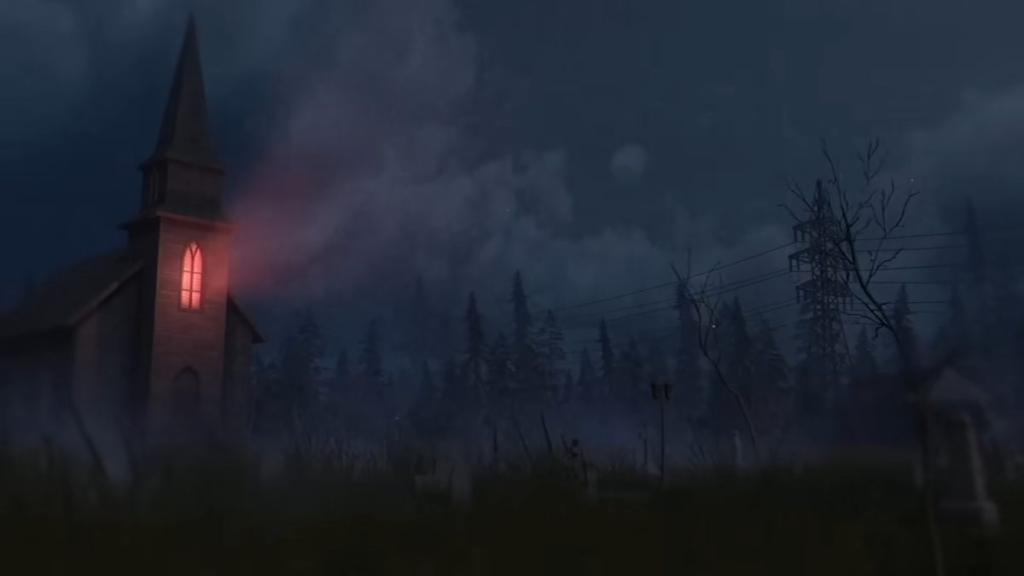
The Gradual Unfolding of Terror
The core strength of the "Fears to Fathom" series lies in its ability to draw players into its narrative by presenting horror that feels grounded in reality. The games often sell the premise that the terrifying events have genuinely happened to ordinary individuals. This approach, reminiscent of the cinematic storytelling in "The Quarry" with subtle nods to 1980s slasher films, creates a palpable sense of dread. The horror is often delivered through a slow-burn intensity, fostering a feeling of unease that seeps into the player’s consciousness. When experienced collaboratively, this narrative-driven terror is amplified, as players can share their fear and react together to the unfolding events, potentially heightening the overall intensity.
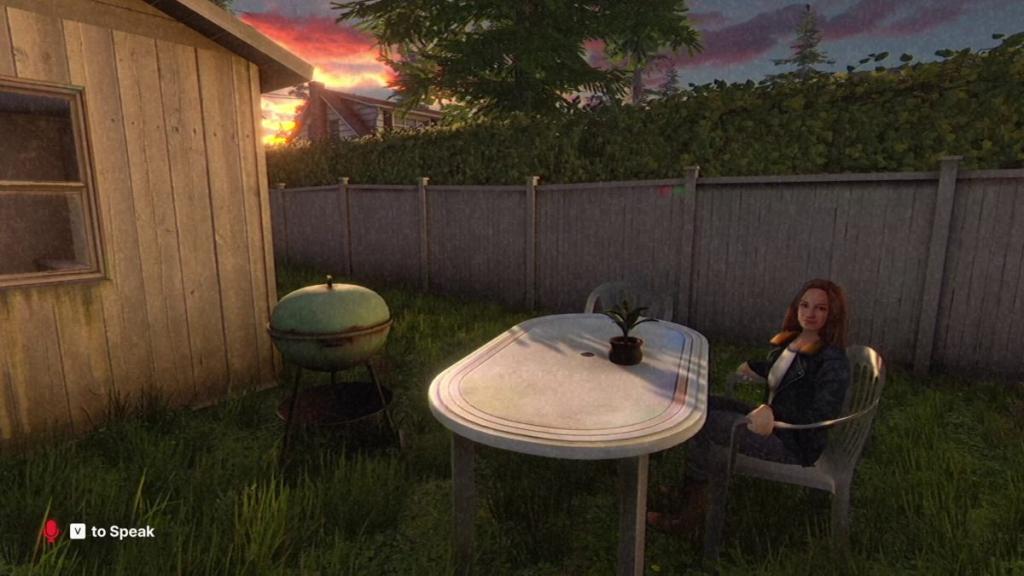
A significant aspect of the "Fears to Fathom" series, which lends it a unique authenticity, is the claim that its episodes are "allegedly based on true events." This narrative framing imbues the game with a sense of familiarity, portraying ordinary characters thrust into extraordinary and perilous circumstances. "Scratch Creek," in particular, initially presents a seemingly cozy and inviting atmosphere. The cooperative element allows players to engage with the environment and interact with non-player characters, building a false sense of security before the inevitable descent into terror. This contrast between perceived normalcy and encroaching horror is a classic storytelling technique that Rayll masterfully employs.
A Potential Paradigm Shift in Cooperative Indie Horror
The introduction of a narrative-driven cooperative experience in "Fears to Fathom: Scratch Creek" could very well alter the trajectory of cooperative horror within the indie game development sphere. By integrating cooperative gameplay into more story-driven titles, Rayll’s approach offers a compelling alternative to the current trend of multiplayer-focused horror experiences. The indie horror landscape is currently saturated with games that, while offering cooperative play, often rely on repetitive mechanics, basic enemy AI, and a reliance on players to create their own entertainment. This often leads to experiences that feel derivative and lack the depth of truly original narratives.
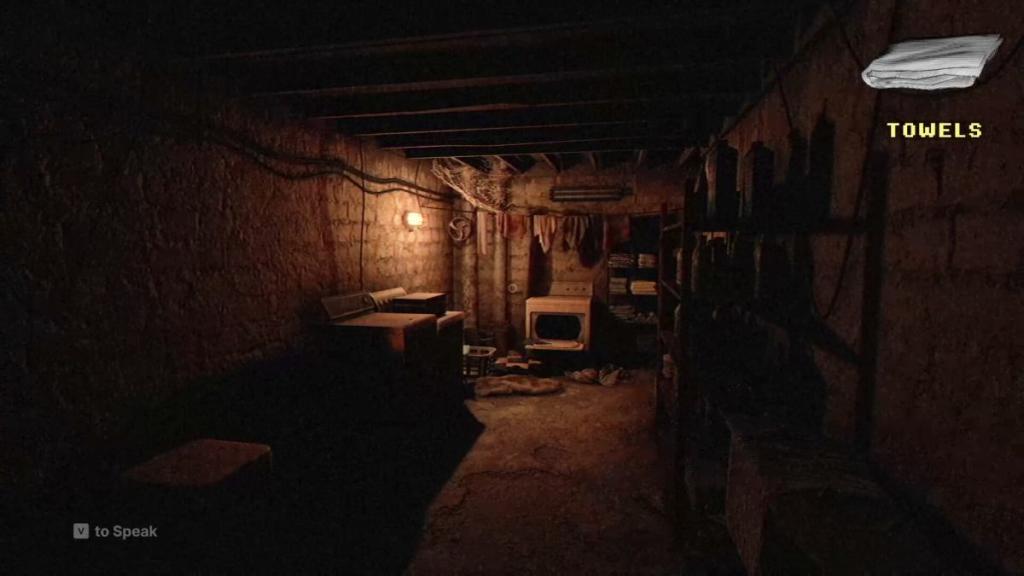
The current state of cooperative indie horror is characterized by a proliferation of titles that, while numerous, often feel like carbon copies of one another. Many fail to capture the nuanced terror and immersive storytelling that defines the genre’s most impactful entries. The danger is that the pursuit of viral content and replication of successful tropes can lead to a dilution of originality, resulting in games that are mere echoes of their predecessors rather than complete, cohesive experiences.
Rayll’s decision to incorporate duo-matchmaking and proximity chat in "Scratch Creek" represents a calculated risk. It deviates from the established solo-player formula that has defined the "Fears to Fathom" series thus far. The success of this gamble will ultimately hinge on the execution of its cooperative mechanics and how seamlessly they are integrated into the game’s narrative and atmospheric design.
The current market for cooperative horror games often feels stagnant, with many titles offering a superficial layer of cooperation without truly enhancing the core horror experience. The reliance on "friendslop" – where players are expected to generate their own fun through social dynamics and emergent gameplay – has become a pervasive, and for some, tiresome, trend. This approach often neglects the potential for deep narrative engagement and sophisticated atmospheric horror that can be fostered through cooperative play. "Scratch Creek" has the potential to break this mold by prioritizing a compelling story and genuine scares over player-generated antics, inspiring other developers to focus on unsettling narratives rather than chasing fleeting viral moments.
Unraveling the Narrative of Scratch Creek
"Fears to Fathom: Scratch Creek" is set to follow the story of Tessa and Marcus, two individuals who find themselves unexpectedly stranded in the titular Scratch Creek while in the process of relocating to another state. Players have the option to embark on this harrowing journey solo, choosing to embody either Tessa or Marcus at the outset of the game. Alternatively, the introduction of duo-matchmaking allows players to team up with a friend or a randomly assigned partner, facilitating communication through in-game proximity chat. This feature is crucial for building tension and sharing the experience of fear.
In true "Fears to Fathom" fashion, "Scratch Creek" maintains its identity as a walking simulator at its core, augmented by mechanics that involve driving and environmental exploration. While the product page suggests a choice-based narrative, the delivery is expected to align with the established patterns of previous "Fears to Fathom" episodes, such as "Carson House" and "Woodbury Getaway," where player decisions subtly influence the unfolding events and overall atmosphere.
"Fears to Fathom – Scratch Creek" is scheduled for release on June 10th and will be available on Steam. The game presents an opportunity for players to confront their fears not in isolation, but alongside a companion, promising a shared experience of terror and suspense. The developer’s commitment to exploring new avenues in cooperative horror suggests that "Scratch Creek" could be a significant title, offering a fresh and engaging take on a genre ripe for innovation. This new installment is not just another horror game; it’s a carefully crafted narrative experience designed to be shared, amplified by the presence of another player navigating the darkness alongside you. The anticipation surrounding its release is palpable, as players and critics alike await to see if Rayll can indeed redefine the cooperative horror landscape.