


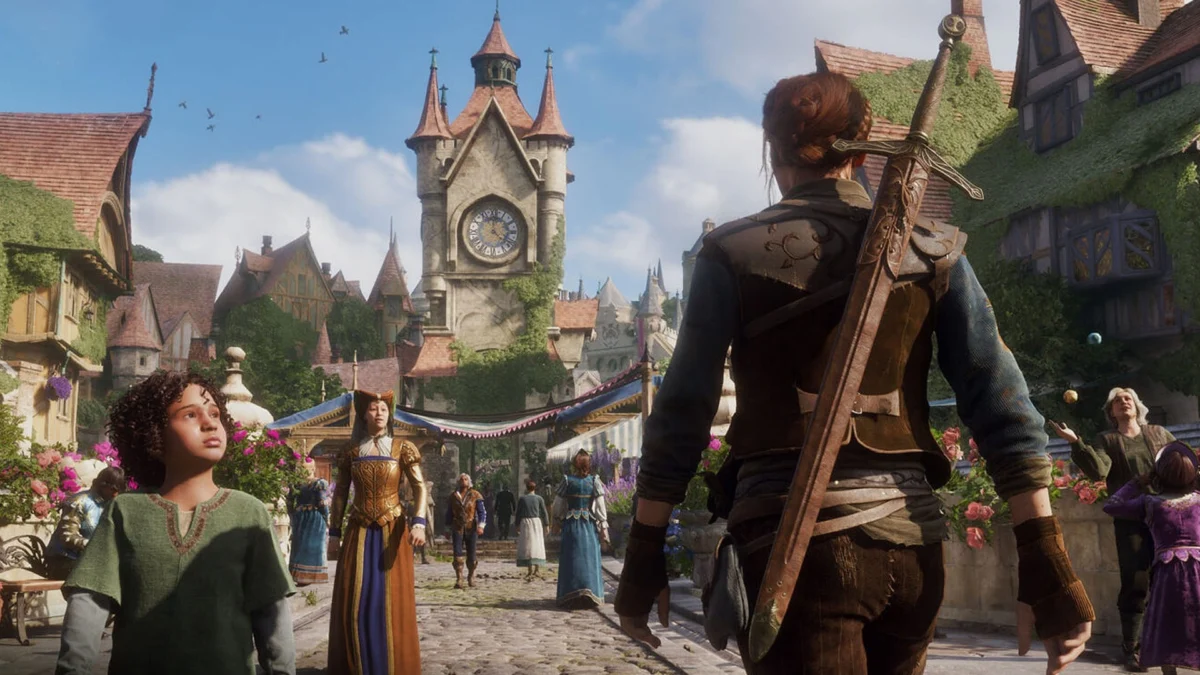
The gaming community’s anticipation, building over several restless months, culminated today with a significant gameplay reveal for the highly awaited title, Fable. During Xbox’s inaugural Gamescom 2026 broadcast, Playground Games showcased an extensive look at the next iteration of the beloved fantasy role-playing game, offering an 18-minute deep dive that captivated audiences and immediately positioned the title as a strong contender for critical acclaim upon its release. The presentation underscored the ambitious scope and visual fidelity that developers have been striving for, providing concrete evidence of the game’s progress following its previously announced delay.
A Legacy Reimagined: The Fable Franchise History
The Fable franchise holds a unique and revered position within the pantheon of Western role-playing games. Originally conceived by Peter Molyneux and developed by Lionhead Studios, the series first launched in 2004 with Fable for the original Xbox, immediately distinguishing itself through its innovative choice-and-consequence system. Players’ decisions, both moral and mundane, visibly impacted their character’s appearance, the world’s perception of them, and even the unfolding narrative. This emphasis on player agency, coupled with a whimsical, distinctly British sense of humor and a vibrant, fairy-tale aesthetic, quickly garnered a dedicated fanbase.
Subsequent titles, Fable II (2008) and Fable III (2010), built upon this foundation, expanding the world of Albion, refining combat mechanics, and introducing new systems like co-operative multiplayer and a more detailed economy. While the series maintained its core identity, it also faced criticism for failing to fully deliver on some of Molyneux’s more ambitious promises, often setting expectations sky-high. Despite this, the games consistently offered charming, engaging experiences that allowed players to live out a personalized hero’s journey.
Following the closure of Lionhead Studios in 2016, the future of the Fable franchise remained uncertain for several years, leading to widespread speculation and a palpable sense of loss among fans. The announcement at Xbox Games Showcase 2020 that Playground Games, renowned for the critically acclaimed Forza Horizon series, would be developing a new Fable title, sent ripples of excitement through the industry. The challenge for Playground Games was immense: to revitalize a cherished IP, honoring its legacy while simultaneously innovating for a modern gaming audience. The Gamescom 2026 reveal provided the most substantial look yet at how they intend to achieve this delicate balance.
Playground Games Takes the Helm: A New Vision for Albion
The decision to entrust Fable to Playground Games, a studio previously exclusively known for its mastery of open-world racing simulations, initially raised eyebrows. However, the studio’s track record for creating expansive, visually stunning, and technically polished open worlds in the Forza Horizon series suggested a foundational capability that could translate well into a fantasy RPG. Their expertise in environmental design, graphical fidelity, and engaging sandbox gameplay offered a promising outlook for a reimagined Albion. The development team for Fable has reportedly grown significantly, incorporating talent with extensive RPG experience alongside Playground’s existing strengths.
Since its initial cinematic reveal in 2020, details about the new Fable have been scarce, fueling an eager anticipation that bordered on fervent. Periodic updates, often in the form of development insights or brief conceptual glimpses, served to maintain interest without revealing core gameplay. This measured approach to information dissemination created an environment where today’s comprehensive gameplay showcase was met with an almost explosive level of interest, justifying the extended period of silence and underscoring the strategic importance of this reveal to Xbox’s first-party lineup.
Unpacking the Gamescom 2026 Gameplay Showcase: Visuals, World, and Combat
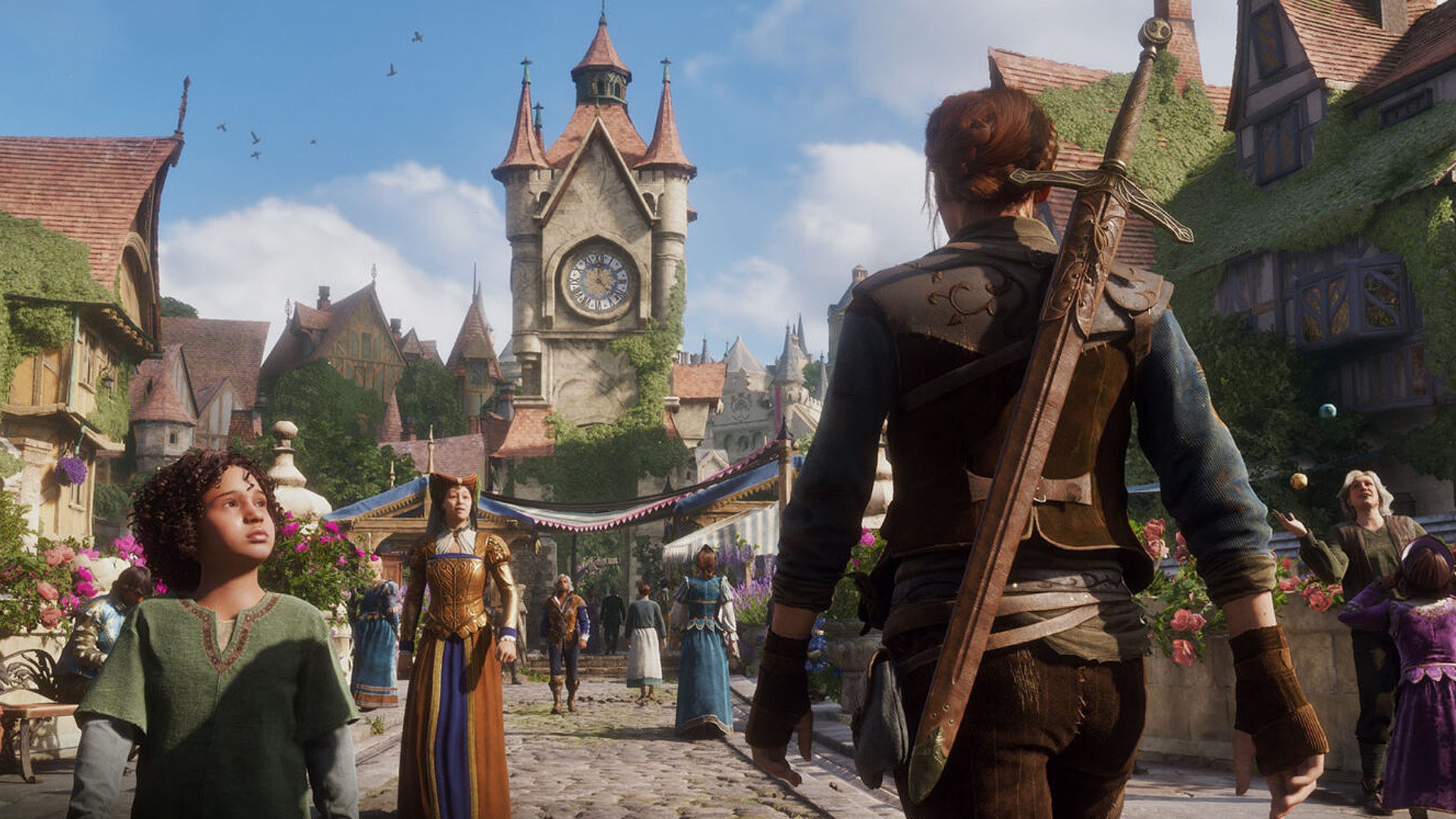
The 18-minute gameplay video presented at Gamescom 2026 offered an unprecedented look into the heart of the new Fable, addressing many of the questions and expectations that had accumulated since its announcement. From the opening moments, the visual presentation stood out as a primary highlight. The game appears meticulously crafted, boasting a vibrant, colorful palette that breathes new life into the whimsical aesthetic of Albion. The lighting effects, in particular, were described as "absolutely gorgeous," demonstrating a sophisticated use of modern rendering techniques that contribute significantly to the game’s immersive atmosphere. Sunlight filtering through dense foliage, the glow of magical effects, and the interplay of light and shadow within architectural spaces showcased a level of detail that immediately set a high bar for environmental storytelling.
The showcase transported viewers to the iconic city of Bowerstone, a staple of previous Fable titles, now rendered with breathtaking detail and bustling activity. The city’s busy streets teemed with life, populated by a diverse array of non-player characters (NPCs) engaged in daily routines, suggesting a dynamic world that reacts to the player’s presence. From the intricate cobblestone pathways to the charming interiors of shops and residences, Bowerstone felt expansive and lived-in. This detailed world-building extends beyond mere aesthetics, implying a rich tapestry of social interactions, side quests, and emergent gameplay opportunities that are crucial for a successful open-world RPG. The return of Bowerstone, while expected, was executed with a fresh perspective, showcasing how familiar elements are being reinterpreted through a contemporary lens.
The core of the gameplay demonstration revolved around a quest titled "Mud and Death," providing a tangible example of the game’s narrative structure and combat mechanics. In this quest, the protagonist, known as The Hero, joins Humphry, the esteemed leader of the Heroes’ Guild, on an expedition into a once-flooded mine. This mine, now reportedly haunted, served as a perfect crucible to test the player’s "burgeoning set of combat options." The shift from a natural disaster zone to a supernatural one immediately establishes a tone that blends Fable’s characteristic blend of grounded fantasy with its more macabre and whimsical elements.
The mine itself was depicted as a labyrinthine environment, populated by a variety of spectral foes, including ghosts and skeletons. This encounter offered a clear demonstration of the game’s combat system. Previous Fable titles were known for their accessible yet engaging combat, typically involving a trifecta of melee, ranged, and magical abilities. The new Fable appears to expand upon this, with descriptions of "style-weaving combat" suggesting a fluid integration of these different disciplines. The demo showcased the protagonist engaging in skirmishes, from dealing with "thugs hassling young Billie" in the city streets to confronting "Slick Ronnie’s gang," culminating in the more supernatural encounters within the mine.
This "style-weaving" approach implies that players will be encouraged, and perhaps rewarded, for seamlessly transitioning between different combat styles. For instance, a player might initiate combat with a powerful melee strike, transition to ranged attacks to maintain distance, and then finish with a devastating magical ability. Such a system would offer depth and strategic variety, appealing to players who enjoy mastering complex combat flows while remaining intuitive enough for newcomers. The combat animations appeared fluid and impactful, with enemy reactions indicating a responsive and satisfying feedback loop. The inclusion of the Heroes’ Guild, a central institution in Albion lore, also hints at a strong narrative emphasis on the player’s role as a burgeoning hero, with mentorship and progression systems likely tied to the Guild’s activities.
Development Journey and Strategic Delays: Prioritizing Quality
The road to this Gamescom reveal has not been without its challenges. The development of Fable has been extensive, and like many large-scale contemporary game projects, it has experienced delays. The most recent and significant of these was the postponement of its release date to February 23, 2027. While delays are often met with disappointment by an eager fanbase, in modern game development, they have increasingly become a strategic decision aimed at ensuring product quality and avoiding the pitfalls of rushed releases.
In a competitive market where consumer expectations for polish and bug-free experiences are higher than ever, developers often opt for additional time to refine gameplay mechanics, optimize performance, and conduct extensive quality assurance. For a title as significant as Fable, which carries the weight of a beloved legacy and the responsibility of being a flagship Xbox exclusive, such delays are often seen as a necessary investment. They allow teams like Playground Games to deliver on their creative vision without compromising on technical execution, preventing potential negative reception that could impact both the game’s commercial success and the studio’s reputation. The phrase "suffering its delay" in the original context highlights the industry’s perception of delays, yet increasingly, they are viewed as a positive indicator of a commitment to excellence.

This extended development cycle, culminating in a 2027 release, positions Fable as a major title in Xbox’s future roadmap, allowing it to potentially leverage advancements in hardware and software optimization that might not have been fully realized with an earlier launch. It also provides ample time for comprehensive marketing and community engagement leading up to release, building momentum and excitement.
Xbox Game Pass and the Future of First-Party Titles
A critical aspect of Fable’s release strategy, confirmed in today’s broadcast, is its day-one availability on Xbox Game Pass. This decision aligns perfectly with Microsoft’s overarching strategy for its gaming ecosystem, positioning Game Pass as a central pillar of its business model. For subscribers, Fable’s inclusion means immediate access to a highly anticipated, premium title without an additional purchase, significantly enhancing the value proposition of the service.
The continuous influx of high-quality, first-party titles into Game Pass is vital for subscriber retention and growth. Fable, with its established brand recognition and the fresh vision from Playground Games, is poised to be a significant draw. In recent years, Xbox has invested heavily in acquiring and developing exclusive content, and Fable represents a cornerstone of this commitment. Its success could further solidify Game Pass’s position as a leading subscription service in the gaming industry, driving both new subscriptions and maintaining engagement among existing users.
Moreover, launching Fable directly into Game Pass mitigates some of the risks associated with a traditional full-price launch, particularly for a title that is rebooting a beloved franchise. It allows a broader audience to experience the game, potentially converting new fans and rekindling the passion of long-time enthusiasts who might have been hesitant to commit to a full-price purchase. This strategy democratizes access to major releases and reinforces Xbox’s commitment to delivering value directly to its community.
Broader Industry Implications and Anticipation
The Gamescom 2026 Fable gameplay reveal carries significant implications beyond just its immediate impact on the Xbox ecosystem. For the broader RPG genre, Fable’s return signifies a potential revitalization of a sub-genre often characterized by its blend of humor, moral choices, and a distinct, often lighter, fantasy setting. In an industry increasingly dominated by darker, more gritty fantasy RPGs, Fable’s vibrant and whimsical approach offers a refreshing alternative that could appeal to a diverse player base.
The high production values evident in the gameplay showcase also set a new benchmark for what players can expect from fantasy worlds. The attention to detail in Bowerstone, the dynamic lighting, and the fluid combat system all suggest a game that aims for both artistic excellence and technical prowess. This level of ambition from Playground Games, a studio previously outside the core RPG development sphere, could inspire other developers to push boundaries and explore new interpretations of classic genres.
Anticipation for Fable is now at an all-time high. The comprehensive gameplay reveal successfully transitioned the game from a concept shrouded in mystery to a tangible, exciting prospect. Long-time fans, who have waited years for the franchise’s revival, expressed enthusiasm for the fidelity and apparent respect for the series’ roots, while new players were introduced to a visually stunning world brimming with potential. The challenge for Playground Games now lies in maintaining this momentum and delivering a final product that lives up to the lofty expectations set by today’s impressive demonstration. Fable is not just another game for Xbox; it is a critical statement of intent, a showcase of first-party capabilities, and a hopeful return for one of gaming’s most endearing and unique fantasy sagas. Its release in February 2027 will undoubtedly be a pivotal moment for the industry, potentially marking the rebirth of a beloved classic as a true game-of-the-year contender.