


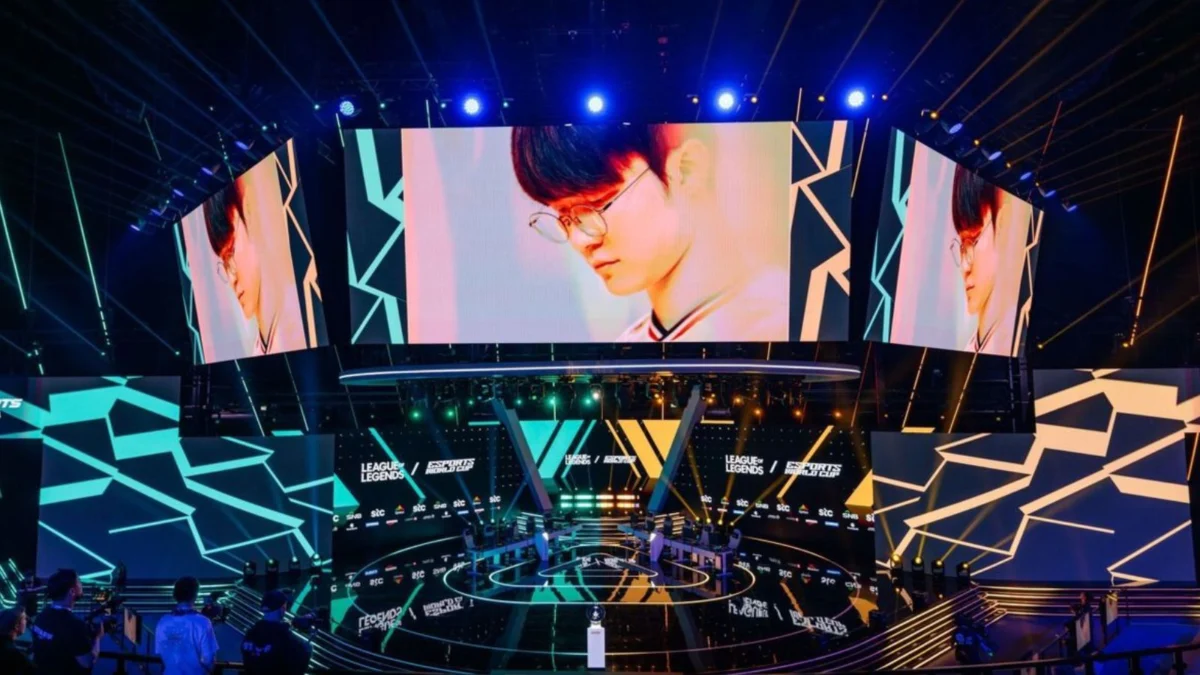
The vibrant energy of Paris, France, has become the epicenter of the global esports community as the 2026 Esports World Cup (EWC) has officially commenced. Following two successful years in Riyadh, Saudi Arabia, the prestigious tournament has relocated to the iconic French capital, drawing an unprecedented gathering of elite talent from 24 distinct esports titles. The event, which kicked off on July 2nd with the intense Valorant competitions, has now shifted its spotlight to one of Riot Games’ most celebrated titles: League of Legends. This year’s League of Legends competition promises a spectacular display of skill, strategy, and team synergy, culminating in the crowning of a new world champion.
The Esports World Cup, established as a premier global esports festival, aims to consolidate multiple major esports titles under a single, expansive umbrella event. This format not only provides a centralized platform for diverse esports ecosystems but also fosters a unique inter-community dynamic. The 2026 edition, hosted in Paris, leverages the city’s rich cultural heritage and world-class infrastructure to deliver an unforgettable experience for both participants and a global audience. The strategic decision to move the event to Europe signifies a broader trend in the esports calendar, catering to a significant and growing fanbase within the region. The EWC’s commitment to rotating host cities underscores its ambition to become a truly international spectacle, engaging diverse geographical markets and celebrating the universality of competitive gaming.
Last year’s League of Legends champions, Gen.G, enter the 2026 tournament with the formidable task of defending their title. Their victory in the previous year, which saw them secure a substantial $600,000 grand prize after a thrilling final against AG.AL International, has cemented their status as a dominant force. However, the competitive landscape of League of Legends is perpetually evolving, with new strategies emerging and player performance fluctuating. Gen.G faces a formidable roster of 15 other challengers, each vying to unseat them and claim the coveted EWC trophy. The anticipation surrounding this year’s League of Legends bracket is palpable, with fans eager to witness the unfolding narratives of triumph and defeat.
League of Legends at EWC 2026: A Deep Dive into the Competition
The group stage of the League of Legends tournament commenced on July 15th, setting the stage for an electrifying series of matches. All participating teams were in action on the opening day, immediately immersing the audience in high-stakes gameplay. The tournament structure is designed to ensure a rigorous and fair competition, with the top two teams from each of the four groups advancing to the decisive playoff stage. This format allows for initial strategic adjustments and team cohesion building before the pressure intensifies in the knockout rounds.
Day One of Group Stage – July 15th:
The initial day of the League of Legends group stage saw a packed schedule designed to showcase the diverse regional talent. Early matchups included Team Secret facing off against Sentinels, and the reigning champions Gen.G taking on Karmine Corp. The latter match was particularly noteworthy, pitting the established titans against a team with significant home-crowd advantage. Bilibili Gaming and Movistar Koi engaged in a strategic battle, followed by a highly anticipated clash between the legendary T1 and the Vietnamese representatives, GAM Esports. The European powerhouse G2 Esports entered the fray against the Brazilian contenders FURIA, while AG.AL, last year’s finalists, squared off against Dplus Kia. The day concluded with matches featuring Hanwha Life versus MIBR and LYON against JD Gaming, rounding out a full day of competitive League of Legends action.
The strategic implications of the group stage cannot be overstated. Teams will be looking to secure favorable seeding for the playoffs, build momentum, and adapt to the unique meta that often emerges in large international tournaments. Early upsets are not uncommon, and a strong performance in the group stage can provide a significant psychological boost for the remainder of the competition. The varied playstyles and team compositions expected across the 16 teams promise a rich tapestry of strategic depth, from aggressive early-game skirmishes to calculated late-game macro plays.
The Elite Contenders: Who is Playing at League of Legends EWC 2026?
The 2026 Esports World Cup League of Legends roster represents a convergence of the world’s most dominant and promising teams. The inclusion of last year’s champions, Gen.G, underscores the continuity and enduring legacy of top-tier performance in esports. Their roster, featuring established stars like Canyon and Chovy, positions them as strong contenders once again. However, the field is brimming with talent, including the iconic T1 lineup, a team synonymous with League of Legends excellence and home to the legendary Faker. Their presence alone injects a significant level of excitement and narrative into the tournament.
The European giants G2 Esports and the fan-favorite Karmine Corp add further depth to the competitive landscape. Karmine Corp, in particular, can expect fervent support from the Parisian crowd, a factor that often translates into heightened player performance. This home-field advantage, coupled with their skilled roster, makes them a formidable force. The presence of these established organizations alongside emerging powerhouses from various regions highlights the global reach and competitive parity achieved within professional League of Legends.

Detailed Team Rosters for League of Legends EWC 2026:
- Team Secret: Pun, Hizto, Dire, Eddie, Bie
- Sentinels: Impact, HamBak, DARKWINGS, Rahel, huhi
- T1: Doran, Oner, Faker, Peyz, Keria
- AG.AL: Flandre, Tarzan, Shanks, Hope, Kael
- Karmine Corp: Canna, Yike, kyeahoo, Caliste, Busio
- Gen.G: Kiin, Canyon, Chovy, Ruler, Duro
- Bilibili Gaming: Bin, Xun, knight, Viper, ON
- Movistar Koi: Myrwn, Elyoya, Jojopyun, Supa, Alvaro
- LYON: Dhokla, Inspired, Saint, Berserker, Isles
- JD Gaming: Xiaoxu, JunJia, HongQ, GALA, Vampire
- Hanwha Life: Zeus, Kanavi, Zeka, Gumayusi, Delight
- MIBR: Zest, Curse, Feisty, Duduhh, Ackerman
- Dplus Kia: Siwoo, Lucid, ShowMaker, Smash, Career
- GAM Esports: Kiaya, Draktharr, Gloryy, Artemis, Taki
- G2: BrokenBlade, SkewMond, Caps, Hans Sama, Labrov
- FURIA: Guigo, Tatu, Tutsz, Ayu, Jojo
The strategic implications of these rosters are profound. The blend of veteran experience and emerging talent within each team creates unique dynamics. For instance, T1’s lineup, featuring the enduring legend Faker alongside promising young talents like Peyz and Keria, represents a potent mix of seasoned leadership and aggressive playmaking. Similarly, Gen.G’s roster, which includes the strategic mastermind Chovy and the consistent threat Ruler, showcases a well-oiled machine designed for championship contention. The performance of each individual player and their synergy as a unit will be critical in navigating the tournament’s demanding schedule.
Historical Context and the Evolving Esports Landscape
The Esports World Cup’s relocation to Paris marks a significant milestone in its young history. The event’s inception was driven by a vision to create a unified, grand-scale esports festival that would elevate the entire industry. By bringing together a wide array of competitive titles, the EWC aims to showcase the diversity and depth of modern esports, offering something for every fan. The move from Riyadh to Paris is indicative of the EWC’s commitment to global accessibility and engagement, tapping into established esports markets and fostering new ones.
The League of Legends segment of the EWC, in particular, carries immense historical weight. As one of the longest-standing and most popular esports titles, League of Legends has a rich tradition of competitive tournaments, including the World Championship, known as Worlds. The inclusion of League of Legends in the EWC framework signifies a growing trend towards multi-game esports festivals, aiming to capture a broader audience and provide a more comprehensive competitive experience. This approach contrasts with the more traditional, title-specific championship circuits, suggesting a potential evolution in how major esports events are structured and perceived.
The financial stakes at the EWC are substantial, with significant prize pools allocated across all participating titles. For League of Legends, the allure of a championship title is amplified by the considerable financial reward. Last year’s prize of $600,000 for the winner highlights the lucrative nature of professional esports at the highest level. The EWC’s prize distribution structure often includes substantial amounts for higher placings, incentivizing teams to perform consistently throughout the tournament. This financial backing is crucial for the sustainability of professional esports, enabling organizations to invest in talent, infrastructure, and player development.
Analysis of Competitive Dynamics and Future Implications
The 2026 Esports World Cup League of Legends tournament presents a compelling narrative of established powerhouses facing relentless challengers. The consistent performance of teams like Gen.G and T1 demonstrates the importance of sustained excellence, roster stability, and adaptability in a rapidly evolving meta. Their longevity in the top tier of League of Legends esports is a testament to their organizational strength and player development programs.
However, the rise of teams from various regions, such as Bilibili Gaming and Hanwha Life, indicates a broadening competitive base. These teams often bring fresh strategies and an aggressive playstyle that can challenge the established order. The success of these newer contenders will not only determine the outcome of the EWC but also influence the future direction of competitive League of Legends, potentially shifting the meta and inspiring the next generation of players.
The global viewership figures for the Esports World Cup are expected to be substantial, drawing millions of fans worldwide. League of Legends tournaments consistently rank among the most-watched esports events, and the EWC’s star-studded lineup in Paris is poised to break new records. The accessibility of online streaming platforms, coupled with the event’s central location in a major European city, is expected to drive engagement across diverse demographics.
The broader implications of the EWC’s success extend beyond the immediate competition. A well-executed multi-game festival like the EWC can significantly contribute to the mainstream acceptance and perception of esports. By showcasing a variety of titles and genres, the event demonstrates the breadth and depth of the esports industry, appealing to a wider audience beyond dedicated gaming communities. Furthermore, the economic impact of hosting such a large-scale event, including tourism and local business engagement, underscores the growing relevance of esports in the global entertainment and economic landscape. The continued growth and evolution of events like the Esports World Cup signal a maturing industry poised for further expansion and innovation.