


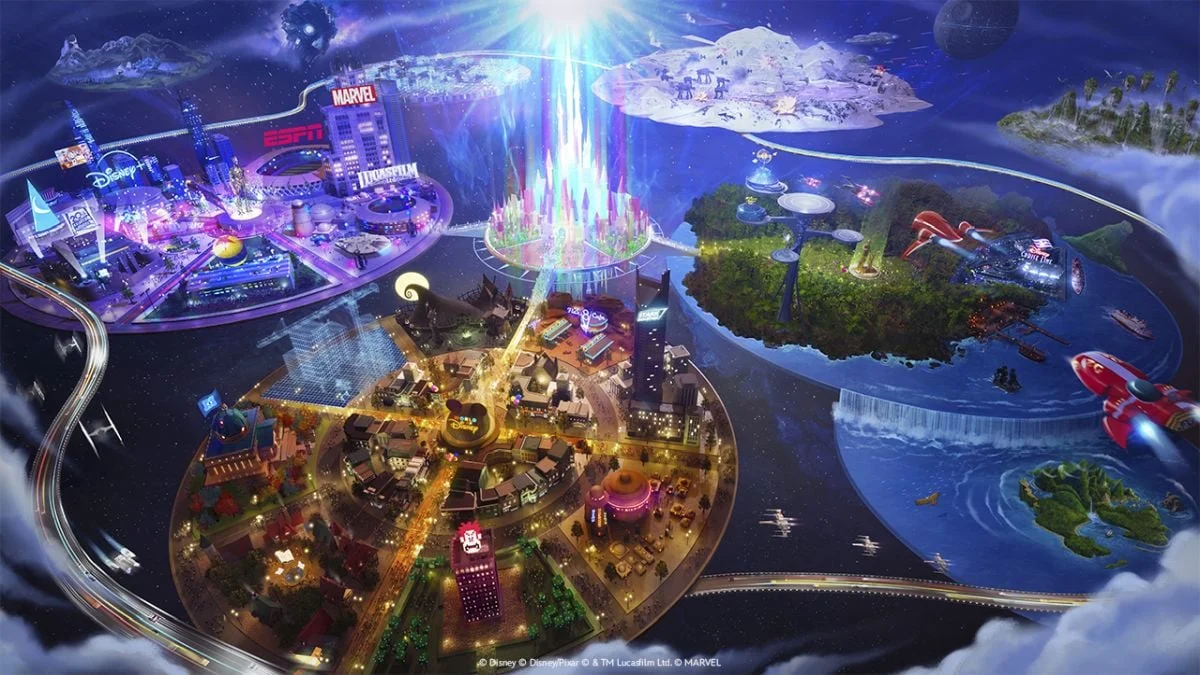
The Walt Disney Corporation has announced a monumental investment of $1.5 billion in Epic Games, signaling a strategic partnership aimed at creating a vast, interconnected universe of games and entertainment. This substantial capital infusion positions Disney as a significant stakeholder in Epic Games, with the explicit goal of leveraging Epic’s technological prowess and established platforms, most notably Fortnite, to expand Disney’s reach into the burgeoning digital entertainment landscape. The collaboration is envisioned as a multiyear endeavor, promising to deliver a "world-class" gaming experience that will seamlessly integrate with the existing pop-culture phenomenon of Fortnite. This new venture aims to offer unprecedented opportunities for consumers to "play, watch, shop and engage" with a diverse array of Disney’s iconic franchises. From beloved animated classics from Disney and Pixar to the expansive universes of Marvel and Star Wars, and even the visually stunning world of James Cameron’s Avatar, all are slated to be woven into this ambitious new digital frontier, powered by Epic Games’ industry-leading Unreal Engine. The agreement, however, remains contingent upon receiving the necessary regulatory approvals.
A Transformative Partnership: Disney’s Largest Gaming Venture
The strategic alignment between Disney and Epic Games represents a significant pivot for the entertainment giant, marking its most ambitious foray into the gaming sector to date. Disney CEO Bob Iger articulated the transformative nature of this partnership, stating, "Our exciting new relationship with Epic Games will bring together Disney’s beloved brands and franchises with the hugely popular Fortnite in a transformational new games and entertainment universe. This marks Disney’s biggest entry ever into the world of games and offers significant opportunities for growth and expansion. We can’t wait for fans to experience the Disney stories and worlds they love in groundbreaking new ways."
This investment underscores Disney’s recognition of gaming as a critical pillar for future entertainment consumption and engagement. The company has observed the increasing convergence of gaming, social interaction, and entertainment, and this collaboration with Epic Games is designed to capitalize on these trends. The creation of a "persistent, open and interoperable ecosystem," as described by Epic CEO Tim Sweeney, suggests a long-term vision that goes beyond individual game releases. It points towards building a digital destination where users can interact with Disney’s intellectual property in dynamic and evolving ways, blurring the lines between traditional entertainment and interactive experiences.
The Genesis of the Collaboration: A History of Engagement
This significant investment is not an isolated event but rather a culmination of a growing relationship between Disney and Epic Games. Both entities have previously engaged in collaborative efforts, particularly through Fortnite. Over the years, Fortnite has become a prominent platform for pop-culture crossovers, and Disney properties have been a consistent feature. Marvel characters and Star Wars elements have been integrated into the game through cosmetic items, in-game events, and narrative integrations, demonstrating the potential for successful brand synergy within Epic’s popular battle royale title.
Furthermore, Disney has been actively expanding its own presence in the video game market. Recent years have seen the release of several notable titles that have garnered critical acclaim and player engagement. Disney Dreamlight Valley, a life-simulation game, has carved out a significant niche within its genre. Other titles such as Disney Illusion Island, the mobile collectible card game Marvel Snap, and the critically acclaimed action-adventure Star Wars Jedi: Survivor further illustrate Disney’s commitment to developing and publishing games across various platforms and genres. This existing momentum in game development likely informed the strategic decision to pursue a more profound partnership with a leading game engine and platform provider like Epic Games.
Epic Games’ Strategic Positioning and Market Dynamics
Epic Games, the developer behind the ubiquitous Unreal Engine and the massively popular Fortnite, has been navigating a dynamic and often challenging industry landscape. The company has consistently invested in expanding Fortnite beyond its core battle royale mode, introducing new experiences like Festival and Rocket Racing to foster a more diverse and engaging ecosystem within the game. This strategy aims to transform Fortnite into a central hub for a variety of interactive entertainment.
However, Epic Games has also faced significant headwinds. In the past year, the company underwent substantial workforce reductions, laying off 16% of its employees. This decision, impacting approximately 830 individuals, occurred amidst a broader trend of layoffs within the global video game industry, reflecting ongoing economic pressures and market recalibrations. Additionally, Epic Games has been involved in protracted legal disputes with major technology companies like Apple and Google, stemming from disagreements over app store policies and revenue sharing. These legal battles, while highlighting Epic’s commitment to open platforms, have also presented considerable challenges and absorbed significant resources.
Despite these challenges, Epic Games remains a formidable force in the gaming industry, driven by the sustained popularity of Fortnite and the widespread adoption of its Unreal Engine by developers worldwide. The company’s vision for an interconnected digital universe aligns with the evolving desires of consumers for immersive and integrated entertainment experiences.
The Vision for an Interoperable Digital Realm
Epic CEO Tim Sweeney highlighted the shared vision and existing rapport that underpins this new venture. "Disney was one of the first companies to believe in the potential of bringing their worlds together with ours in Fortnite, and they use Unreal Engine across their portfolio," Sweeney stated. "Now we’re collaborating on something entirely new to build a persistent, open and interoperable ecosystem that will bring together the Disney and Fortnite communities."
The concept of a "persistent, open and interoperable ecosystem" is central to the strategic implications of this partnership. A persistent universe suggests a digital space that exists and evolves independently of individual play sessions, offering a continuous and dynamic experience for users. The "open" aspect implies a degree of accessibility and potential for third-party integration, while "interoperable" points towards seamless connectivity between different experiences and platforms. This approach is reminiscent of the metaverse concept, where digital worlds and experiences are interconnected, allowing users to move between them with their digital assets and identities intact.
Financial and Strategic Implications: A Deep Dive
The $1.5 billion investment by Disney represents a significant financial commitment, underscoring the perceived long-term value and potential return on investment from this strategic alliance. This figure positions Disney as a major strategic investor, granting it considerable influence and a vested interest in the success of Epic Games’ future endeavors.
Supporting Data and Context:
- Global Gaming Market Growth: The global video game market has experienced consistent growth, with projections indicating continued expansion. According to Newzoo, the global games market generated an estimated $184.3 billion in revenue in 2023, with a projected compound annual growth rate (CAGR) of 6.1% from 2023 to 2026. This robust market environment provides a fertile ground for innovative gaming and entertainment ventures.
- Fortnite’s Dominance: Fortnite remains one of the most popular and influential video games globally, boasting hundreds of millions of registered players. Its consistent evolution with new modes and collaborations has kept it relevant and engaged a diverse demographic, making it an ideal platform for broader entertainment integration.
- Unreal Engine’s Industry Footprint: Epic Games’ Unreal Engine is a leading real-time 3D creation tool used across a vast spectrum of industries, including gaming, film, television, automotive, and architecture. Its widespread adoption by developers signifies its technological superiority and adaptability, making it a crucial component for building high-fidelity digital experiences.
- Disney’s Intellectual Property Portfolio: Disney possesses one of the most valuable and recognizable intellectual property portfolios in the world, encompassing a vast array of beloved characters, stories, and franchises. The ability to translate these assets into interactive and engaging digital experiences represents immense commercial potential.
Analyzing the Broader Impact and Future Trajectory
The implications of this Disney-Epic Games partnership extend beyond the immediate creation of a new universe. It signals a potential paradigm shift in how major entertainment conglomerates engage with the gaming industry and digital platforms.
- Convergence of Entertainment: This collaboration is a powerful testament to the increasing convergence of traditional entertainment and interactive gaming. Disney’s move suggests a strategic imperative to not only license its IP for games but to actively build and control its own digital entertainment ecosystems.
- The Future of Digital Worlds: The emphasis on a "persistent, open and interoperable ecosystem" aligns with broader discussions around the metaverse. This partnership could serve as a blueprint for how large-scale digital worlds are built, governed, and monetized, potentially influencing the development of future virtual spaces.
- Fan Engagement and Monetization: By integrating beloved franchises into an interactive and persistent environment, Disney aims to deepen fan engagement and unlock new avenues for monetization. Opportunities for in-game purchases, virtual merchandise, and exclusive content can create robust revenue streams.
- Technological Innovation: The reliance on Unreal Engine for this ambitious project will likely spur further innovation in real-time rendering, physics simulation, and online multiplayer infrastructure. This could have ripple effects across the broader technology and entertainment sectors.
- Competitive Landscape: This move intensifies competition within the digital entertainment space. Other major media companies may be compelled to explore similar strategic partnerships or invest more heavily in their own gaming divisions to remain competitive.
The $1.5 billion investment is a bold statement of intent from Disney, signaling a long-term commitment to shaping the future of digital entertainment. While the specifics of the new universe are yet to be fully unveiled, the collaboration between Disney’s unparalleled storytelling power and Epic Games’ cutting-edge technology promises to be a significant development in the evolution of interactive entertainment. The industry will be closely watching to see how this ambitious vision unfolds and what it signifies for the next five to ten years of gaming and digital experiences. The regulatory approvals will be a crucial early hurdle, but the underlying strategic rationale points towards a future where digital universes become increasingly central to how we experience entertainment.