


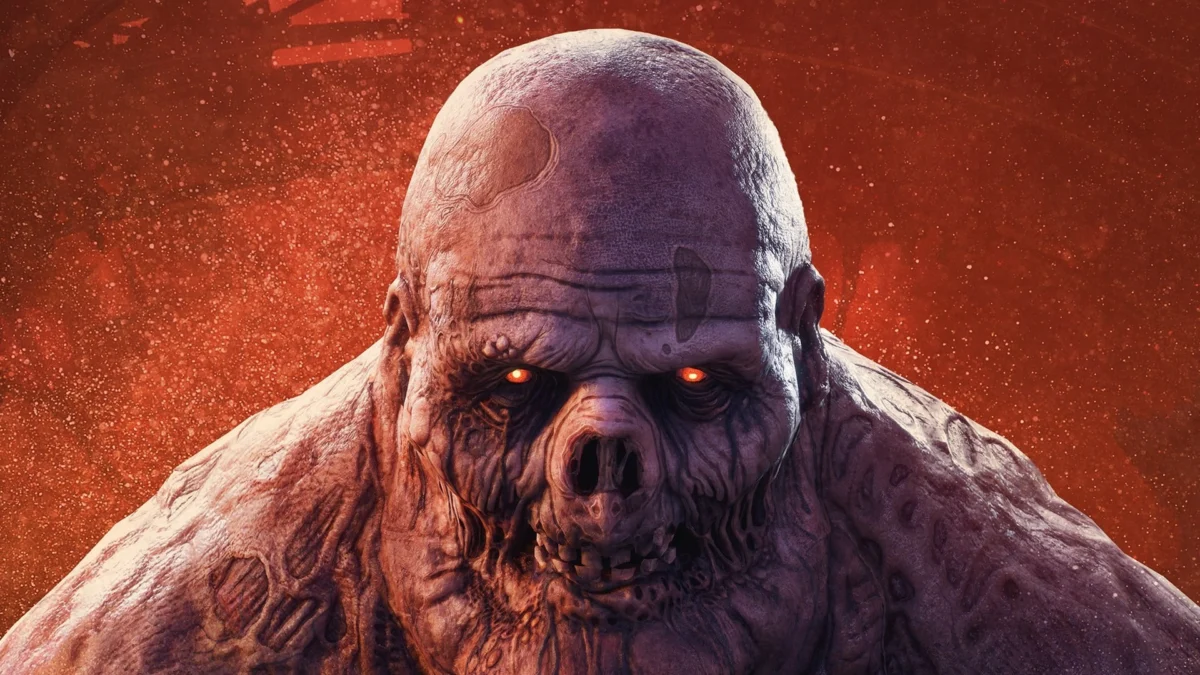
In a significant and rapidly unfolding sequence of events, game developer Undead Labs announced its separation from Xbox, declaring itself a fully independent studio, only to confirm a substantial round of layoffs hours later. Despite these transformative shifts, the studio has affirmed that the highly anticipated State of Decay 3 will continue its active development and is slated for release on Xbox Game Pass. This development signals a complex phase for the Seattle-based developer, navigating both newfound autonomy and the challenging realities of the contemporary gaming industry.
Chronology of Recent Events
The series of announcements began yesterday when Undead Labs publicly confirmed the completion of its separation from Xbox, a partnership that had spanned over a decade, with the studio officially joining Xbox Game Studios in 2018. This move positioned Undead Labs as an independent entity, ostensibly granting it greater creative and operational freedom. Studio head Philip Holt conveyed a message of optimism to the community, emphasizing a renewed focus on game development and community engagement.
However, the celebratory tone was quickly tempered by a subsequent announcement. Concurrently with a broader communication from Xbox Chief Content Officer Matt Booty detailing another 268 job cuts across various Xbox studios and management divisions, Undead Labs disclosed that it too was "saying goodbye to a significant number of our colleagues." This news, shared via a LinkedIn post, underscored the stark realities facing many developers in the current economic climate, even amidst strategic reconfigurations. The studio’s statement acknowledged the immense contributions of the departing employees to the State of Decay franchise, asserting that their work remains an indelible part of the studio’s legacy and the upcoming State of Decay 3.
Crucially, throughout these announcements, Undead Labs maintained a clear stance on the future of its flagship title. Despite the studio’s independent status, State of Decay 3 remains firmly committed to an Xbox Game Pass launch, indicating a continued, albeit reconfigured, relationship with Microsoft’s gaming ecosystem. Furthermore, the studio confirmed that development is progressing actively, with a closed beta for State of Decay 3 scheduled to occur before the end of the year, for which interested players can sign up.
Undead Labs’ Journey with Xbox: A Decade of Partnership
To fully appreciate the implications of Undead Labs’ recent independence, it is essential to contextualize its long-standing relationship with Microsoft. The journey began as early as 2011 when Undead Labs initially partnered with Microsoft to develop the original State of Decay. This collaboration proved fruitful, culminating in the game’s release in 2013 to critical acclaim and commercial success, particularly for its innovative take on the zombie survival genre, blending open-world exploration, base building, and resource management with permadeath mechanics.
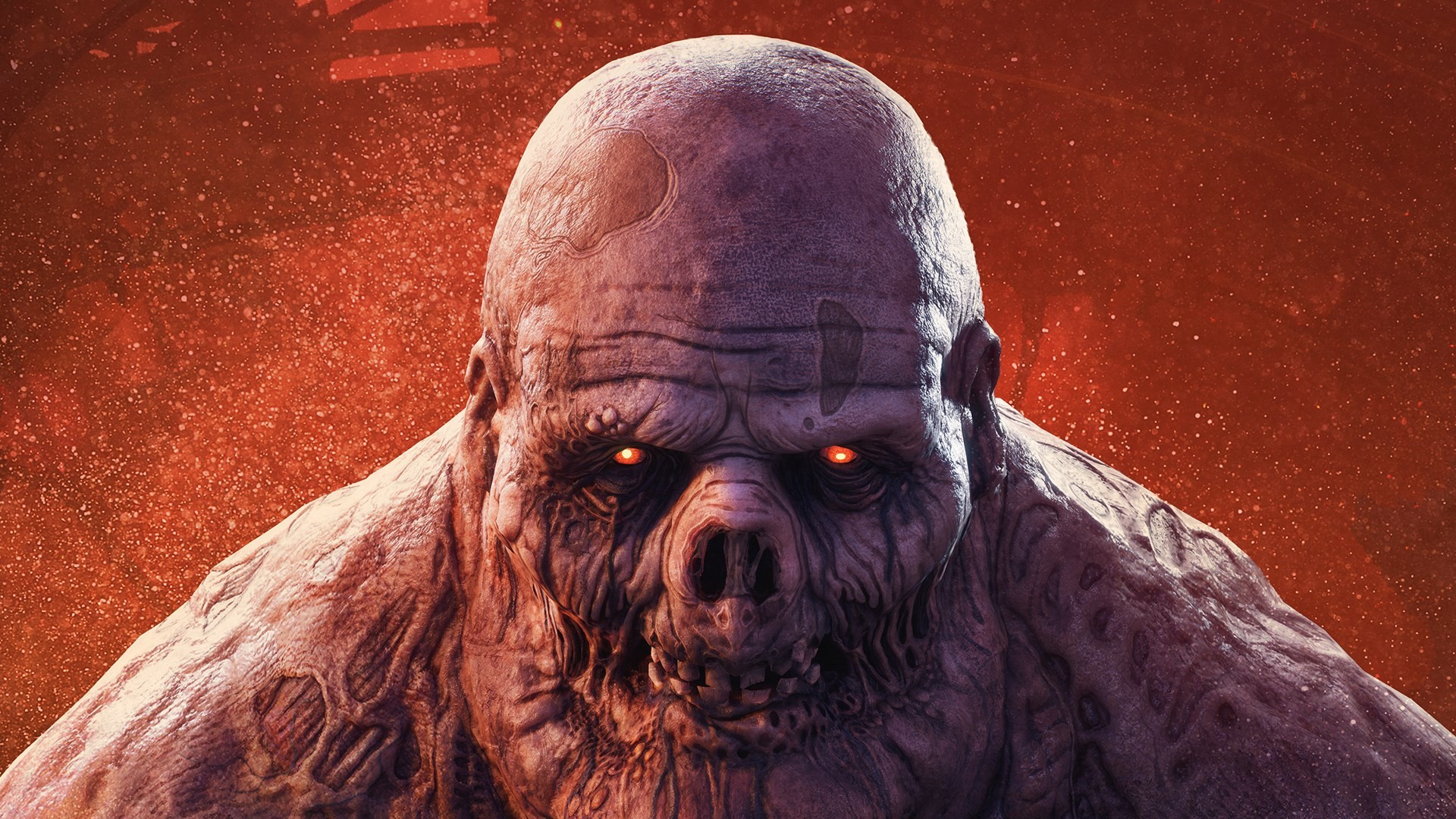
The success of State of Decay led to a continued partnership for its sequel. State of Decay 2 launched in 2018, further expanding on the established formula and introducing co-operative multiplayer. It was also in 2018 that Microsoft formally acquired Undead Labs, integrating it into the growing family of Xbox Game Studios. This acquisition was part of a broader strategy by Xbox to bolster its first-party development capabilities and strengthen its exclusive game lineup, especially in anticipation of the next console generation and the burgeoning Xbox Game Pass service. Under Microsoft’s ownership, Undead Labs benefited from the vast resources, technical support, and marketing reach that a global technology giant could provide, allowing them to scale up operations and embark on the ambitious development of State of Decay 3.
The decision for Undead Labs to separate from Xbox, therefore, represents a significant strategic pivot for both entities. For Undead Labs, Philip Holt’s statement highlighted a desire for closer community engagement and a focused approach to game development, suggesting that independence might offer greater creative agility and direct control over the studio’s destiny. For Xbox, allowing a studio like Undead Labs to become independent, while retaining its flagship title on Game Pass, points to an evolving strategy that might prioritize content accessibility and developer flexibility over strict first-party exclusivity for all titles.
The Broader Context of Xbox’s Restructuring and Industry Layoffs
The layoffs at Undead Labs are not an isolated incident but rather fit within a larger pattern of significant restructuring and job cuts observed across the technology and gaming industries, particularly within Microsoft’s ecosystem, over the past year. The gaming sector, after experiencing a boom during the COVID-19 pandemic, has faced increasing economic pressures, including rising development costs, market saturation, and shifts in consumer spending habits. This has led to a wave of layoffs impacting thousands of developers globally.
Microsoft itself has undertaken several rounds of workforce reductions. In January 2023, the company announced 10,000 job cuts across various divisions, with a portion affecting its gaming arm. These were followed by further significant layoffs in January 2024, impacting approximately 1,900 employees across Activision Blizzard, ZeniMax, and Xbox, following Microsoft’s colossal acquisition of Activision Blizzard. The latest round of 268 job cuts, which coincided with Undead Labs’ independence announcement and internal layoffs, demonstrates a continued effort by Xbox to streamline operations, re-evaluate portfolio strategies, and optimize for future growth amidst a competitive landscape.
This broader context suggests that the separation of Undead Labs from Xbox, while framed as a move towards independence and community focus, could also be interpreted as part of Microsoft’s ongoing strategy to divest from certain internal development structures while retaining key intellectual properties and relationships for its Game Pass service. The economic rationale for such moves often involves reducing overheads associated with full-scale studio ownership while still benefiting from content partnerships.
The Impact on Employees and Studio Continuity
The immediate and most painful consequence of these strategic shifts is, undoubtedly, the impact on the employees who have been laid off. The studio’s LinkedIn statement explicitly conveyed the difficulty of "saying goodbye to a significant number of our colleagues," acknowledging their "exceptionally talented" contributions to the State of Decay franchise. Such layoffs represent not just job losses but also a disruption to livelihoods, careers, and the collective expertise within the studio. The statement’s assurance that "Their work remains part of Undead Labs and part of State of Decay 3" is a testament to the lasting legacy of their efforts, even as they transition out of the company.

For the remaining team at Undead Labs, the challenge will be to maintain morale and productivity while navigating the aftermath of significant workforce reductions and the complexities of establishing a fully independent operational model. While independence can foster a sense of ownership and creative freedom, it also brings increased responsibility for financial stability, project management, and business development that were previously handled by a larger parent company.
Despite these hurdles, the explicit confirmation of State of Decay 3‘s active development and the upcoming closed beta serves as a crucial signal of continuity and commitment. It suggests that core development teams remain intact and focused on delivering the next installment in the beloved zombie-survival series. The ability to proceed with a beta phase indicates a certain level of stability and progress in the game’s production pipeline, offering a tangible sign of the studio’s forward momentum.
The Future of State of Decay 3 and Game Pass Integration
The steadfast commitment to State of Decay 3 launching on Xbox Game Pass is a particularly interesting facet of this evolving situation. For players, this means that despite the studio’s change in ownership status, access to the game will remain consistent with Microsoft’s subscription service model. This reinforces Game Pass’s position as a central pillar of Xbox’s content strategy, capable of integrating titles from both first-party studios and independent partners.
State of Decay 3 was first announced in 2020 with a cinematic trailer, generating considerable excitement for its potential to push the boundaries of the series, likely leveraging the power of current-generation consoles. The confirmation of its active development and an upcoming closed beta before the year’s end provides a concrete timeline for fans who have been eagerly awaiting more news. Beta programs are critical development milestones, allowing studios to gather valuable player feedback, test game mechanics, identify bugs, and refine the overall experience before a wider release.
The continued presence of State of Decay 3 on Game Pass, even with Undead Labs’ independence, could set a precedent for future relationships between Xbox and its former first-party studios. It suggests a model where Xbox can transition from direct ownership to a strong publishing or partnership agreement, ensuring that valuable IPs remain within its ecosystem without necessarily bearing the full operational costs of the development studio. This strategy allows Xbox to maintain its content library’s breadth and appeal while providing studios with potentially greater autonomy.
Implications for the Gaming Industry: A Shifting Landscape
The case of Undead Labs offers a microcosm of broader trends shaping the video game industry. The increasing frequency of studio consolidations, followed by periods of strategic restructuring and layoffs, reflects an industry grappling with economic realities and evolving business models. While large acquisitions often promise stability and growth, the integration process and subsequent financial pressures can lead to difficult decisions regarding workforce and studio alignment.
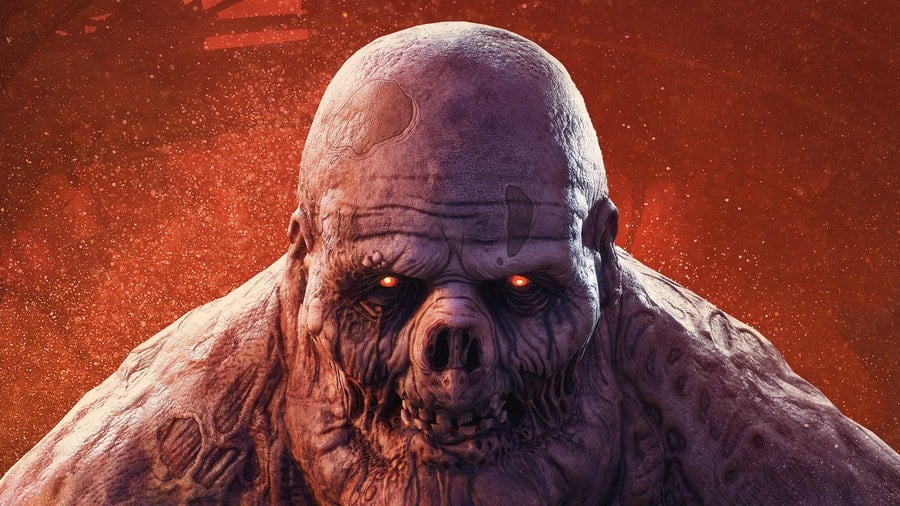
The concept of "independence" for a gaming studio also takes on new dimensions in this landscape. While it traditionally implied complete autonomy over creative, financial, and publishing decisions, the reality for a studio like Undead Labs, whose flagship title remains tied to a major platform’s subscription service, is more nuanced. It represents a hybrid model where creative freedom might be enhanced, but strategic partnerships remain crucial for distribution, marketing, and financial viability.
This scenario highlights the ongoing tension between creative independence and the commercial necessities of game development. For many developers, finding the right balance between these two poles is paramount to long-term success. The ability of Undead Labs to navigate this new chapter, deliver State of Decay 3 successfully, and thrive as an independent entity will be closely watched by industry observers and players alike. It may serve as a blueprint or a cautionary tale for other studios contemplating similar transitions in an industry constantly in flux.
Conclusion
The recent developments at Undead Labs—its newfound independence from Xbox, the difficult necessity of layoffs, and the unwavering commitment to State of Decay 3 on Game Pass—paint a complex picture of a studio in transition. While the departure of colleagues is a somber note, the studio’s stated focus on community and creative autonomy, coupled with tangible progress on its next major title, suggests a determined path forward. The gaming world will be observing closely as Undead Labs embarks on this new chapter, demonstrating how an independent studio can thrive while maintaining a critical partnership within a dynamic and ever-changing industry. The upcoming closed beta for State of Decay 3 will be the first significant indicator of this new era for the studio and its flagship franchise.