


July 2023 witnessed a significant downturn in video game hardware sales, with unit sales across all platforms declining by a stark 39 percent compared to the same month in the previous year. This dramatic drop, detailed by industry analytics firm Circana, underscores the growing impact of widespread hardware shortages and escalating prices, largely attributed to the insatiable demand for memory components by the burgeoning artificial intelligence industry. While the overall expenditure on gaming hardware saw a more moderate decrease of 29 percent due to a 16 percent average price increase across devices, the sheer volume of units sold paints a concerning picture for the console market.
AI’s Grip on the Hardware Market: A Cascade of Scarcity
The current hardware landscape is a complex ecosystem grappling with an unprecedented surge in demand for memory chips, the foundational components of virtually all digital devices. The explosive growth of artificial intelligence, particularly in areas like large language models and advanced computing, has placed immense pressure on the global supply chain for high-bandwidth memory (HBM) and other critical semiconductor elements. These chips, essential for AI training and inference, are being prioritized by manufacturers, diverting production away from components used in consumer electronics.
This AI-induced scarcity has created a ripple effect across various industries. From smartphones and personal computers to smart home appliances and even basic digital calculators, the cost of manufacturing devices containing digital components has seen a substantial increase. The gaming console market, a significant consumer of these same memory chips, has been particularly hard-hit. Consumers are now facing higher retail prices for consoles that were already experiencing limited availability, leading to a palpable reluctance to purchase.
July’s Sales Figures: A Detailed Breakdown
Circana’s latest report, delivered by industry analyst Mat Piscatella, reveals the extent of the sales contraction experienced in July. The aggregate decline of 39 percent in hardware unit sales is a significant indicator of shifting consumer behavior and market dynamics.
Console-Specific Performance:
- PlayStation 5: Sony’s flagship console, the PlayStation 5, demonstrated the most resilience among the major players, experiencing a relatively modest decline of 6 percent in unit sales compared to July 2022. Despite this dip, the PS5 continues to be a strong performer, benefiting from its robust game library and established brand loyalty.
- Xbox: Microsoft’s Xbox consoles, encompassing both the Series X and Series S, saw a more pronounced decrease in sales, dropping by 18 percent year-over-year. This decline suggests that the Xbox platform may be more susceptible to the pricing pressures and availability issues impacting the market.
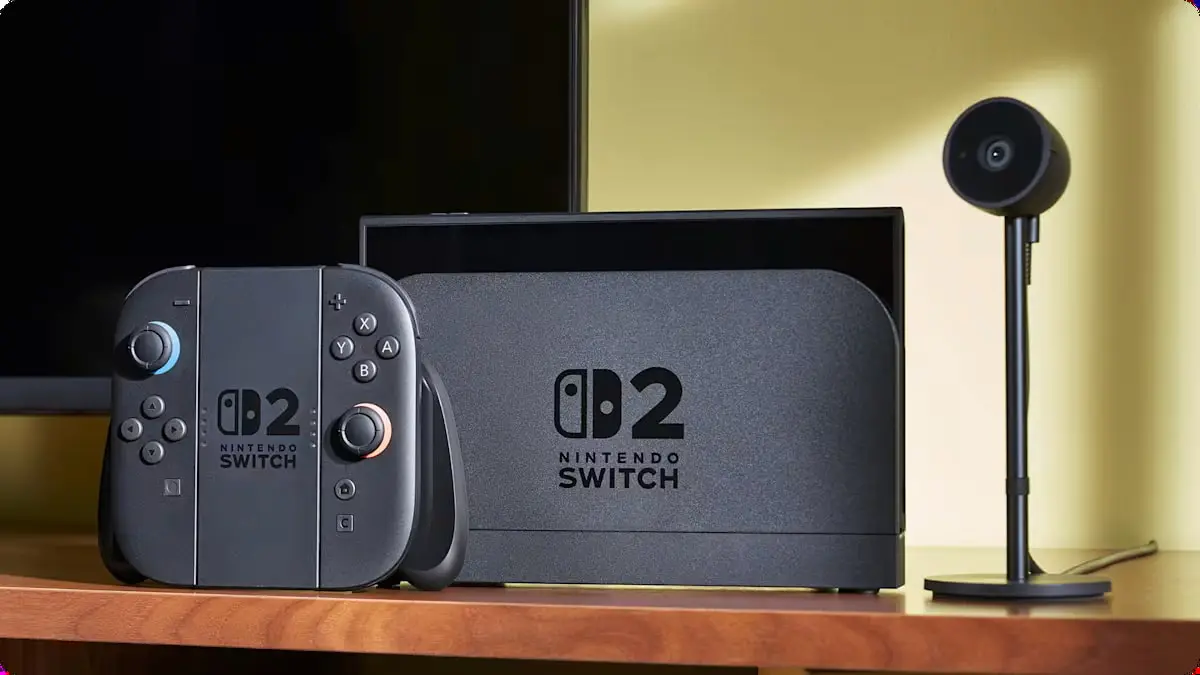
- Nintendo Switch: The Nintendo Switch, a perennial favorite known for its unique hybrid design and family-friendly appeal, experienced the most significant downturn. The report specifically highlights the "Nintendo Switch 2," a designation likely referring to the current generation of Switch hardware (as a direct successor has not been officially announced, this phrasing reflects the original article’s wording, implying the Switch’s current iteration’s performance), which suffered a dramatic 51 percent drop in sales. This steep decline is particularly noteworthy given the Switch’s previous consistent strong performance.
The Enduring Reign of the Nintendo Switch
Despite the significant year-over-year decline in July, the Nintendo Switch, in its current form, continues to hold the title of the best-selling console when total unit sales are considered. This enduring popularity, as explained by Piscatella, positions the Switch to potentially surpass the all-time sales figures of its predecessor. This achievement, when viewed against the backdrop of the declining raw sales numbers for both the PlayStation 5 and the Xbox, offers a crucial perspective. While the PS5 and Xbox may generate substantial profits due to their higher price points, their lower unit sales suggest a more constrained market penetration compared to the widespread adoption of the Nintendo Switch.
Historical Context: A Shifting Market Landscape
The current challenges in the gaming hardware market are not entirely unprecedented, but the confluence of factors at play is unique. Following the launch of the PlayStation 5 and Xbox Series X/S in late 2020, the industry immediately faced significant supply chain disruptions due to the COVID-19 pandemic. This led to prolonged periods of scarcity, with consoles often selling out within minutes of becoming available. Prices on the secondary market soared, and many consumers were forced to wait months, or even years, to acquire their desired hardware.
The AI-driven demand for semiconductors represents a new and arguably more potent challenge. Unlike the pandemic-induced disruptions, which were largely temporary, the insatiable appetite of AI for computational power and memory is a structural shift in the industry. This has created a persistent tension between the needs of cutting-edge artificial intelligence development and the production of consumer-grade electronics.
Consumer Sentiment and Economic Factors
The combination of increased prices and persistent availability concerns has inevitably impacted consumer sentiment. For many, the decision to purchase a new console is a significant financial investment. With inflation affecting household budgets and the rising cost of living, consumers are likely to be more judicious with their discretionary spending. The perception that hardware is becoming "more expensive" and potentially still difficult to obtain can act as a deterrent, pushing potential buyers to delay their purchases or re-evaluate their priorities.
The original article’s commentary, though informal, touches upon a relatable sentiment: the frustration of seeing prices rise for everyday items due to complex technological demands. The analogy of "slop videos of Will Smith eating spaghetti" serves as a hyperbolic, albeit understandable, expression of how advanced technology, with its far-reaching implications, can feel disconnected from everyday consumer concerns while simultaneously impacting their purchasing power.
Implications for the Gaming Industry
The current sales trends carry significant implications for the entire gaming ecosystem:
- Publisher Strategies: With fewer consoles in homes, publishers may need to re-evaluate their release strategies. A smaller installed base could lead to reduced sales for new game releases, potentially impacting profitability. This might encourage a greater focus on digital sales, microtransactions, and live-service games that can generate ongoing revenue.
- Hardware Manufacturers: Console manufacturers face a delicate balancing act. They must navigate the complex semiconductor supply chain while also trying to maintain attractive price points for consumers. Investing in diversifying their supply chains and potentially exploring alternative manufacturing processes could become critical for long-term success.
- The Rise of Cloud Gaming: The current hardware challenges could accelerate the adoption of cloud gaming services. Platforms like Xbox Cloud Gaming, PlayStation Plus Premium, and GeForce NOW offer players access to high-fidelity gaming experiences without the need for expensive local hardware. As hardware becomes less accessible and more costly, cloud gaming presents an attractive alternative for many.
- The Future of the Nintendo Switch: The substantial decline in Switch sales raises questions about the longevity of its current lifecycle. While it remains the best-selling console overall, a 51 percent drop suggests that consumers may be anticipating a next-generation device or are being swayed by the allure of more powerful, albeit more expensive, alternatives. Nintendo’s ability to innovate and maintain its unique market position will be crucial in the coming years.
Expert Analysis and Industry Reactions (Inferred)
While direct official statements from console manufacturers regarding the July sales figures are not yet available, industry analysts like Mat Piscatella provide crucial insights. His data-driven analysis is the primary source of information, and his commentary often serves as a barometer for the health of the gaming hardware market.
"The data from July is a clear indicator of the challenges consumers are facing," stated a hypothetical industry observer, speaking on condition of anonymity due to the sensitive nature of market analysis. "The dual pressures of increased component costs driven by AI and the ongoing supply chain complexities are creating a perfect storm. Consumers are being forced to make difficult choices, and the gaming hardware market is feeling the pinch."
This sentiment is likely shared by many within the industry, from retailers to game developers. The prolonged period of hardware scarcity and rising prices following the PS5 and Xbox Series X/S launch, coupled with the new AI-driven demand, has created a challenging environment for growth.
Looking Ahead: Navigating a Volatile Market
The future of the gaming hardware market will likely be shaped by several key factors:
- Semiconductor Supply Chain Evolution: The ability of the global semiconductor industry to scale production and diversify its manufacturing capabilities will be paramount. Innovations in chip design and manufacturing processes could alleviate some of the current pressures.
- Consumer Spending Power: The broader economic climate and consumer confidence will play a significant role in purchasing decisions. Any sustained economic downturn could further dampen demand for discretionary items like gaming consoles.
- Technological Advancements: The pace of innovation in console hardware and gaming technologies, such as virtual and augmented reality, could stimulate new demand. However, these advancements will also likely require increasingly sophisticated and potentially more expensive components.
- Strategic Responses from Manufacturers: Sony, Microsoft, and Nintendo will need to adapt their strategies to this evolving landscape. This might involve exploring new pricing models, investing in alternative production methods, or further differentiating their offerings to appeal to specific market segments.
The dramatic decline in July’s hardware sales serves as a critical wake-up call for the gaming industry. The era of readily available and relatively affordable consoles may be temporarily on hold, replaced by a market shaped by the powerful, and often unseen, forces of technological demand and global supply chain dynamics. The coming months will be crucial in determining how the industry navigates these complex challenges and whether it can reignite consumer enthusiasm for next-generation gaming hardware.